Alphabet Recognition Normal Worksheets for Ages 5-6 - Page 2
44 filtered results
-
From - To
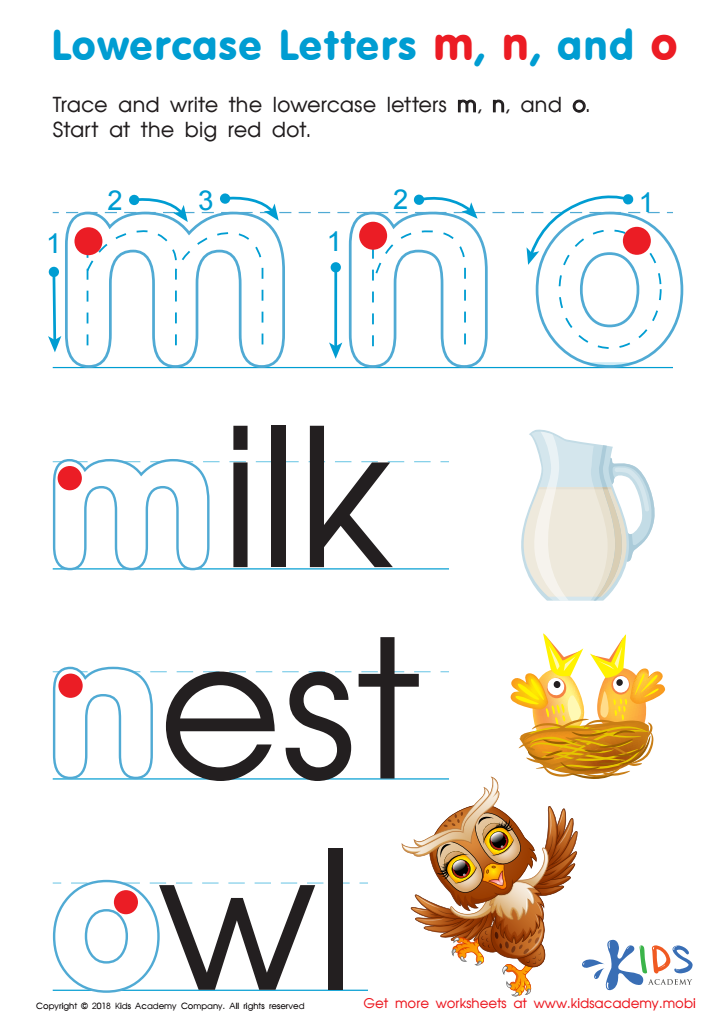
Lowercase Letters m n o Worksheet
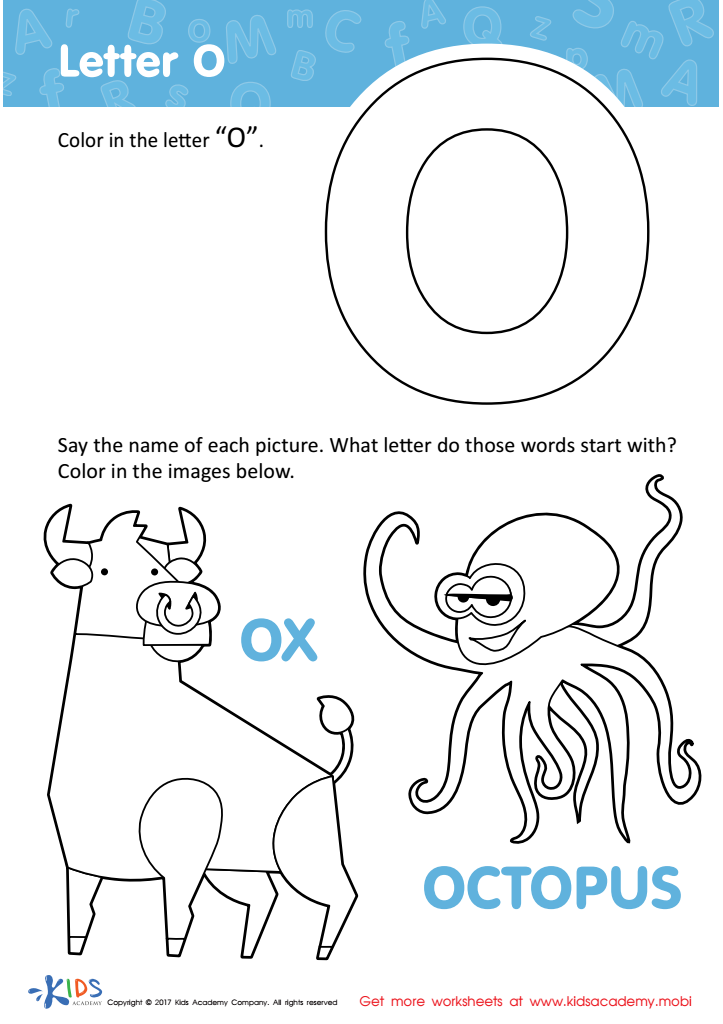
Letter O Coloring Sheet
 Assign to My Students
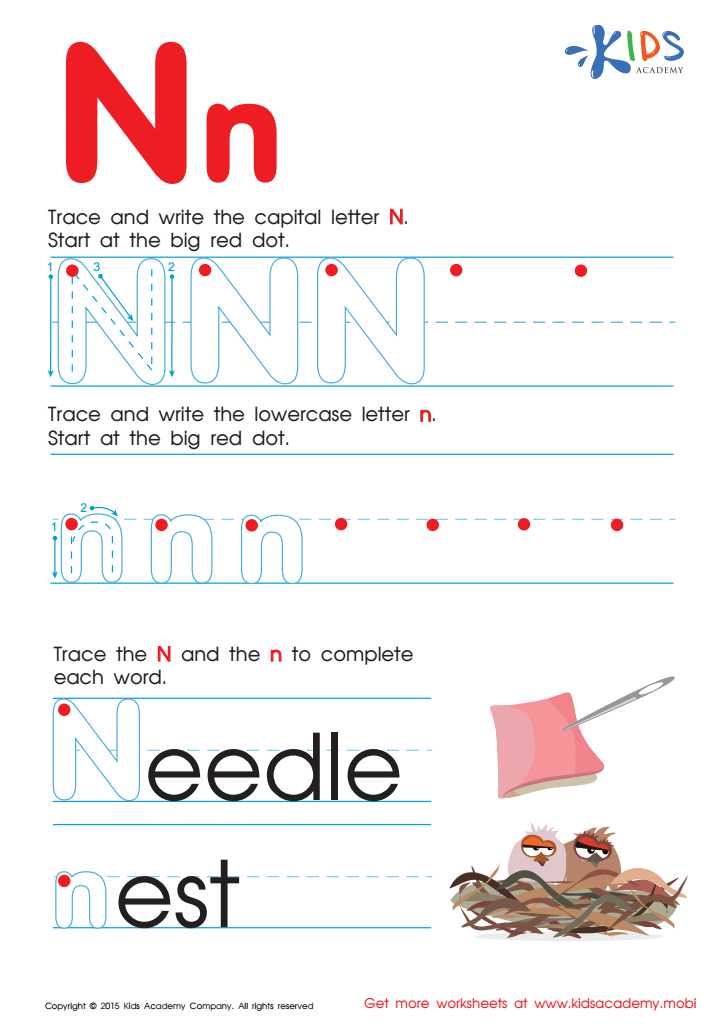
Letter N Tracing Page
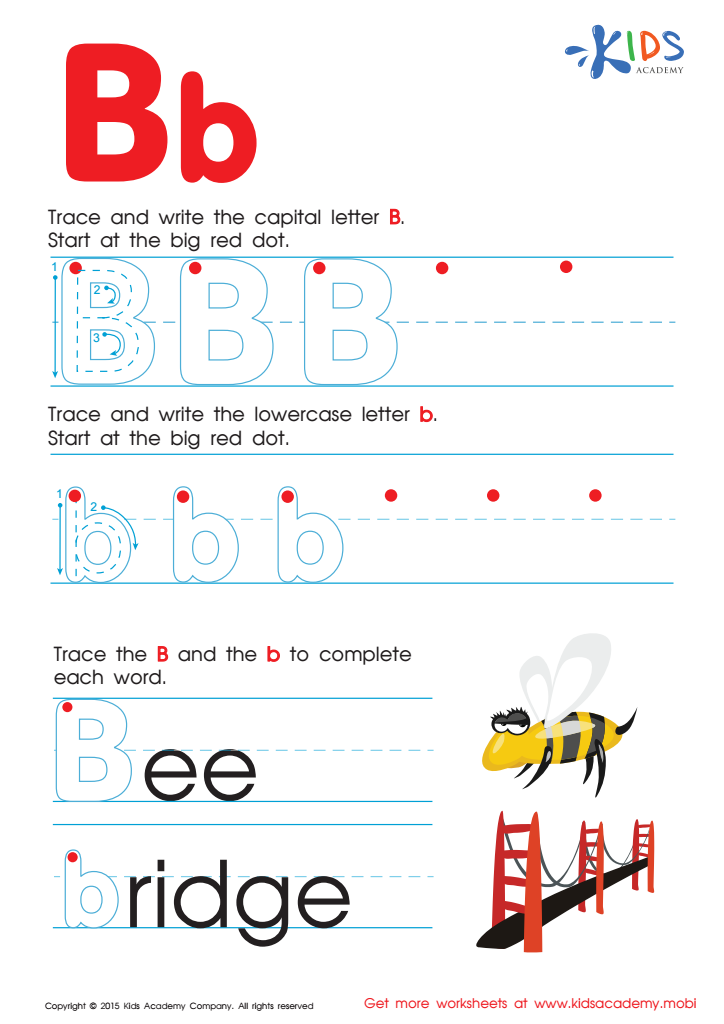
Letter B Tracing Page
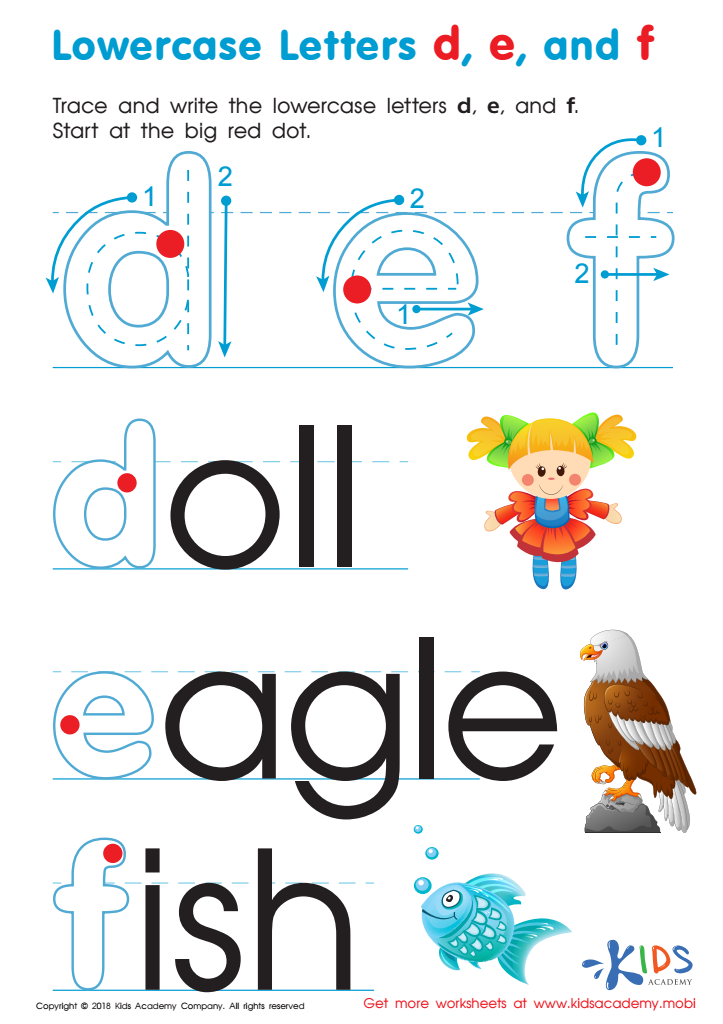
Lowercase Letters d e f Worksheet
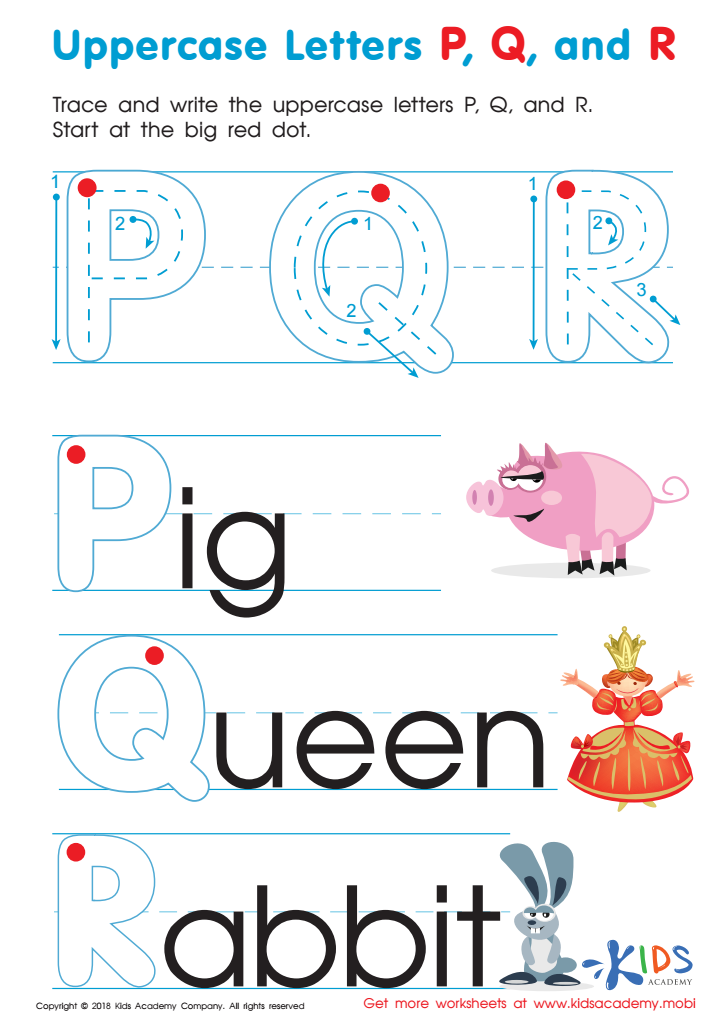
Uppercase Letters P, Q, and R Worksheet
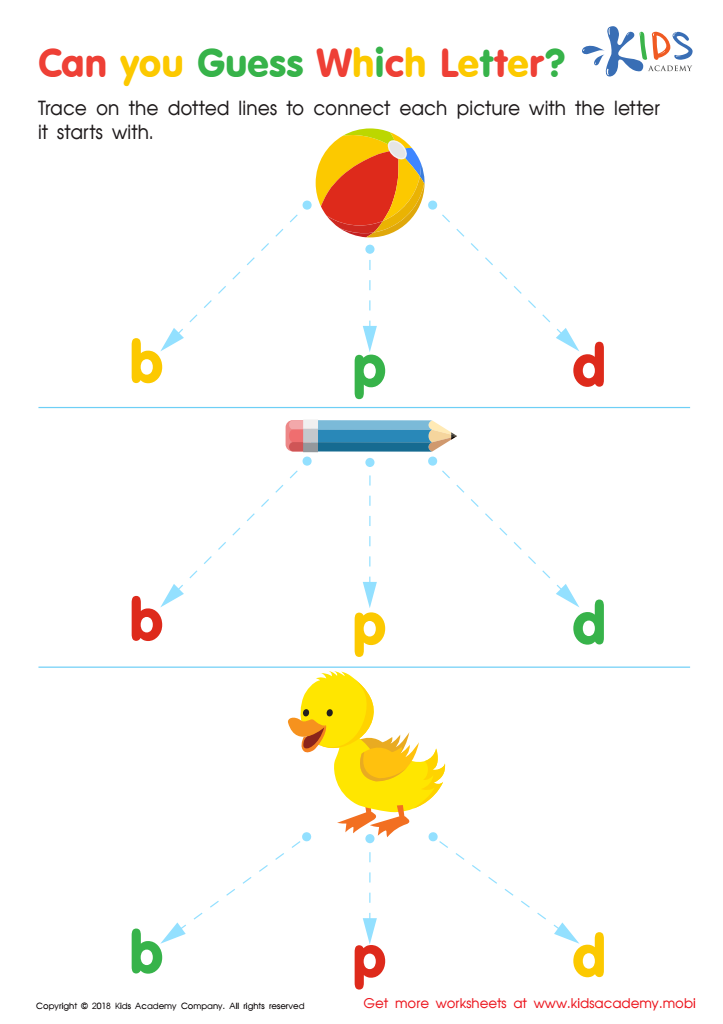
Can you Guess Which Letter? Worksheet

Letter E Tracing Page
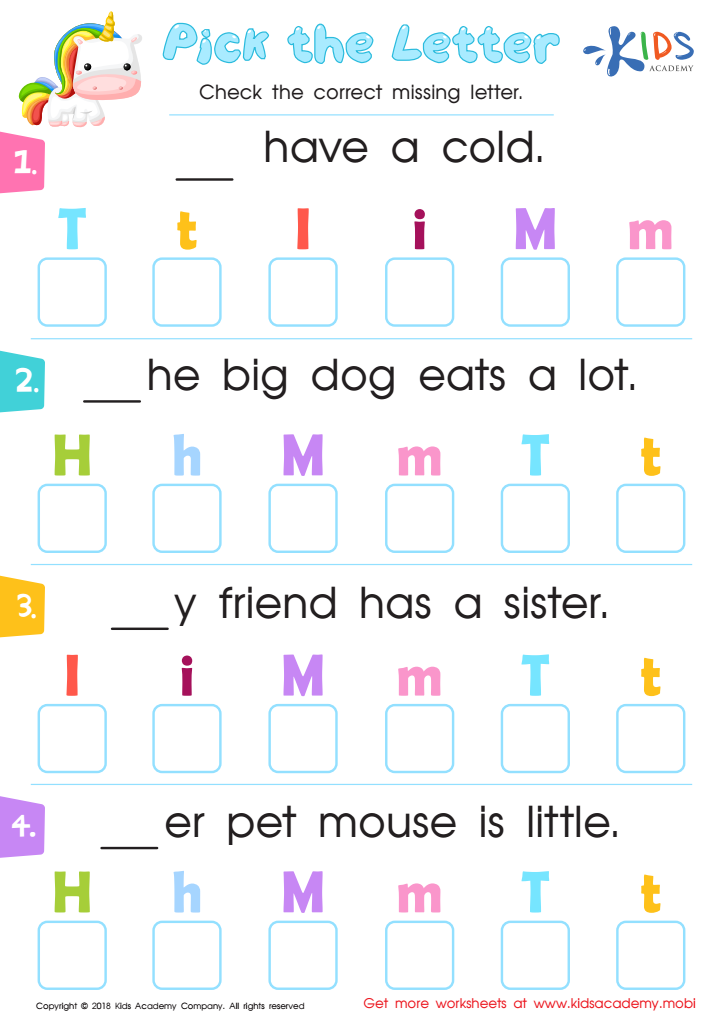
Pick the Letter Worksheet
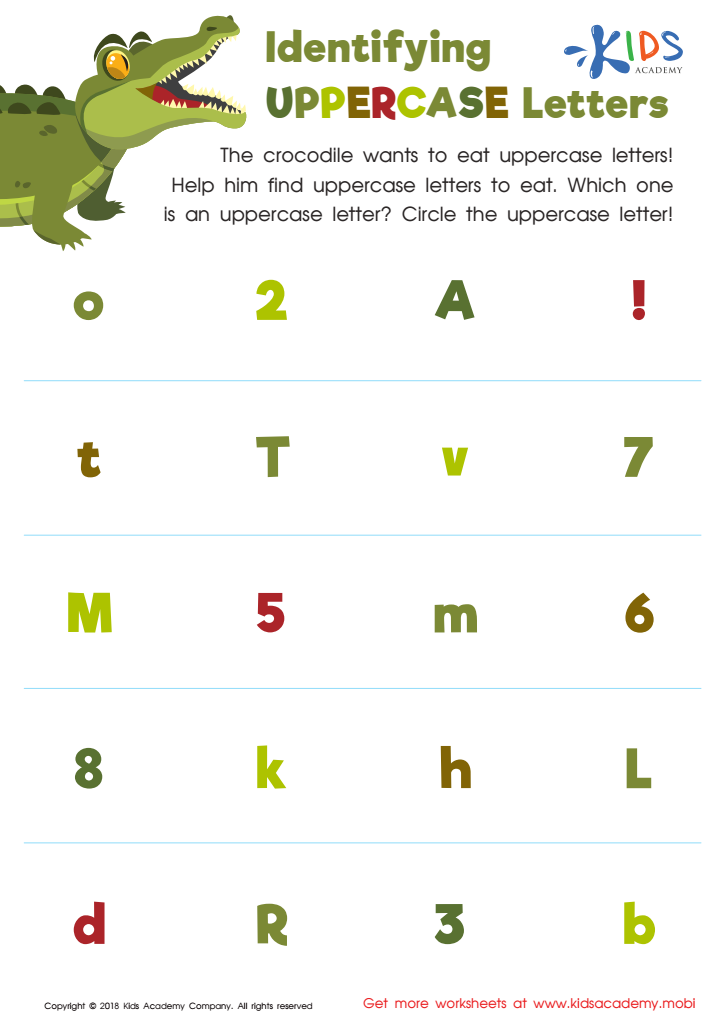
Identifying Uppercase Letters Worksheet
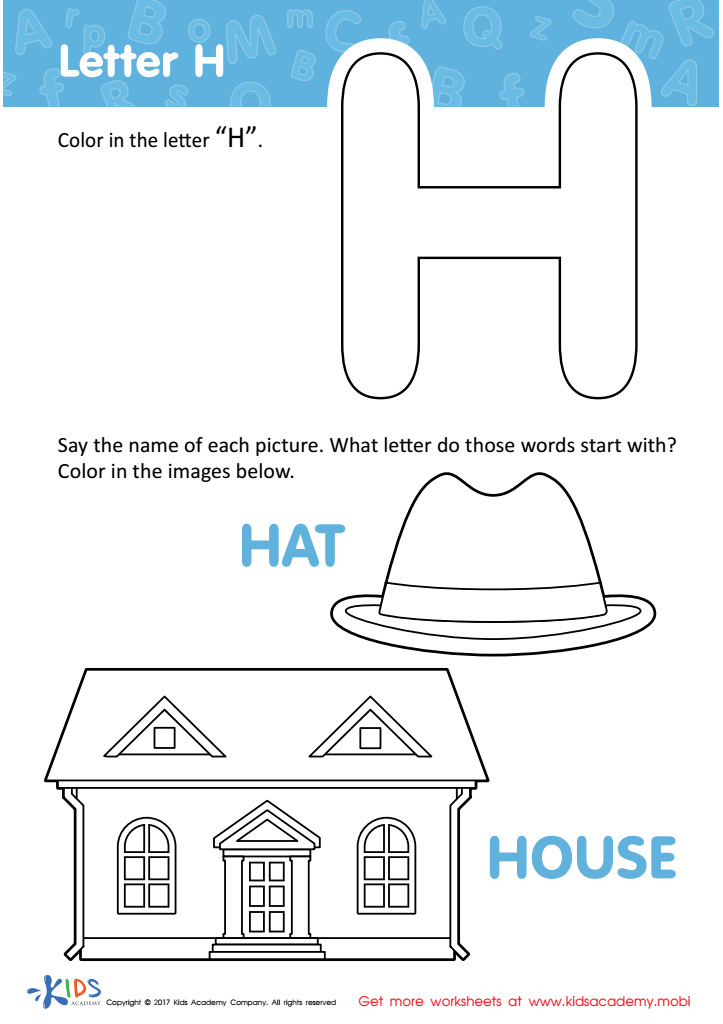
Letter H Coloring Sheet
Assign to My Students
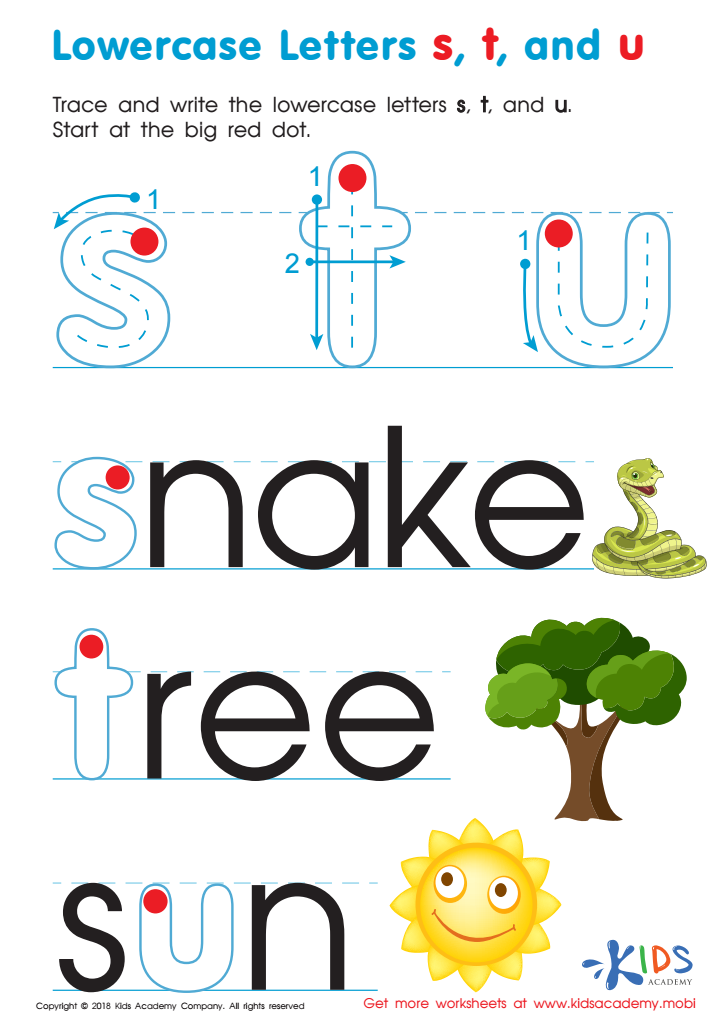
Lowercase Letters s t u Worksheet
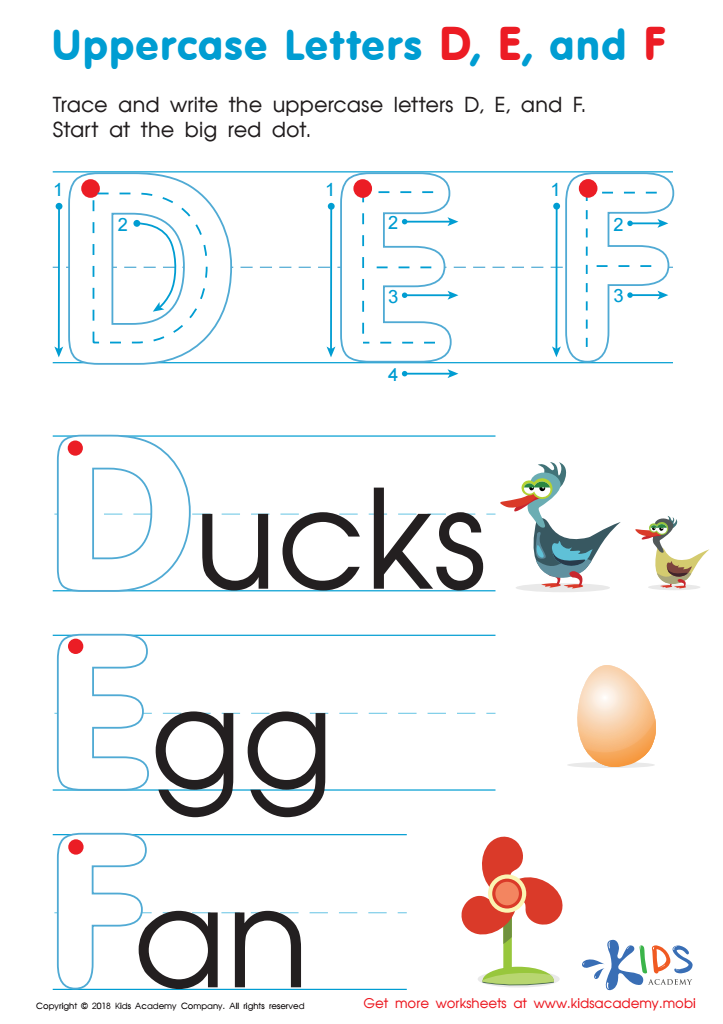
Uppercase Letters D, E, and F Worksheet
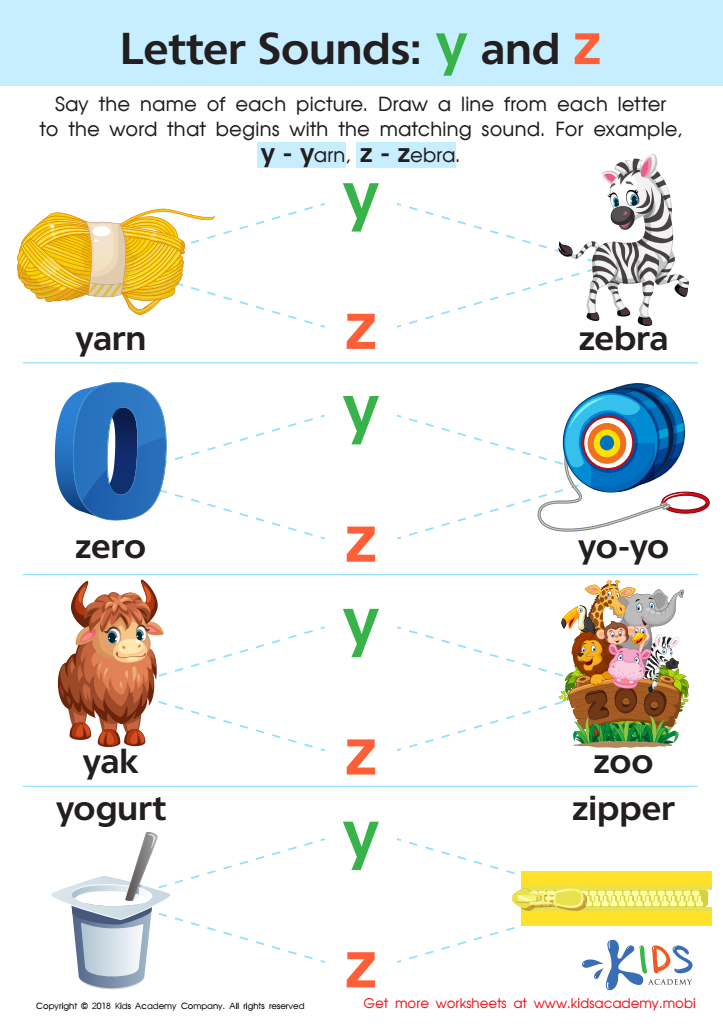
Letter Y and Z Sounds Worksheet

Uppercase Letters Y Z Worksheet

Letter F Coloring Sheet
Assign to My Students
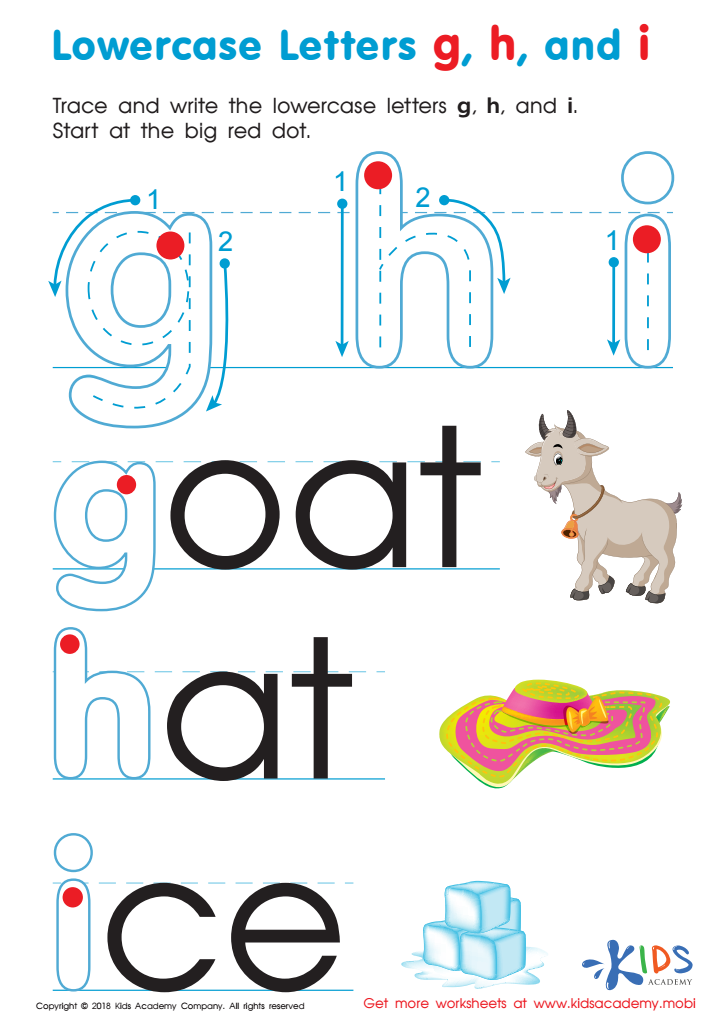
Lowercase Letters g h i Worksheet
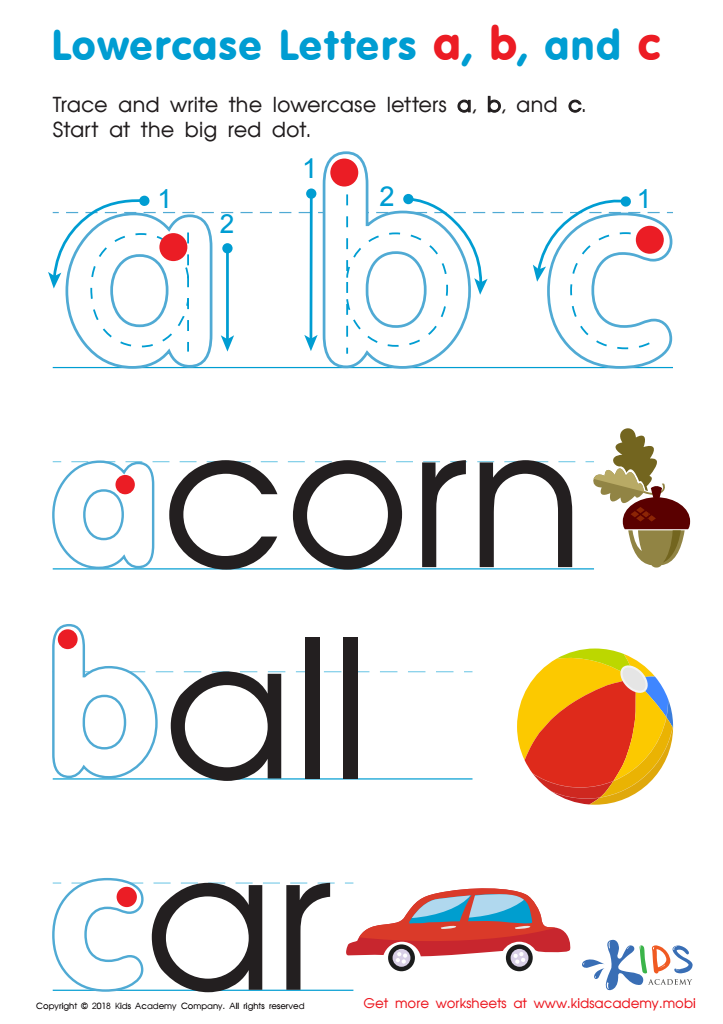
Lowercase Letters a b c Worksheet
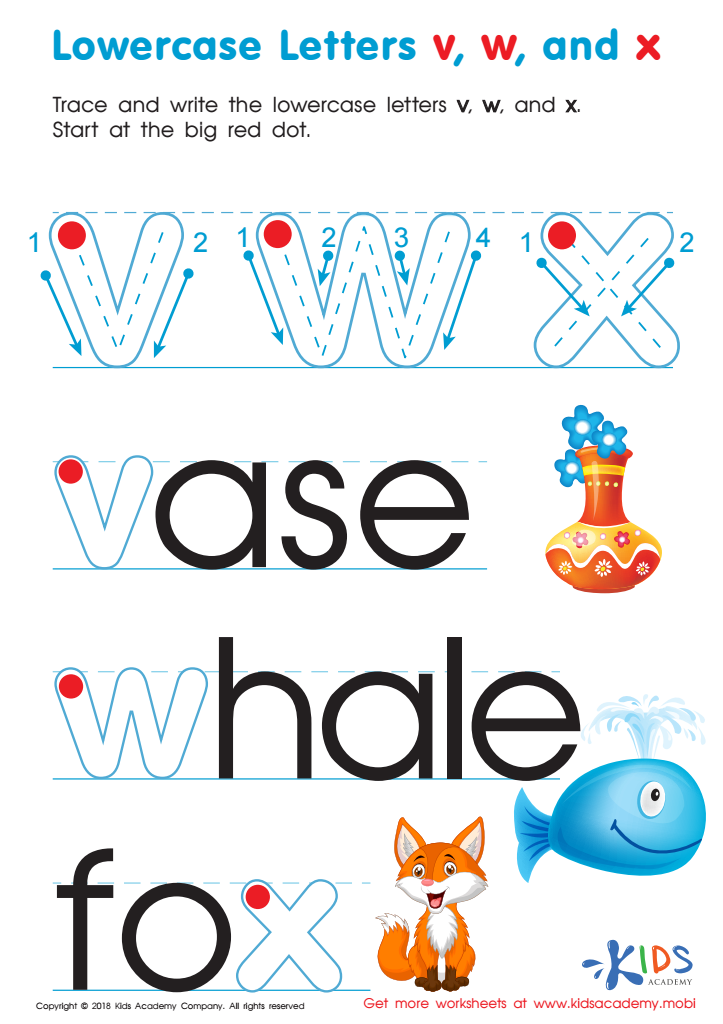
Lowercase Letters v w x Worksheet
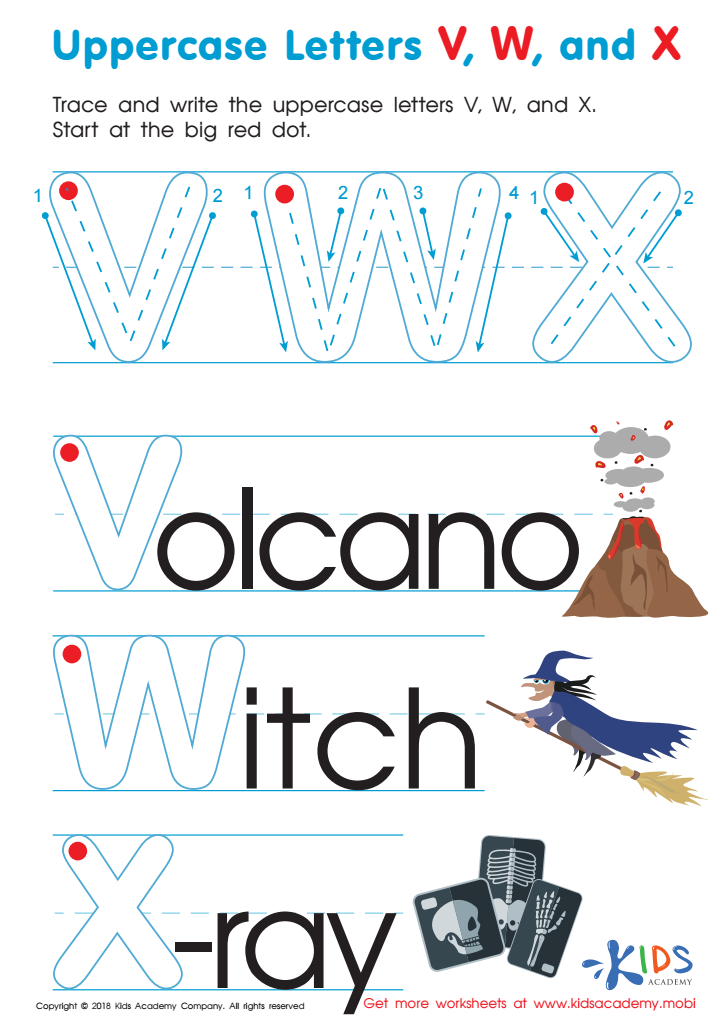
Uppercase Letters V, W, and X Worksheet






Alphabet recognition is a critical foundational skill for children aged 5-6 as they prepare for reading and writing. Understanding and identifying letters not only helps kids recognize their names and familiar words, but also sets the stage for phonemic awareness and ultimately reading proficiency. When children can recognize letters, they can begin to associate sounds with those letters, which is essential in learning to read.
For parents and teachers, fostering alphabet recognition promotes a positive learning environment. Early exposure to the alphabet aids in developing crucial cognitive skills, enhancing vocabulary, and building confidence in language abilities. Engaging children in fun, interactive activities such as singing the alphabet song, playing with letter blocks, or using educational games can nurture their curiosity and make learning joyful.
Moreover, identifying letters can help educators tailor their instruction to meet individual student needs. Recognizing when students struggle with letter identification allows teachers to provide targeted assistance, preventing future learning gaps. Ultimately, prioritizing alphabet recognition strategies empowers children with the tools they need to navigate written language, fostering lifelong literacy skills essential for their academic success and daily life. Thus, establishing a solid grasp of the alphabet becomes a collaborative goal for both parents and teachers.








