Visual perception improvement Normal Worksheets for Ages 5-6
11 filtered results
-
From - To
Enhance your child’s visual perception skills with our carefully crafted worksheets designed for ages 5-6. These engaging and educational activities aid in the development of essential visual discrimination, pattern recognition, and spatial relationship skills. Perfect for kindergarten and first-grade students, our worksheets provide fun and interactive exercises that challenge young minds while building a strong foundation for future learning. Whether it’s matching shapes, finding differences, or tracing paths, each worksheet is designed to improve attention to detail and visual processing. Discover the joy of learning and help your child excel with our visual perception improvement worksheets today!
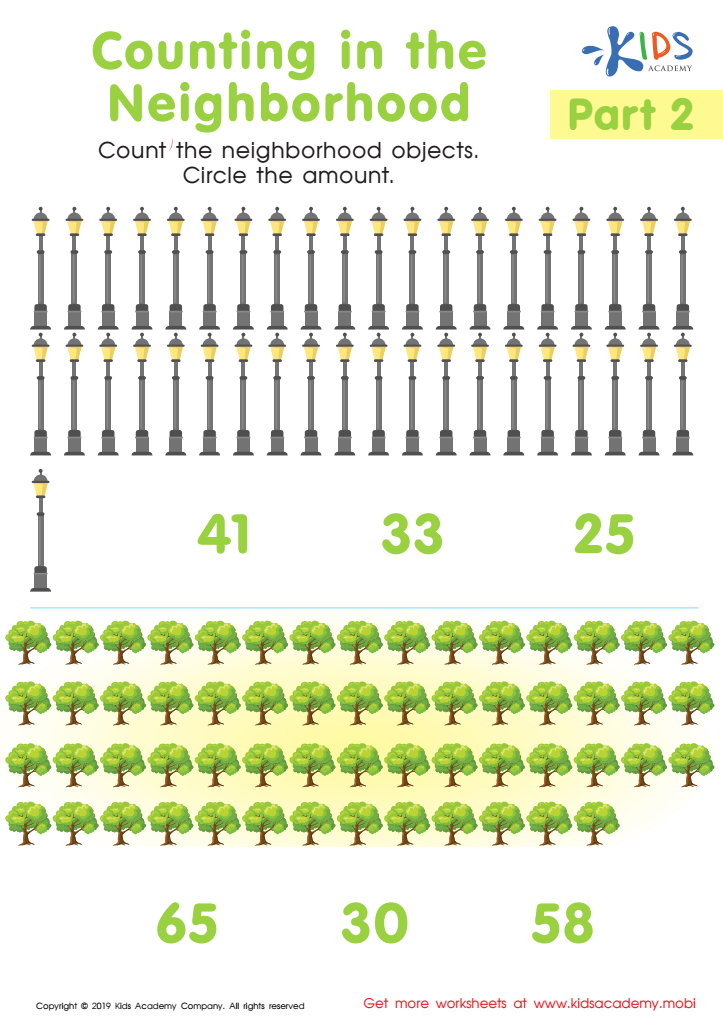
Counting In The Neighborhood Part 2 Worksheet
 Assign to My Students
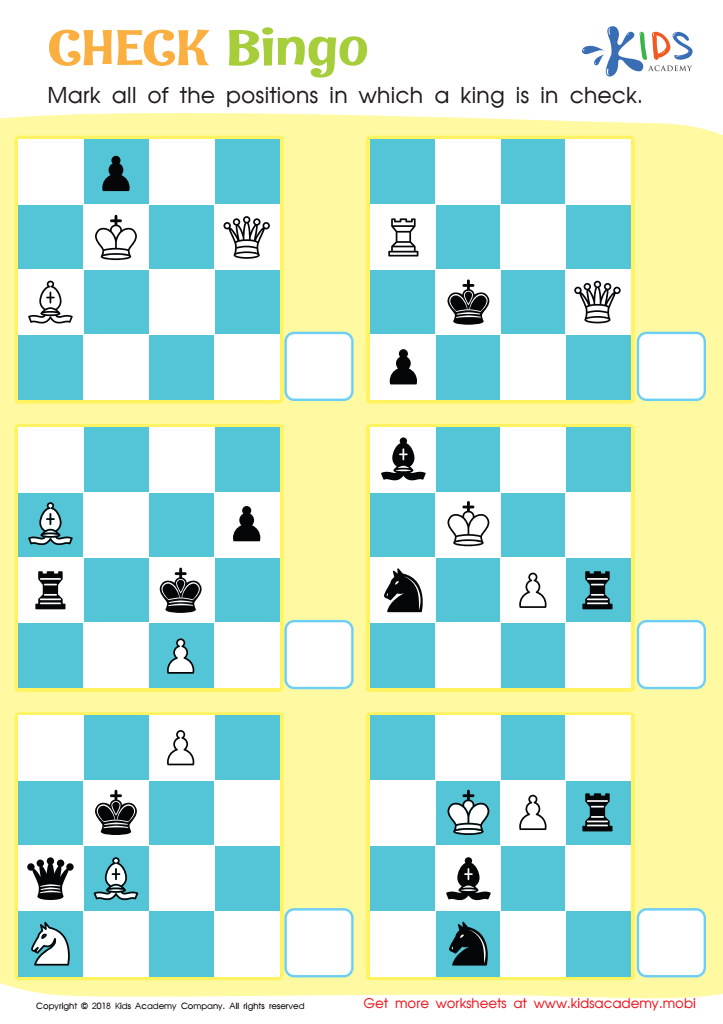
Check Bingo Worksheet
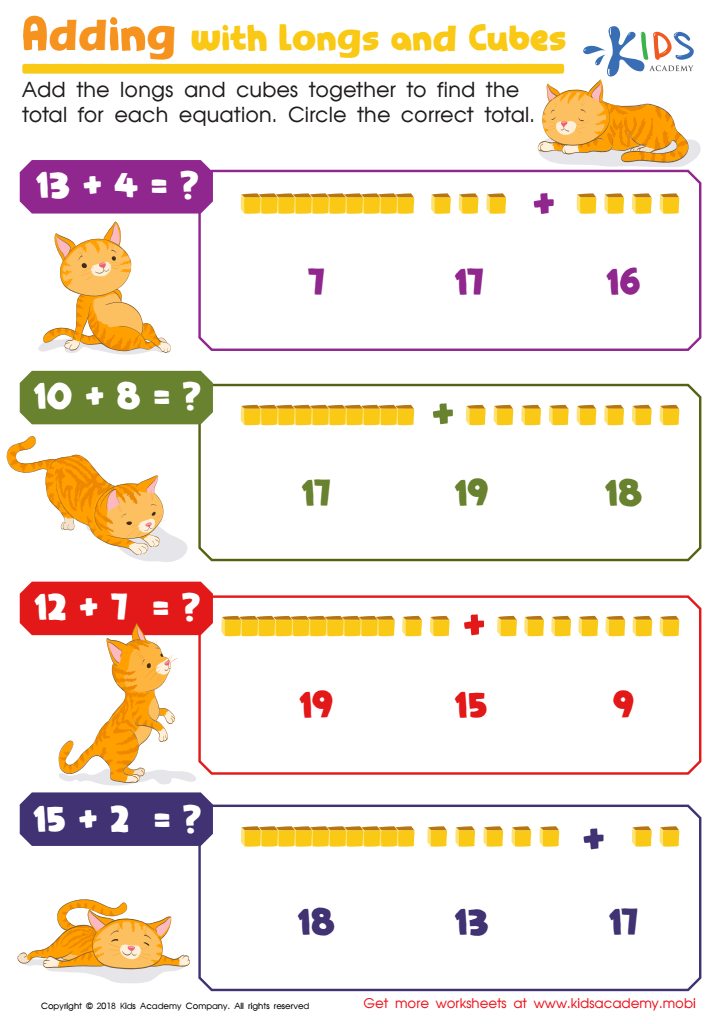
Adding With Longs and Cubes Worksheet
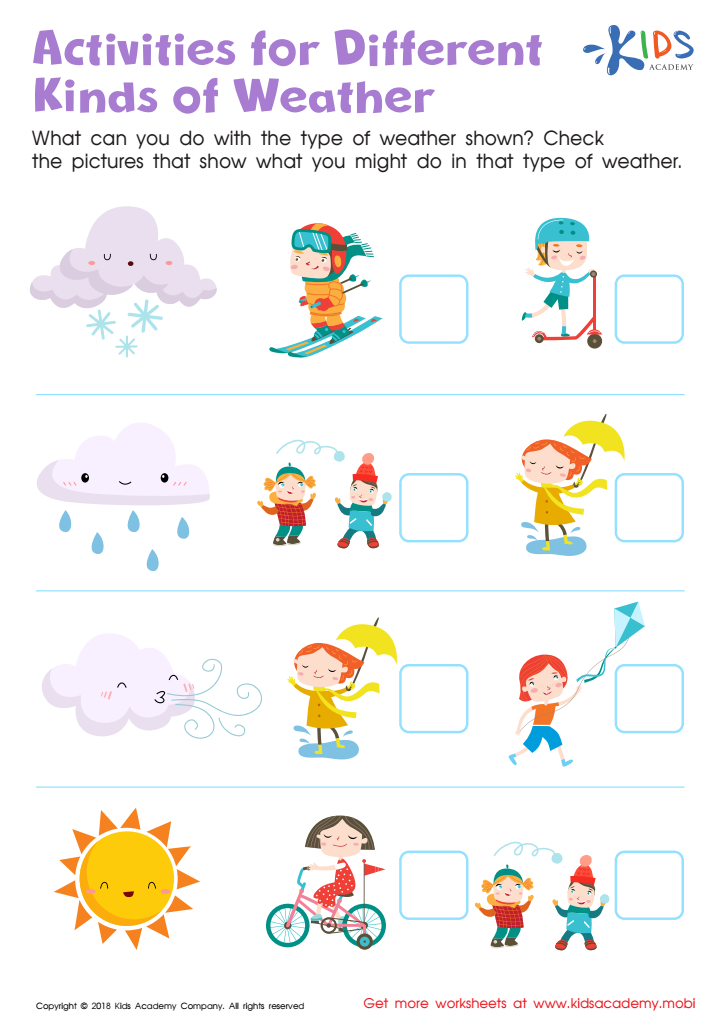
Activities for Different Kinds of Weather Worksheet
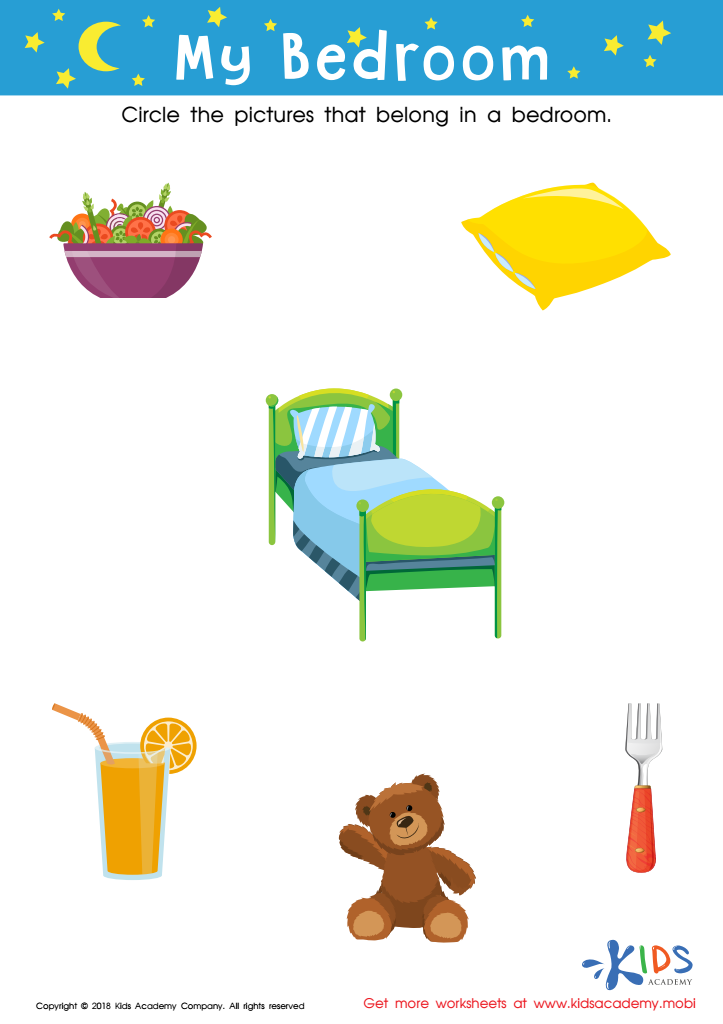
My Bedroom Worksheet
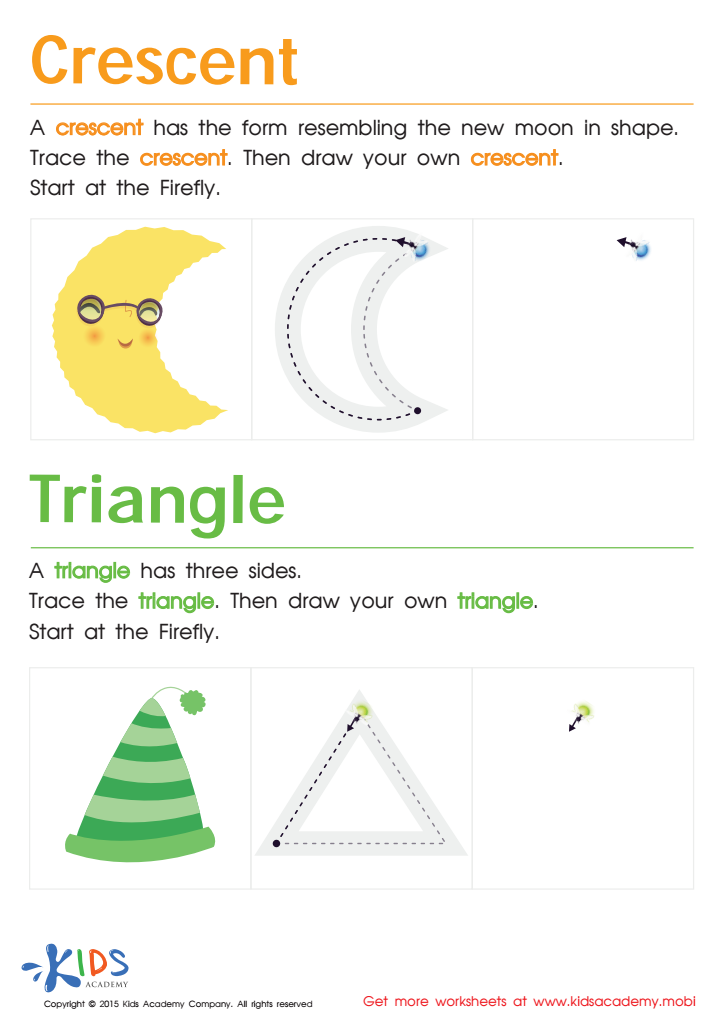
Learning to Draw Crescents And Triangles Worksheet
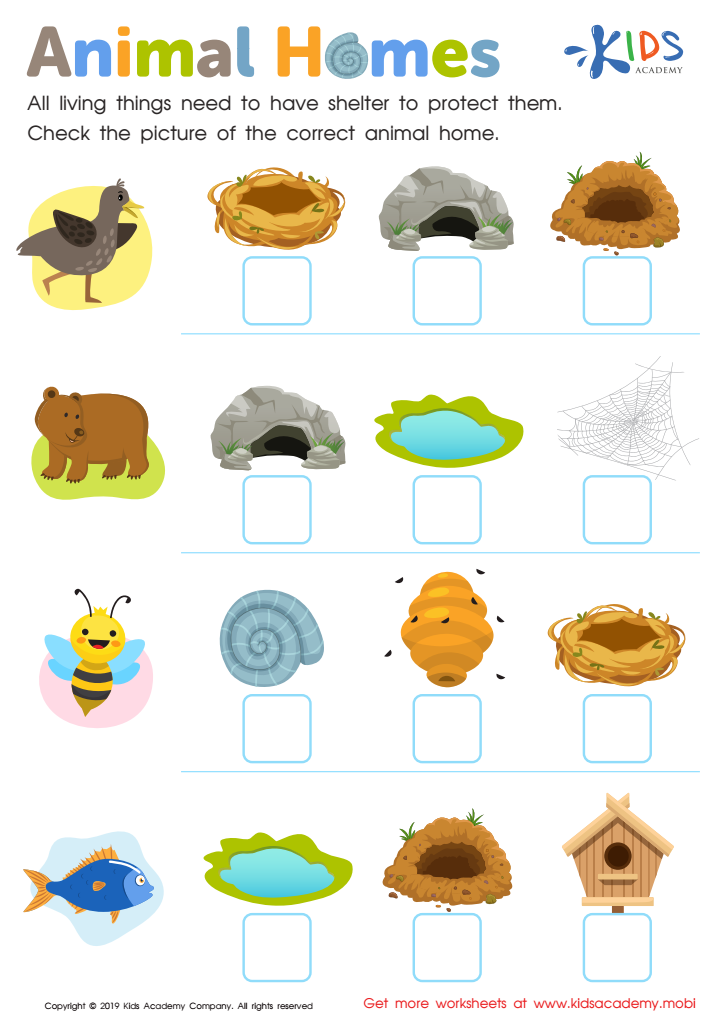
Animal Homes Worksheet
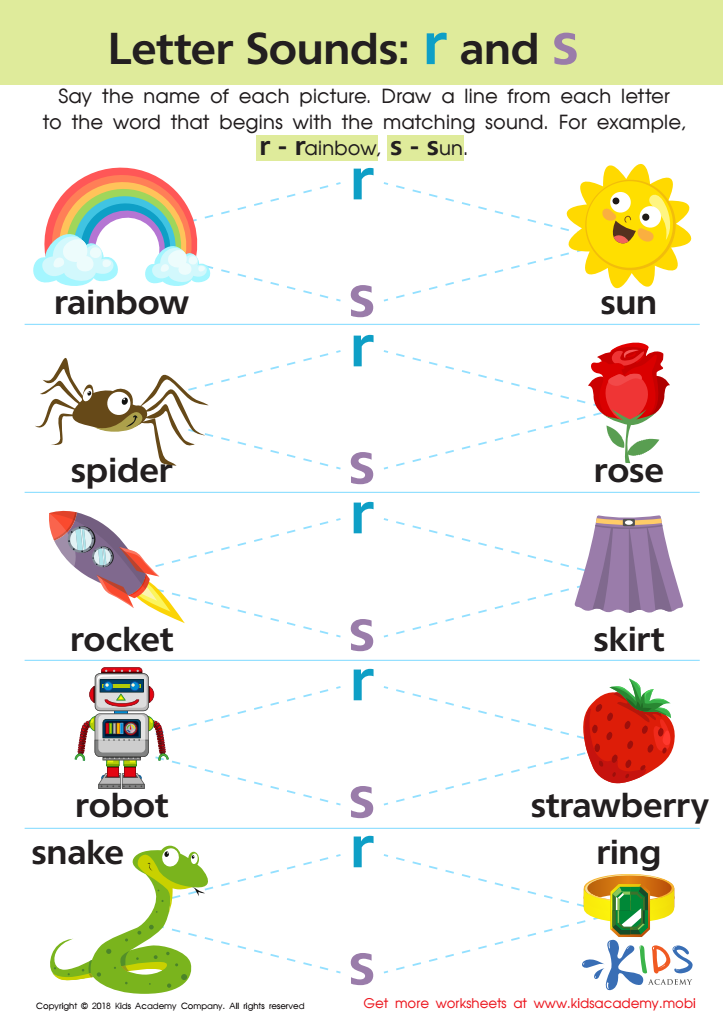
Letter R and S Sounds Worksheet
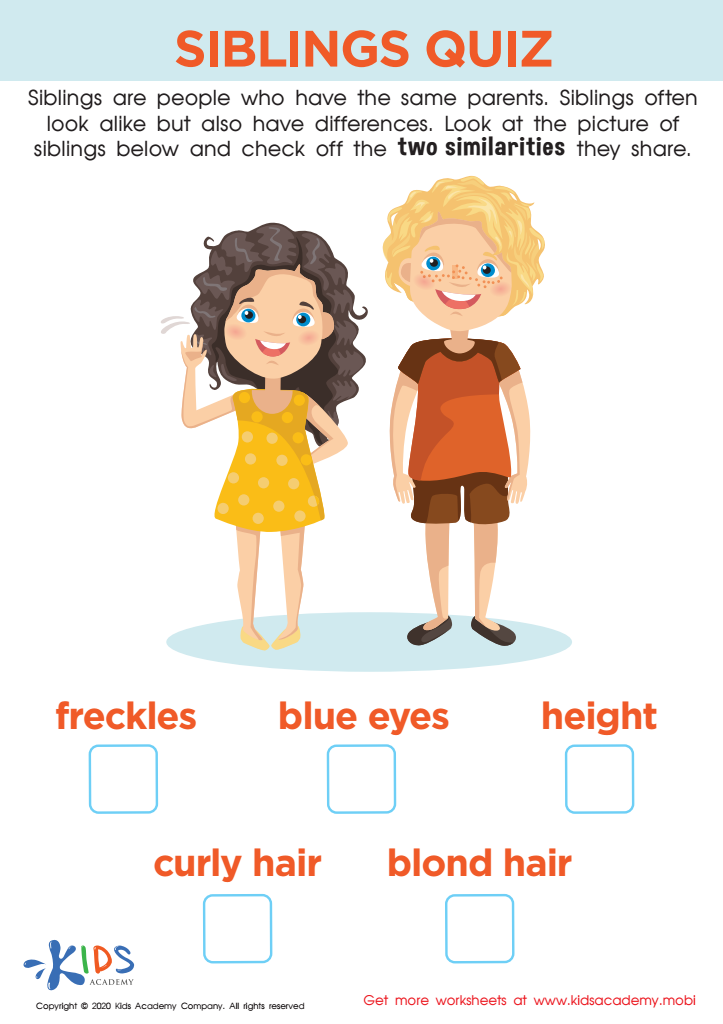
Siblings Quiz Worksheet
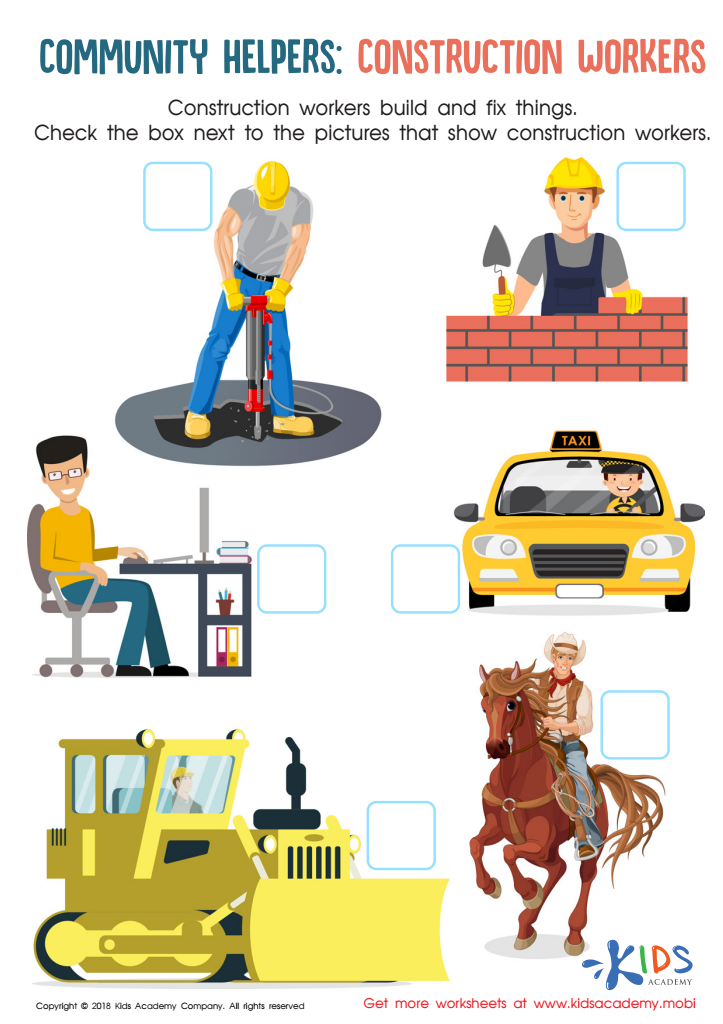
Construction Workers Community Helpers Worksheet
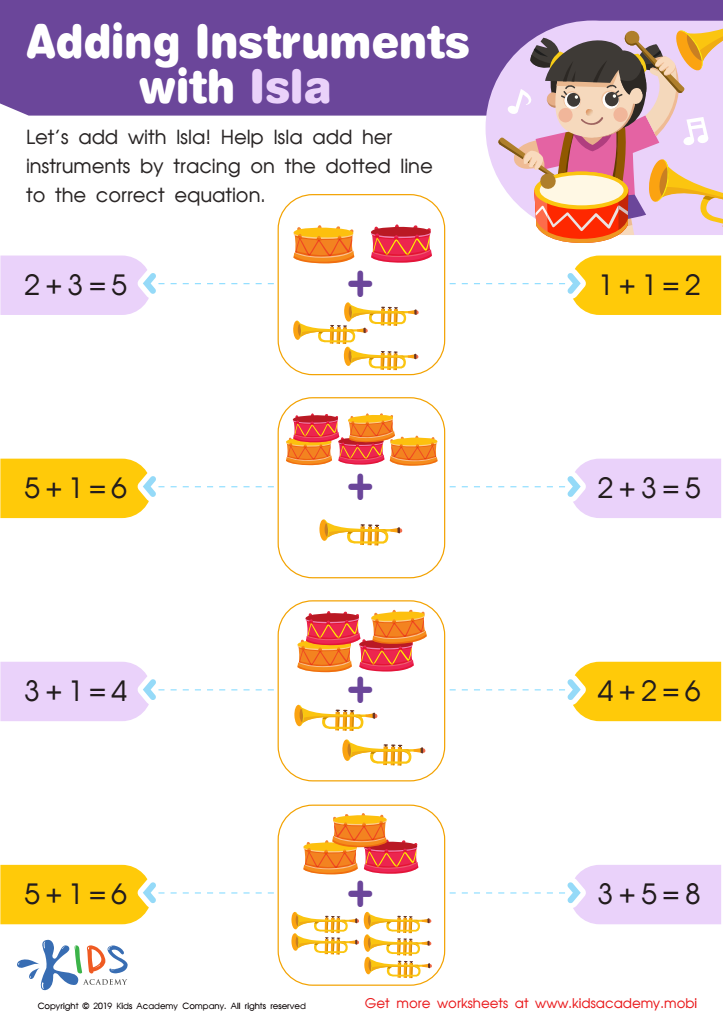
Adding Instruments with Isla Worksheet








Visual perception is a crucial component of a child’s development, especially for ages 5-6, as it profoundly impacts their ability to interpret and understand the world around them. For parents and teachers, fostering improvements in visual perception in these early years can facilitate numerous aspects of a child's growth, both academically and socially.
Firstly, strong visual perception skills are fundamental for reading and writing. Children with well-developed visual perception can better distinguish between letters and numbers, reducing the chances of common errors such as letter reversals. This skill plays a pivotal role in helping children learn to read more fluently and write more accurately, laying a solid foundation for academic success.
Secondly, visual perception aids in coordination and problem-solving skills. It allows children to make sense of spatial relationships, which is important for tasks ranging from simple puzzle solving to more complex activities that require hand-eye coordination. This improvement can lead to greater confidence and competence in physical activities and everyday tasks.
Additionally, fostering visual perception can enhance social interactions. Children who can visually process facial expressions and non-verbal cues are better equipped to navigate social situations, understand emotions, and build positive relationships with peers.
Therefore, parents and teachers alike should prioritize visual perception improvement to unlock a child’s full potential and ensure holistic development during these formative years.








