Counting skills Normal Numbers Worksheets for Ages 5-6 - Page 3
63 filtered results
-
From - To
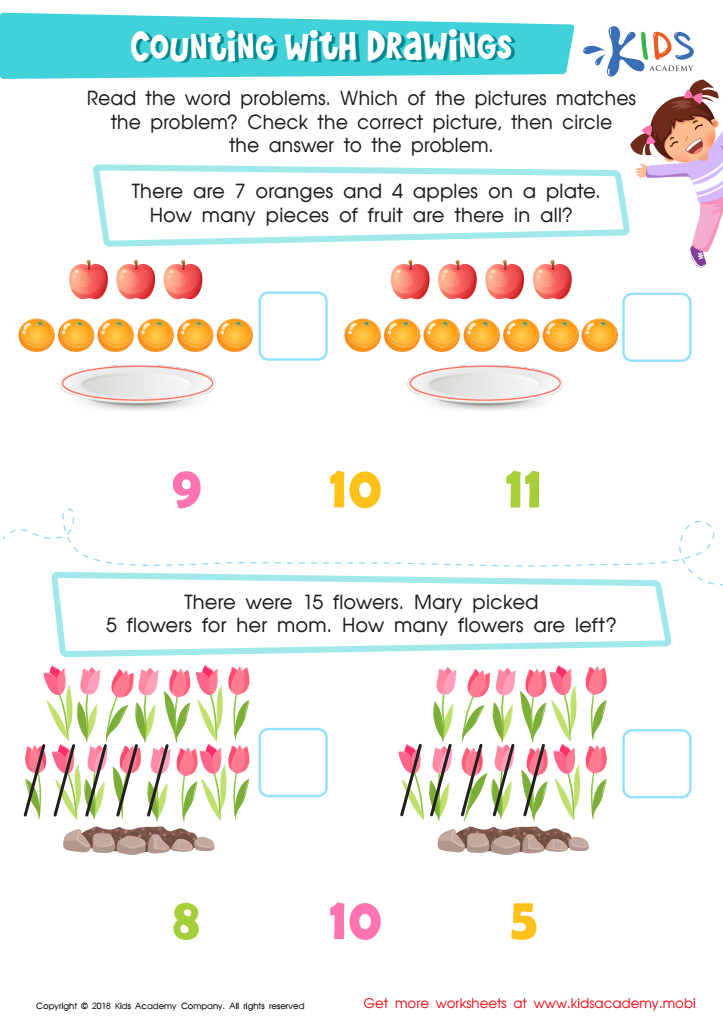
Counting with Drawings:Fruits & Flowers Worksheet
 Assign to My Students
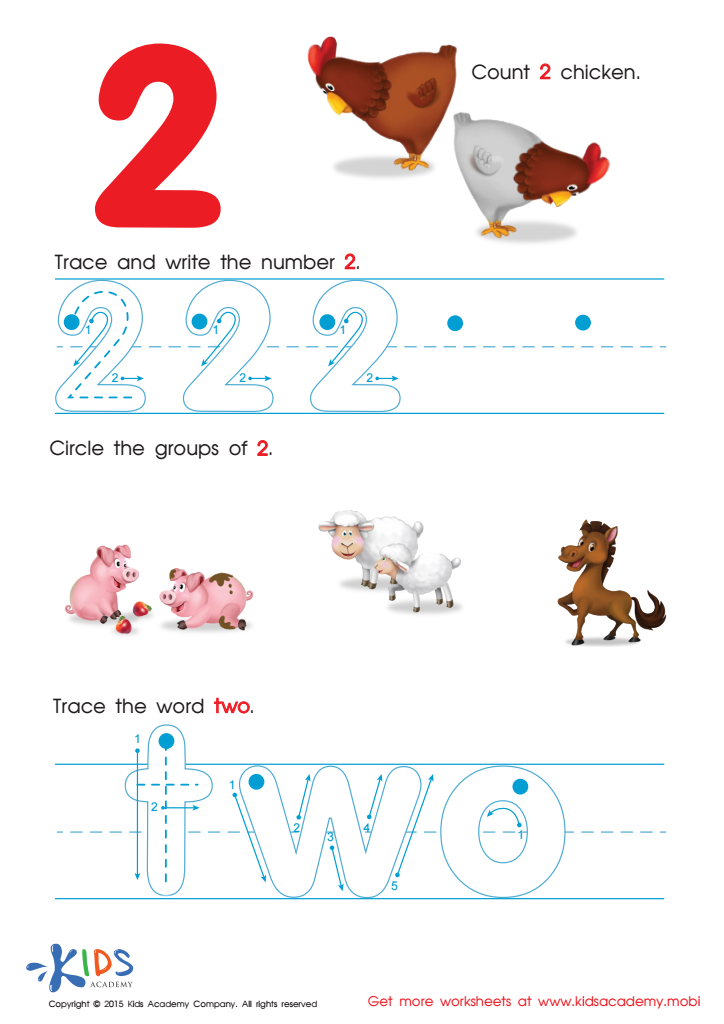
Learn to Write the Number 2 Worksheet

Ten in the Bed Worksheet
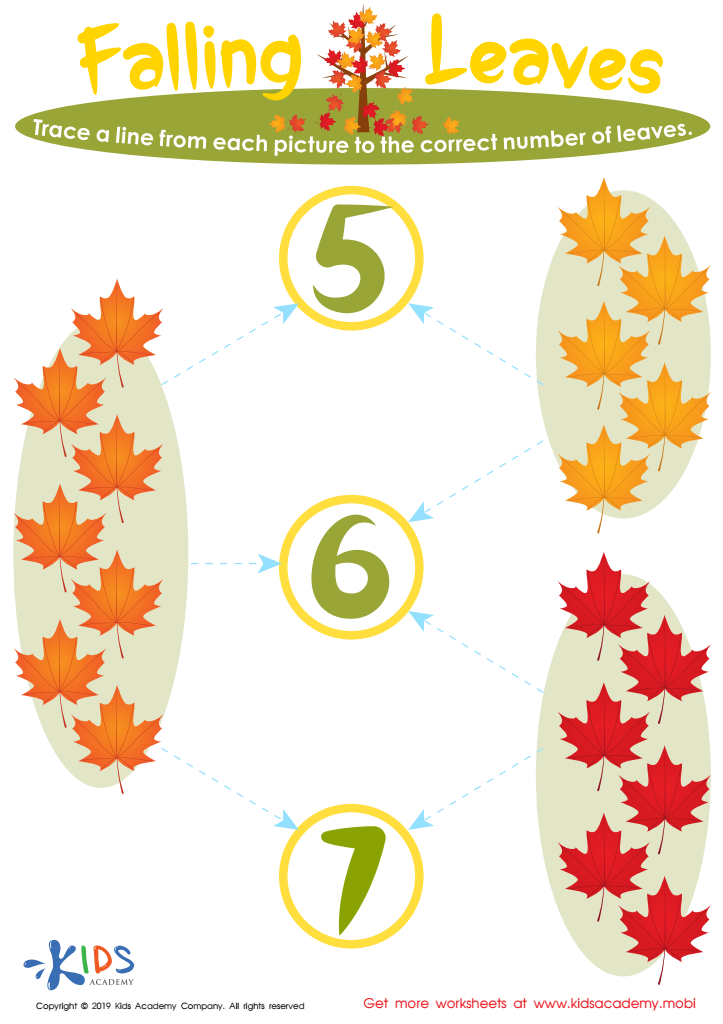
Falling Leaves Worksheet
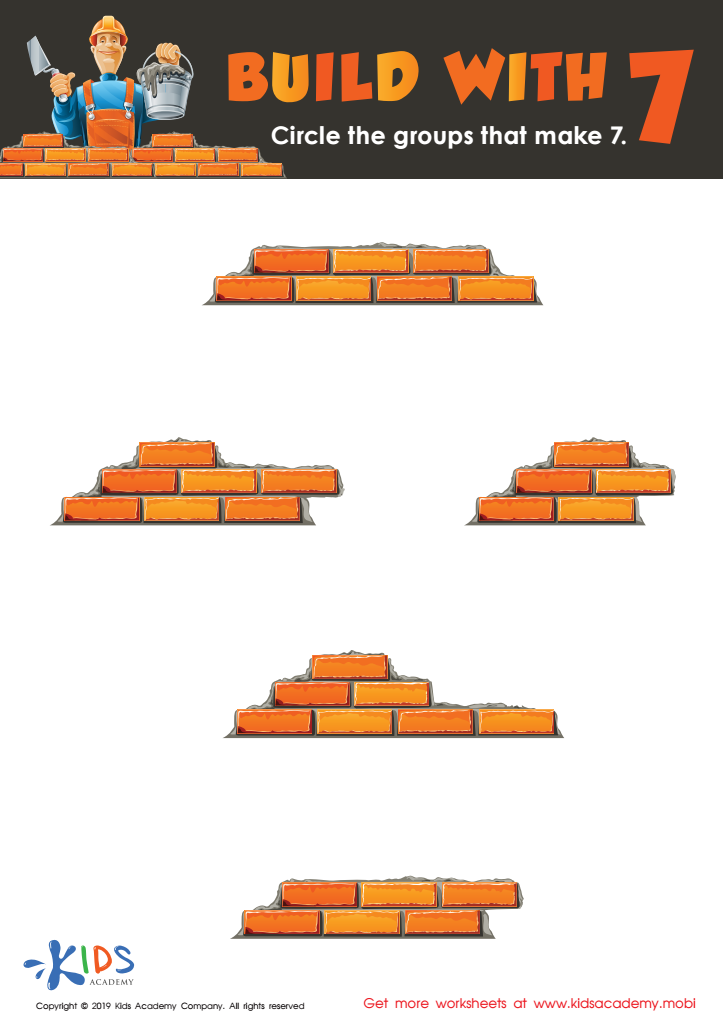
Build with 7 Worksheet

Count and Match Vegetables 1 – 5 Math Worksheet
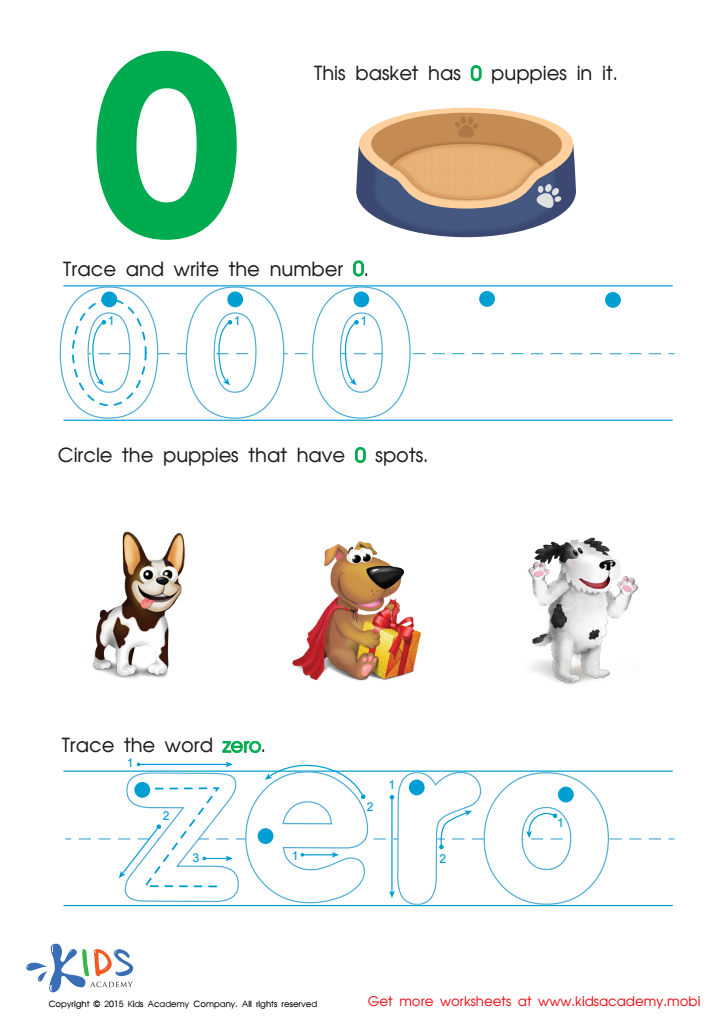
Trace And Write Number 0 Worksheet
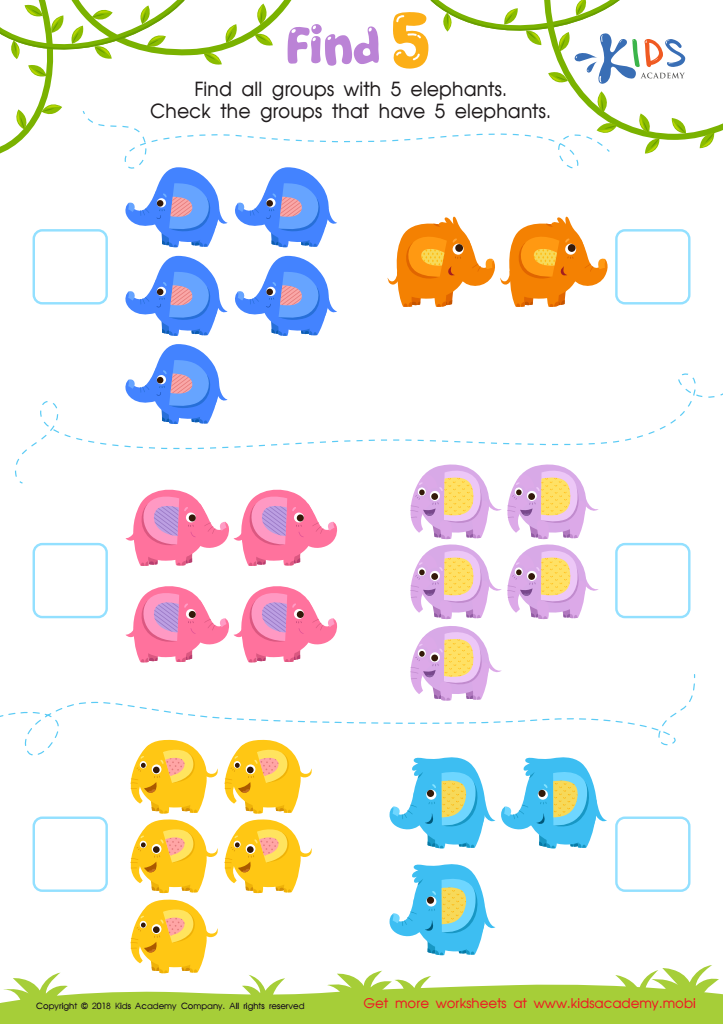
Find 5 Worksheet
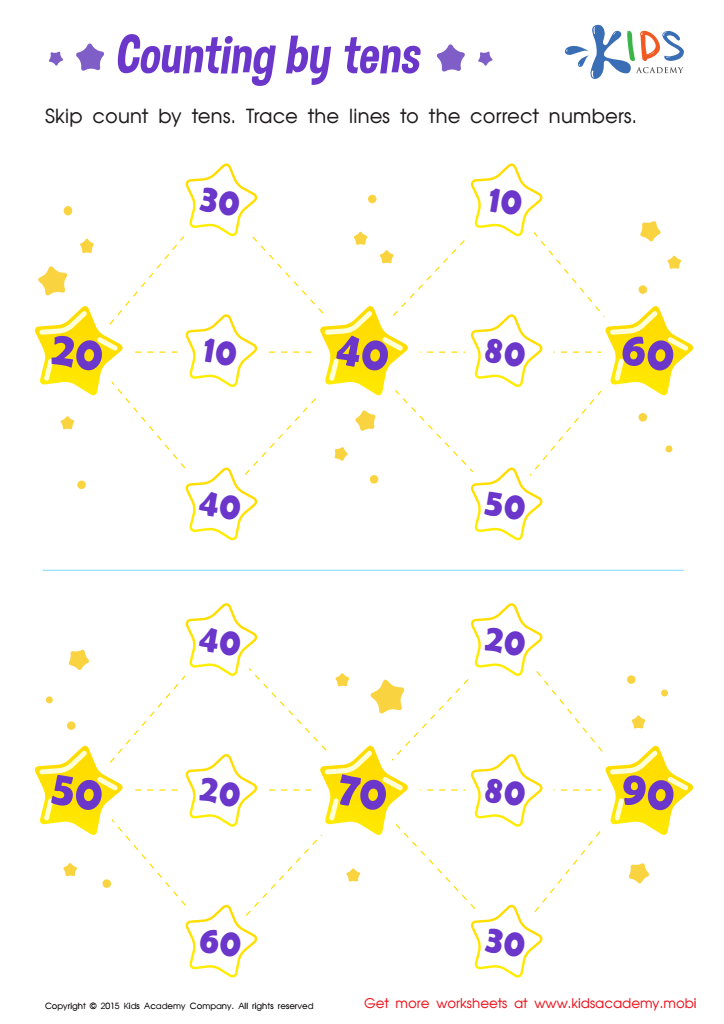
Learn Dozens: Counting by Tens Printable
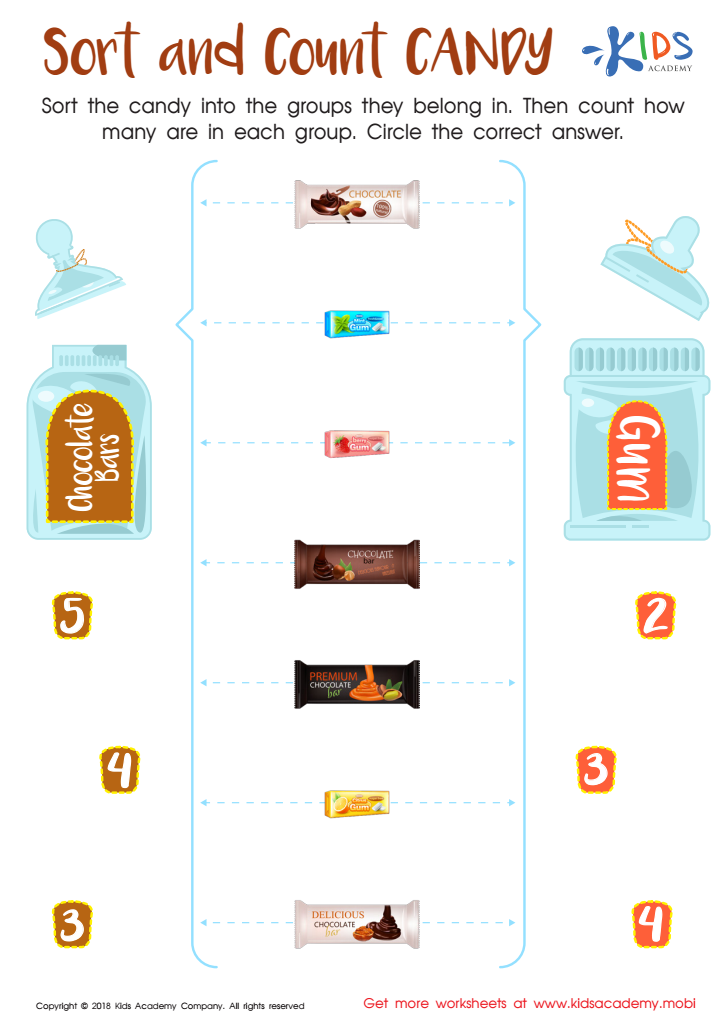
Sort and Count Candy Worksheet
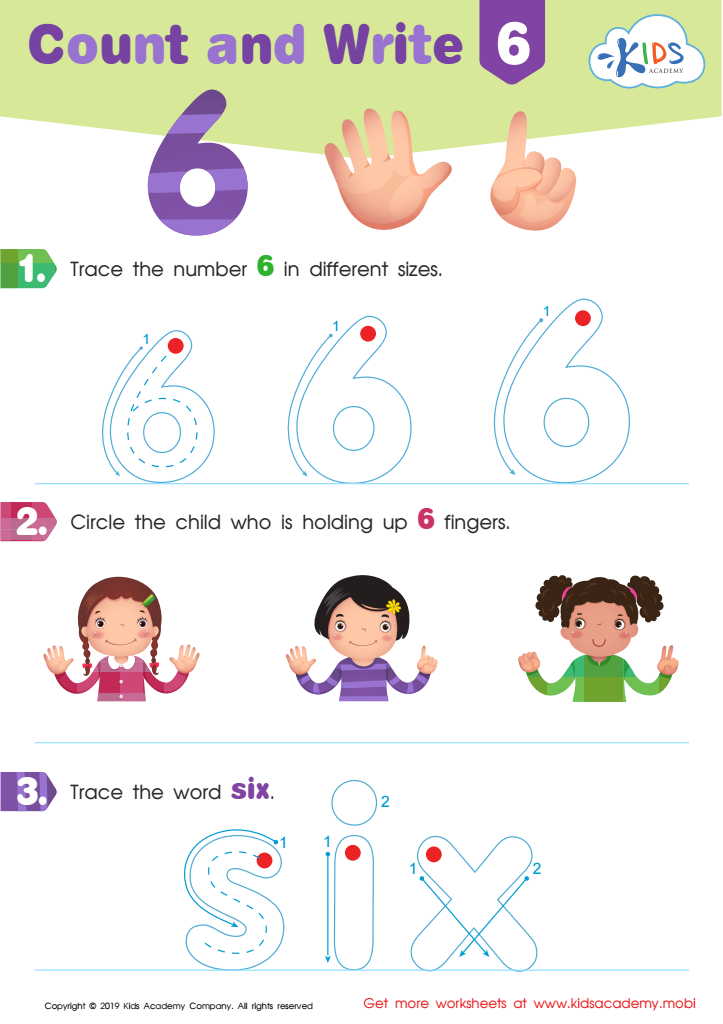
Count and Write 6 Worksheet
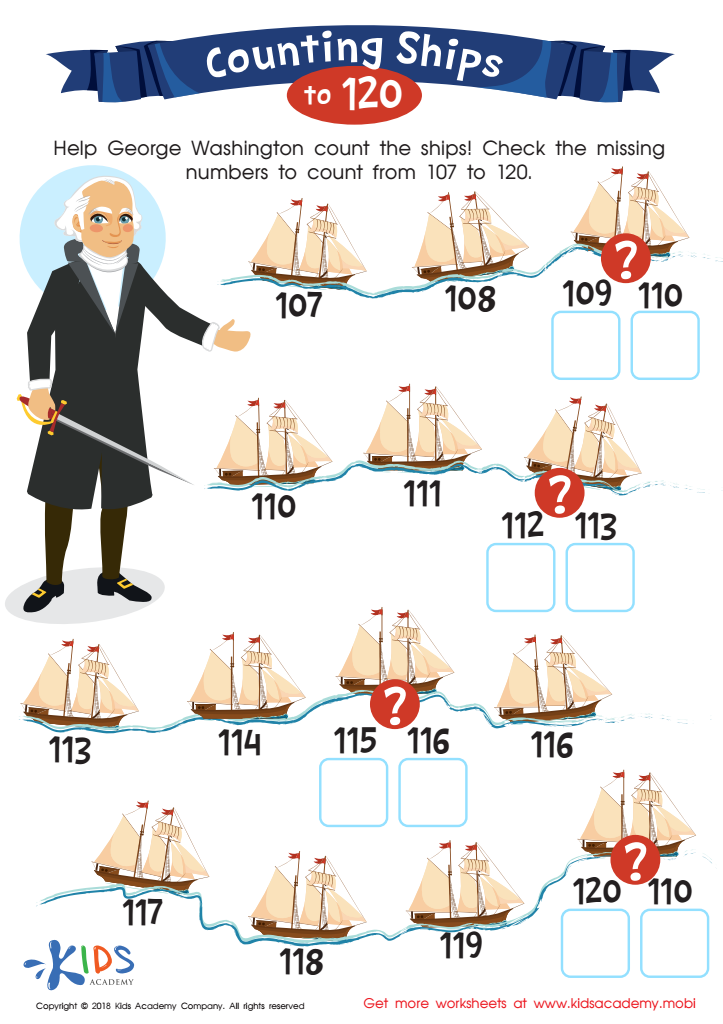
Counting Ships to 120 Worksheet
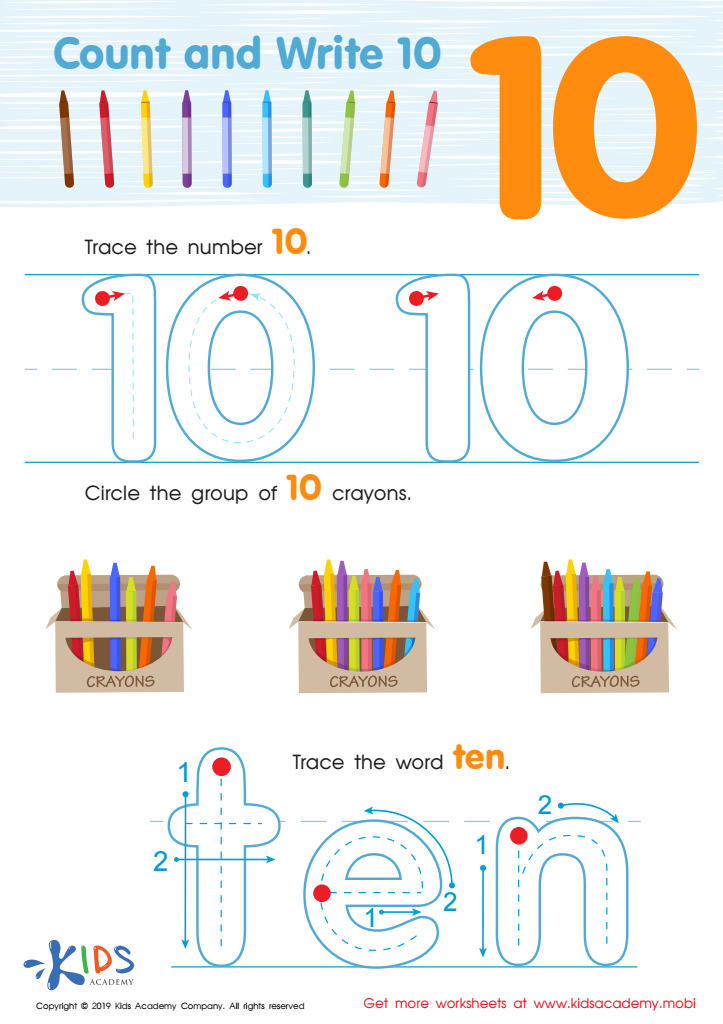
Count and Write 10 Worksheet
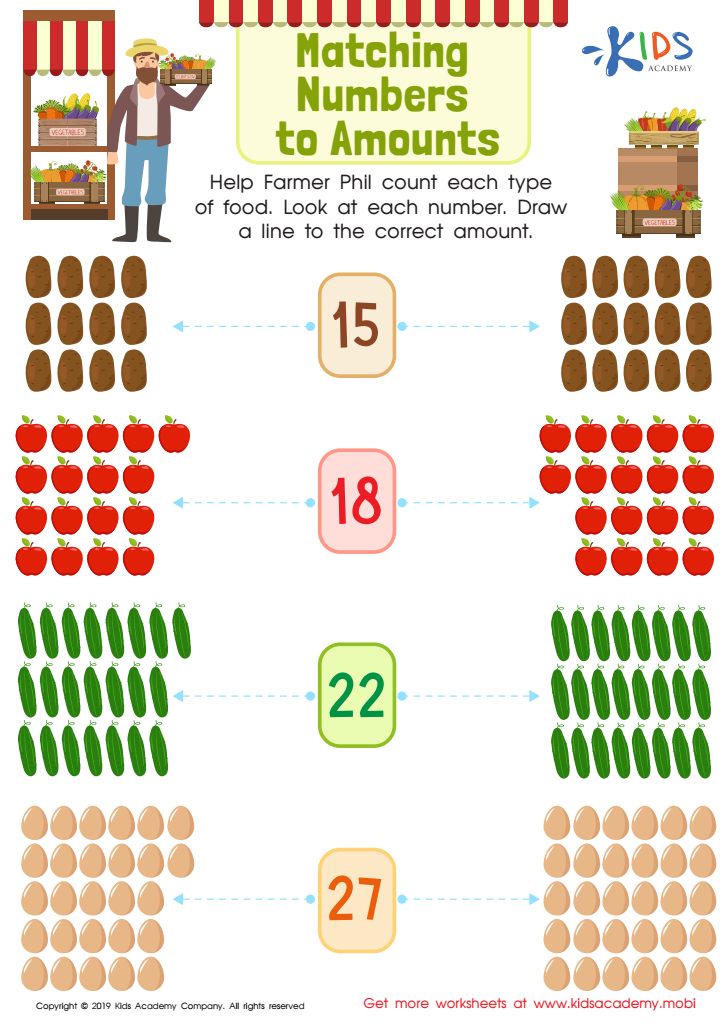
Matching Numbers to Amounts Worksheet
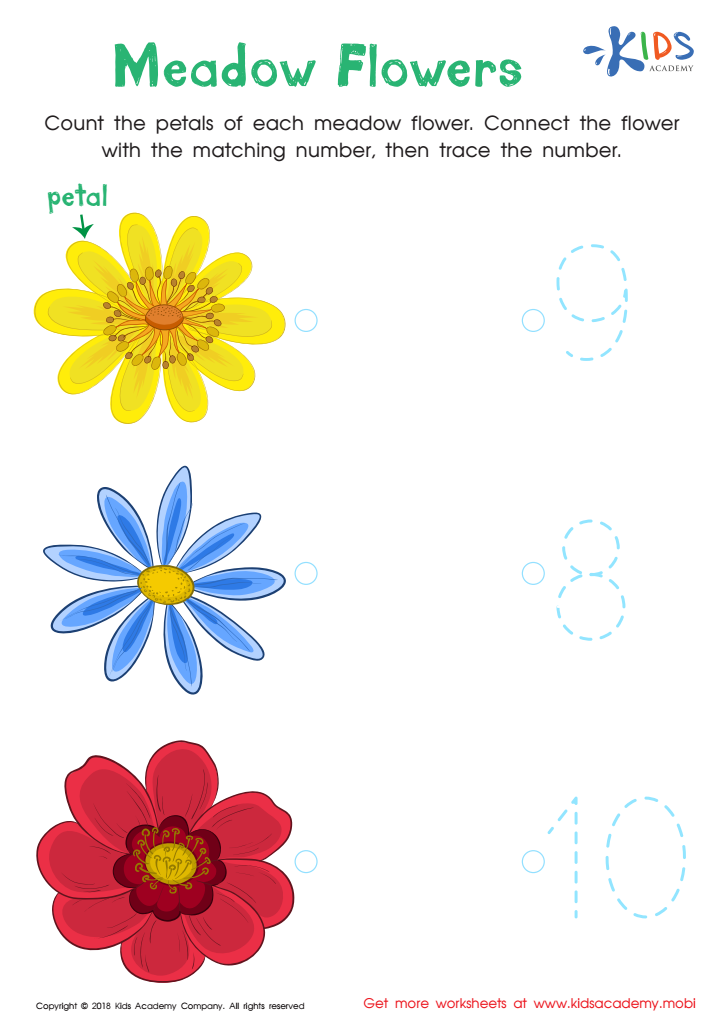
Kindergarten Number Tracing: Medow Flowers Worksheet




.jpg)



Parents and teachers should be highly invested in cultivating counting skills in children aged 5-6 due to the foundational role these skills play in future mathematical understanding and academic success. At this developmental stage, counting facilitates a child's grasp of basic number concepts, including recognition, order, and the relationship between numbers. Ensuring that children can count confidently benefits cognitive development, helping them solve more complex problems later on, such as addition, subtraction, and eventually, algebra.
Counting isn't solely an academic exercise; it plays a crucial role in everyday life skills. Accurate counting helps children understand quantities, compare items, and make decisions based on numerical information, which is essential for mundane activities like cooking, shopping, or even playing games. As children read and vacation with success at one-to-one correspondence—each object counted once—they also bolster their memory and attention span, both vital for lifelong learning.
Moreover, early exposure to counting nurtures enjoyment and curiosity about math, fostering a positive attitude toward learning. This positive disposition can diminish math anxiety, making children more inclined to tackle mathematical challenges with confidence. Overall, a strong foundation in counting sets the stage for educational achievement and practical life skills, which are invaluable as children grow older.








