Problem-Solving Skills Normal Matching Worksheets for Ages 5-6
5 filtered results
-
From - To
Introducing our engaging "Problem-Solving Skills Normal Matching Worksheets" designed specifically for ages 5-6! Foster early cognitive development with fun and interactive matching activities that enhance critical thinking and problem-solving abilities. Perfect for home or classroom use, each worksheet encourages young learners to find and match items based on patterns, similarities, and logical connections. These exercises not only strengthen math and reasoning skills but also boost confidence as kids successfully navigate each challenge. Download now to make learning an enjoyable adventure for your little ones! Explore more at Kids Academy.
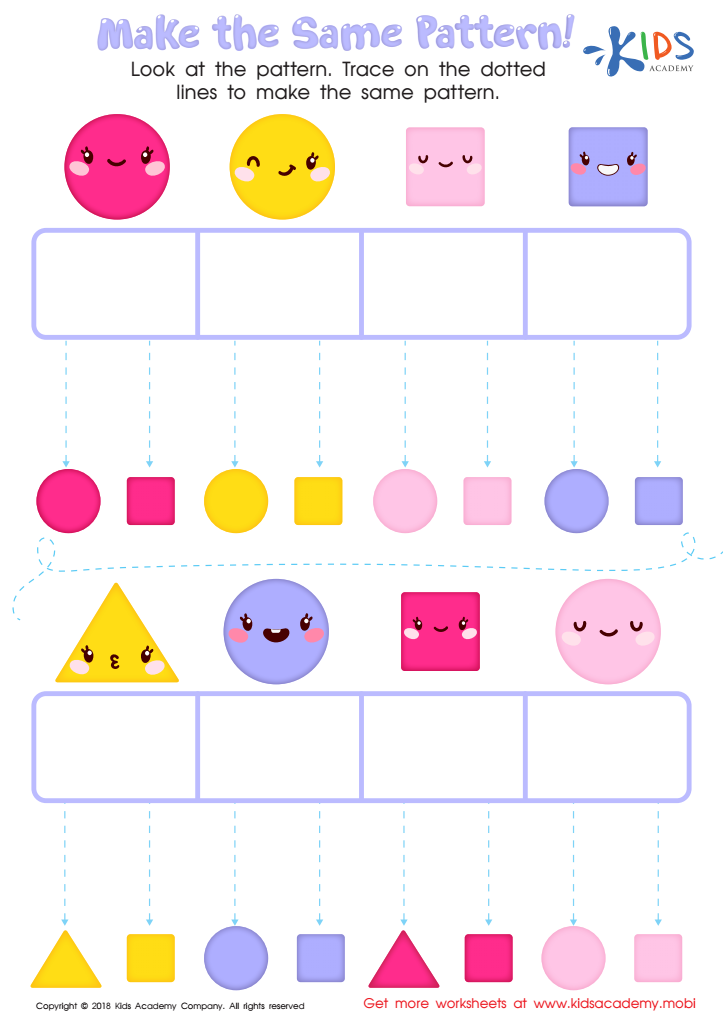
Make the Same Pattern Worksheet
 Assign to My Students
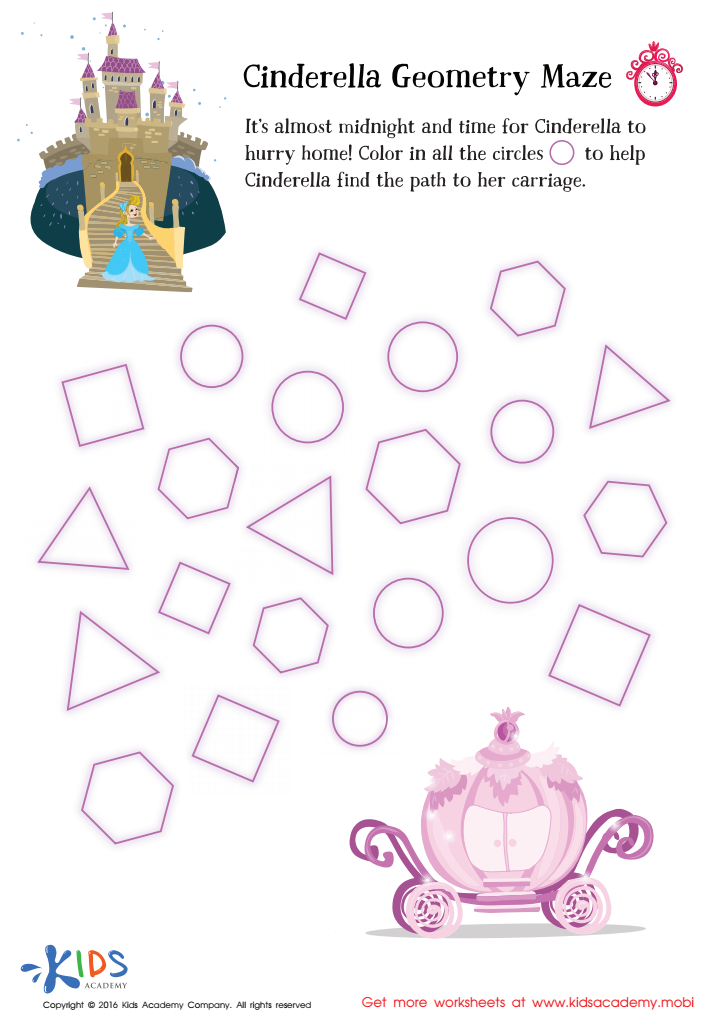
Cinderella Geometry Maze Worksheet
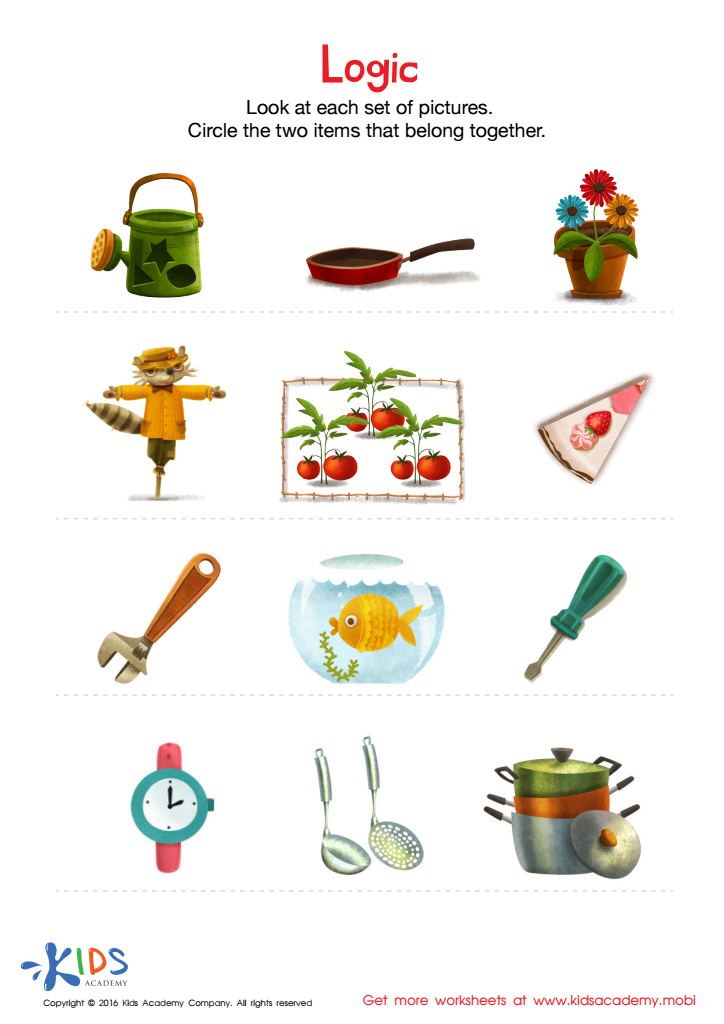
Logic Game Sorting Worksheet
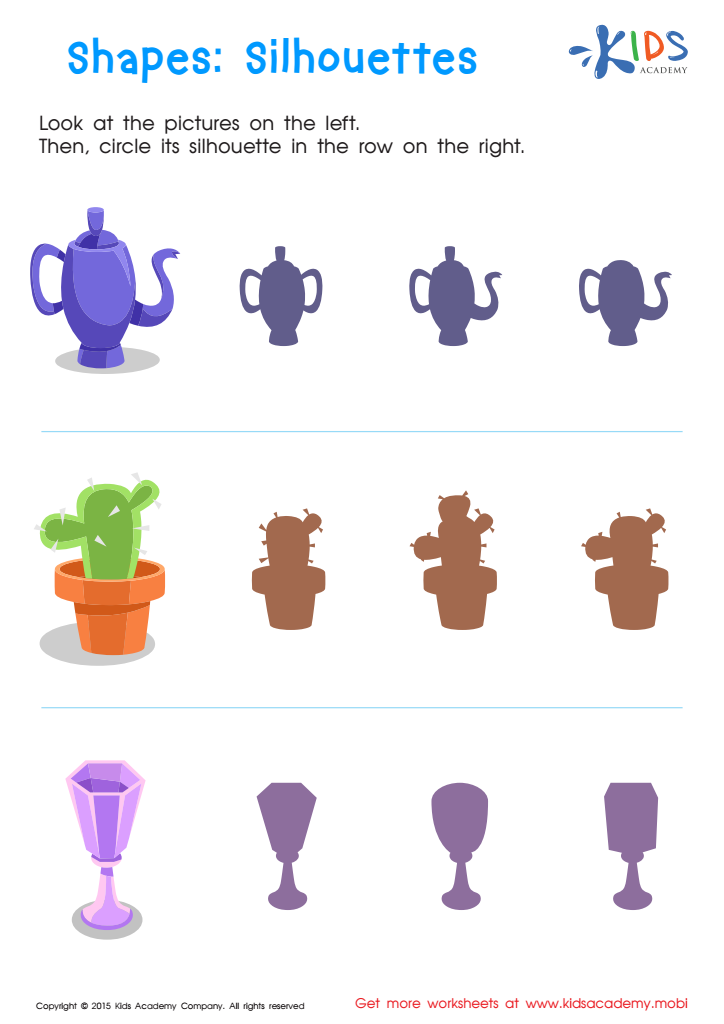
Silhouettes – Shapes Worksheet
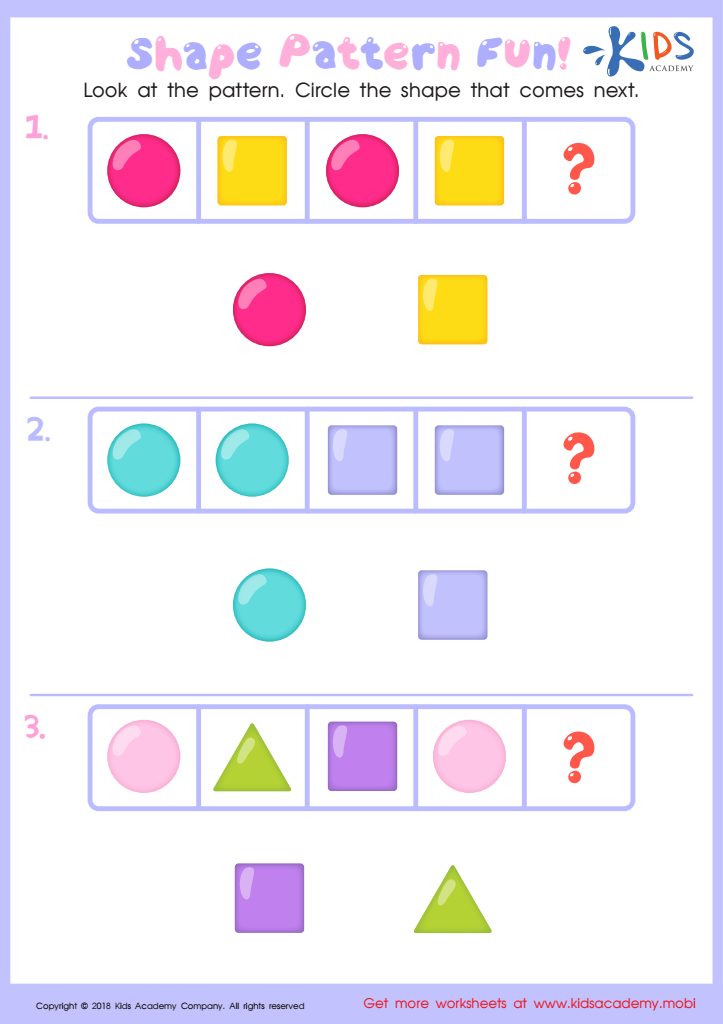
Shape Pattern Fun Worksheet








Problem-solving skills are crucial for young children's cognitive and social development. For ages 5-6, these skills can be fostered through normal matching activities, which involve pairing similar items, patterns, or concepts. Parents and teachers should care about developing these abilities in early childhood for several reasons.
First, problem-solving enhances critical thinking. Children learn to analyze situations, identify relationships, and make decisions. This cognitive exercise improves their analytical and reasoning skills, laying a strong foundation for complex problem-solving in later years.
Second, developing these skills encourages independence and confidence. When children successfully solve matching problems, they gain a sense of accomplishment, reinforcing the idea that perseverance and effort pay off. This builds their self-esteem and confidence in tackling future challenges.
Third, these activities enhance social skills. Often, problem-solving tasks require collaboration, teaching children how to communicate, share ideas, and work in a team. Through interaction, children learn the art of negotiation and empathy, which are vital for social co-existence.
Lastly, early problem-solving skills are a predictor of academic success. They are closely linked with mathematics and literacy abilities, influencing overall academic performance. In sum, nurturing problem-solving through normal matching is integral for holistic development and future learning readiness.