Number Recognition Normal Numbers up to 100 Worksheets for Ages 5-6
13 filtered results
-
From - To
Discover our engaging Number Recognition Worksheets designed specifically for children aged 5-6, focusing on normal numbers up to 100. These printable worksheets help young learners develop essential counting and number recognition skills through fun and interactive activities. Each worksheet features colorful illustrations and easy-to-understand tasks that promote active learning. From matching numbers to tracing and identifying, your child will enhance their numerical proficiency while enjoying the learning process. Perfect for homeschooling, classroom use, or supplemental practice, our worksheets are tailored to make mastering number recognition both enjoyable and effective. Start building a strong numerical foundation with our resourceful materials today!
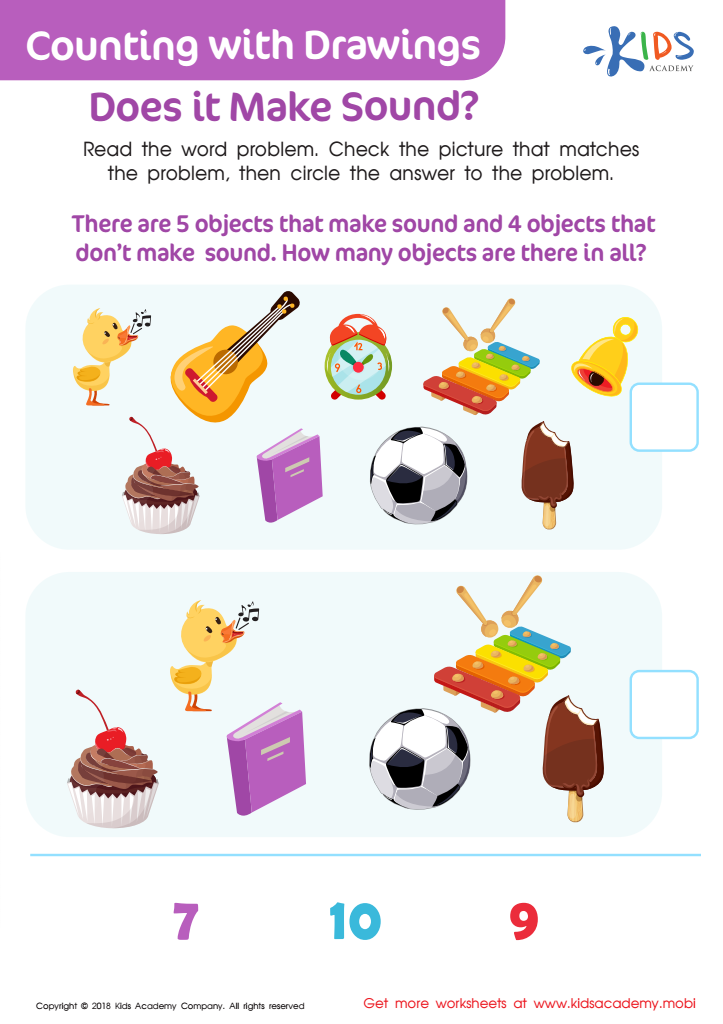
Counting With Drawings. Does It Make Sound? Worksheet
 Assign to My Students
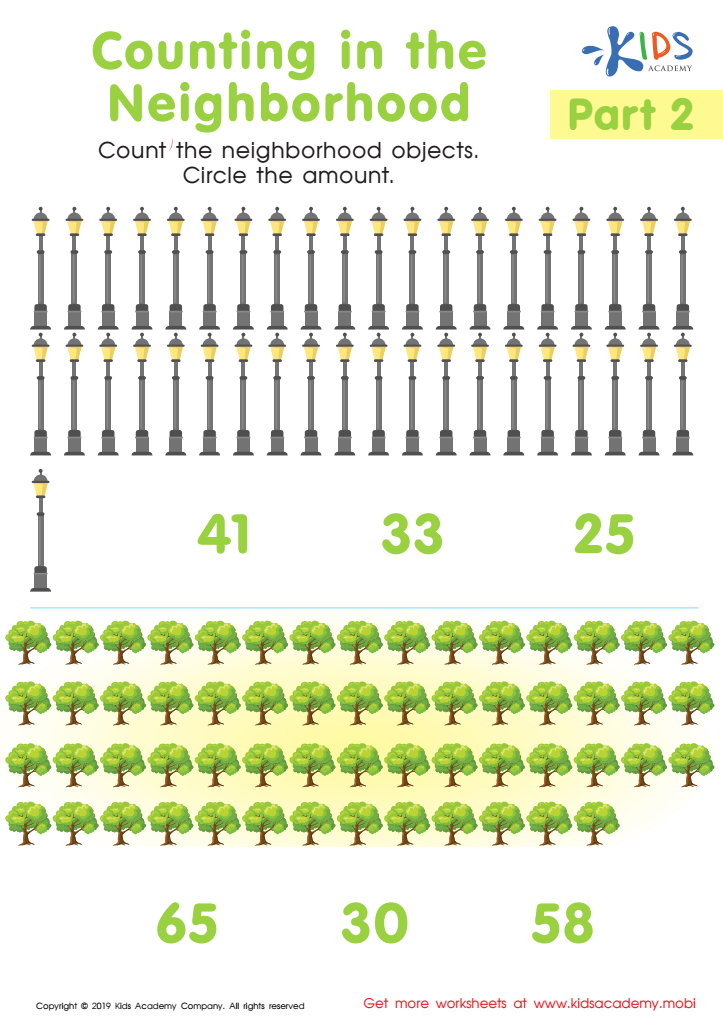
Counting In The Neighborhood Part 2 Worksheet
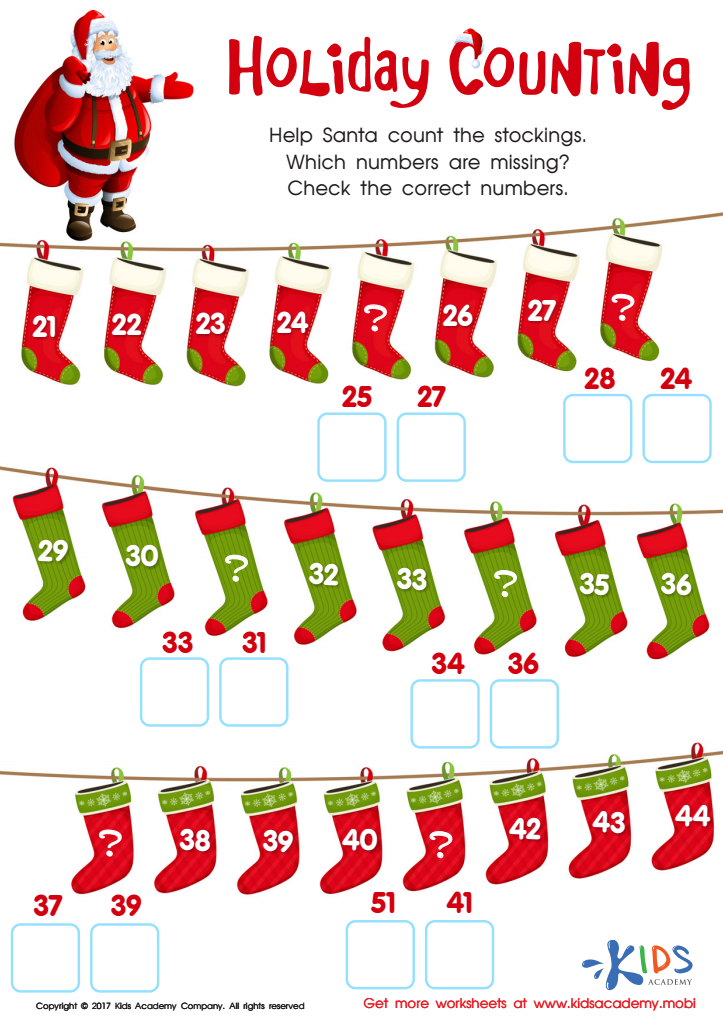
Holiday Counting Worksheet
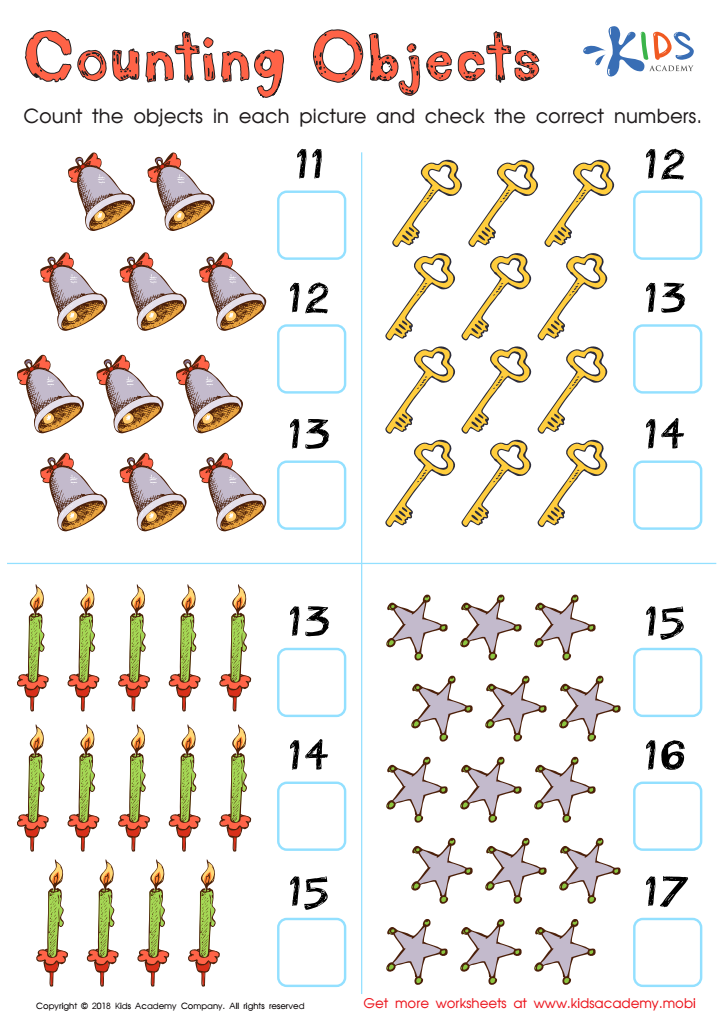
Counting Numbers Worksheet For Kindergarten
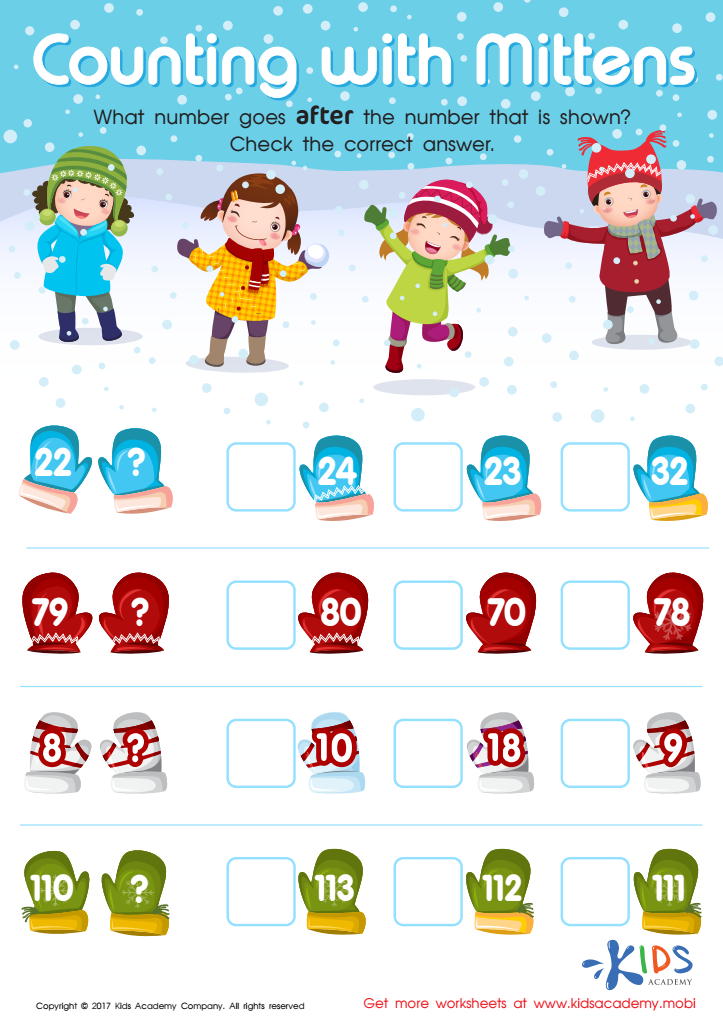
Counting with Mittens Worksheet
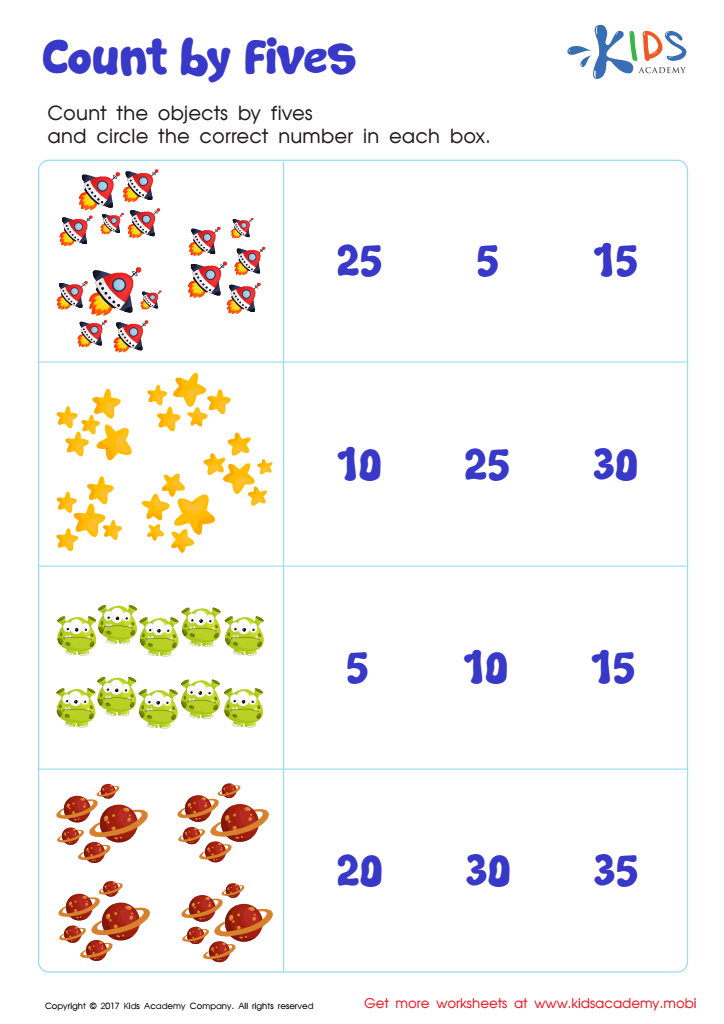
Skip Counting by 5s: Space Math Printable
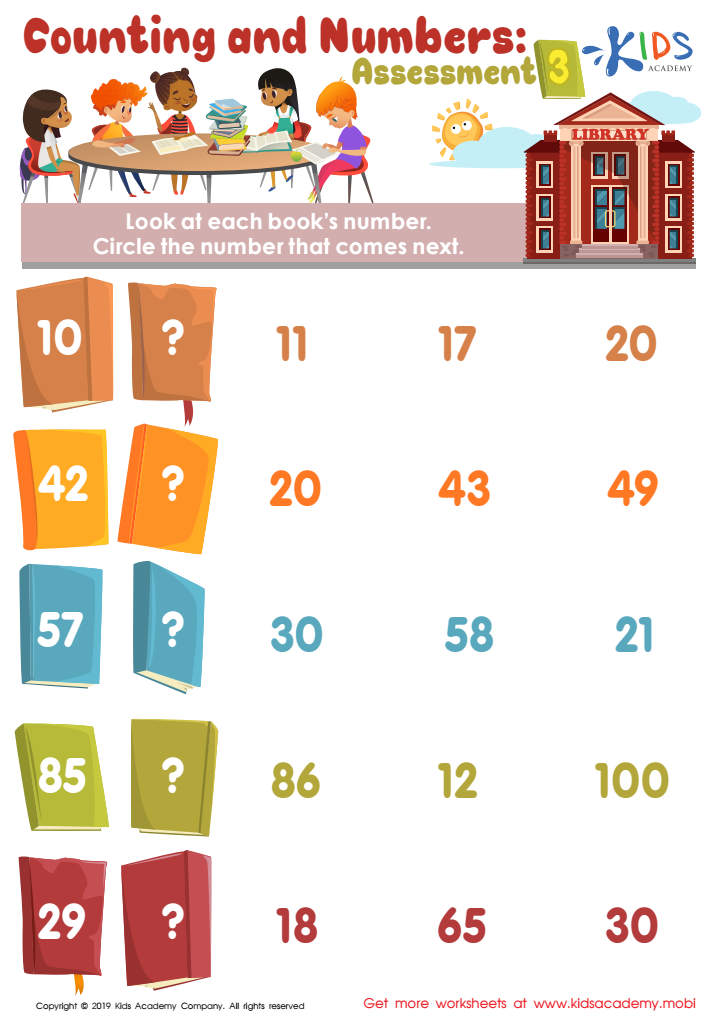
Counting and Numbers: Assessment Worksheet
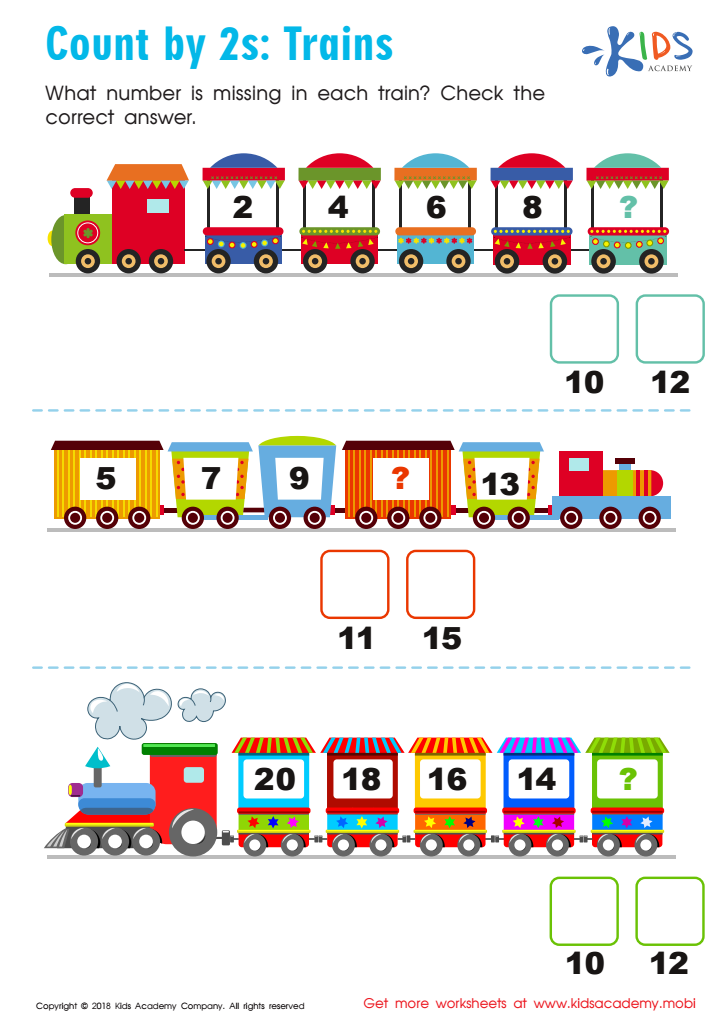
Count by 2's: Trains Worksheet
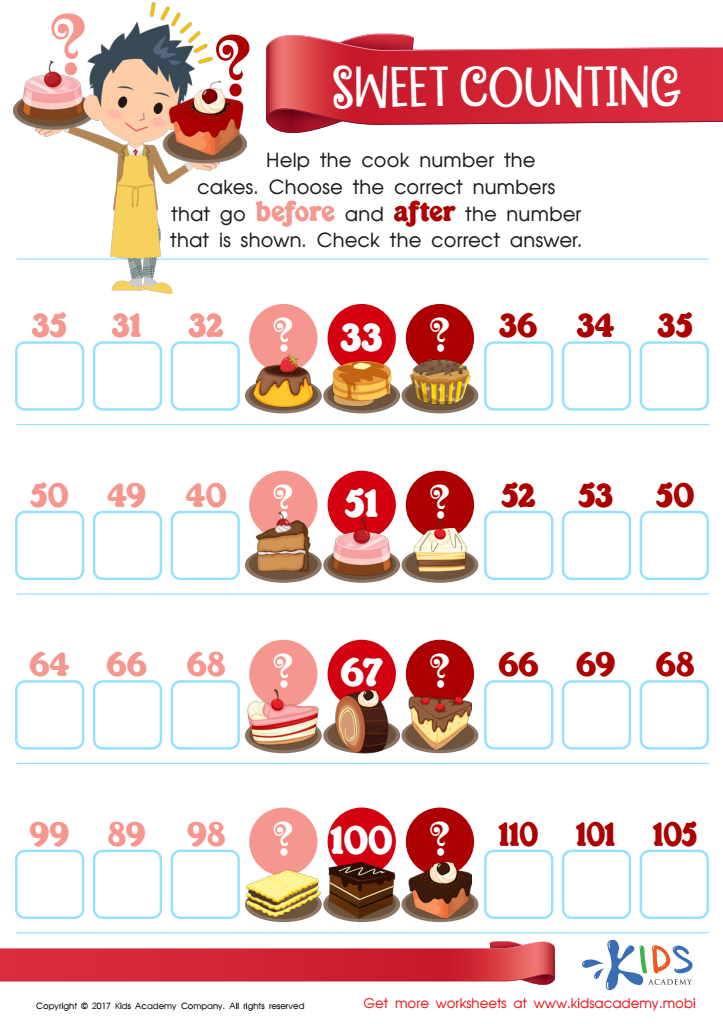
Sweet Counting - Part 1 Worksheet
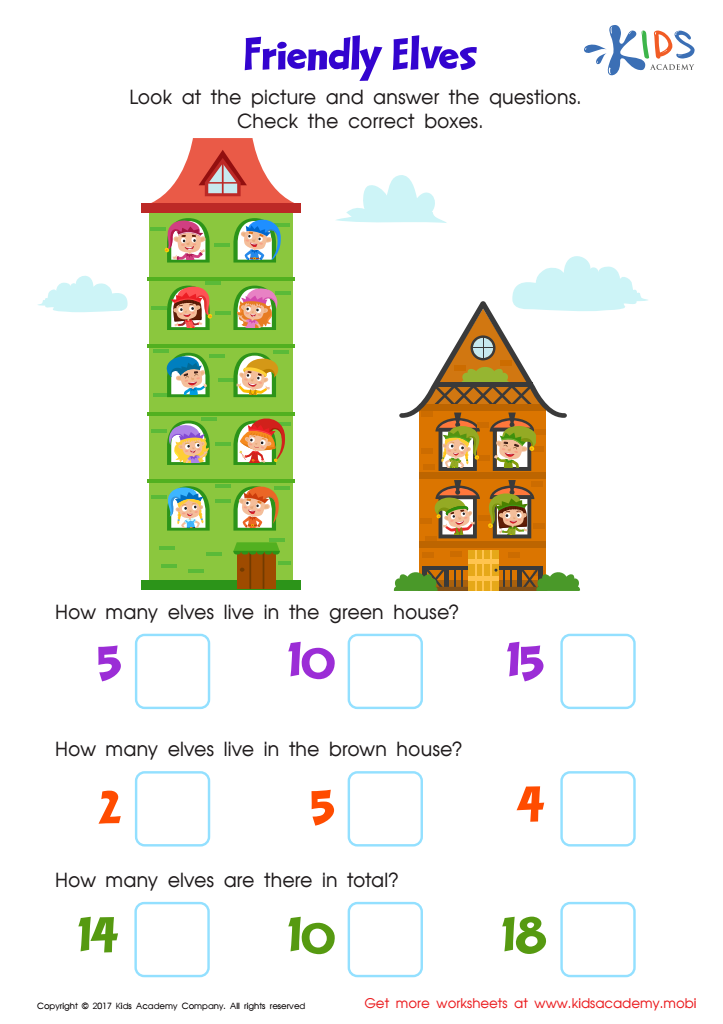
Place Value: Friendly Elves Worksheet
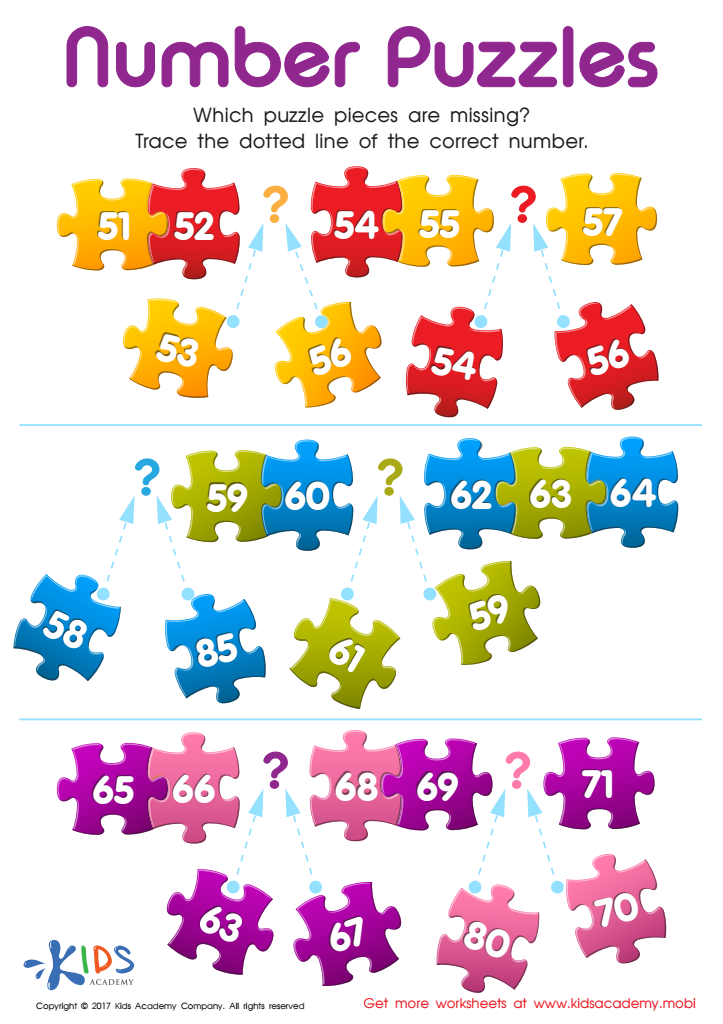
Number Puzzles Worksheet
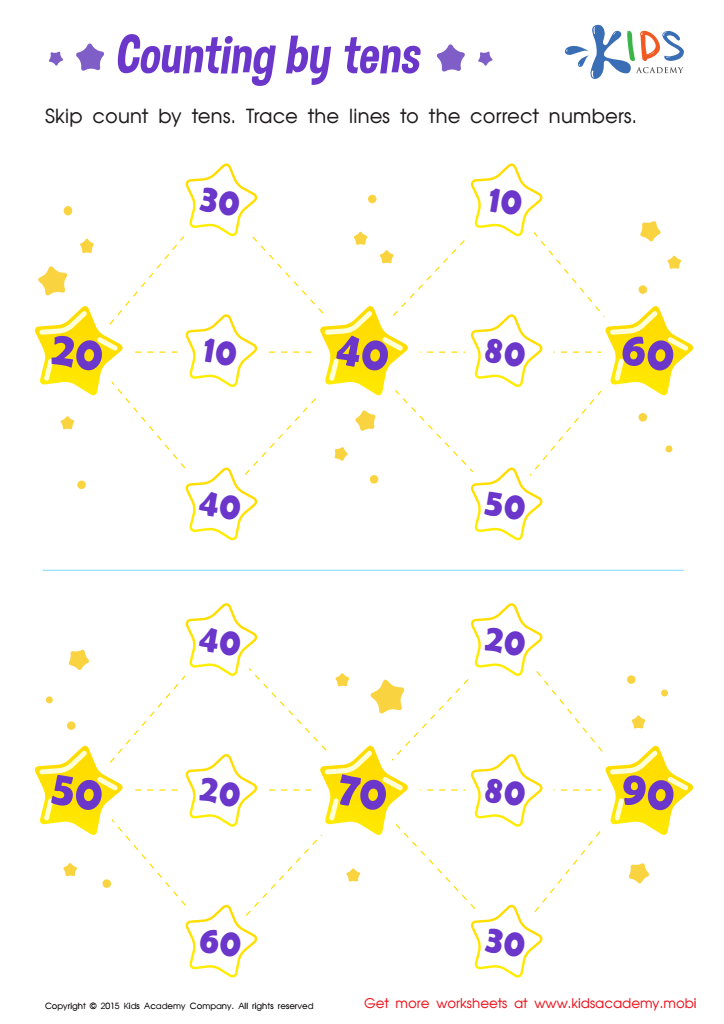
Learn Dozens: Counting by Tens Printable
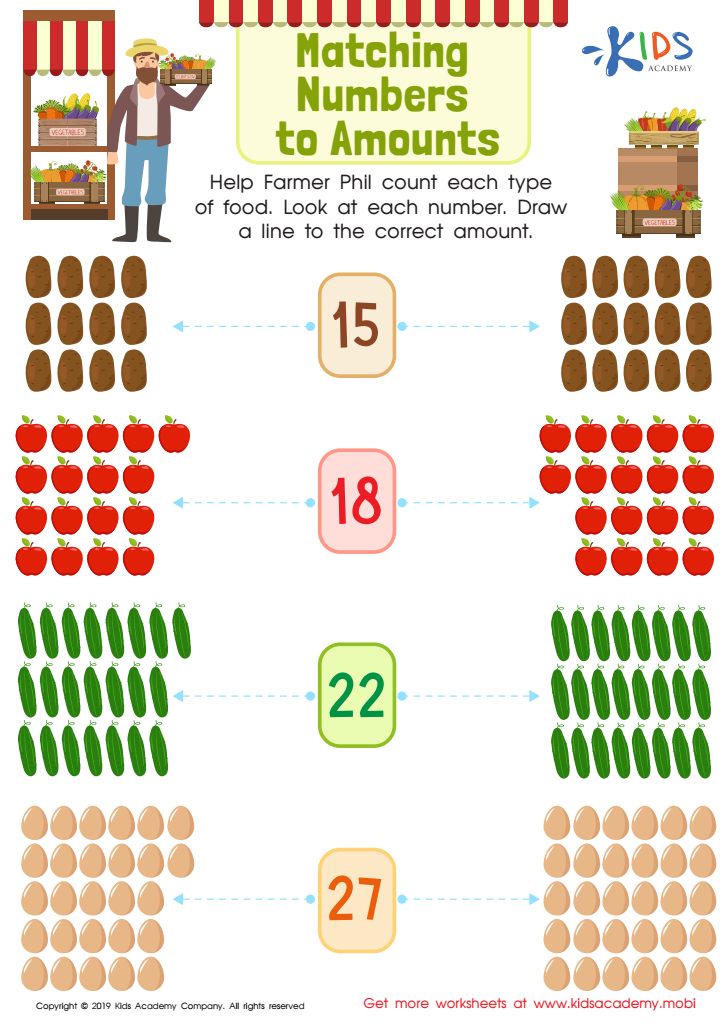
Matching Numbers to Amounts Worksheet




%20(1).jpg)



Number recognition is a fundamental skill that plays a crucial role in early childhood development, particularly for children aged 5-6. Parents and teachers should prioritize this skill for several reasons. First, understanding numbers up to 100 forms the foundation for essential mathematical concepts such as counting, addition, and subtraction. When children can recognize numbers, they can engage more readily in math-related activities, laying the groundwork for future academic success.
Second, number recognition fosters cognitive development and boosts confidence. Mastering this skill helps children develop critical thinking as they learn to recognize patterns and relationships between numbers. Additionally, children often experience a sense of accomplishment when they can identify and interact with numbers, enhancing their self-esteem and motivation.
Third, number recognition ties into daily life, where numbers appear in various contexts, from telling time to managing money. Engaging children in real-world applications reinforces learning and shows them the practical importance of numbers.
Lastly, early number recognition aligns with educational standards and prepares children for more advanced mathematical concepts. By nurturing this skill, parents and teachers can significantly influence children’s academic journeys, ensuring they are well-equipped for future learning.