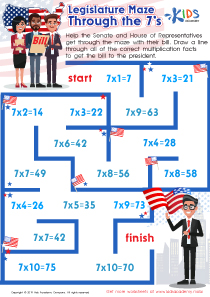
Reading comprehension Normal Social Studies Worksheets for Ages 5-6 - Page 2
34 filtered results
-
From - To
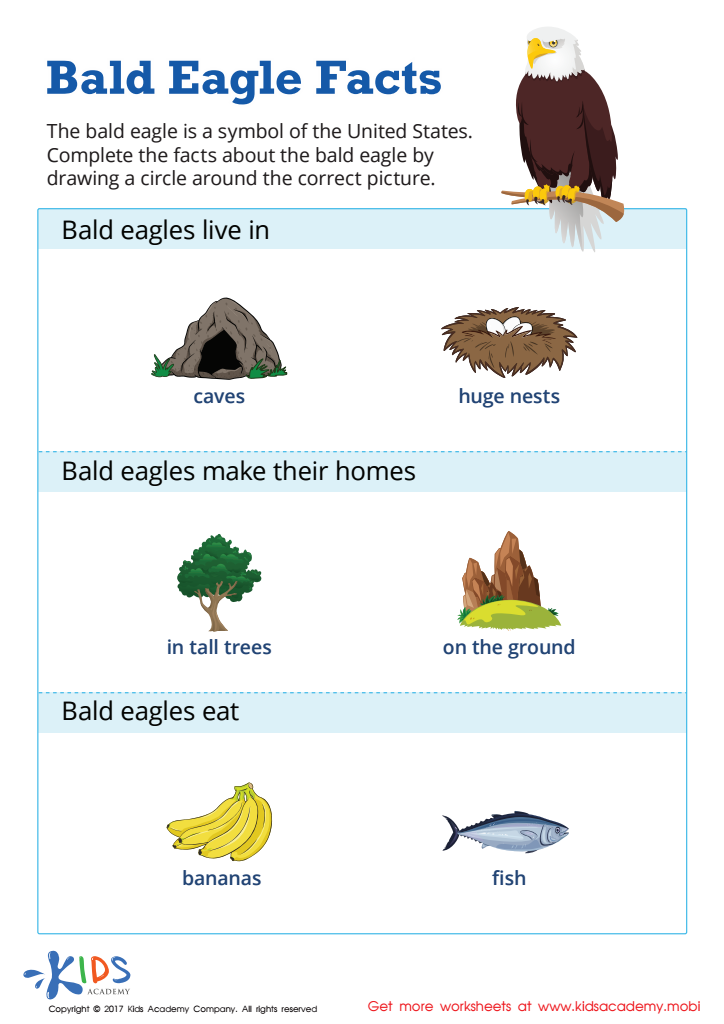
Bald Eagle Facts Worksheet
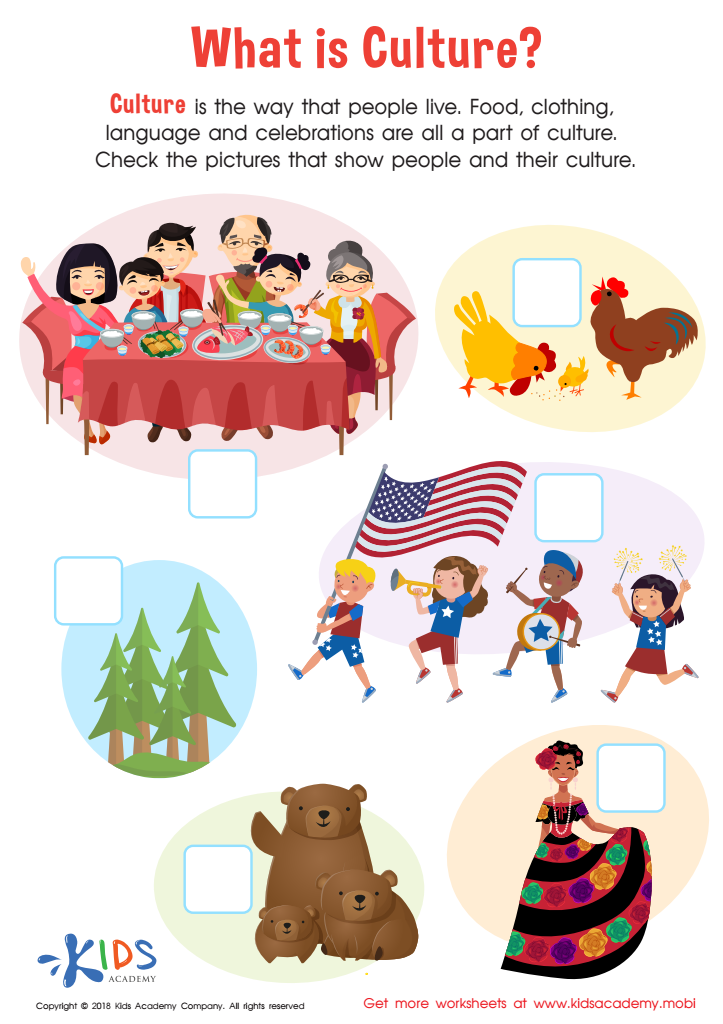
What Is Culture? Worksheet
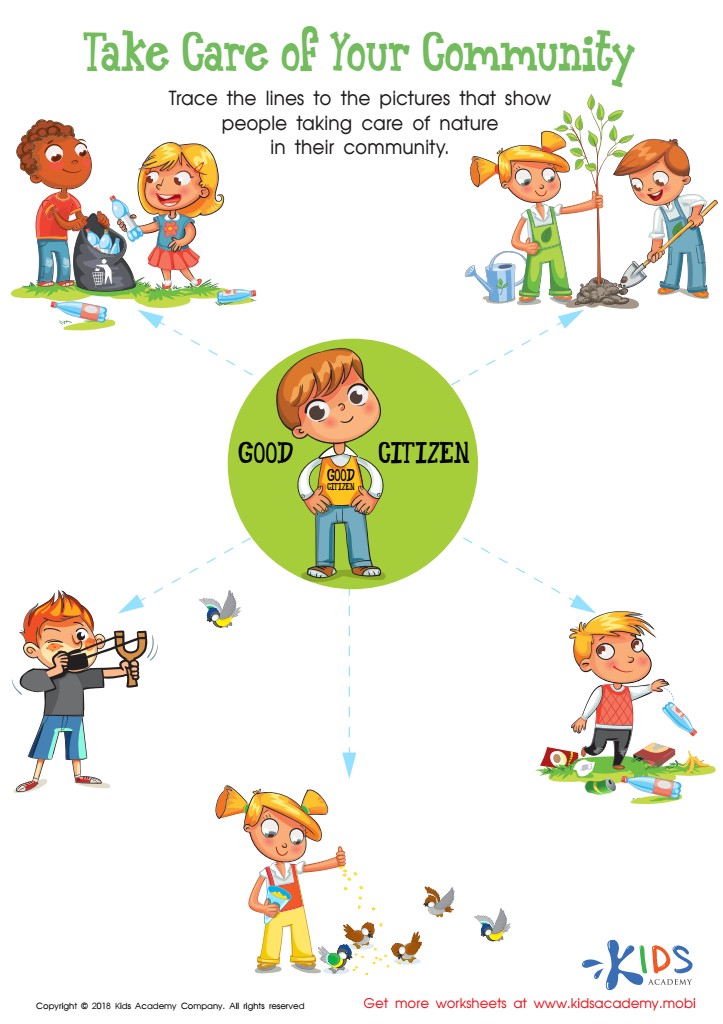
Take Care of your Community Worksheet
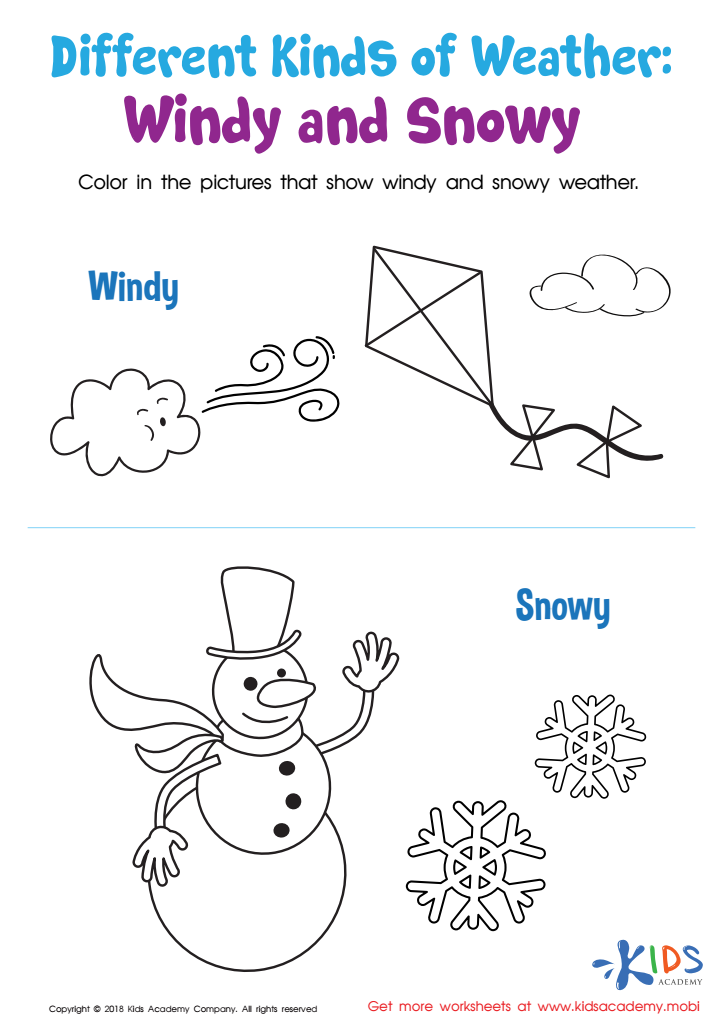
Different Kinds of Weather: Windy and Snowy Worksheet
 Assign to My Students
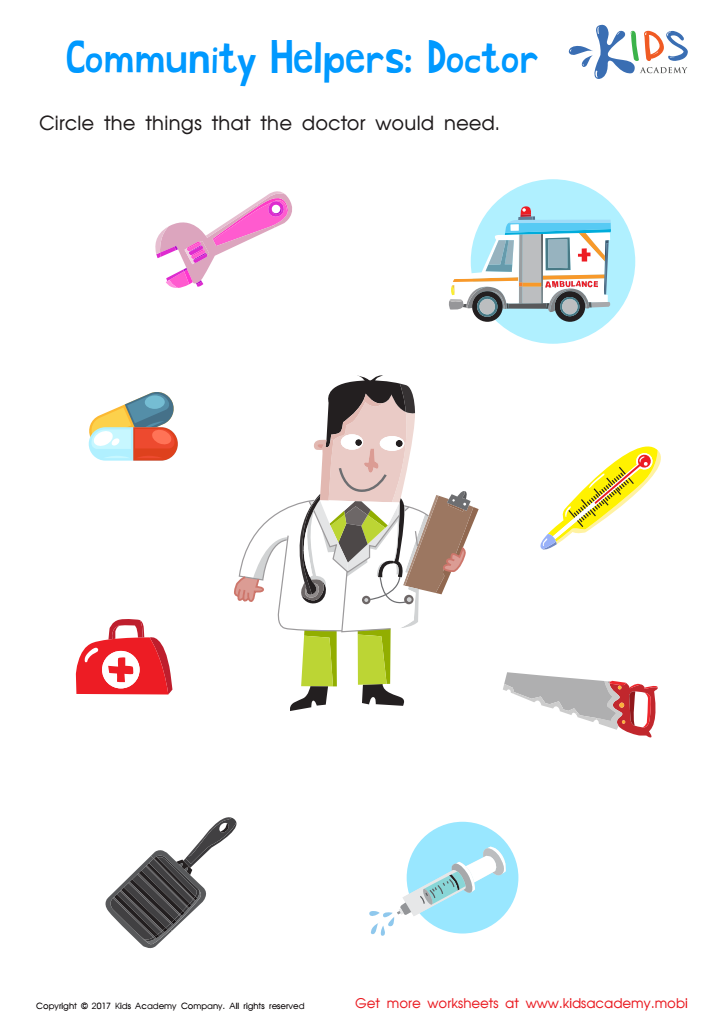
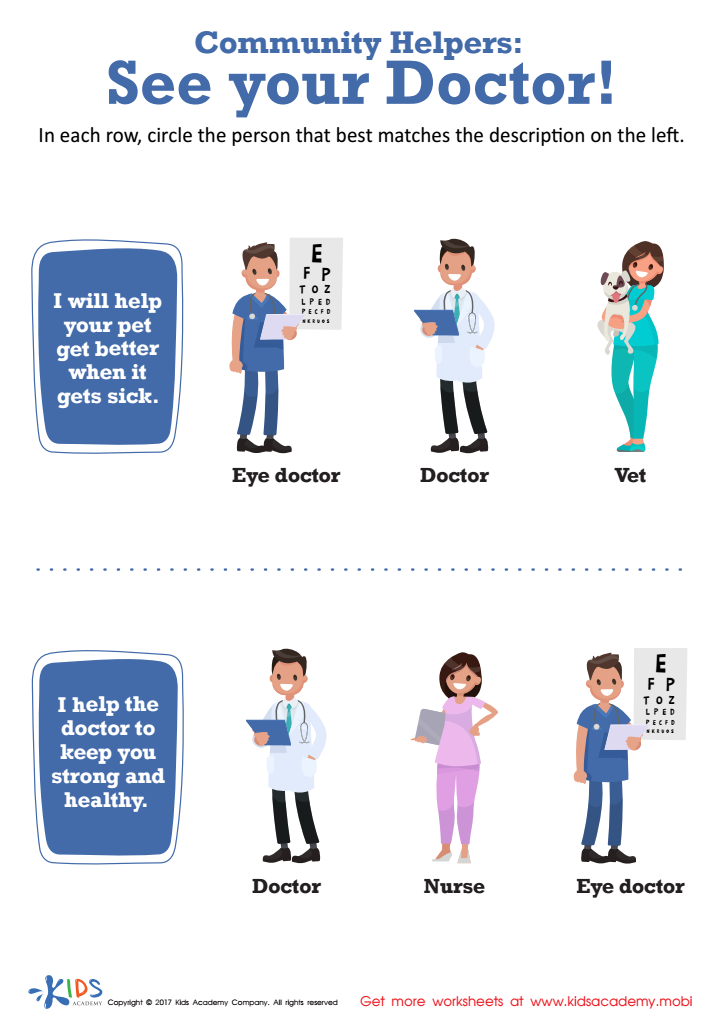
See Your Doctor (Part 2) Printable
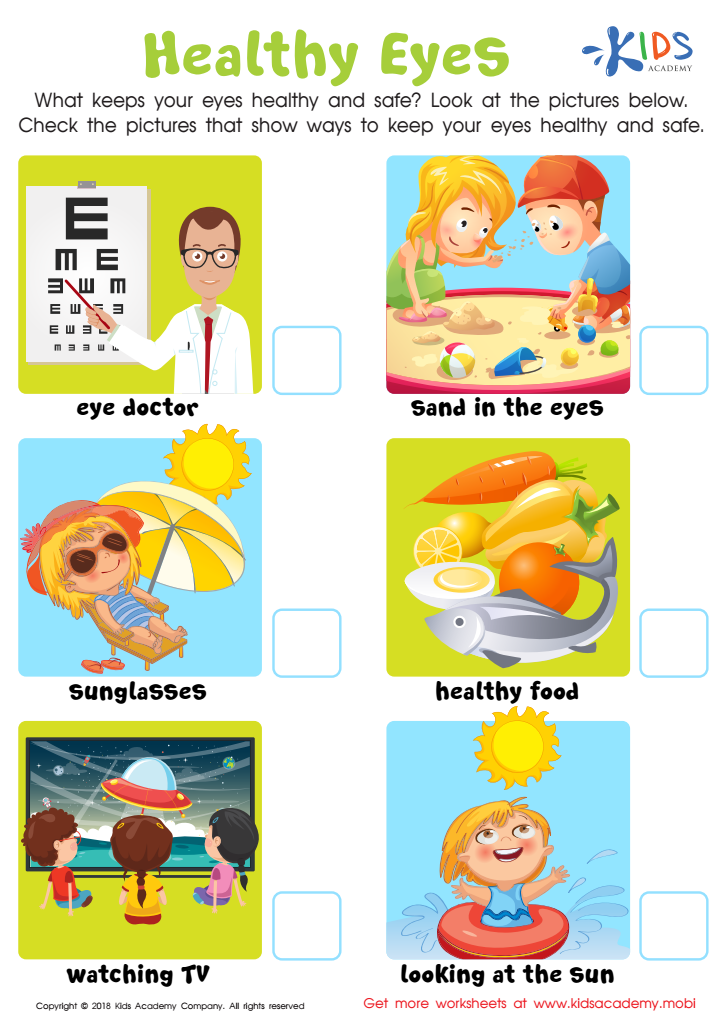
Healthy Eyes Worksheet
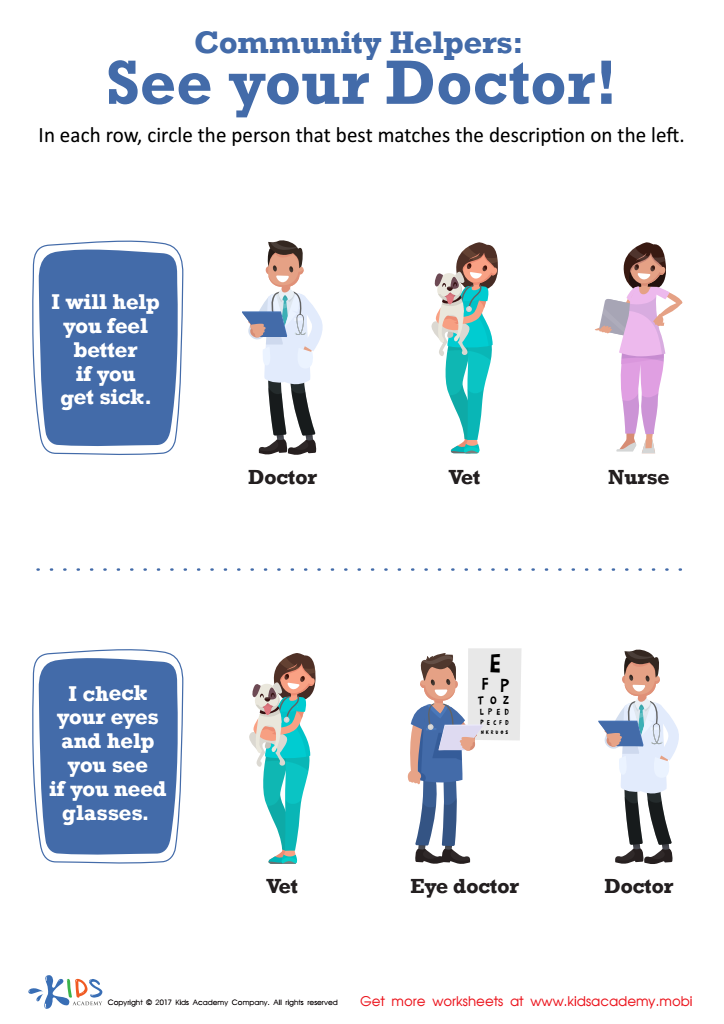
See Your Doctor (Part 1) Printable
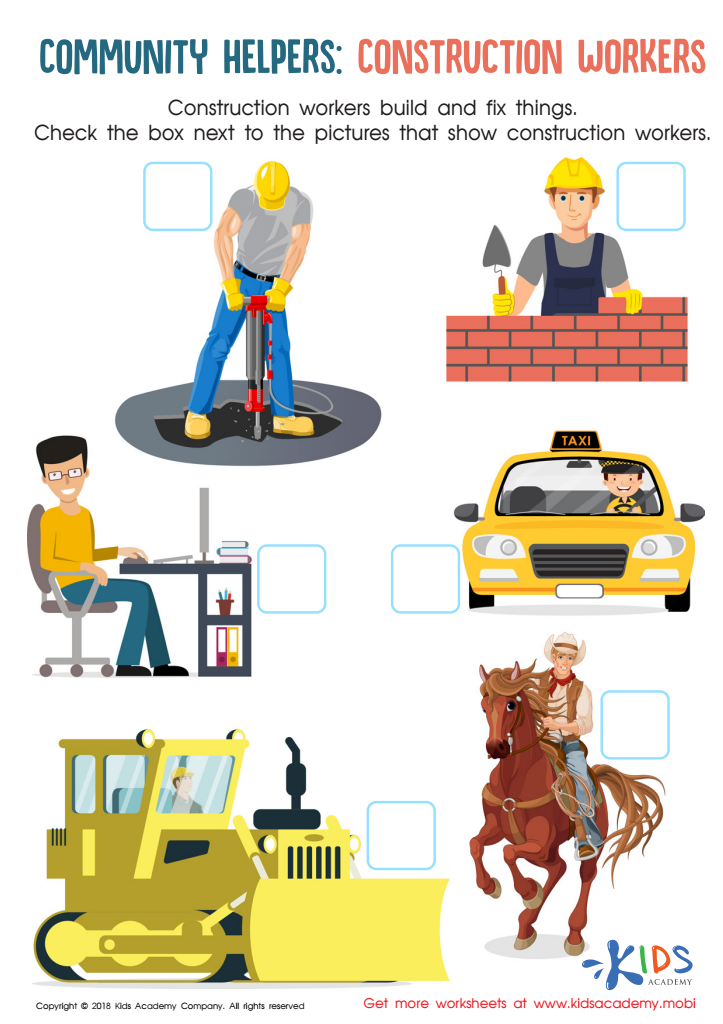
Construction Workers Community Helpers Worksheet
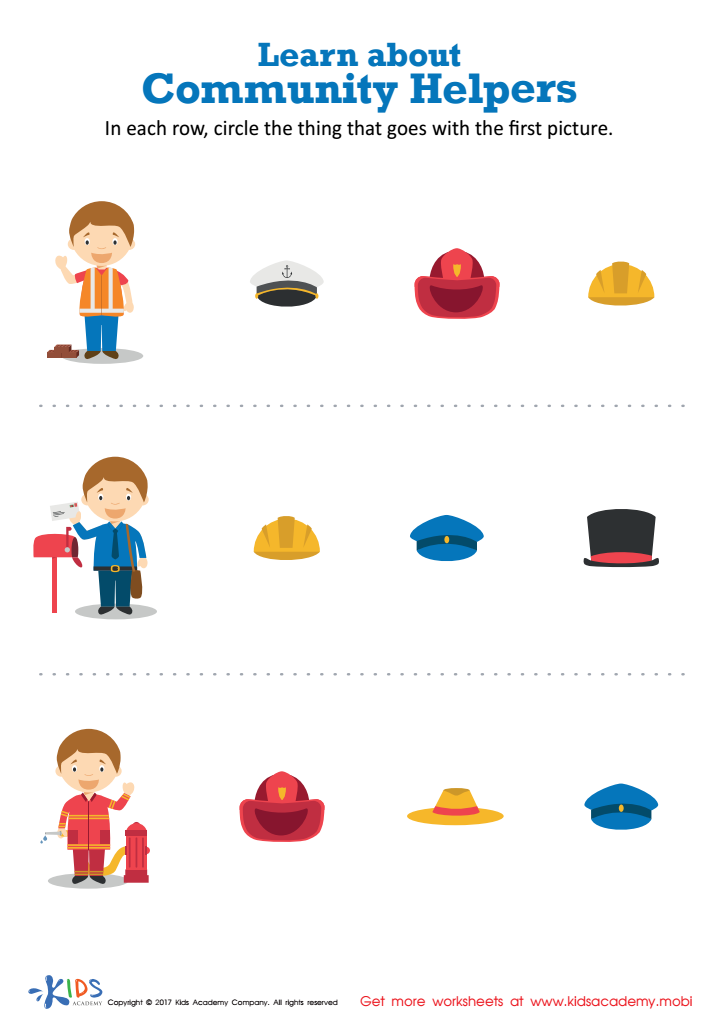
Learn about Community Helpers Printable








Reading comprehension is fundamental for young children's overall educational development, particularly in social studies for ages 5-6. At this early age, children are not just beginning to grasp reading but also understanding the world around them. Social studies offer insights into community, family roles, cultural norms, and basic historical concepts, which lay the groundwork for responsible citizenship.
By improving reading comprehension, children can better absorb and retain the material covered in social studies. This skill allows them to understand simple texts about familiar topics, such as their local community or significant national symbols. When children comprehend what they read, they can engage in meaningful discussions, ask pertinent questions, and develop critical thinking skills.
Furthermore, reading comprehension in social studies fosters empathy and diversity appreciation. Stories about different cultures and lifestyles help young children recognize and respect differences, promoting social cohesion. This awareness is crucial in forming their identity and value system from an early age.
Effective reading skills also create a positive feedback loop: as children understand social studies content better, their interest and motivation increase, encouraging further learning. Parents and teachers play an essential role in nurturing these skills, ultimately equipping children with the tools necessary for lifelong learning and active societal participation.