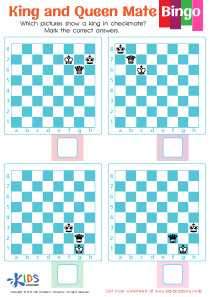
Cognitive Development Normal Chess Worksheets for Ages 5-7
4 filtered results
-
From - To
Explore our engaging "Cognitive Development Normal Chess Worksheets" designed specifically for children aged 5-7. These worksheets blend the fun of chess with essential cognitive skills, helping young learners enhance their critical thinking, problem-solving, and strategic planning abilities. Perfect for both classroom and home use, our resourceful activities encourage creativity and logical reasoning while introducing the foundational concepts of chess. By participating in these worksheets, children will not only boost their cognitive development but also develop patience and focus. Dive into a world of chess-related exercises that make learning enjoyable and effective! Unlock your child's potential today!
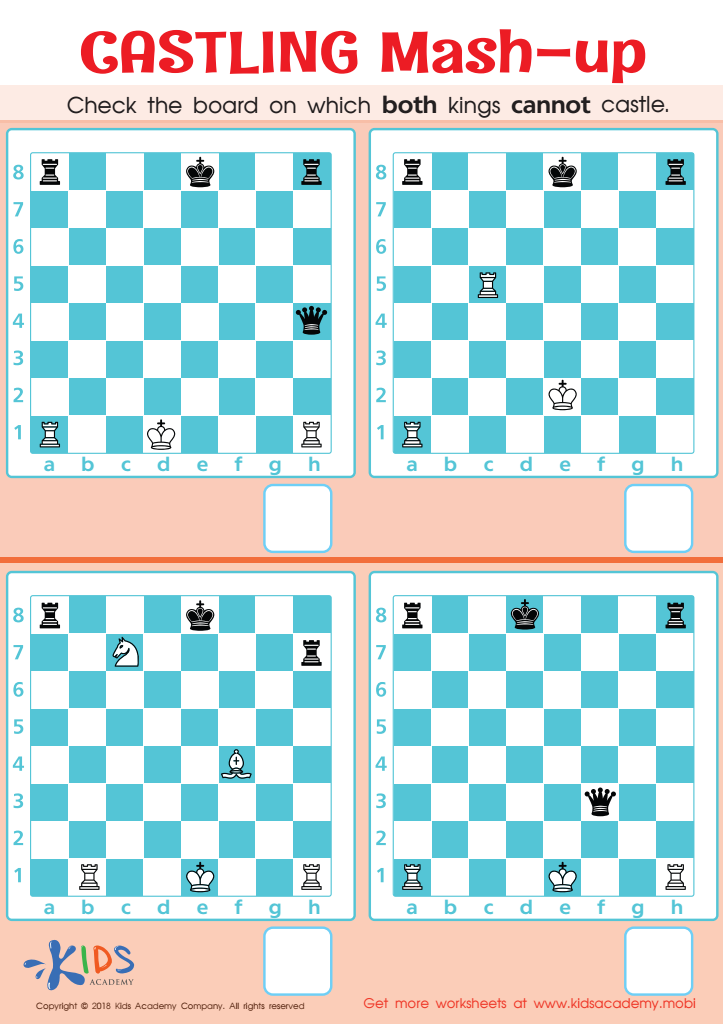
Castling Mash–up Worksheet
 Assign to My Students
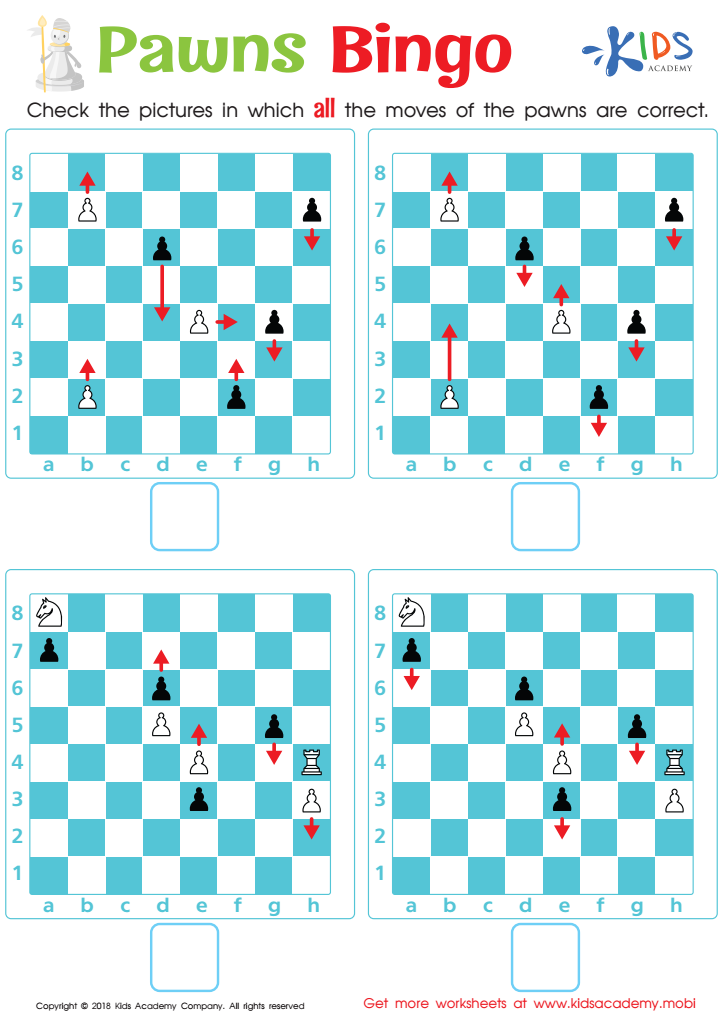
Pawns Bingo Worksheet
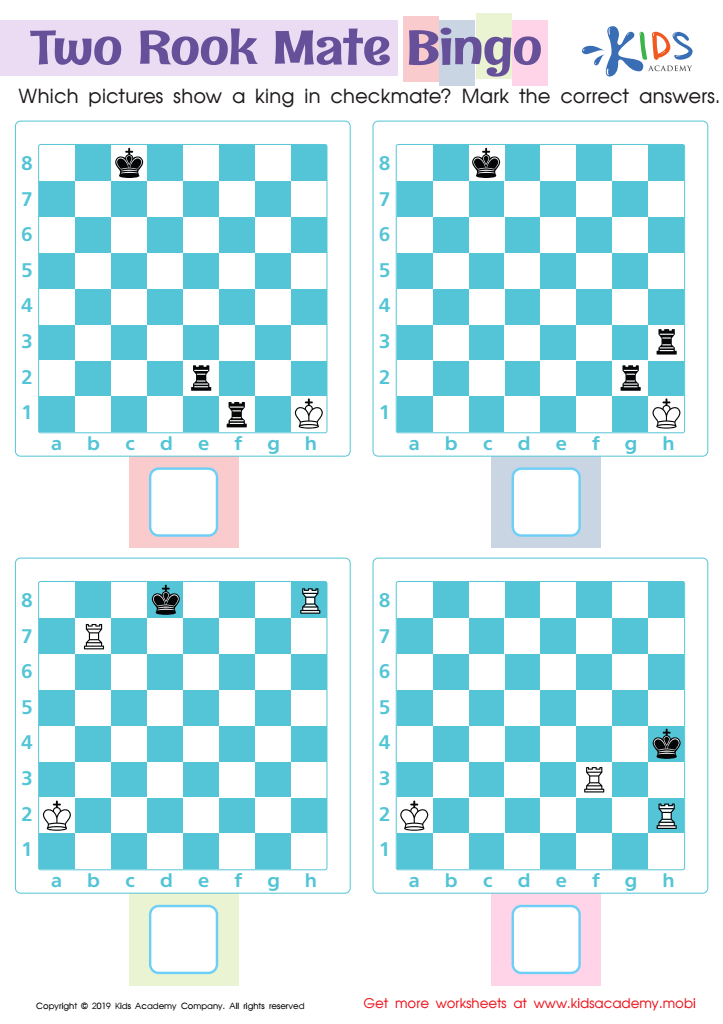
Two Rook Bingo Worksheet
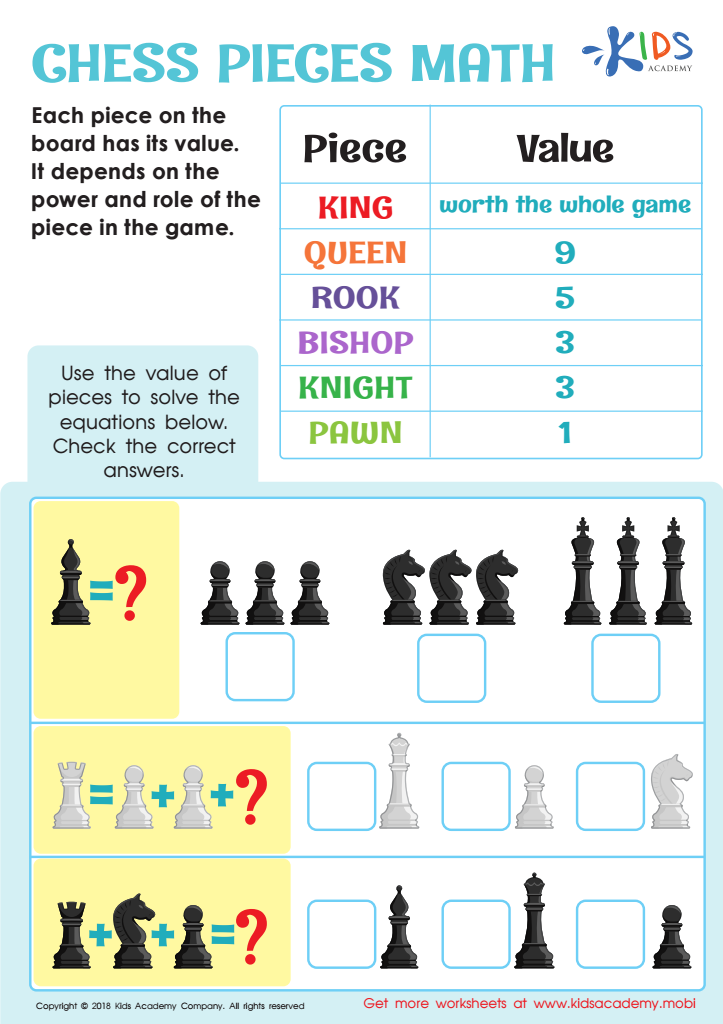
Chess Pieces Math Worksheet



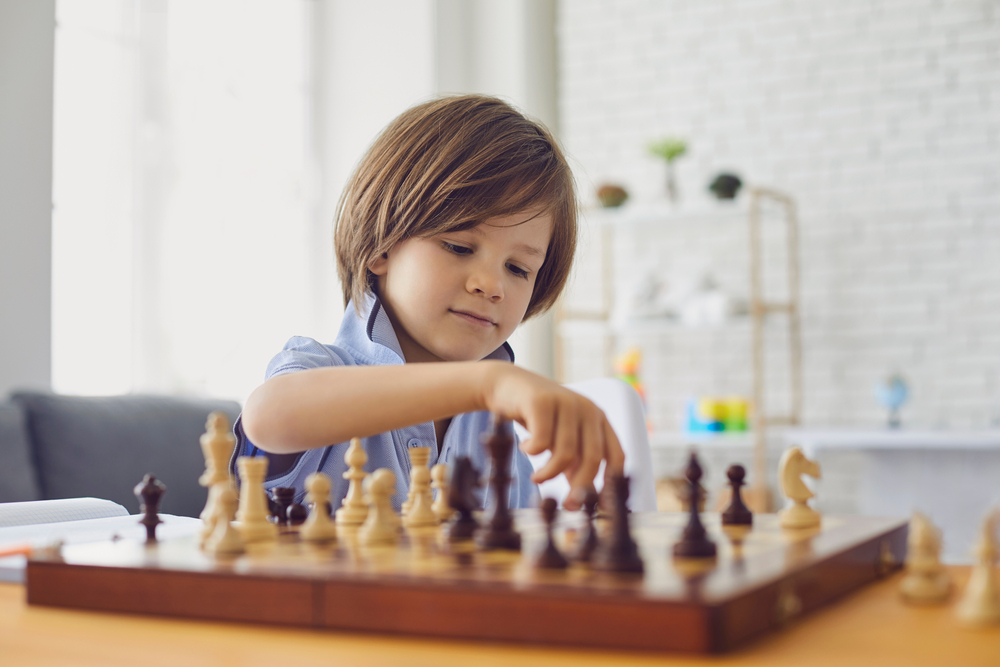

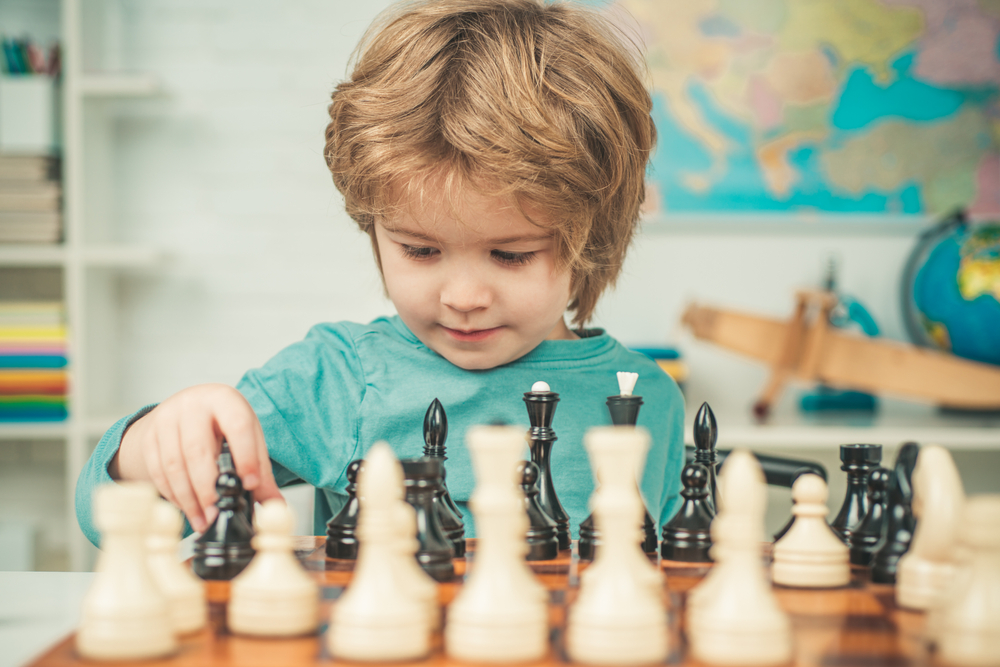
Cognitive development in children aged 5-7 is crucial as it lays the foundation for future learning and critical thinking skills. Engaging with activities like chess can significantly enhance this development. For one, chess promotes problem-solving and strategic thinking. At this age, children begin to think more abstractly and learn to anticipate consequences of their actions—skills that chess naturally fosters.
Moreover, playing chess requires concentration and patience, helping young children to improve their attention spans and self-discipline. These qualities are vital in an academic setting, allowing children to better absorb lessons and engage more fully in classroom activities. Additionally, chess encourages social interaction, as it can be played with peers, promoting communication skills and teamwork.
Parents and teachers should care about incorporating chess into educational activities because it supports overall cognitive growth while making learning fun and interactive. By introducing chess at this developmental stage, children gain valuable skills that they will use throughout their lives, both intellectually and personally. In summary, chess is not just a game; it is an effective tool for nurturing thoughtful, engaged, and socially adept learners ready to take on future challenges.