Alphabet Recognition Normal Worksheets for Ages 5-7 - Page 2
44 filtered results
-
From - To
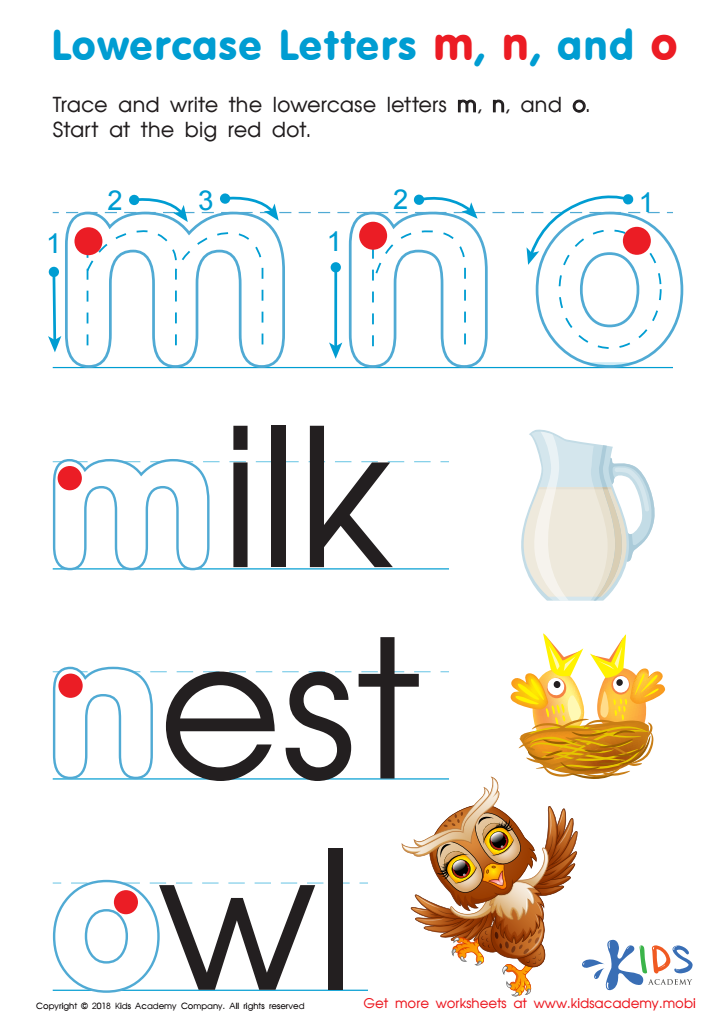
Lowercase Letters m n o Worksheet
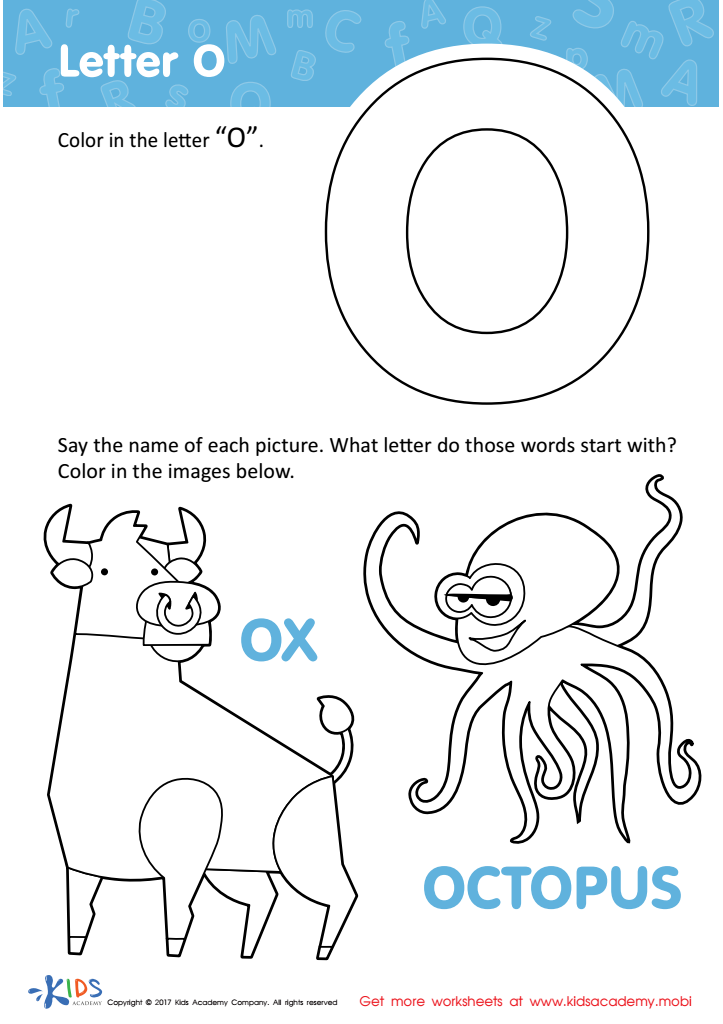
Letter O Coloring Sheet
 Assign to My Students
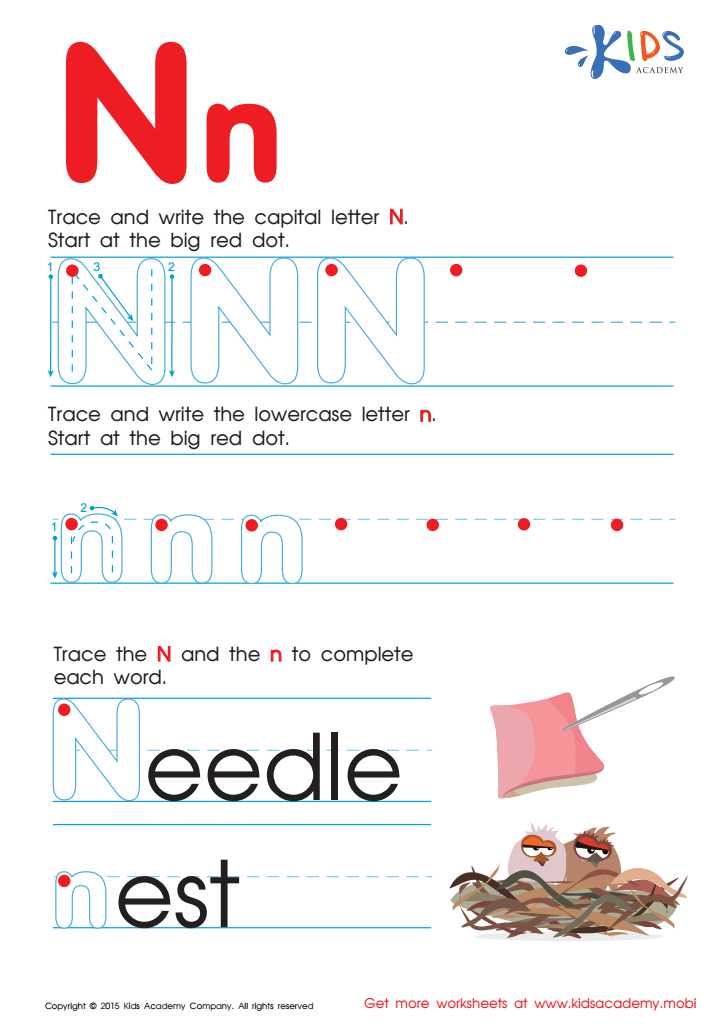
Letter N Tracing Page
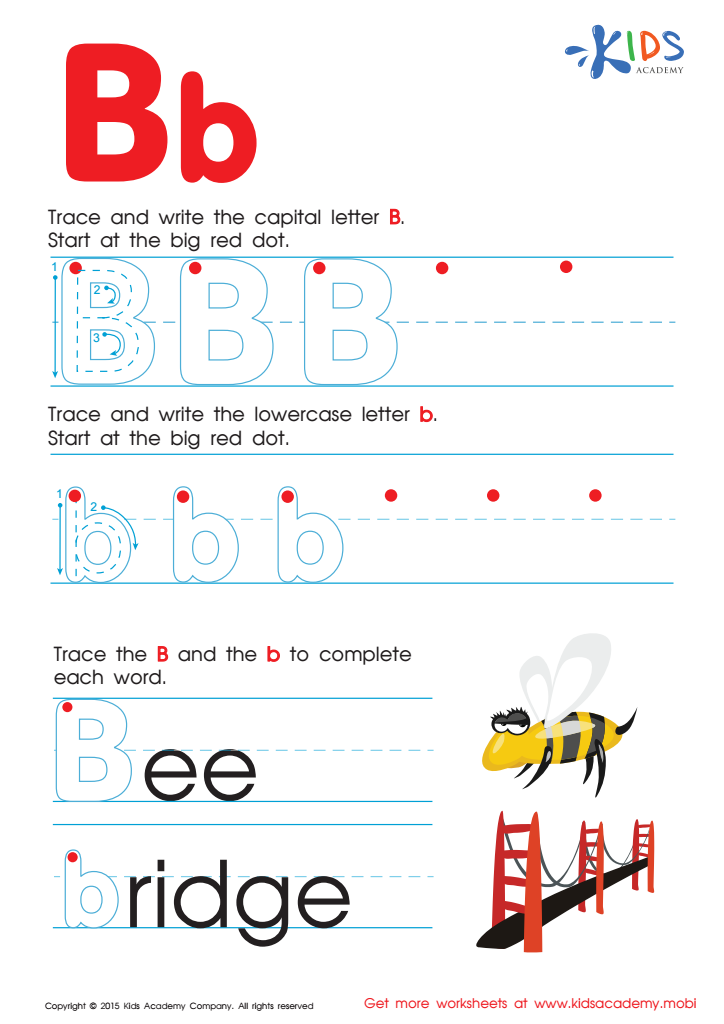
Letter B Tracing Page
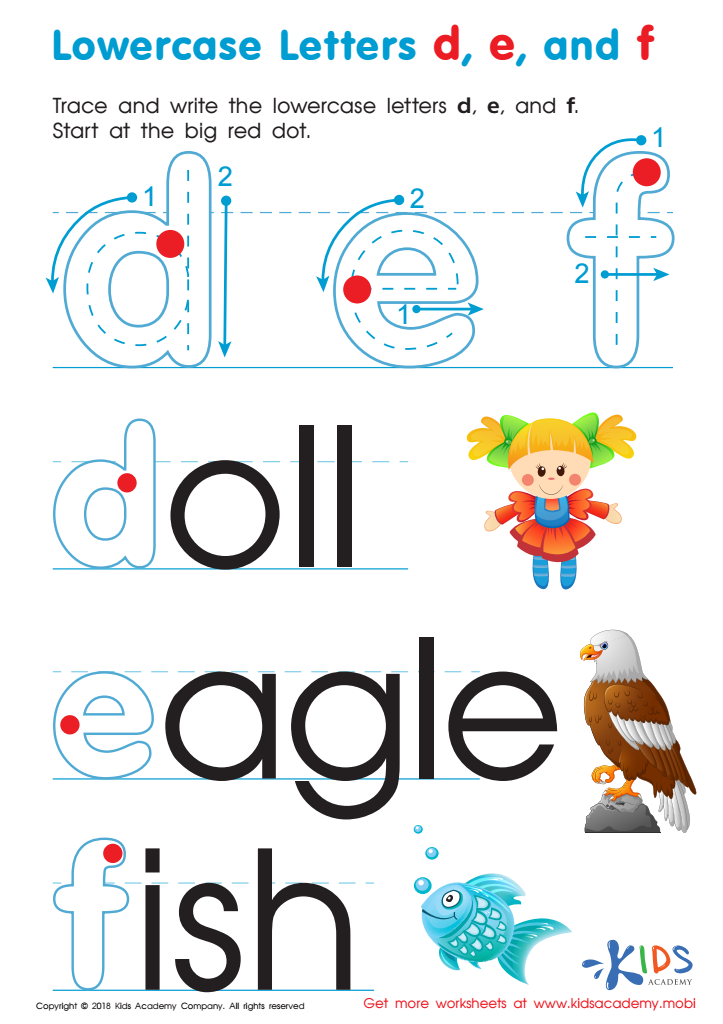
Lowercase Letters d e f Worksheet
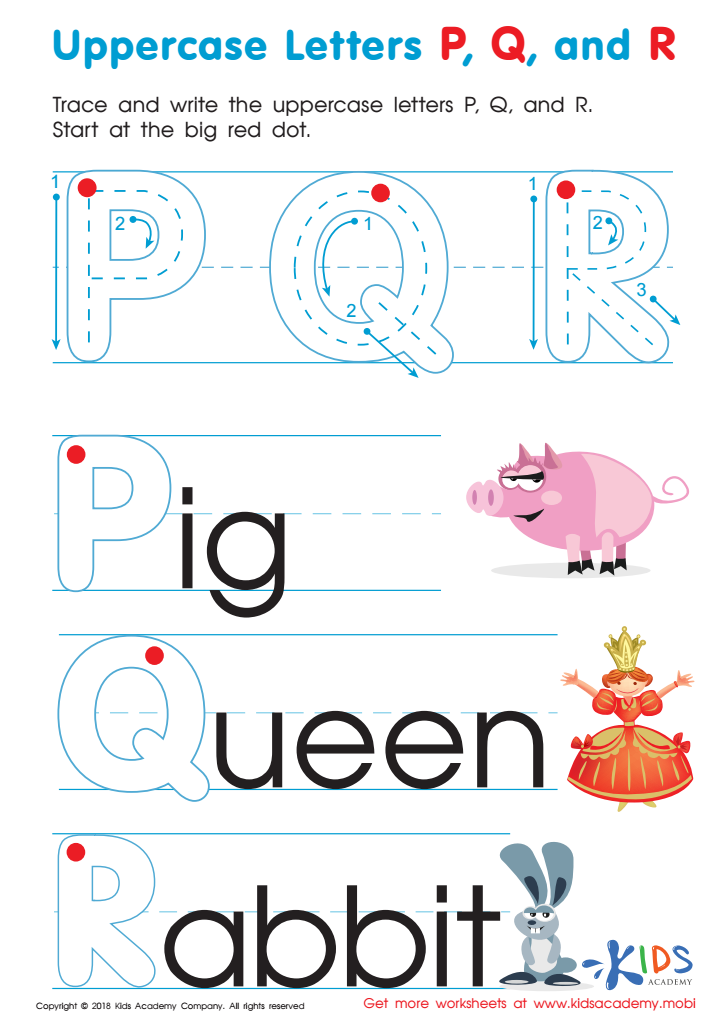
Uppercase Letters P, Q, and R Worksheet
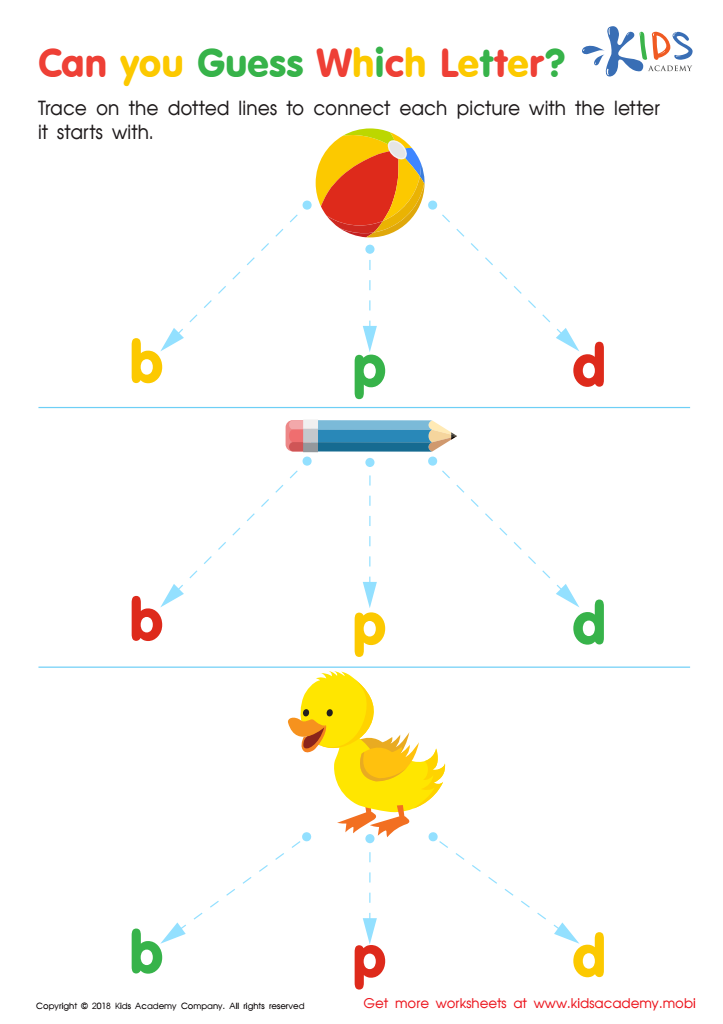
Can you Guess Which Letter? Worksheet
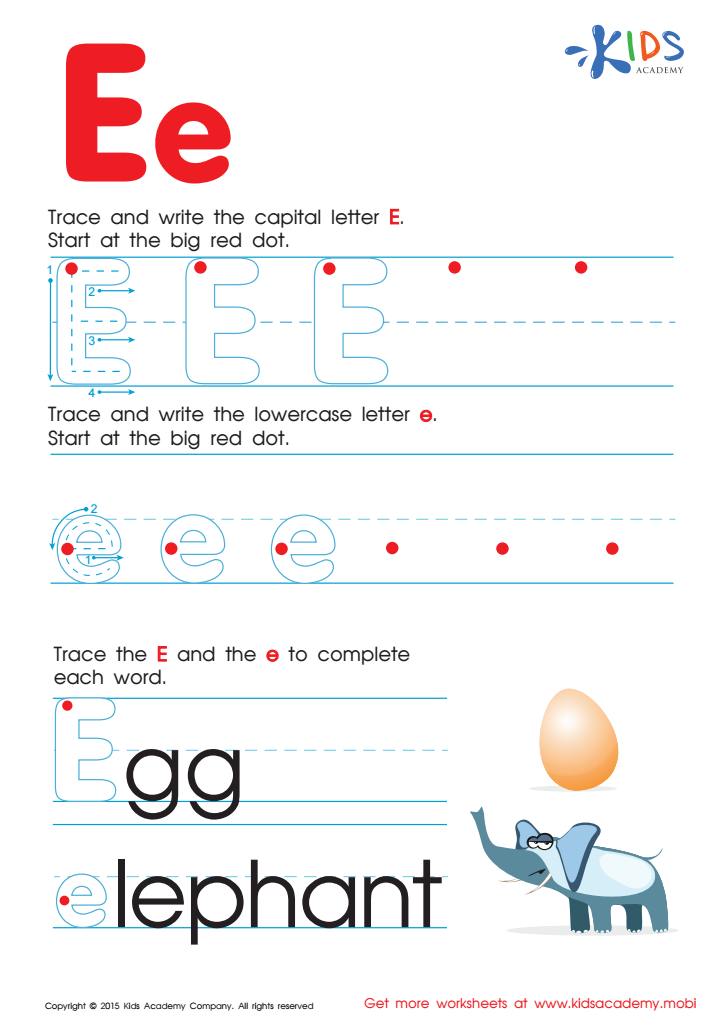
Letter E Tracing Page
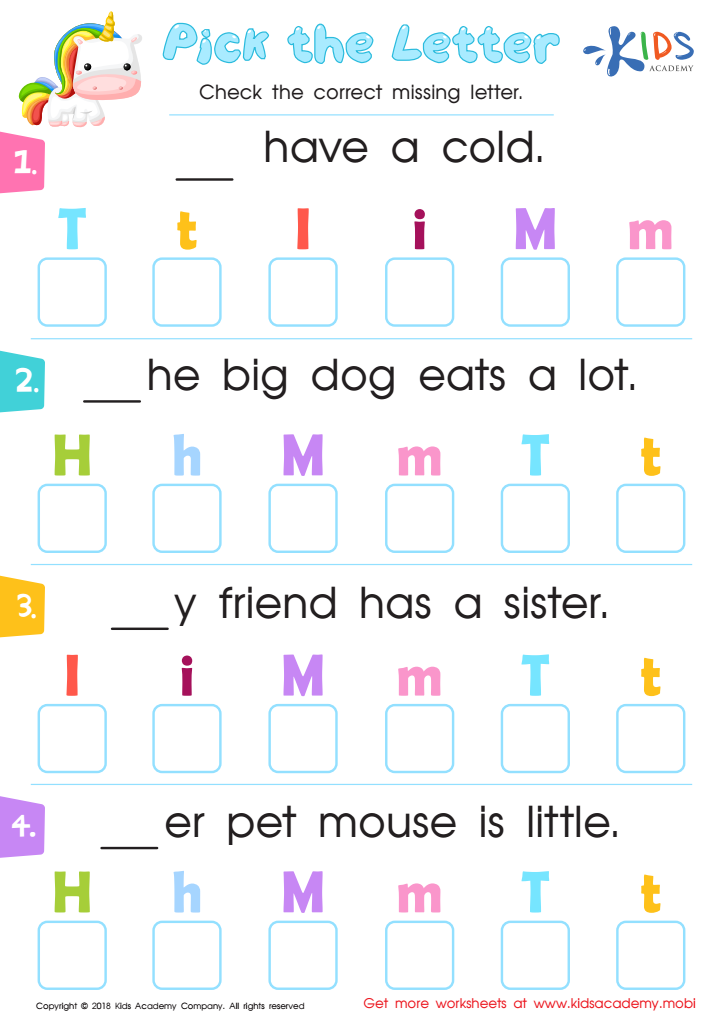
Pick the Letter Worksheet
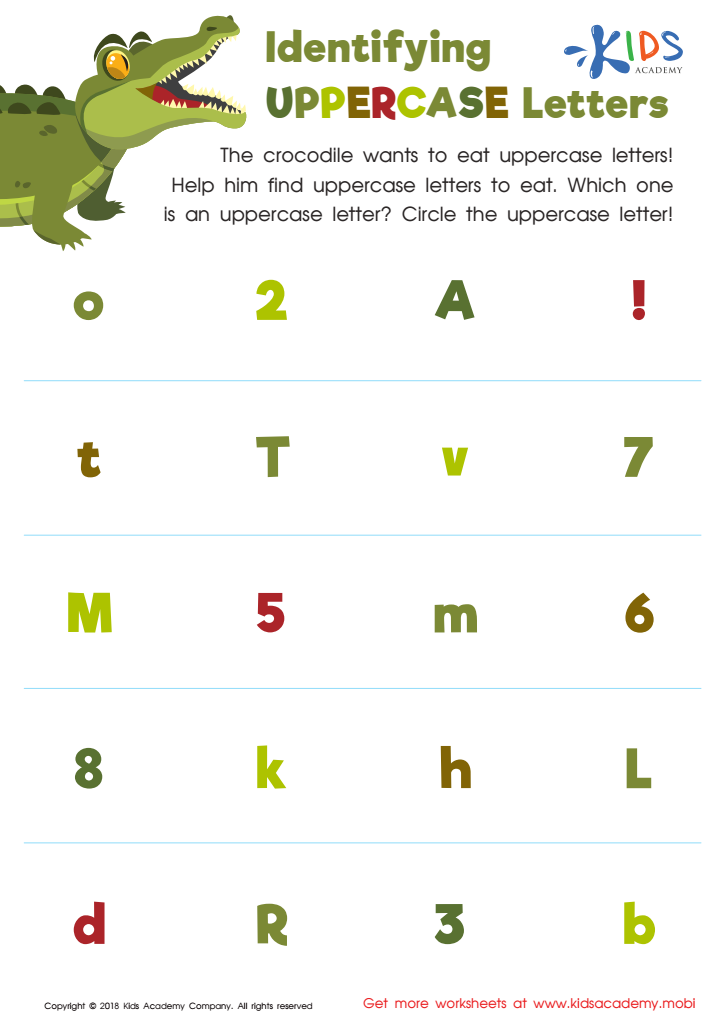
Identifying Uppercase Letters Worksheet
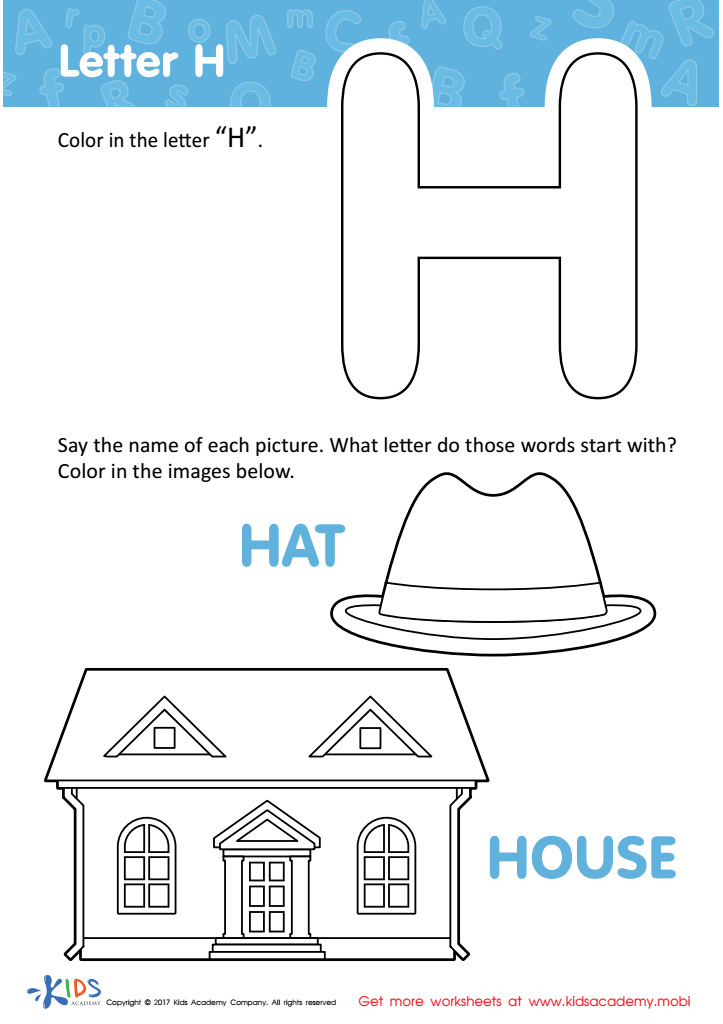
Letter H Coloring Sheet
Assign to My Students
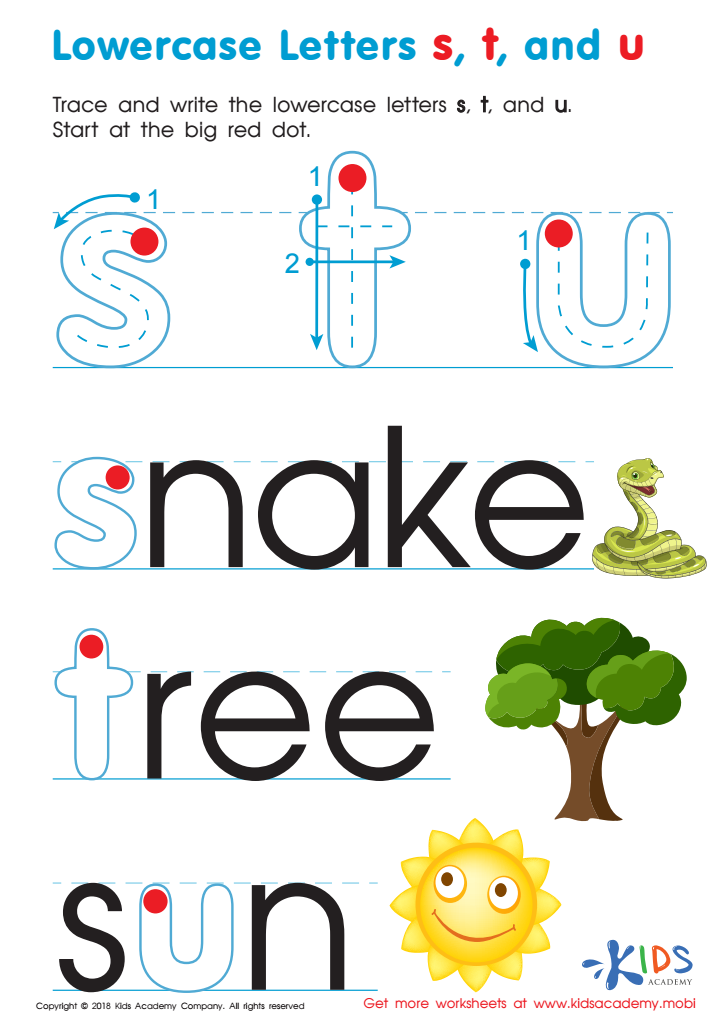
Lowercase Letters s t u Worksheet
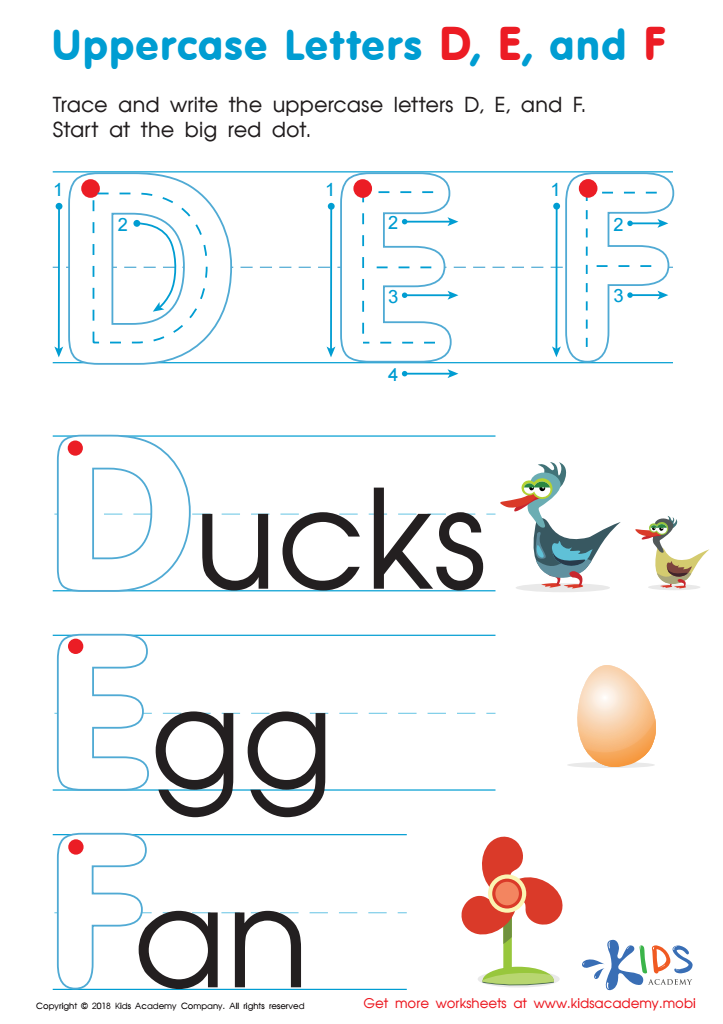
Uppercase Letters D, E, and F Worksheet
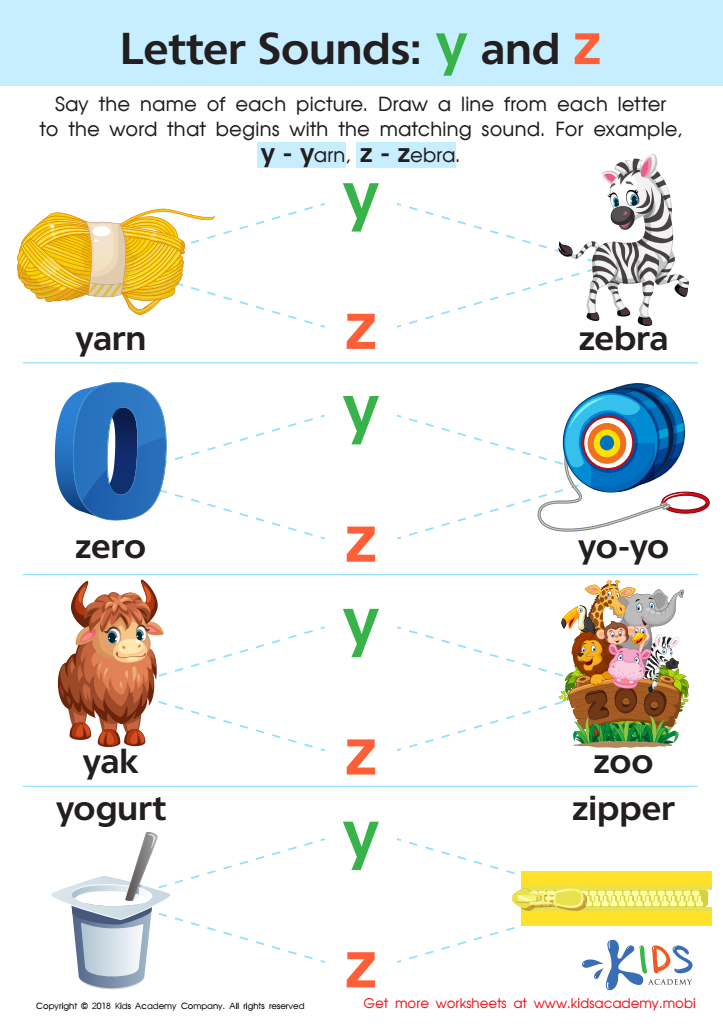
Letter Y and Z Sounds Worksheet

Uppercase Letters Y Z Worksheet
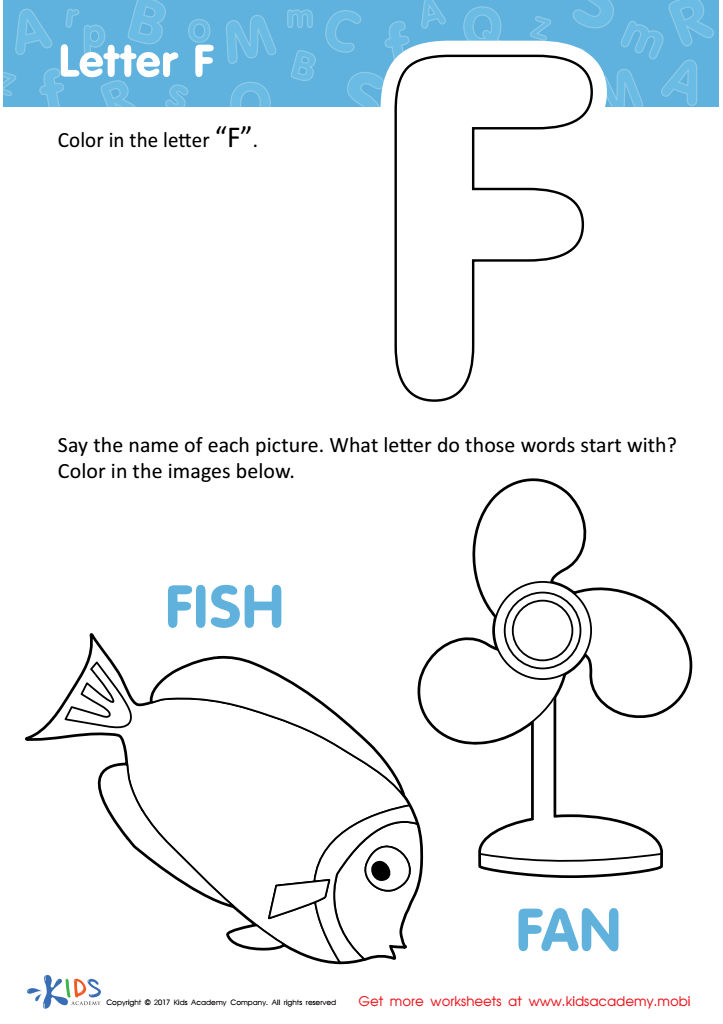
Letter F Coloring Sheet
Assign to My Students
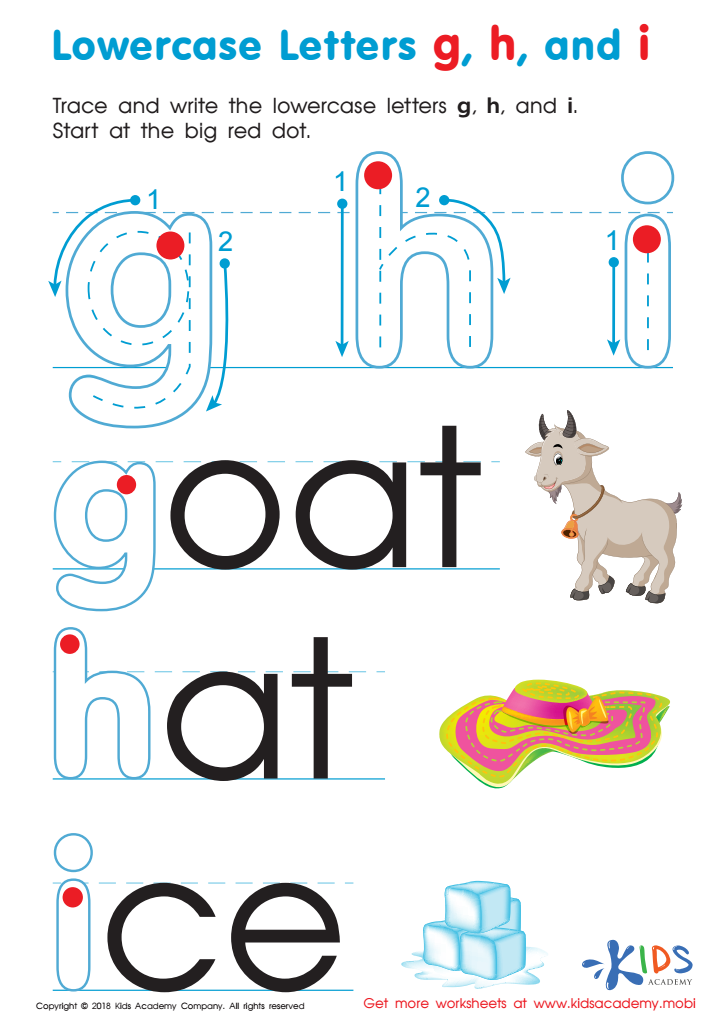
Lowercase Letters g h i Worksheet
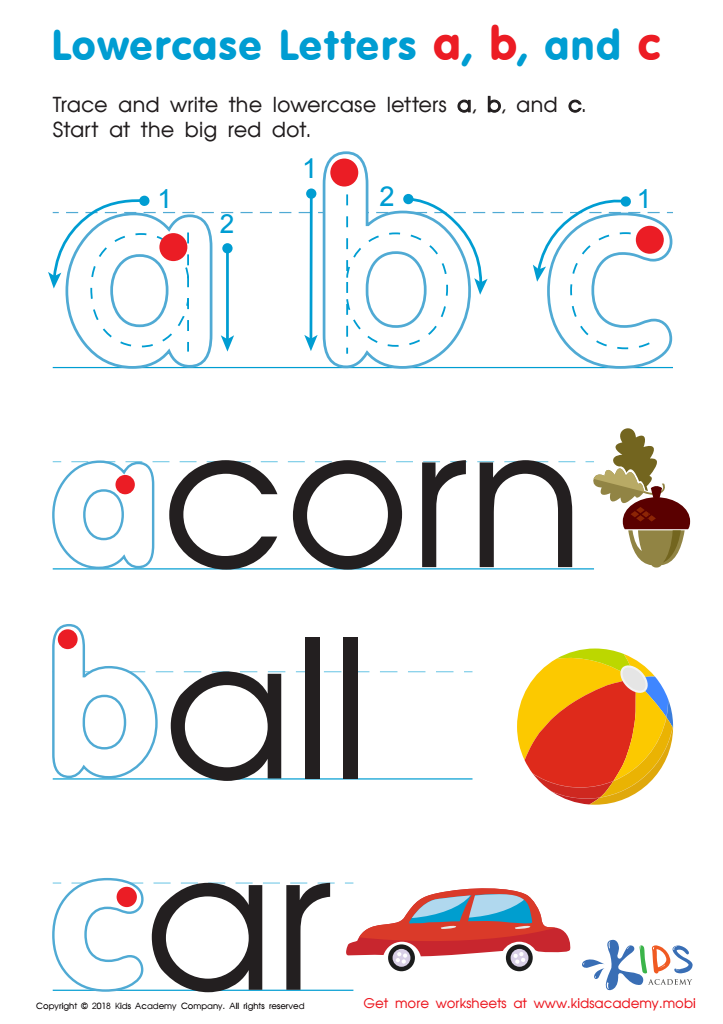
Lowercase Letters a b c Worksheet
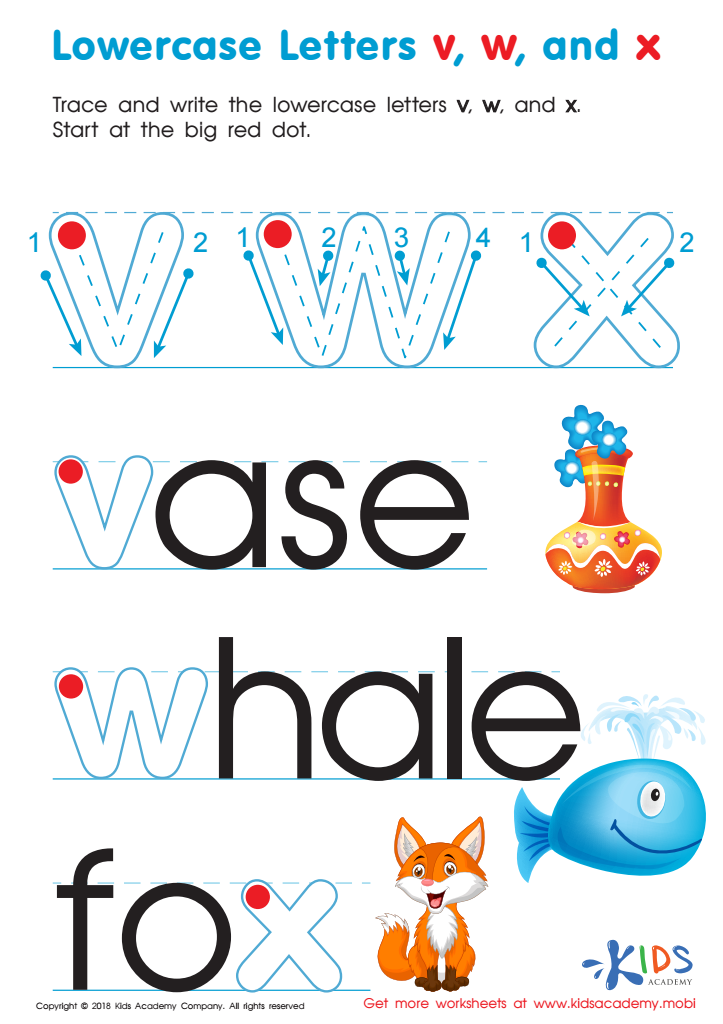
Lowercase Letters v w x Worksheet
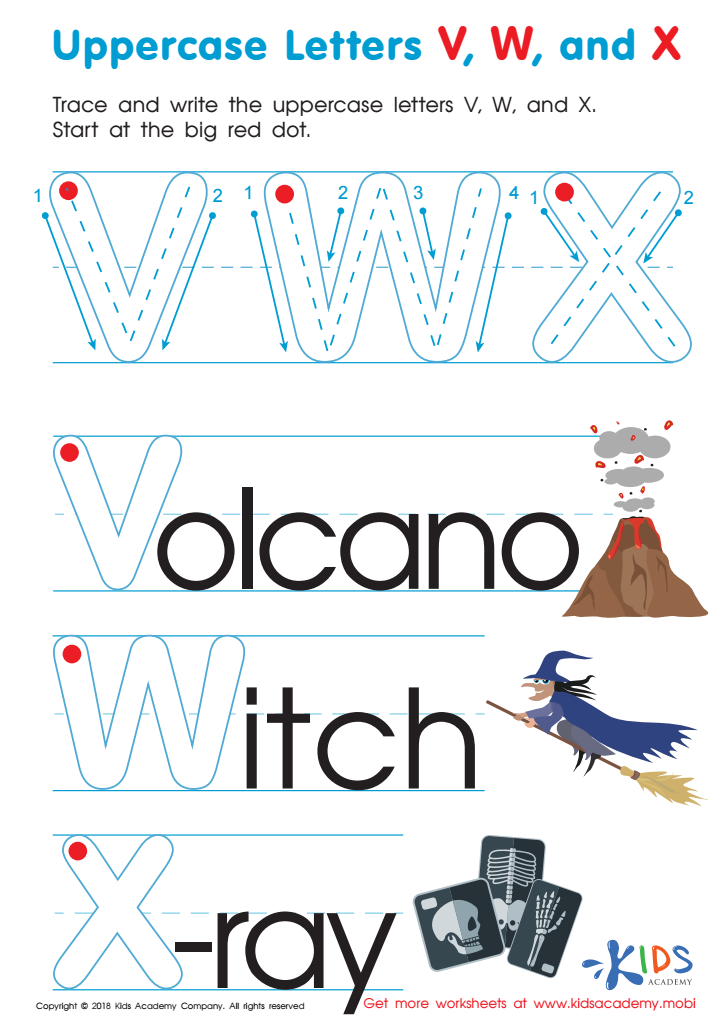
Uppercase Letters V, W, and X Worksheet







Alphabet recognition is a crucial foundation for early literacy development in children ages 5-7. When children can identify and name letters accurately, they are better equipped to develop essential reading and writing skills. Recognizing letters is the first step toward understanding that each letter represents specific sounds, which combine to form words. This phonemic awareness is vital for decoding words and developing fluent reading abilities.
For parents and teachers, emphasizing alphabet recognition supports a smoother transition into increasingly complex literacy activities. Children who struggle with letter identification are at higher risk of falling behind in reading proficiency, which can affect their confidence and academic performance in other subjects. Early intervention can mitigate these issues, ensuring children have the foundational skills necessary to keep pace with their peers.
Furthermore, alphabet recognition enhances cognitive development by promoting memory skills, concentration, and visual discrimination. It also encourages a positive attitude towards learning by making reading and writing activities more accessible and enjoyable. Overall, recognizing the alphabet at the appropriate age sets the stage for educational success, making it an essential focus for both parents and teachers in their efforts to support a child's growth.








