
Number identification Normal Worksheets for Ages 5-7
6 filtered results
Difficulty Level
Grade
Age
-
From - To
Subject
Activity
Standards
Discover our engaging Number Identification Normal Worksheets designed for children ages 5-7. These expertly crafted worksheets help young learners develop foundational math skills by enhancing their ability to recognize and identify numbers. Tailored to cater to diverse learning styles, these activities include colorful visuals and interactive exercises that keep children motivated and excited about learning. Whether at home or in the classroom, these worksheets are perfect for reinforcing number concepts and building confidence in early math skills. Support your child's educational journey with our fun and educational resources that pave the way for successful number comprehension. Explore our collection today!
Favorites
With answer key
Interactive
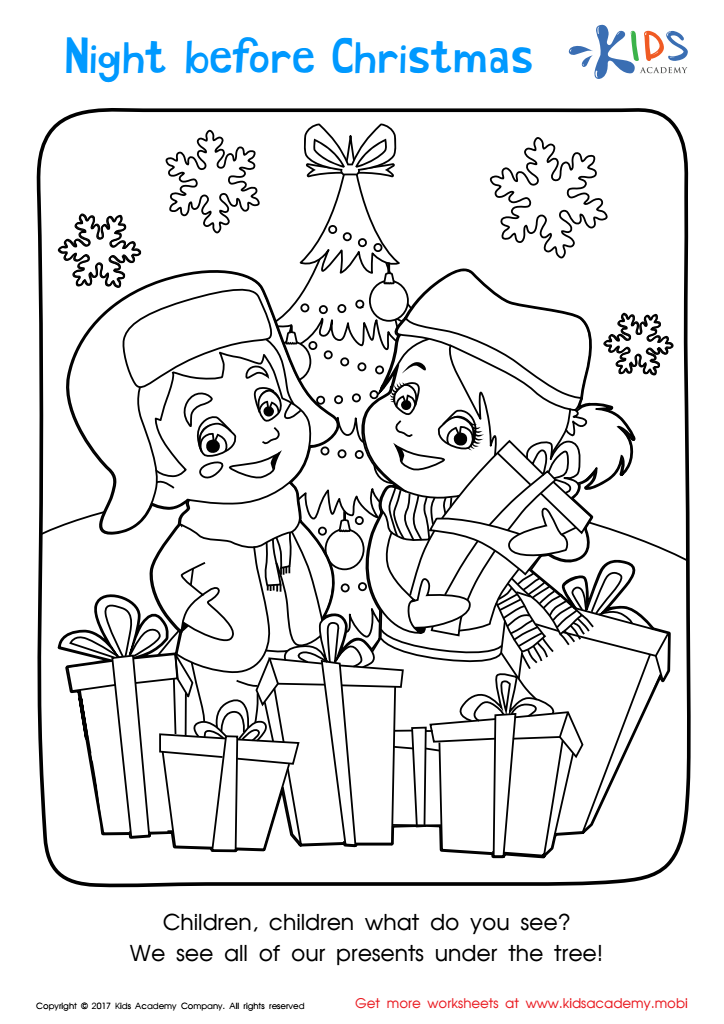
Christmas: Night Before Christmas Printable
Give your kids the gift of coloring this season! Use this boy and girl page to start a conversation on the spirit of giving. Ask your child what they'd like to give and remind them that giving is just as important as receiving. Then, help them pick the perfect colors to bring the image to life! Your child will get in the Christmas spirit while getting ready for Santa's arrival. Print the festive page and spread the joy of the season!
Download (PDF)
 Assign to My Students
Assign to My Students
Christmas: Night Before Christmas Printable
Worksheet
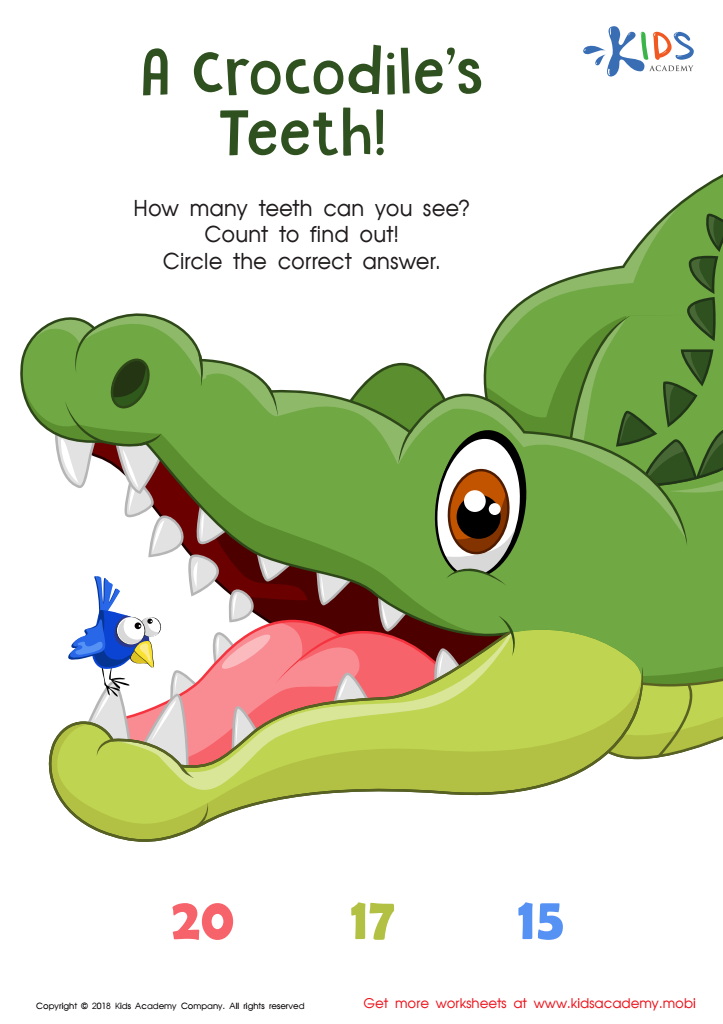
A Crocodile's Teeth Worksheet
Show your child the animal image and ask them to identify it. If they watch animal shows, they'll likely be interested. Count the teeth together, then look at the options and help them circle the right one.
A Crocodile's Teeth Worksheet
Worksheet
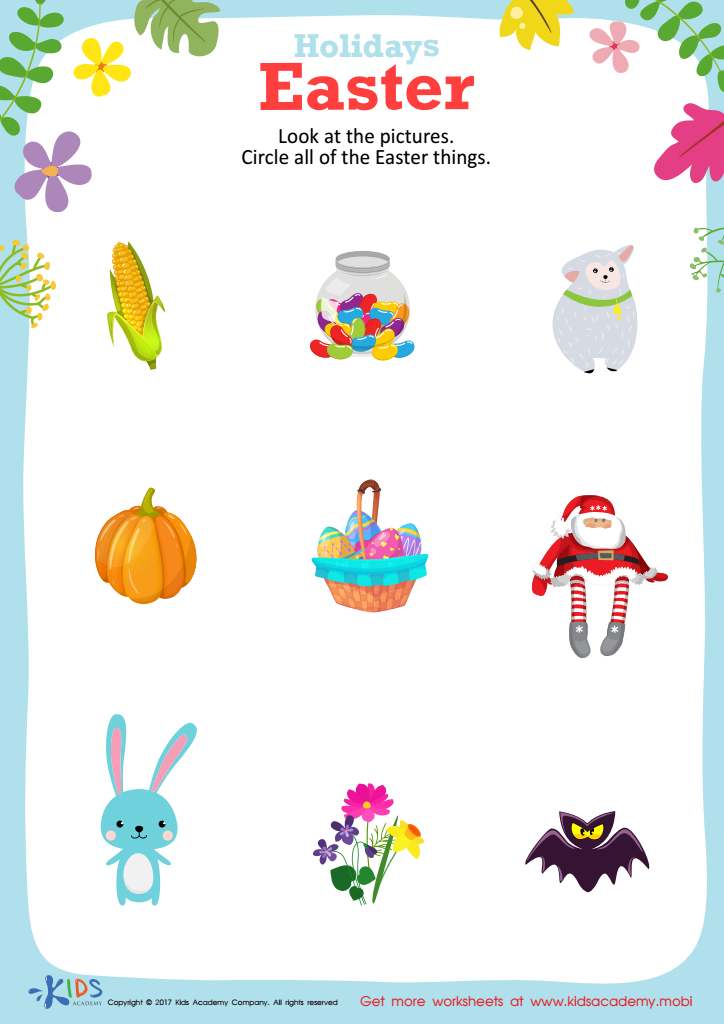
Easter Holiday Printable
This printable Easter worksheet helps your child identify symbols associated with the holiday. Pick out the pictures that usually signify Easter and your little one will gain an understanding of the holiday's meaning. With this free activity, springtime just got more exciting!
Easter Holiday Printable
Worksheet
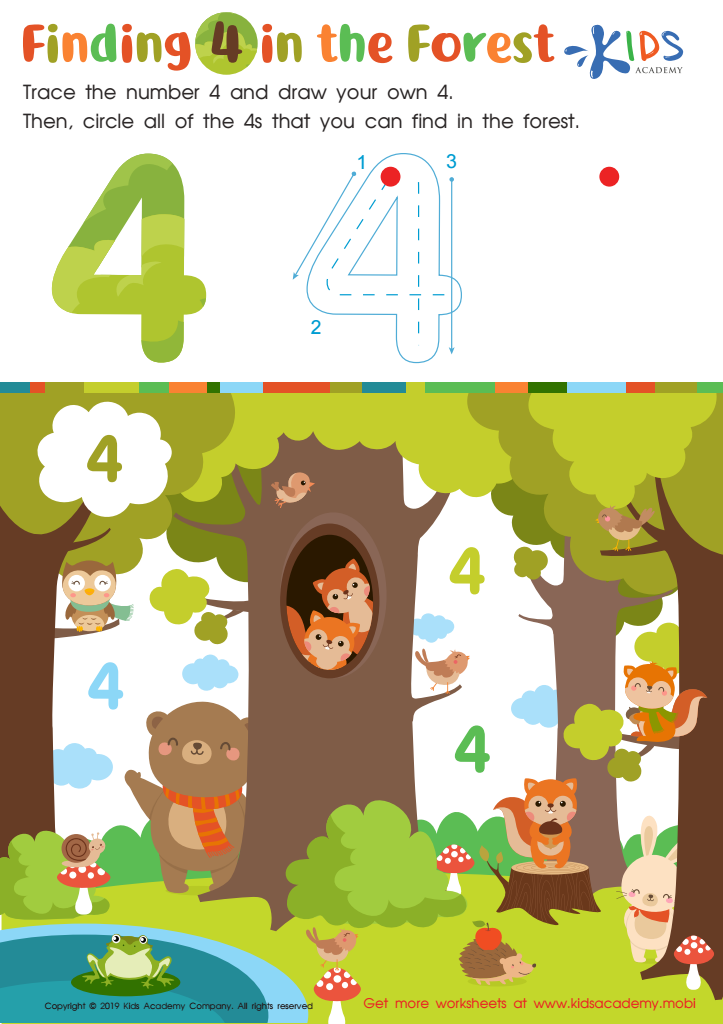
Finding 4 in the Forest Worksheet
Before starting, have your kids count as high as they can. Ask them to identify the setting and point out the 4s. Trace 4 and draw your own. Help your kids circle all the 4s they can find in the forest. How far can they count? How well did they find the hidden 4s?
Finding 4 in the Forest Worksheet
Worksheet
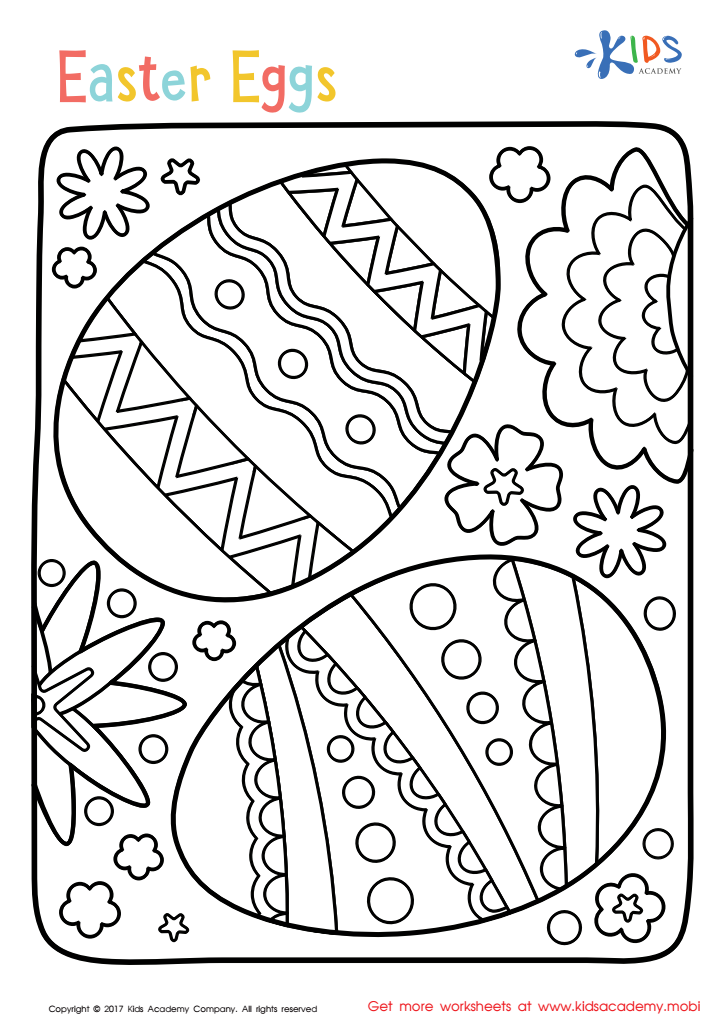
Easter: Easter Eggs Worksheet
Coloring Easter eggs is a beloved global tradition. Kids love to color eggs and hunt for goodies. This Easter, get your child excited with a printable coloring page. Let them use as many colors as they want and use it as inspiration to decorate real eggs. It's a time-honored tradition they'll look forward to each year!
Download (PDF)
Assign to My Students
Assign to My Students
Easter: Easter Eggs Worksheet
Worksheet
Join Kids Academy for Free
Who is primarily going to use this learning content?






.jpg)
Number identification is a foundational skill for children aged 5-7, essential for their overall mathematical development and academic success. Parents and teachers should prioritize this ability because it fosters early numeracy, enabling children to recognize, understand, and manipulate numbers effectively. Mastery of number identification facilitates the grasping of more complex mathematical concepts, such as addition, subtraction, and eventually multiplication and division.
Moreover, recognizing numbers enhances children’s confidence in their mathematical abilities, encouraging a positive attitude towards math. This confidence lays the groundwork for problem-solving skills that are essential not only in academics but also in daily life tasks, like budgeting or time management.
Additionally, number identification plays a crucial role in cognitive development. Engaging children in activities that promote number recognition stimulates critical thinking and enhances their concentration and memory skills.
In disciplines beyond math, such as science and technology, strong numerical fluency is invaluable. By supporting number identification in this critical stage, parents and teachers can equip children with a key skill set that not only benefits their education but also prepares them for future challenges in a numerically-driven world. Investing in this early learning stage is an investment in their lifelong success.








