Phonics skills improvement Normal Worksheets for Ages 5-7
6 filtered results
-
From - To
Discover our engaging phonics skills improvement worksheets designed specifically for children aged 5-7! These normal worksheets aim to enhance phonetic awareness and boost reading proficiency through fun, interactive activities. Each worksheet focuses on essential phonics concepts, including letter sounds, blending, and segmenting. Ideal for both classroom and home learning, our resources provide varied exercises that cater to diverse learning styles, encouraging children to explore sounds and develop their reading skills confidently. Perfect for reinforcing foundational literacy concepts, these worksheets ensure that your little learners grasp phonics essentials while enjoying their educational journey. Start nurturing their phonics skills today!
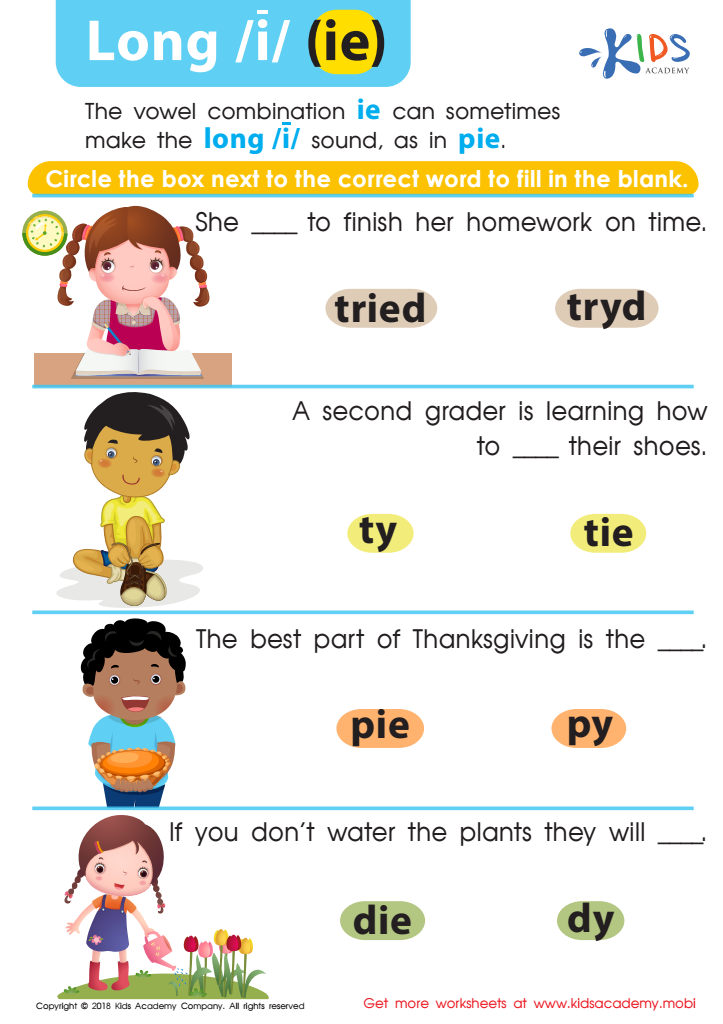
Reading: Long I and IE Worksheet
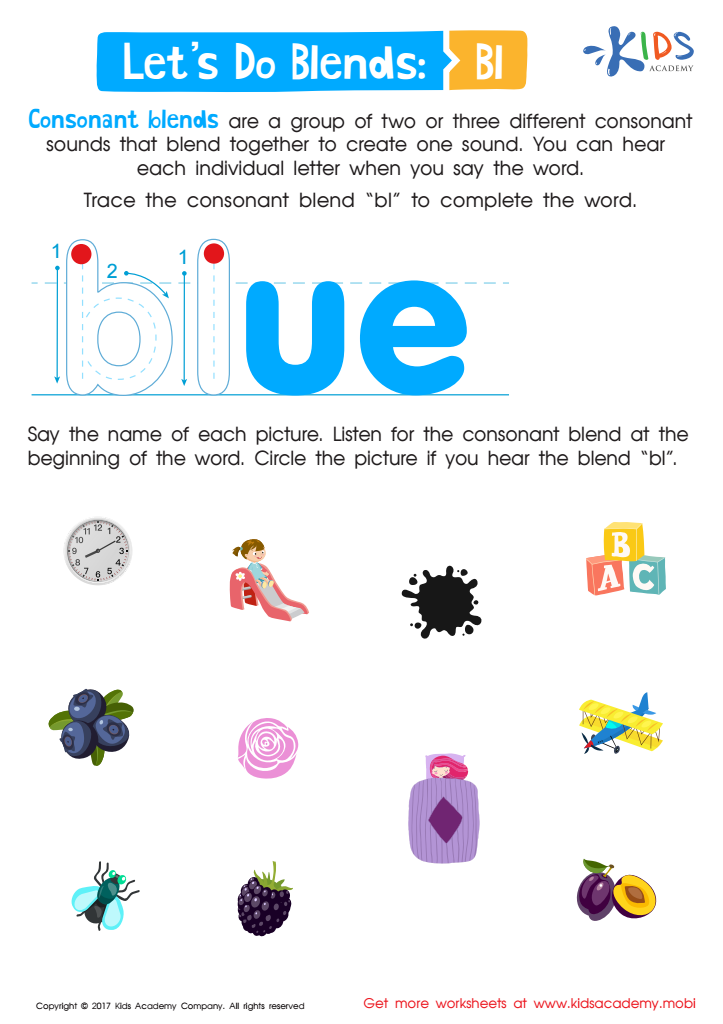
Beginning Blends: "Bl" Words Worksheet
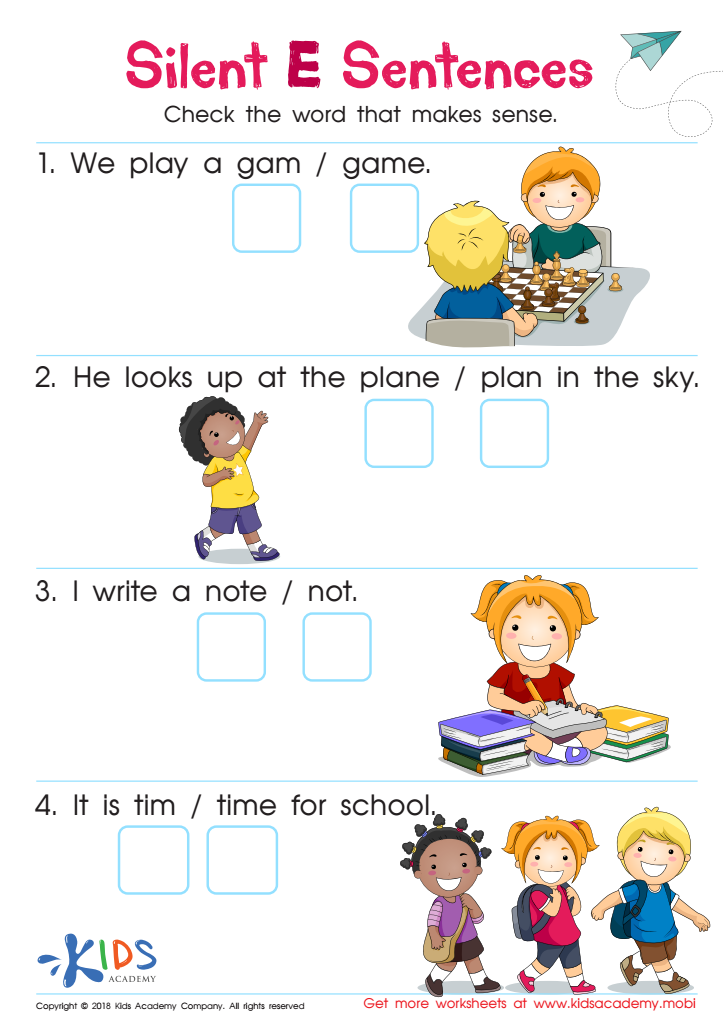
Silent E Sentences Worksheet
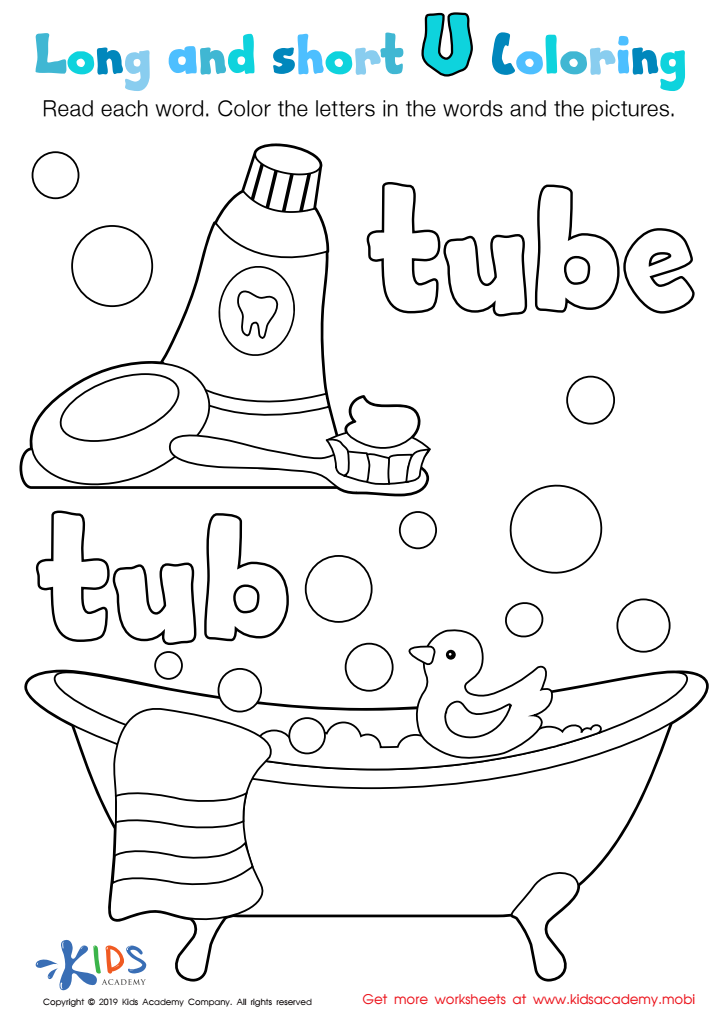
Long and Short U Worksheet
 Assign to My Students
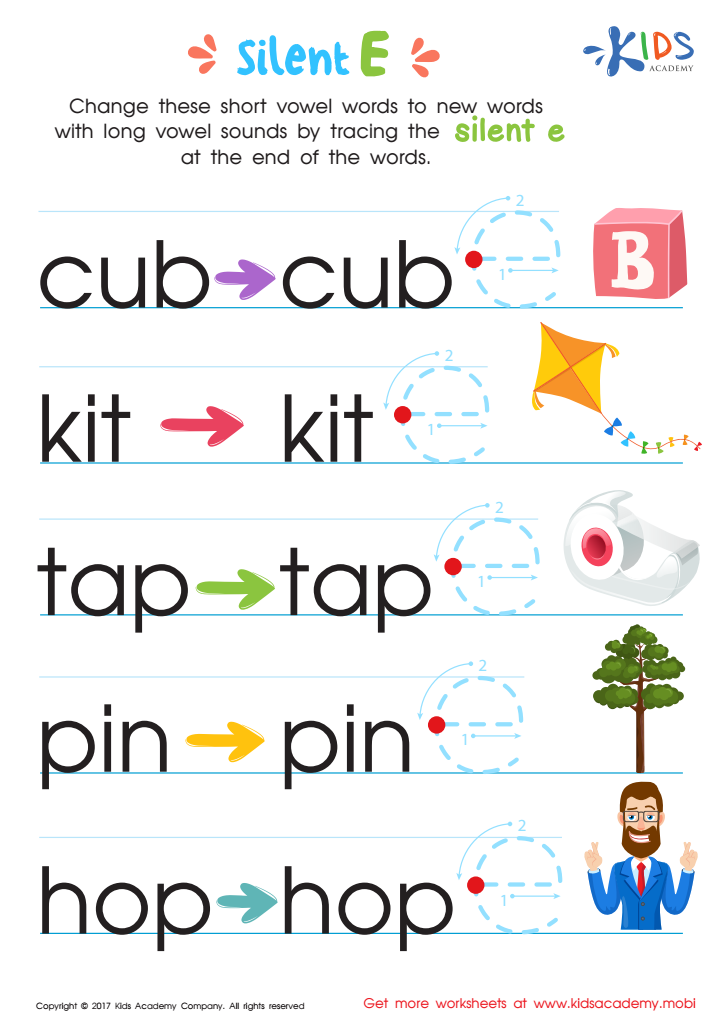
Silent E Words Worksheet
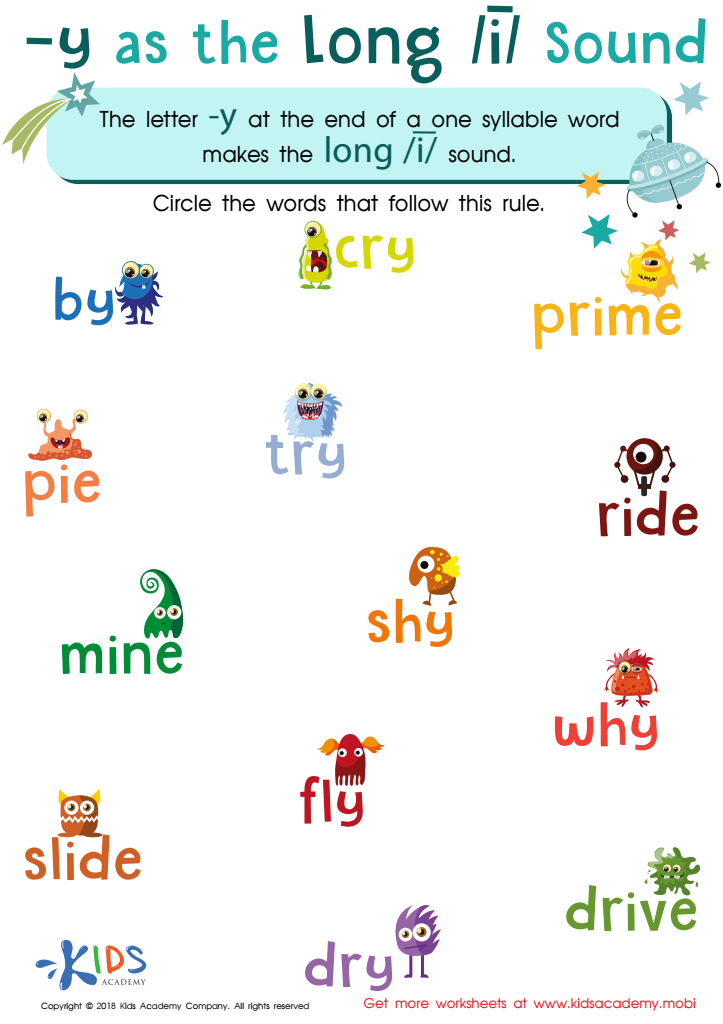
Reading: Y as Long I Worksheet








Phonics skills are essential for young learners aged 5-7 as they lay the foundation for effective reading and writing. During this critical developmental stage, children begin to understand the relationship between letters and sounds, which is vital for decoding words. By improving phonics skills, children become more confident readers, allowing them to access a broader range of texts as they progress.
Parents and teachers should prioritize phonics instruction because proficient reading is strongly linked to academic success across all subjects. Strong phonics abilities enable children to grasp complex vocabulary, improve comprehension, and foster a love for reading, which supports lifelong learning. Additionally, research shows that children who struggle with phonics are at risk for ongoing literacy challenges, which can impact their self-esteem and engagement in school.
Furthermore, phonics-based instruction provides children with the tools they need to become independent learners. When parents and teachers collaborate to create a phonics-rich environment, they not only enhance children's language skills but also encourage critical thinking and problem-solving. Thus, supporting phonics skill development is crucial for cultivating proficient, confident readers, helping to ensure children are well-prepared for future academic challenges.








