Understanding ecosystems Normal Worksheets for Ages 5-7
7 filtered results
-
From - To
Explore the fascinating world of ecosystems with our engaging worksheets designed for children ages 5-7. These "Understanding Ecosystems" normal worksheets help young learners grasp basic concepts of interactions between living organisms and their environment. Through fun activities, children will discover the roles of plants, animals, and humans within ecosystems, fostering a foundational appreciation for nature. Each worksheet features colorful illustrations and simple questions to inspire curiosity and critical thinking. Perfect for both classroom and at-home learning, these resources encourage active participation and hands-on exploration, making the topic of ecosystems accessible and enjoyable for early learners. Start nurturing eco-conscious minds today!
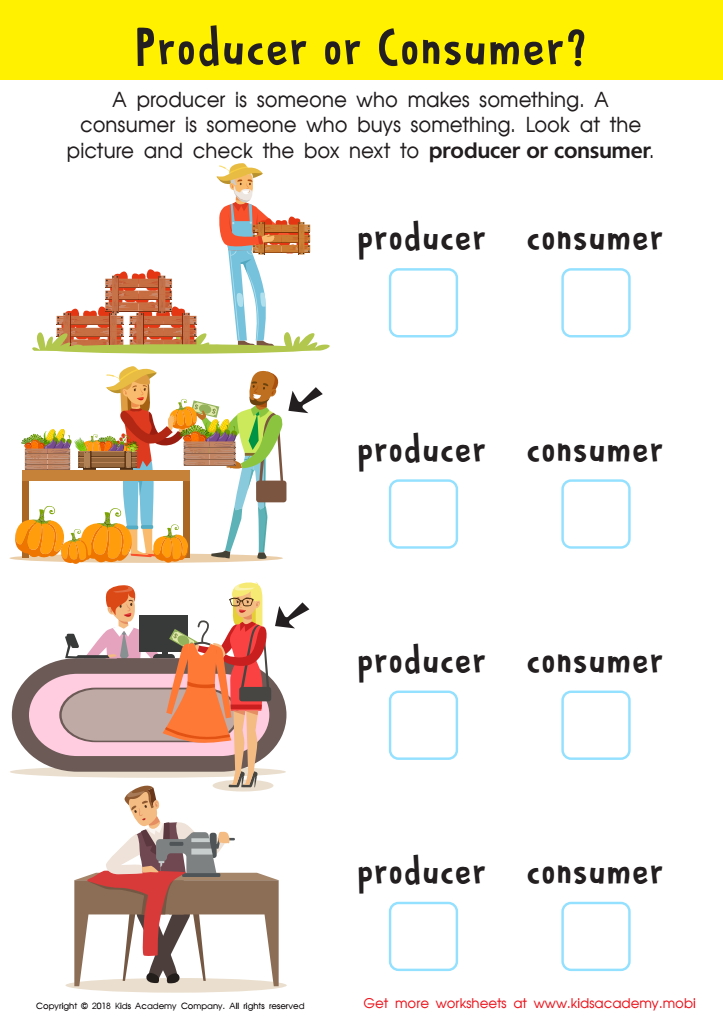
Producer or Consumer? Worksheet
 Assign to My Students
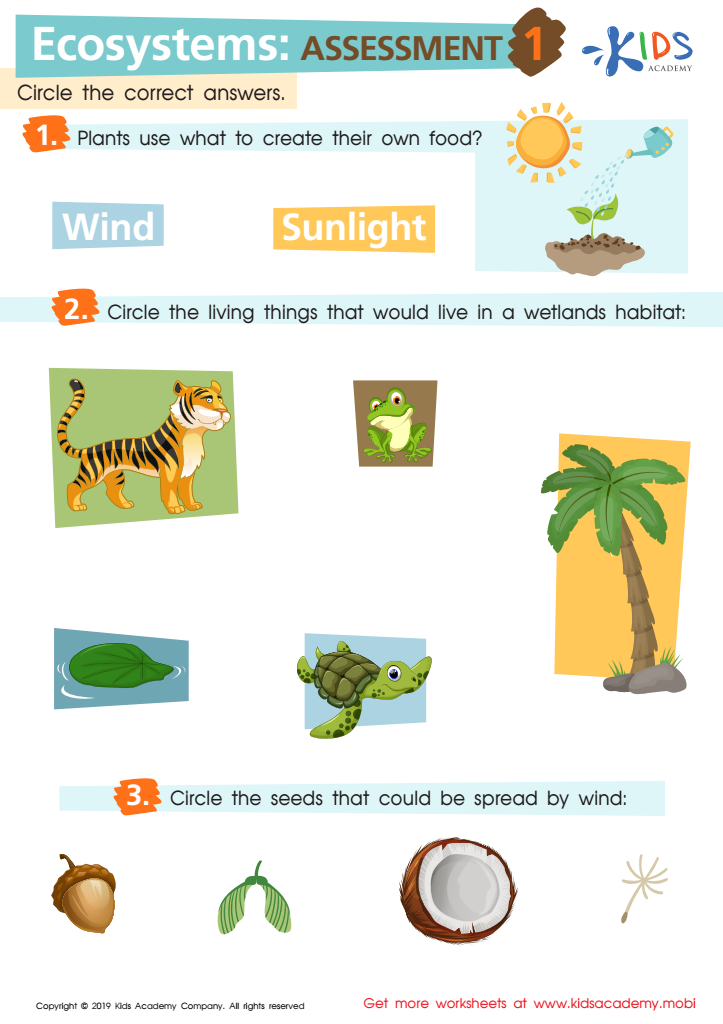
Ecosystems: Assessment 1 Worksheet
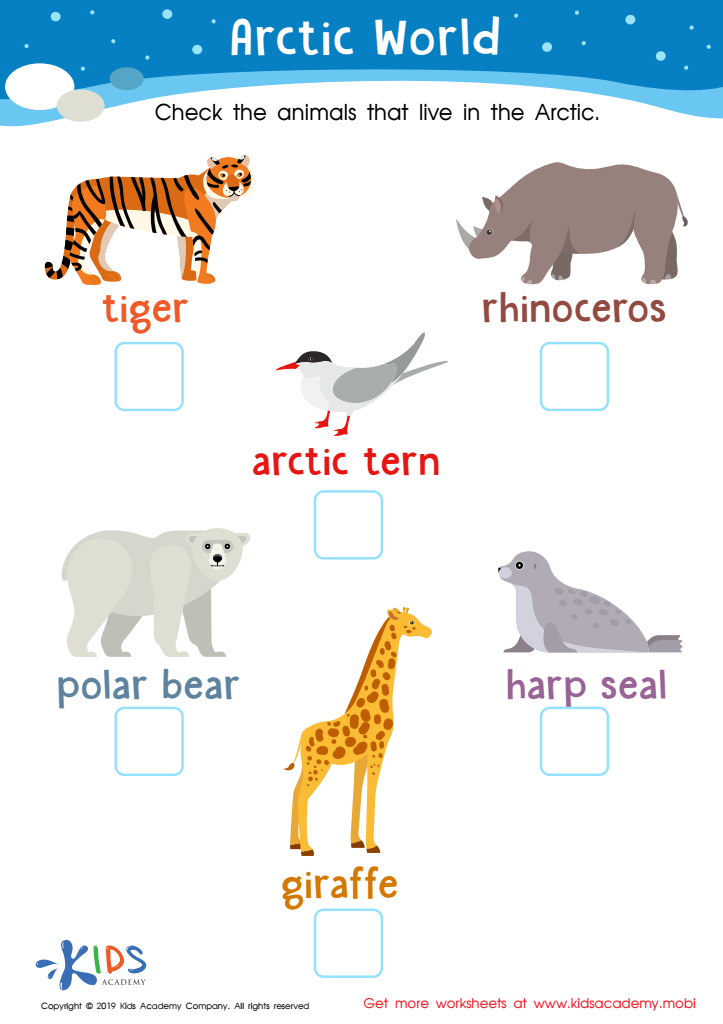
Arctic World Worksheet
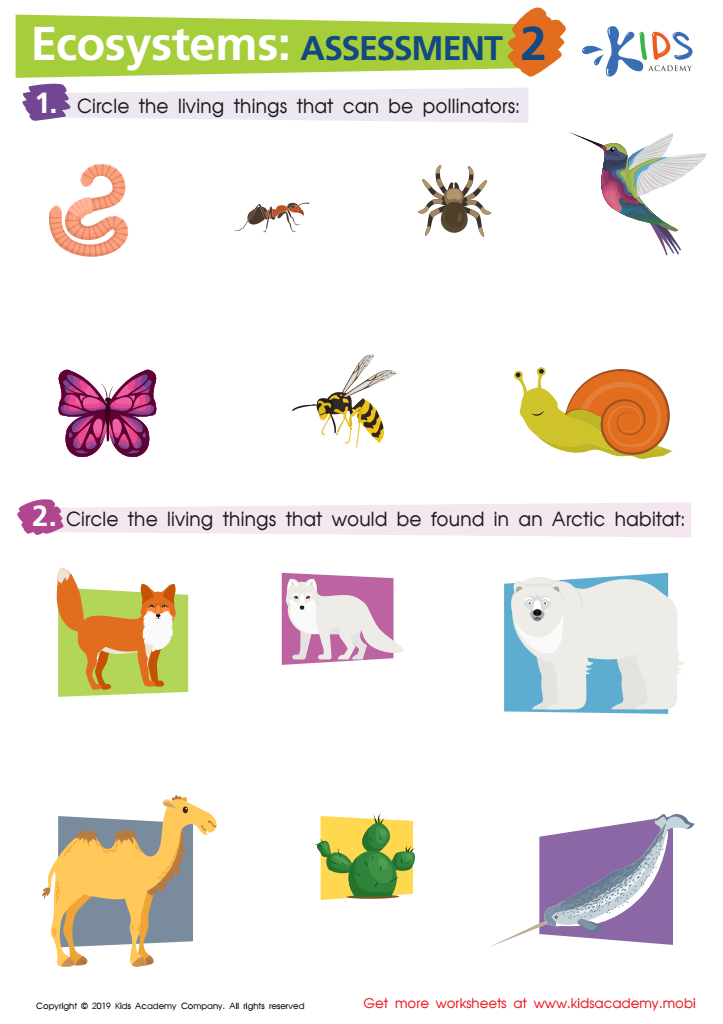
Ecosystems: Assessment 2 Worksheet
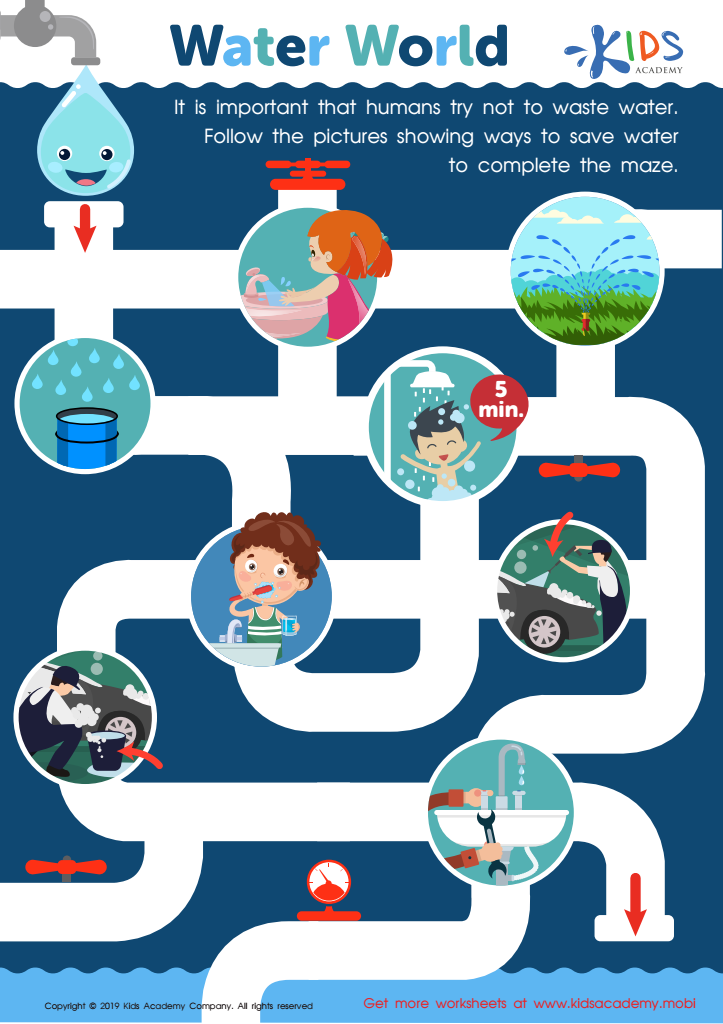
Water World Worksheet
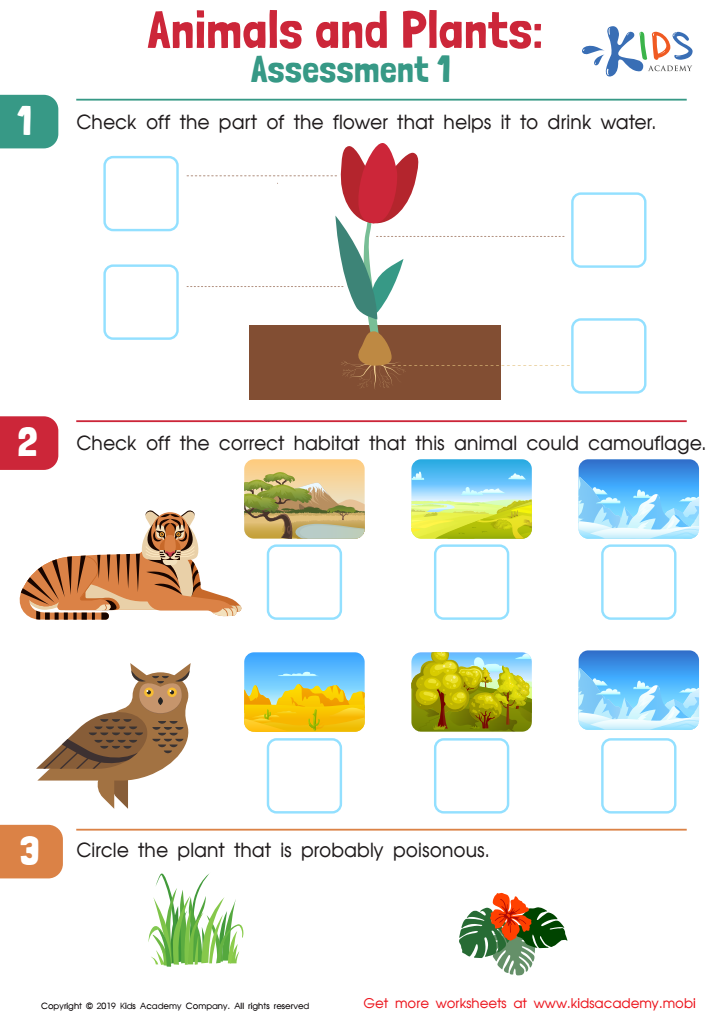
Animals and Plants: Assessment 1 Worksheet
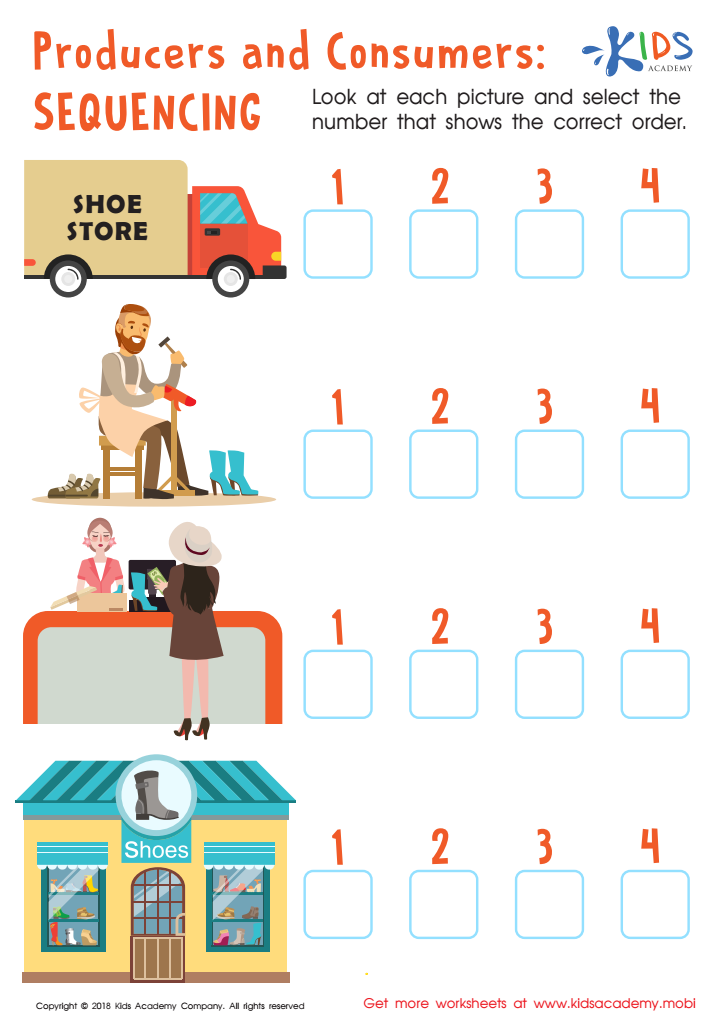
Producers and Consumers: Sequencing Worksheet






Understanding ecosystems is vital for parents and teachers because it lays the foundation for young children's awareness and appreciation of the natural world. For kids ages 5-7, learning about ecosystems encourages curiosity about living things and their environments. It helps them grasp how plants, animals, and humans interact, promoting empathy and respect for nature and all forms of life.
When children learn about ecosystems, they begin to understand the importance of biodiversity, conservation, and sustainability. These concepts are essential as they shape responsible future citizens who are aware of their impact on the environment. Early education about ecosystems fosters critical thinking skills as kids explore cause-and-effect relationships in nature.
Furthermore, learning about ecosystems supports holistic development through various educational activities—like nature walks, interactive games, and storytelling. These activities can build social skills, creativity, and communication while making learning fun and engaging.
Incorporating discussions about ecosystems in early education also helps kids develop a sense of wonder and a lifelong love for nature. Ultimately, teaching young children about these vital subjects is an investment in their understanding of the world, ensuring they are informed and responsible caretakers of the environment in the future.








