Problem-solving abilities Normal Addition & Subtraction Worksheets for Ages 5-7
10 filtered results
-
From - To
Enhance your child's problem-solving abilities with our engaging Normal Addition & Subtraction Worksheets, specifically designed for ages 5-7. These worksheets offer a fun and interactive way for young learners to develop essential math skills while fostering critical thinking. Each activity encourages kids to solve real-world problems using addition and subtraction, helping them to apply their mathematical knowledge in meaningful contexts. With colorful illustrations and a variety of challenges, these worksheets captivate children's attention and make learning enjoyable. Perfect for home or classroom use, these resources will help your child build confidence and competence in math as they progress through their educational journey.
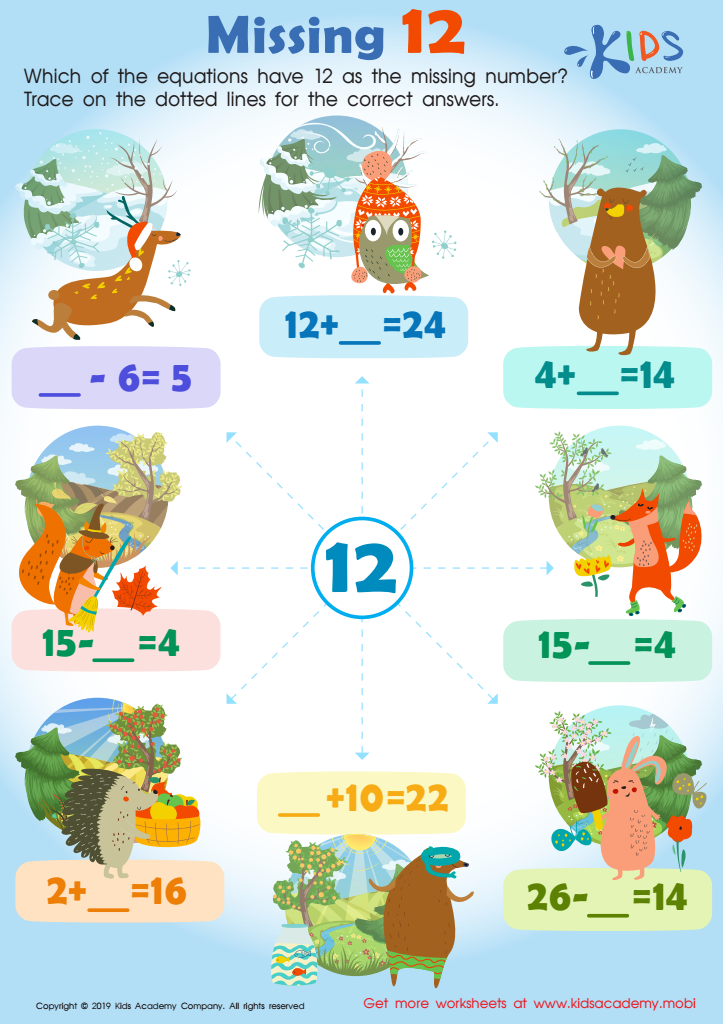
Missing 12 Worksheet
 Assign to My Students
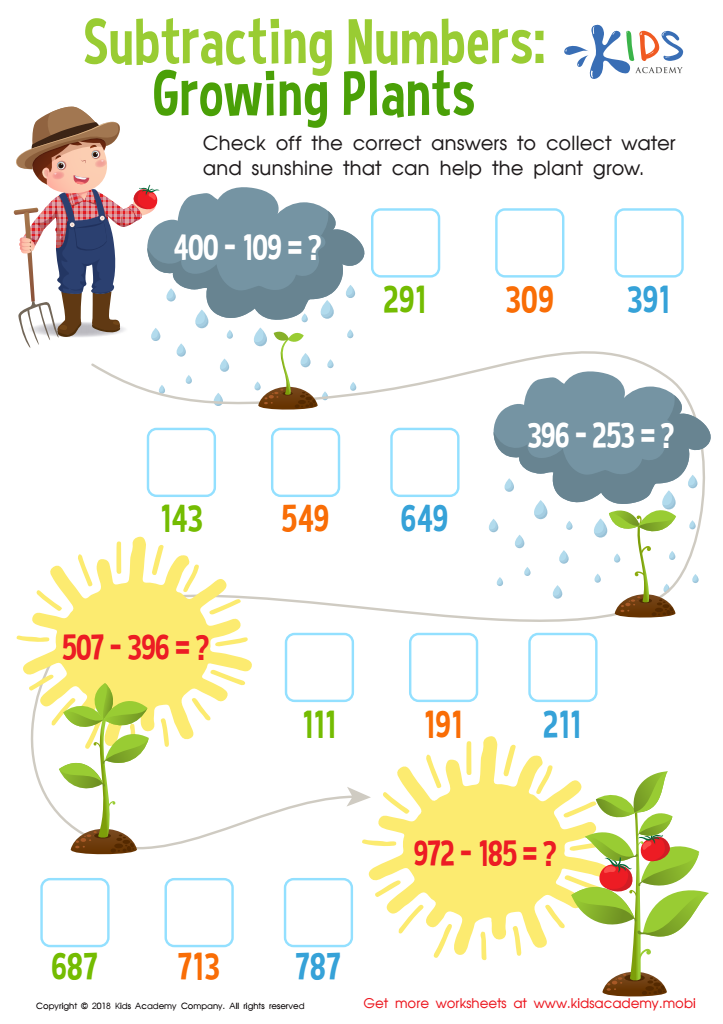
Subtracting Numbers: Growing Plants Worksheet
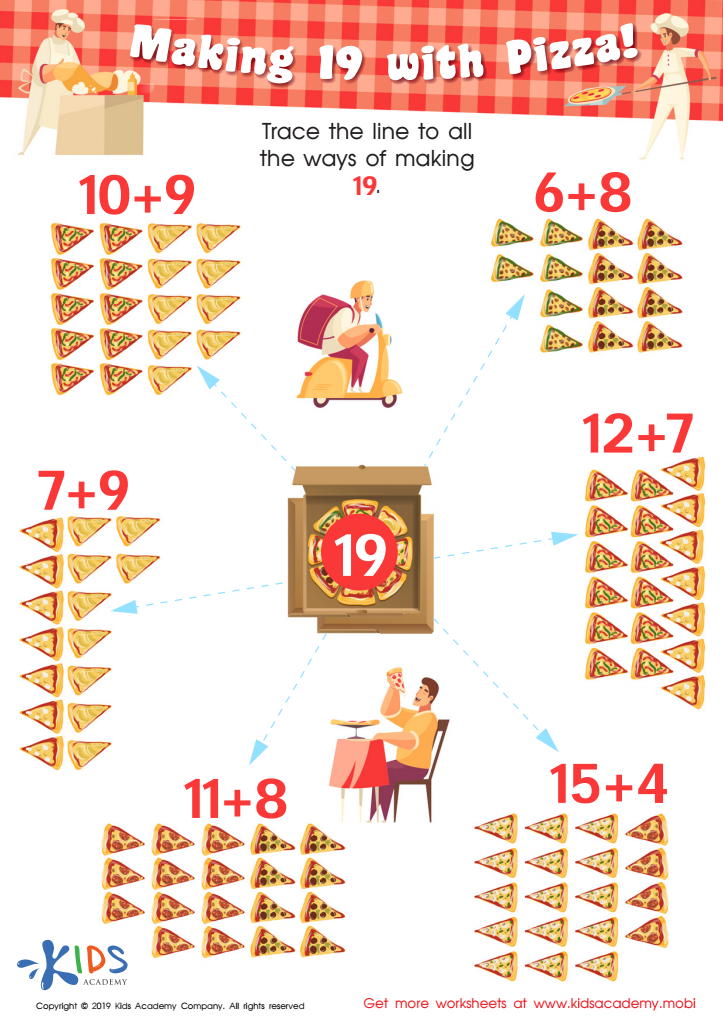
Making 19 with Pizza! Worksheet
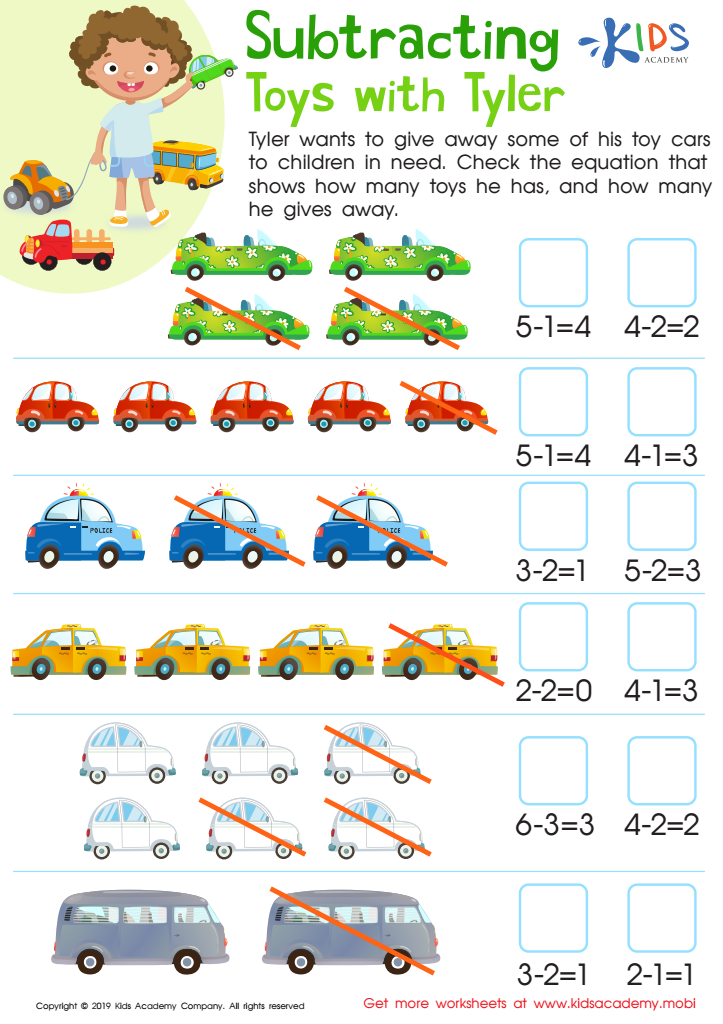
Subtracting Toys with Tyler Worksheet

Adding at the Hospital Worksheet
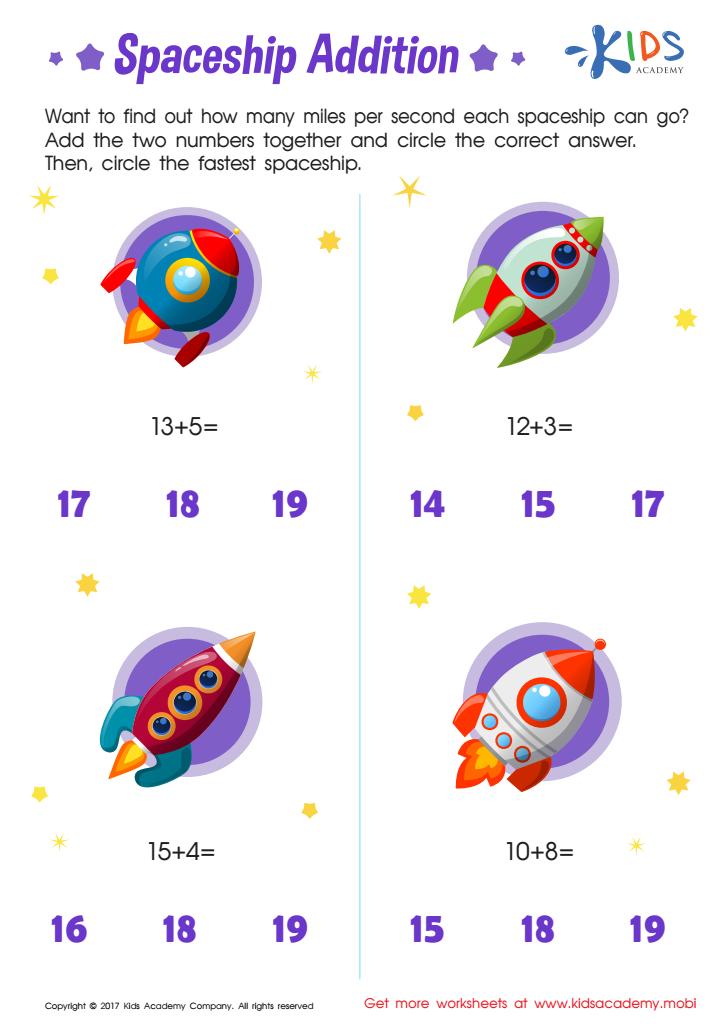
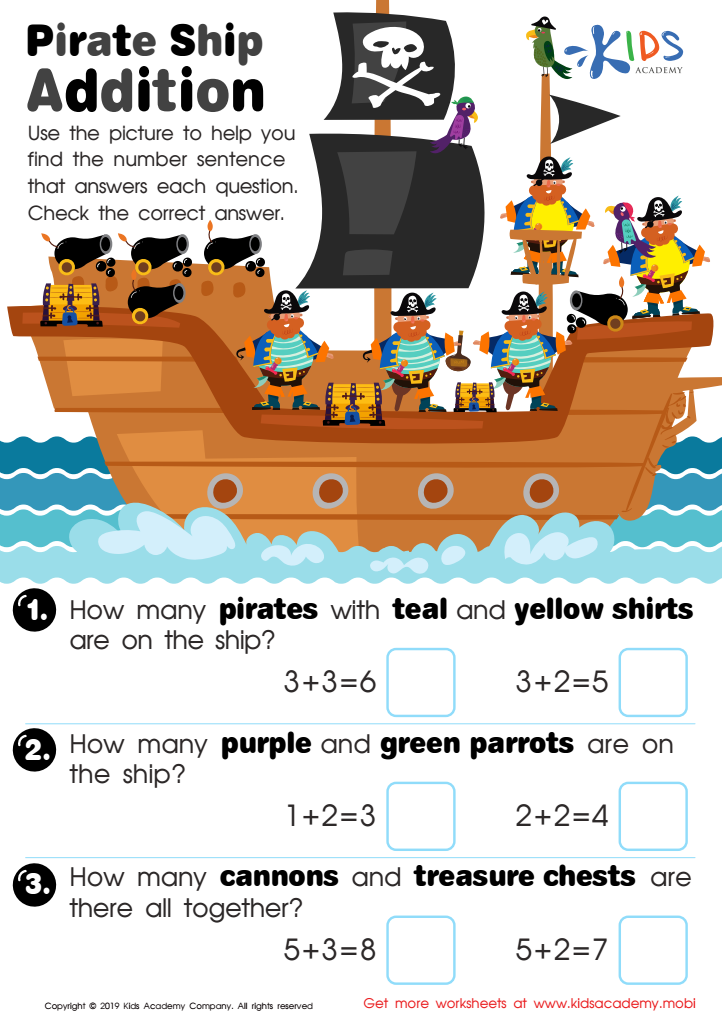
Pirate Ship Addition Worksheet
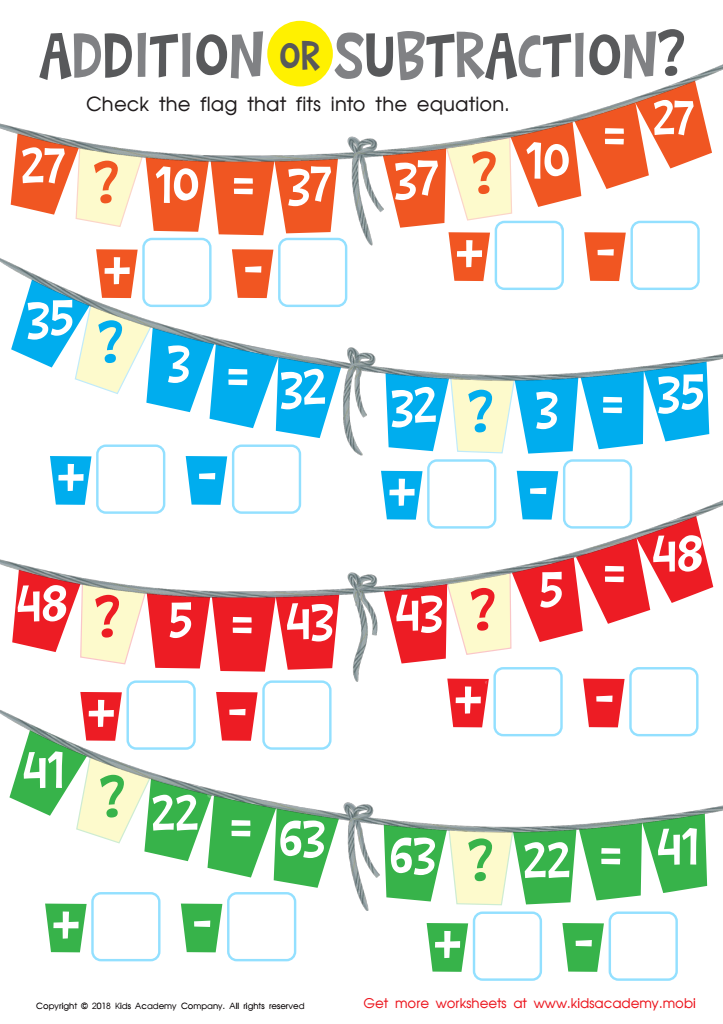
Addition or Subtraction? Worksheet
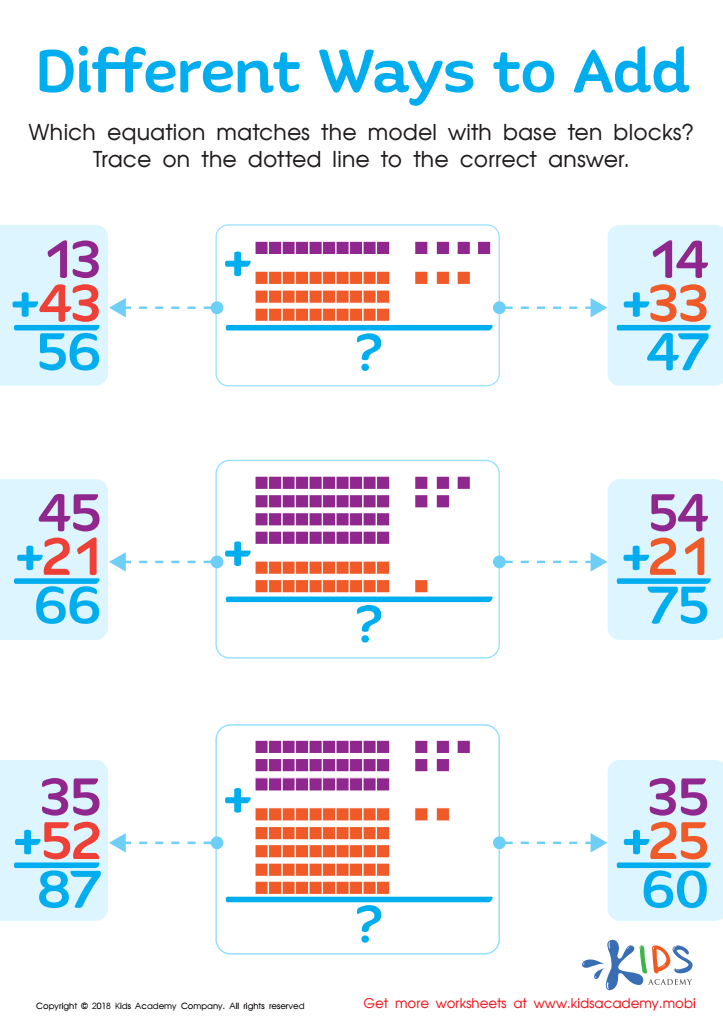
Different Ways to Add Worksheet
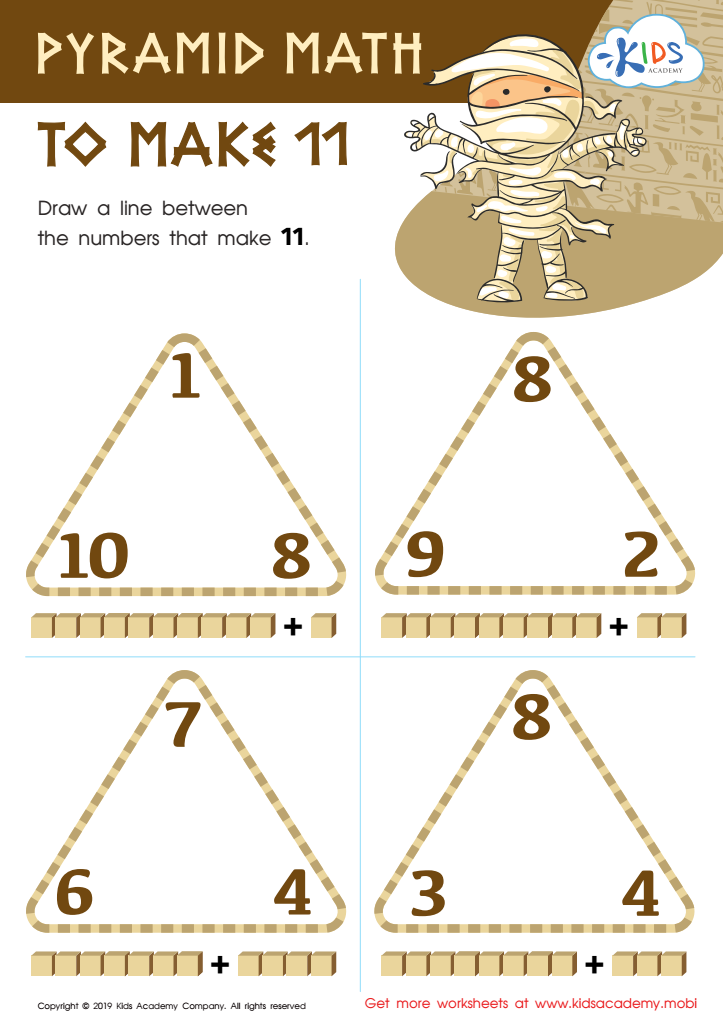
Pyramid Math to Make 11 Worksheet








Parents and teachers play a crucial role in nurturing the problem-solving abilities of children aged 5-7, especially when it comes to normal addition and subtraction. At this developmental stage, children are beginning to form a foundational understanding of numbers and mathematical concepts. Problem-solving in mathematics encourages critical thinking skills, which are essential for daily life tasks beyond the classroom.
When children engage in problem-solving activities involving addition and subtraction, they learn to analyze situations, think logically, and work through challenges step by step. This not only boosts their mathematical confidence but also fosters perseverance, as they practice overcoming obstacles to find solutions. Moreover, problem-solving cultivates a positive attitude towards mathematics, helping students see it as an enjoyable and applicable part of their lives rather than a chore or puzzle to be solved under pressure.
Furthermore, strong problem-solving skills can enhance children's overall cognitive development, preparing them for more complex mathematical concepts in later years. For parents and teachers, it is important to create a stimulating environment that encourages exploration and promotes reasoning skills, setting the stage for academic success and lifelong learning in mathematics and beyond.








