Number Recognition Normal Math Worksheets for Ages 5-7 - Page 5
116 filtered results
-
From - To
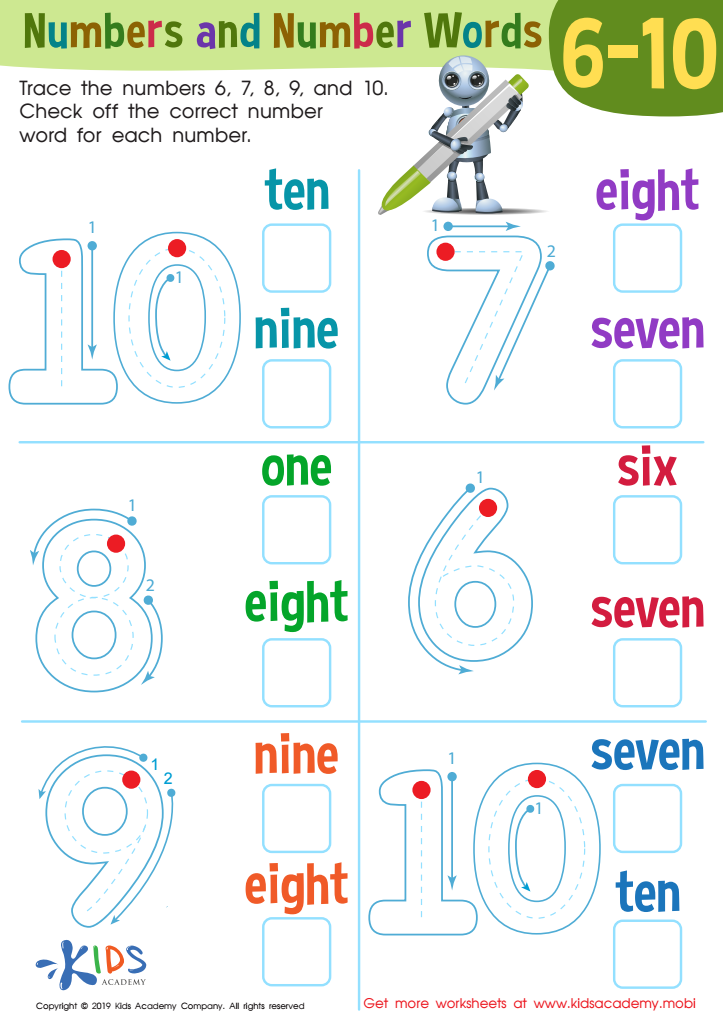
Numbers and Number Words 6–1 Worksheet
 Assign to My Students
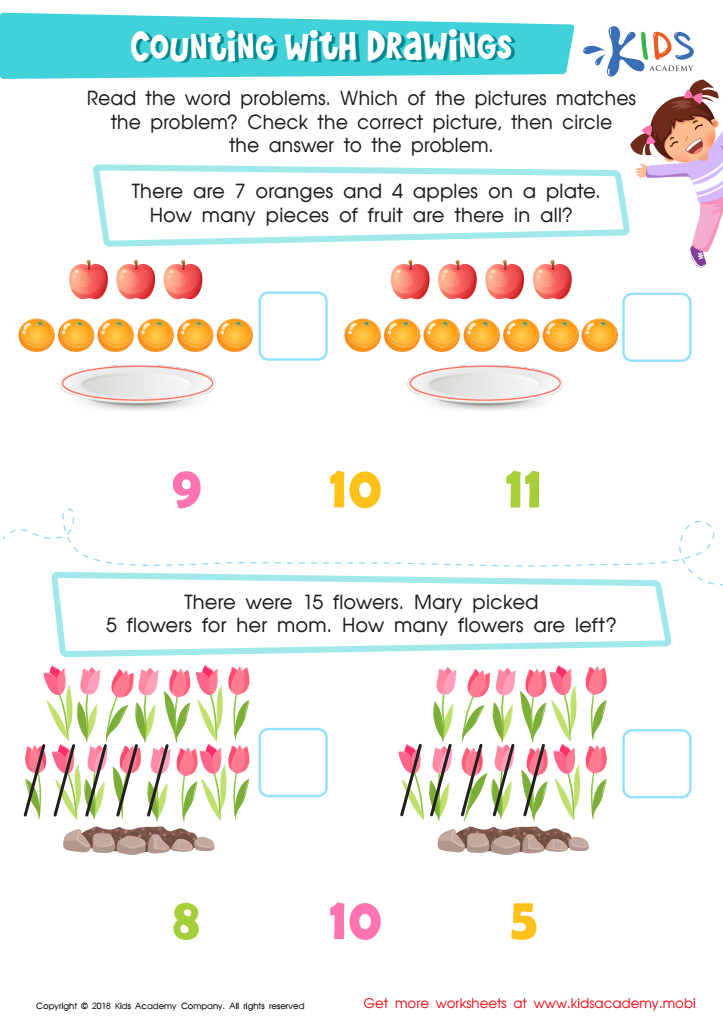
Counting with Drawings:Fruits & Flowers Worksheet
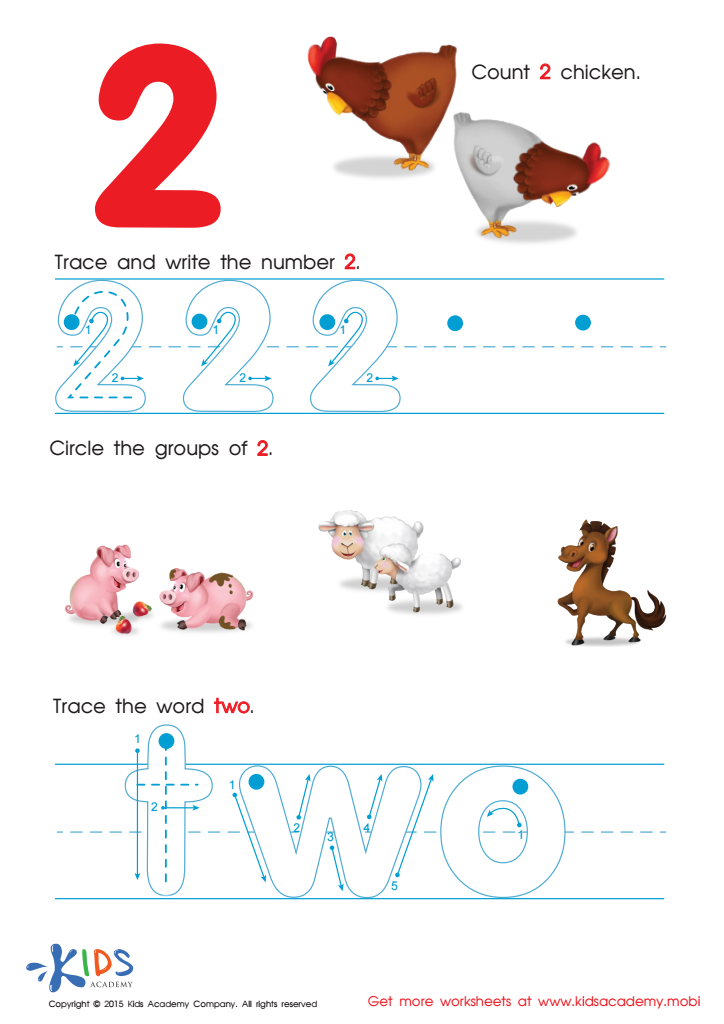
Learn to Write the Number 2 Worksheet
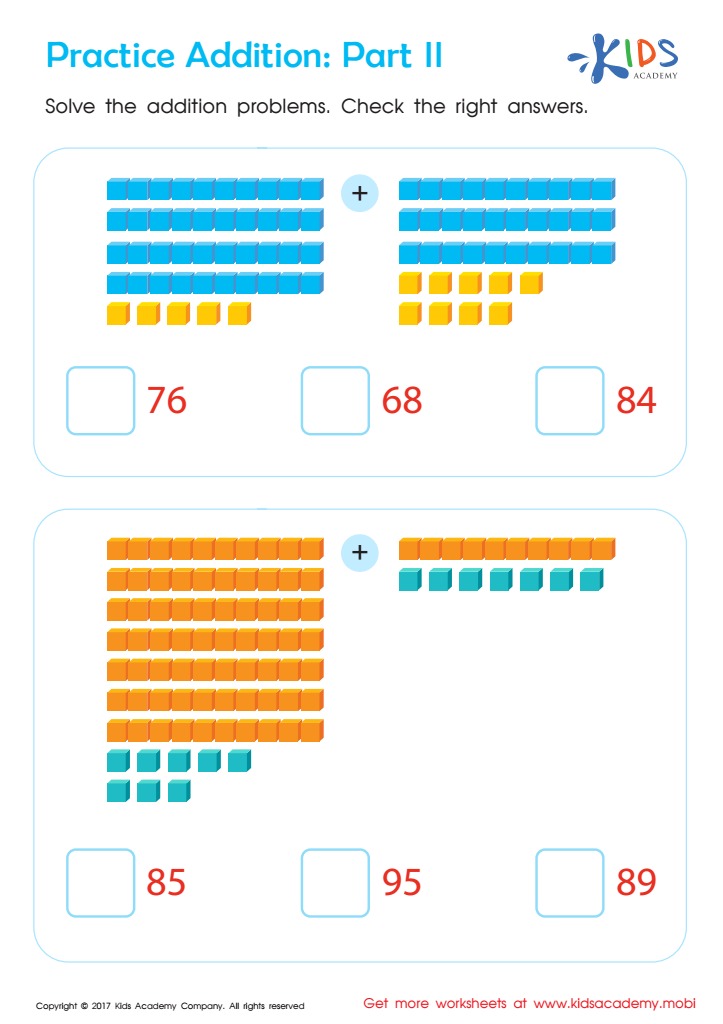
Practice Addition: Part 2 Worksheet

Ten in the Bed Worksheet
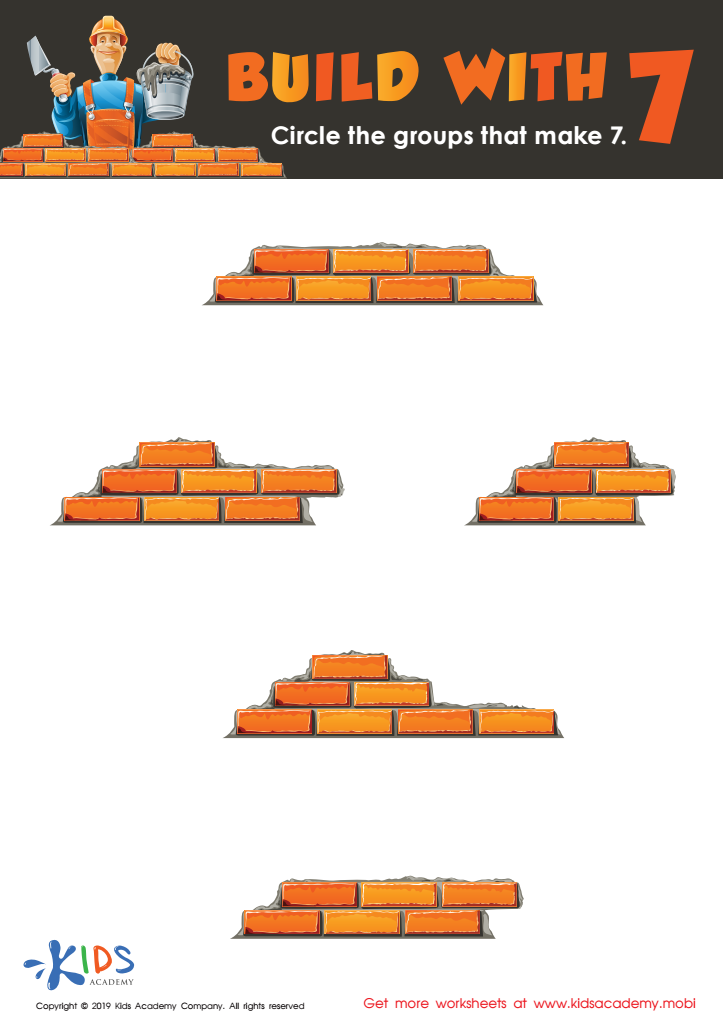
Build with 7 Worksheet
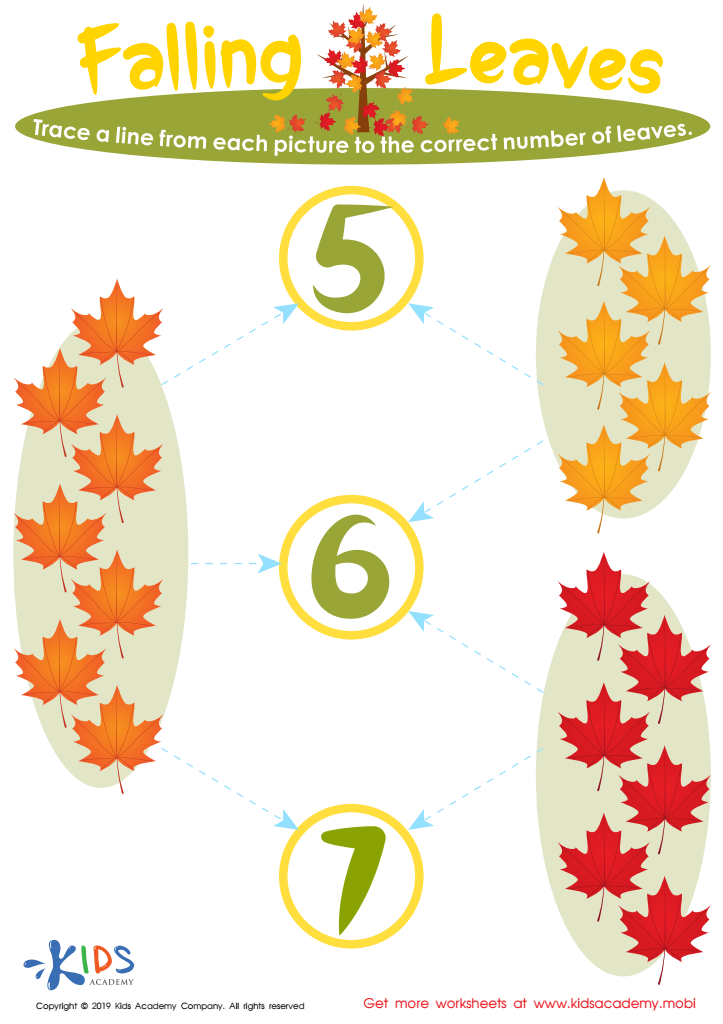
Falling Leaves Worksheet

Count and Match Vegetables 1 – 5 Math Worksheet
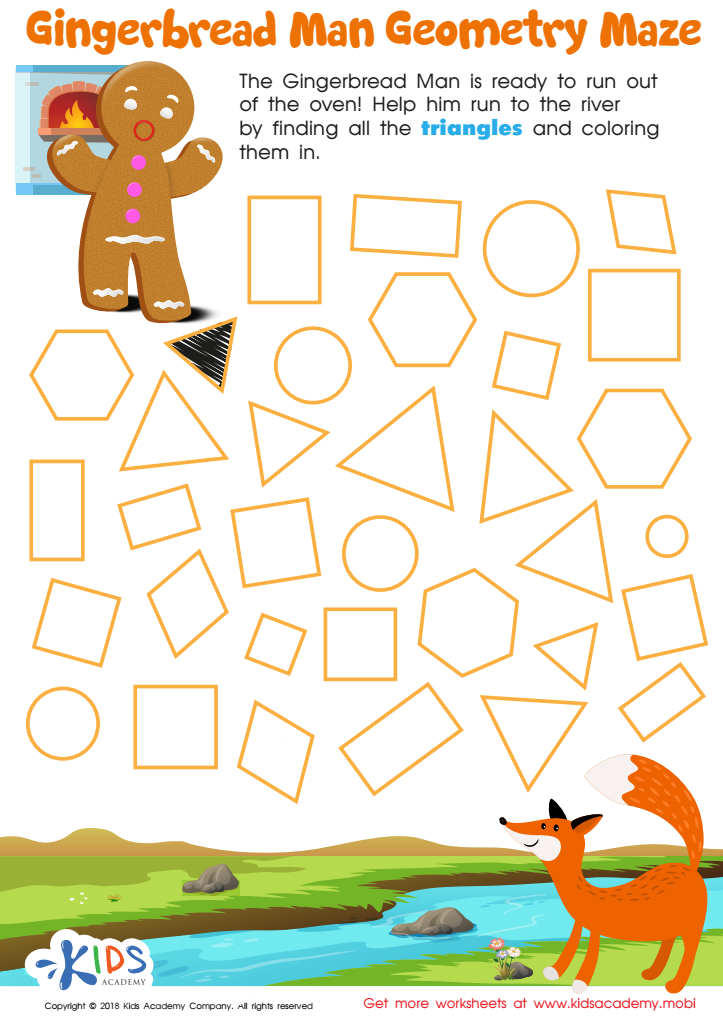
Gingerbread Man Geometry Maze Worksheet
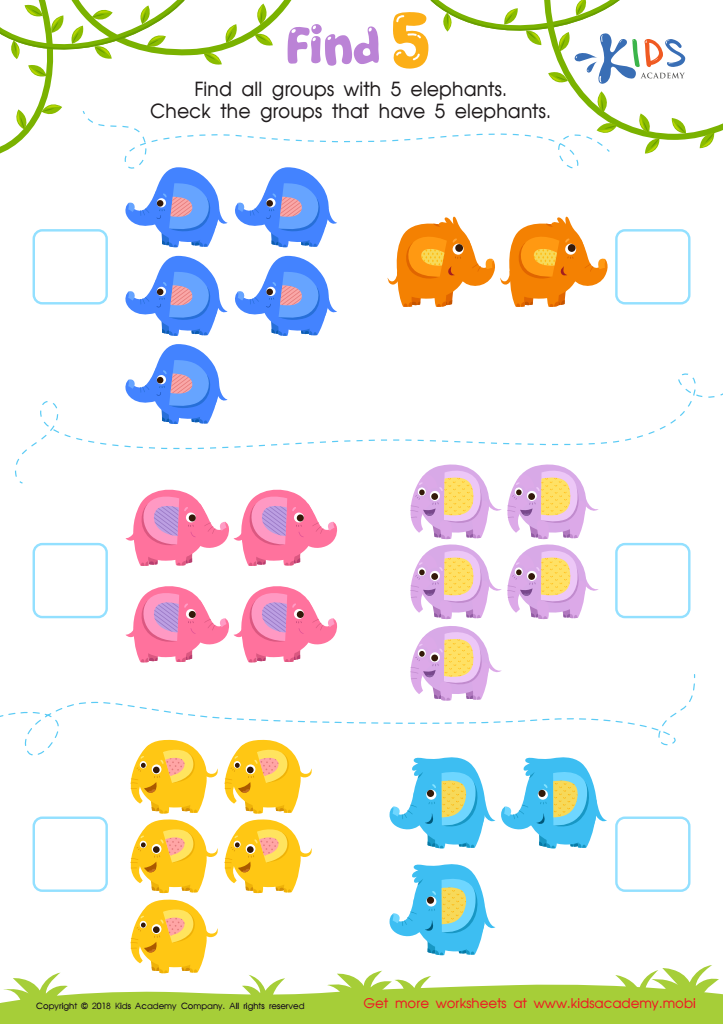
Find 5 Worksheet
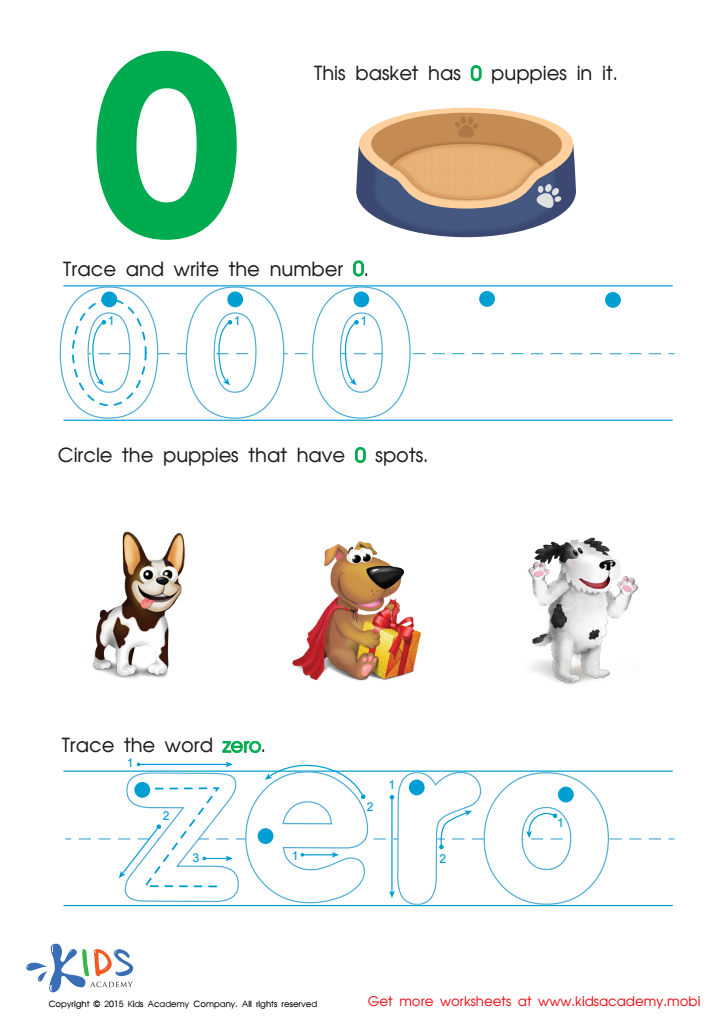
Trace And Write Number 0 Worksheet
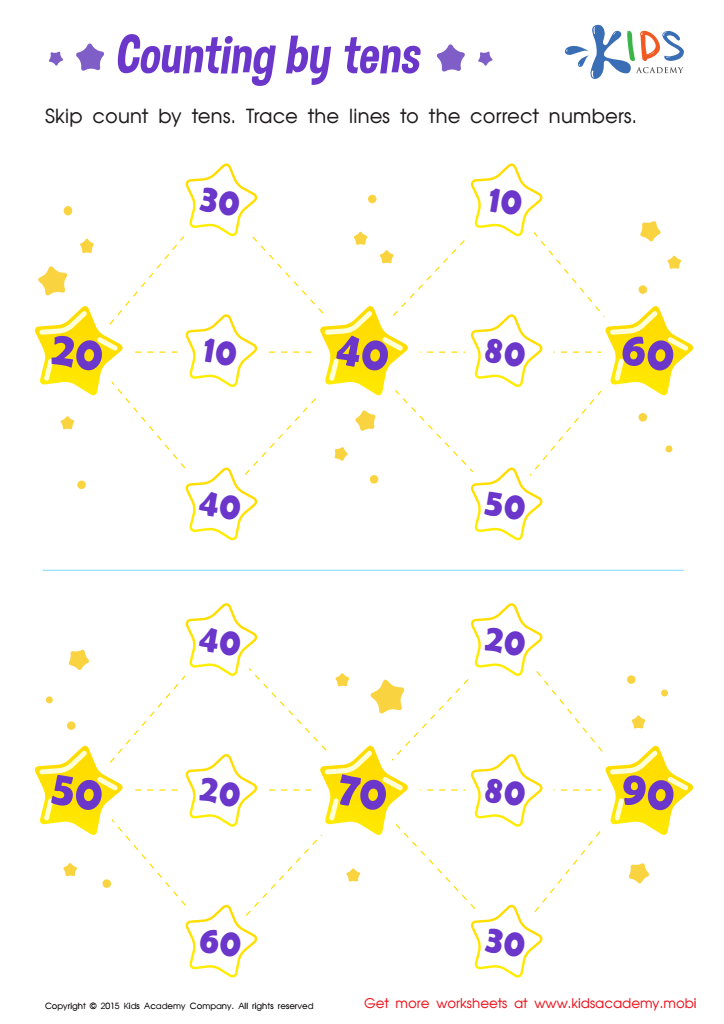
Learn Dozens: Counting by Tens Printable
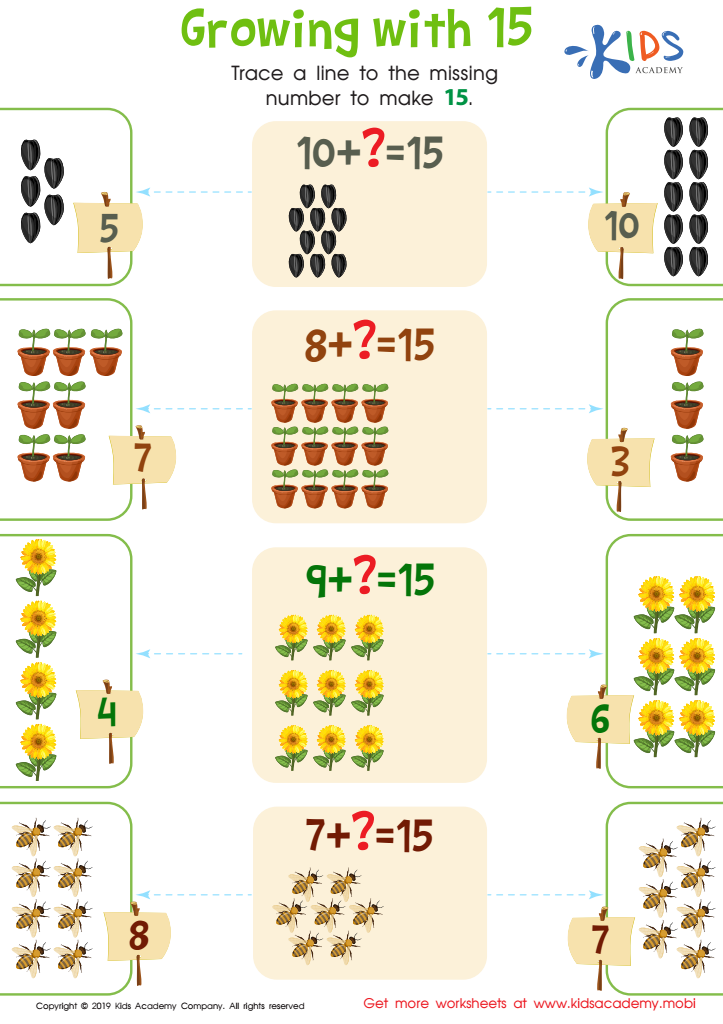
Growing with 15 Worksheet
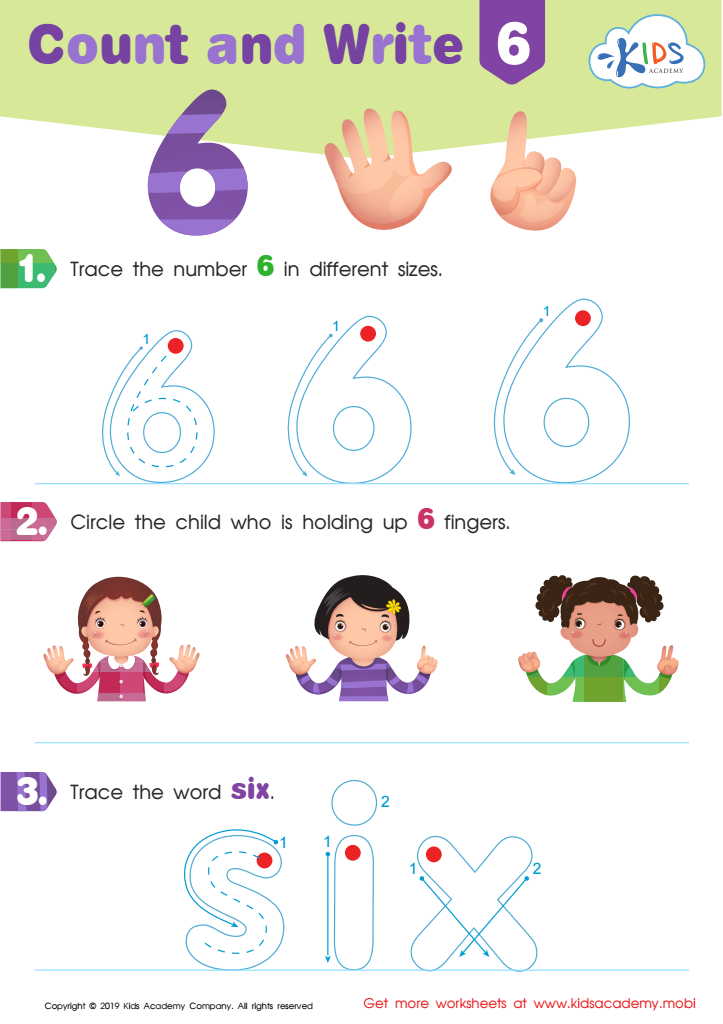
Count and Write 6 Worksheet
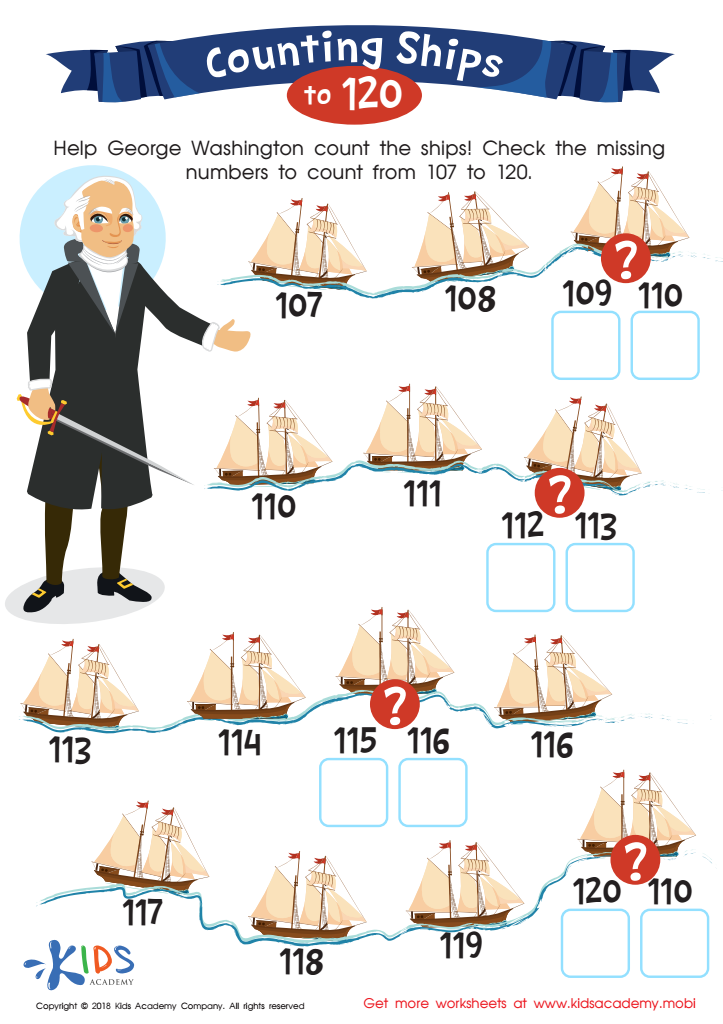
Counting Ships to 120 Worksheet
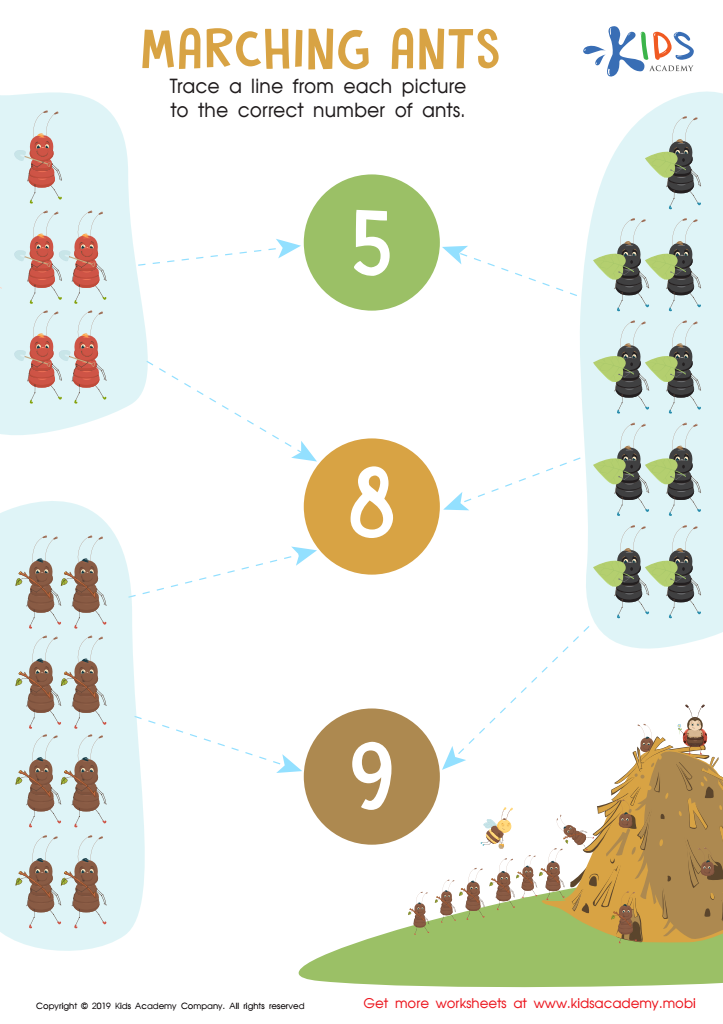
Marching Ants Worksheet
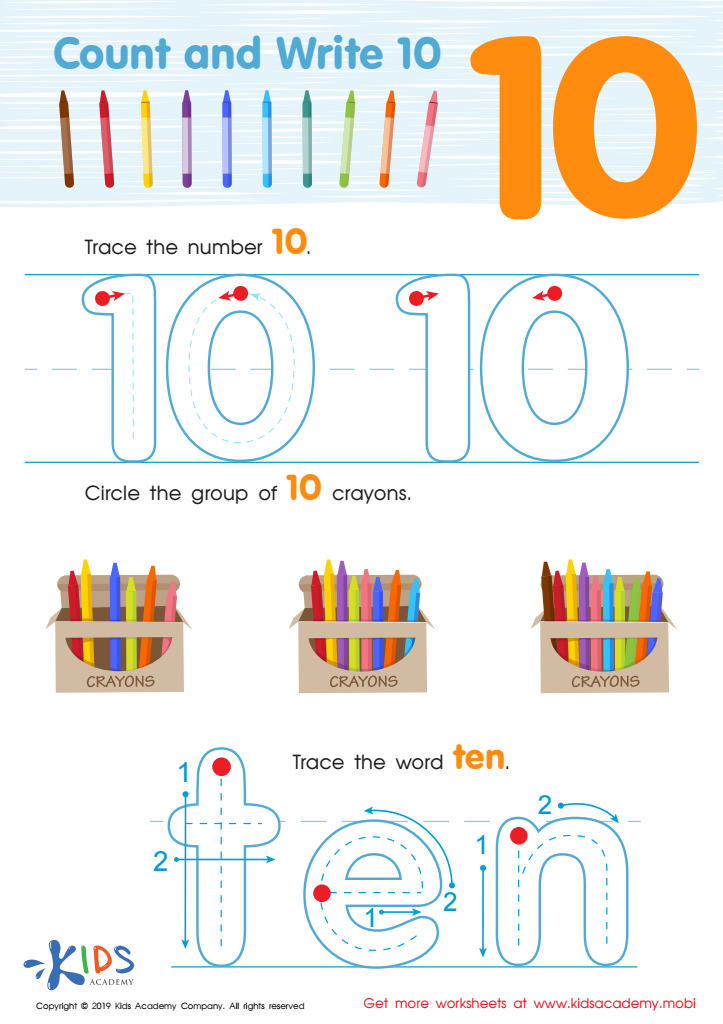
Count and Write 10 Worksheet
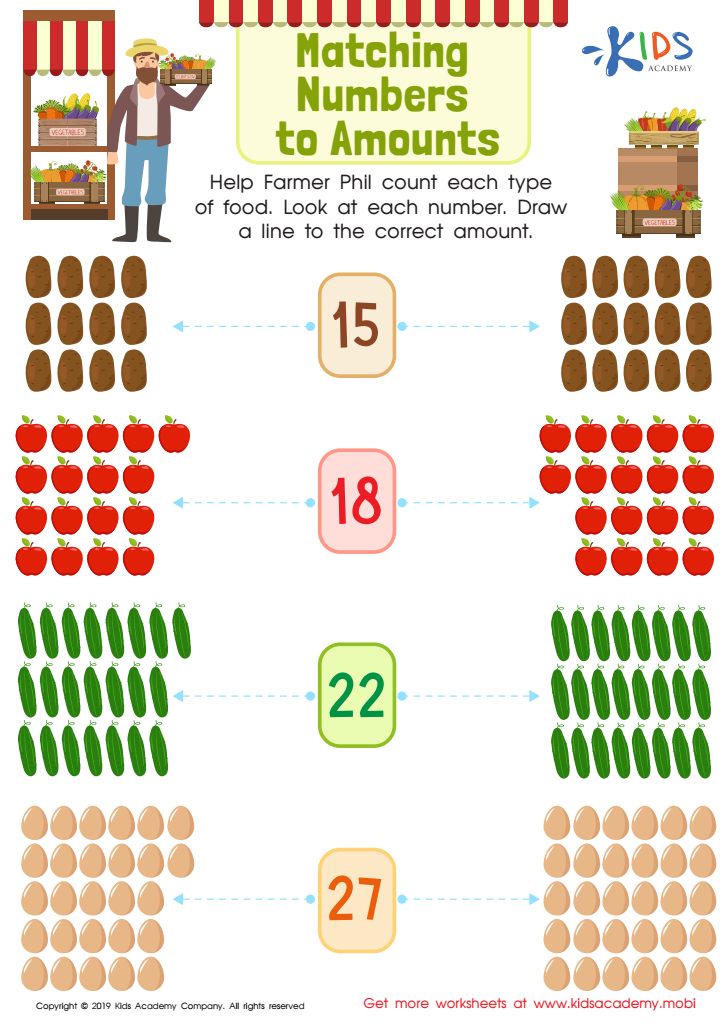
Matching Numbers to Amounts Worksheet
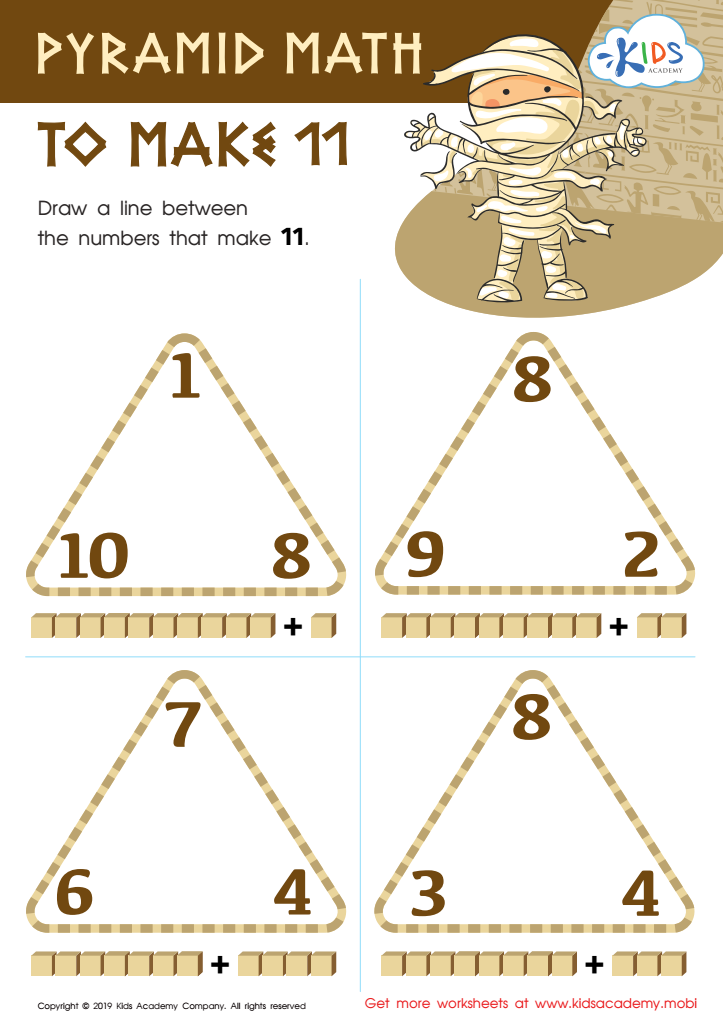
Pyramid Math to Make 11 Worksheet
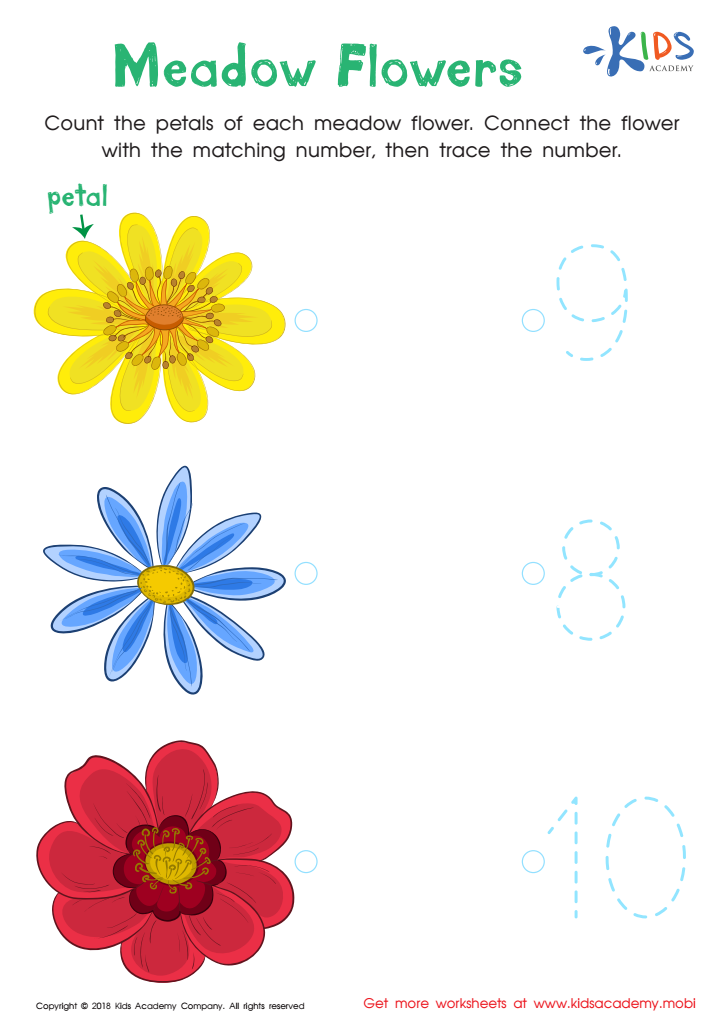
Kindergarten Number Tracing: Medow Flowers Worksheet


.jpg)





Number recognition is a vital foundational skill for young children, especially those between the ages of 5 and 7, as it forms the basis of their mathematical understanding and future academic success. At this age, children are typically in kindergarten or early elementary school, and learning to recognize numbers accurately and effortlessly helps them develop a solid grasp of basic math concepts.
First, number recognition allows children to understand the meaning of numbers, which is crucial for counting, comparing quantities, and performing simple arithmetic operations like addition and subtraction. It helps them connect abstract symbols (numbers) with concrete quantities, facilitating a deeper comprehension of math principles.
Moreover, early proficiency in number recognition builds confidence and reduces anxiety related to math activities. When children can quickly recognize and name numbers, they are more likely to participate actively in classroom activities, games, and exercises involving numbers, which reinforces their learning.
Additionally, this skill is essential for real-world applications. Recognizing numbers is necessary for everyday tasks such as telling time, understanding prices while shopping, and recognizing addresses, which all promote a child’s independence and competence outside of school.
In summary, parents and teachers should prioritize number recognition for young children because it lays the groundwork for more complex math skills, boosts confidence, and equips children with essential life skills.








