Problem-solving practice Normal Math Worksheets for Ages 5-7
3 filtered results
-
From - To
Unlock your child's potential with our Problem-Solving Practice Normal Math Worksheets for ages 5-7. These tailored resources provide engaging and challenging tasks to develop critical thinking and problem-solving skills. Designed by educators, each worksheet combines fun activities with essential math concepts, including addition, subtraction, patterns, and logic games. Ideal for both classroom and home use, our worksheets ensure a solid foundation for future mathematical success. Support your child's learning journey and boost their confidence—explore our collection today and make math exciting and rewarding. Perfect for early learners, fostering a love for mathematics from a young age!
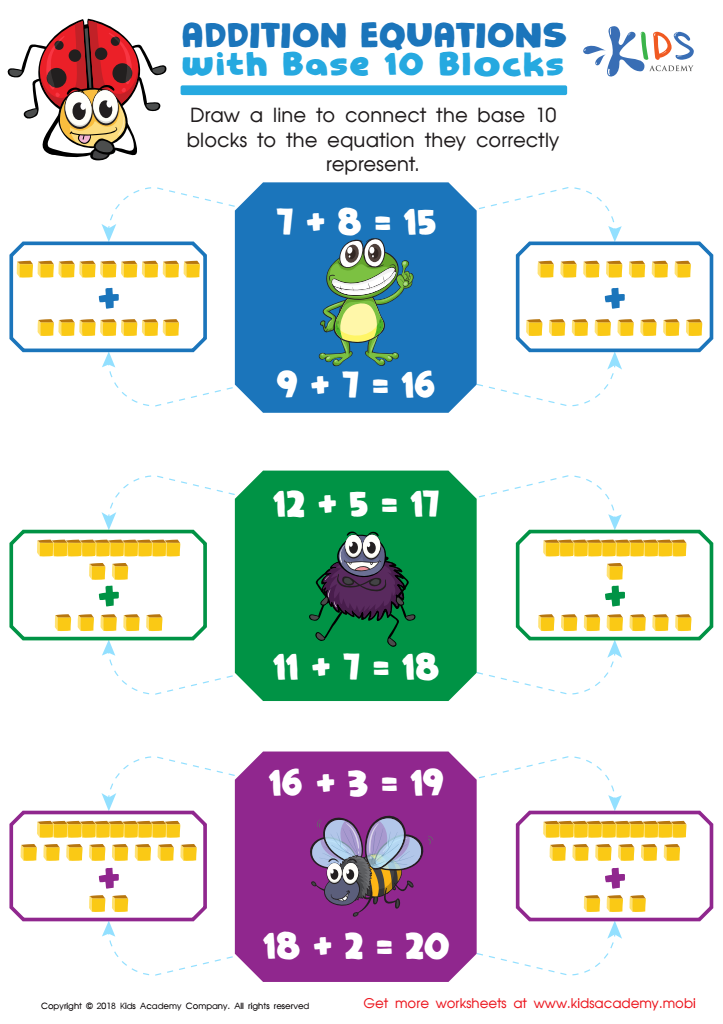
Addition Equations With Base 10 Blocks Worksheet
 Assign to My Students
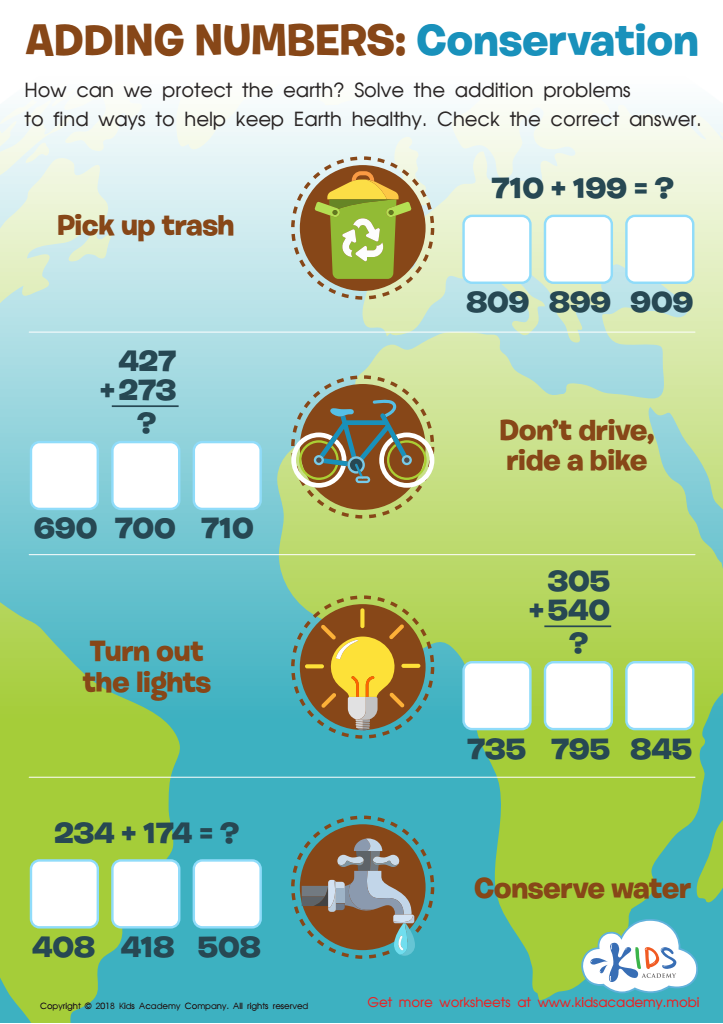
Adding Numbers: Conservation Worksheet
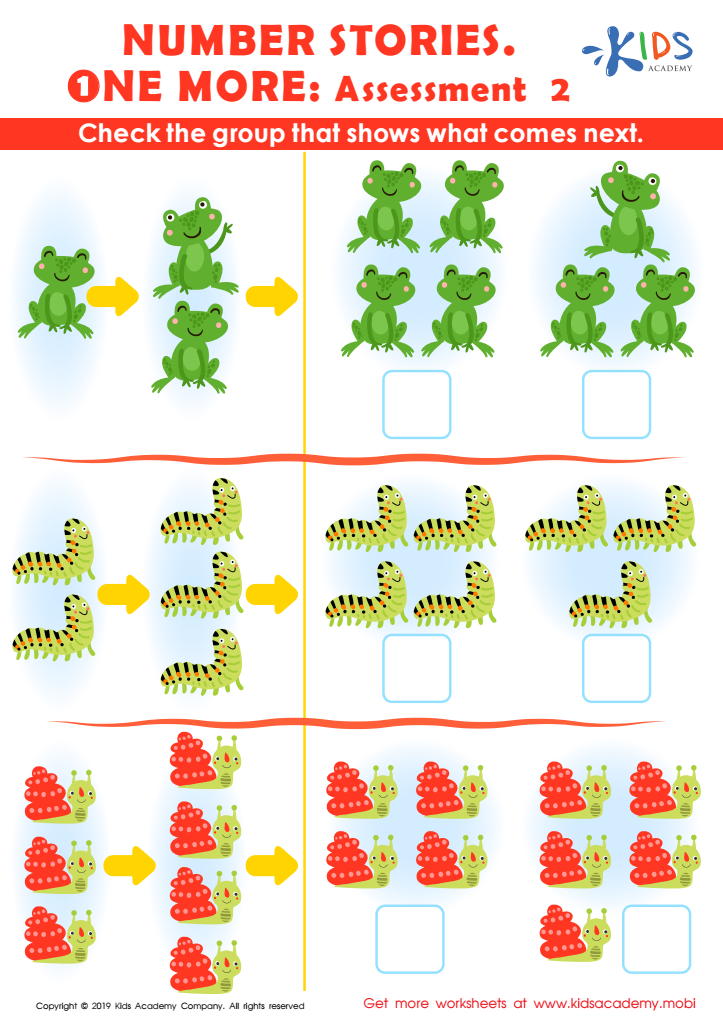
Number Stories One More – Assessment 2 Worksheet








Parents and teachers should care about problem-solving practice in normal math for children aged 5-7 because developing these foundational skills is crucial for both academic and real-life success. At this young age, children's brains are highly adaptable and primed for learning, making it the ideal time to introduce problem-solving techniques. Engaging in problem-solving activities helps children understand mathematical concepts in a practical context, fostering critical thinking and logical reasoning.
Problem-solving practice encourages children to explore different strategies for finding solutions. This builds their confidence and persistence in tackling challenging tasks, which are essential qualities for lifelong learning. Additionally, these skills positively impact other areas of learning, including reading comprehension and scientific reasoning, by promoting analytical thinking and creativity.
Furthermore, early math experiences can lay the groundwork for a positive attitude towards mathematics, reducing math anxiety as children grow older. This is important because a strong foundation in math opens doors to numerous future career opportunities in fields such as technology, engineering, and finance.
Finally, regular practice in problem-solving helps children learn to collaborate and communicate effectively, as they frequently work together to solve problems. This social aspect supports their emotional development and builds essential teamwork skills.
In summary, prioritizing problem-solving practice in math for young children promotes cognitive development, academic success, and essential life skills.








