Vocabulary Building Normal Math Worksheets for Ages 5-7
6 filtered results
-
From - To
Enhance your child's math skills and vocabulary with our innovative Vocabulary Building Normal Math Worksheets for Ages 5-7. Tailored specifically for early learners, these engaging worksheets blend essential math concepts with vocabulary development, ensuring a holistic learning experience. Whether it's basic addition, subtraction, or recognizing shapes and patterns, each worksheet incorporates key math terms to build language skills. Perfect for home or classroom use, these printables offer an enjoyable and effective way to strengthen foundational skills in young learners. Explore our collection and watch your child excel in both math and vocabulary in an exciting and educative way!
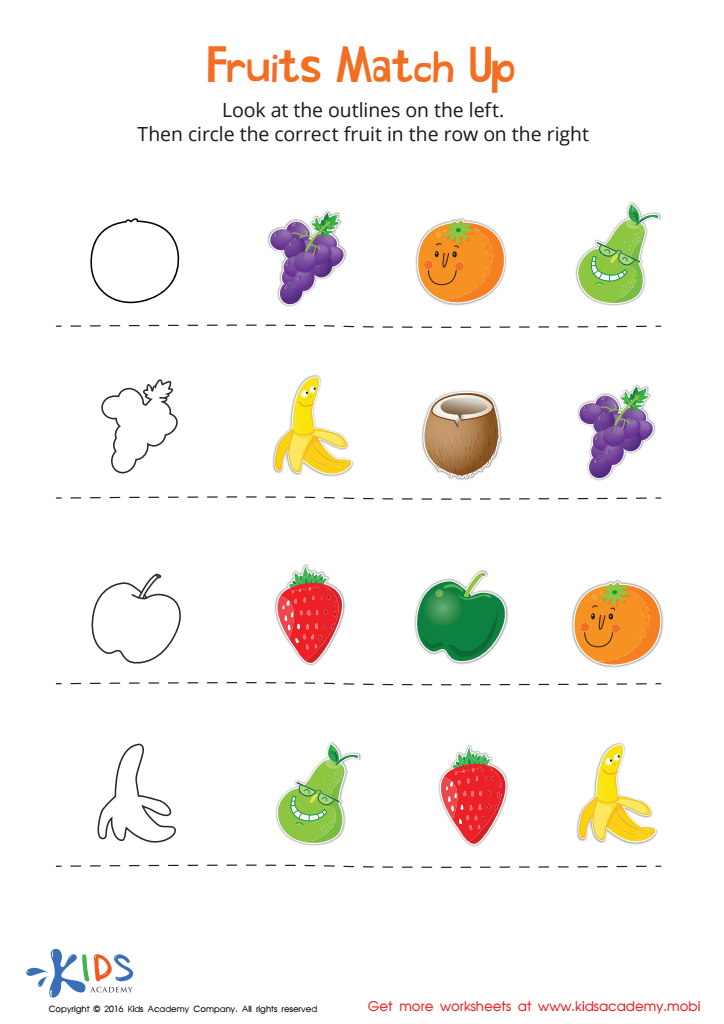
Fruits Match Up Worksheet
 Assign to My Students
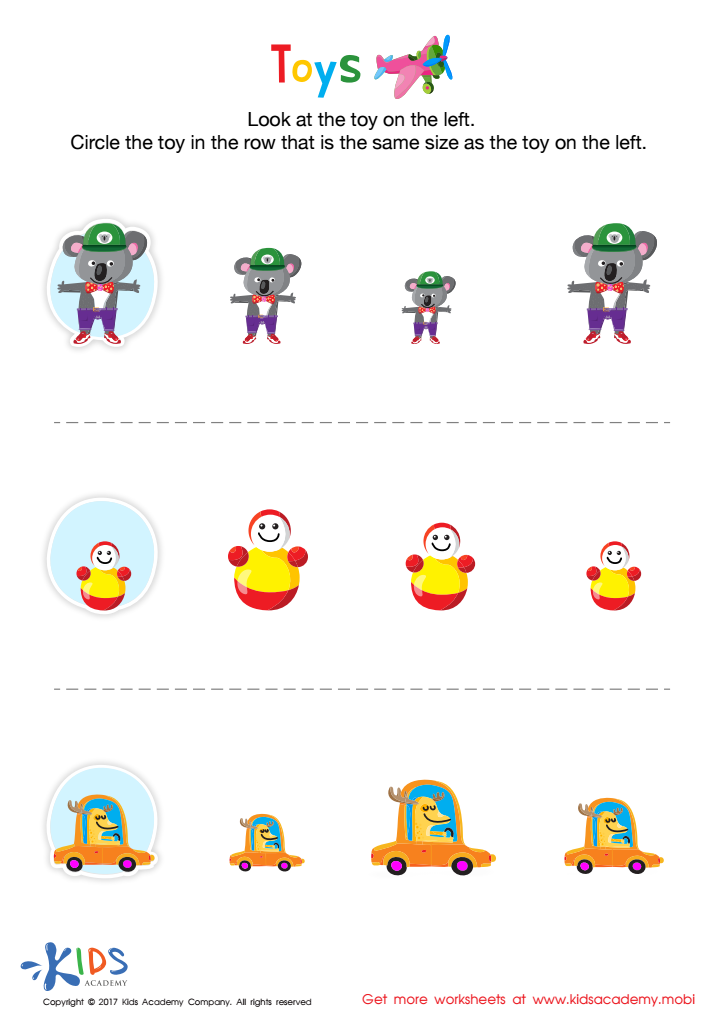
Matching: Classifying Toys by Size Worksheet
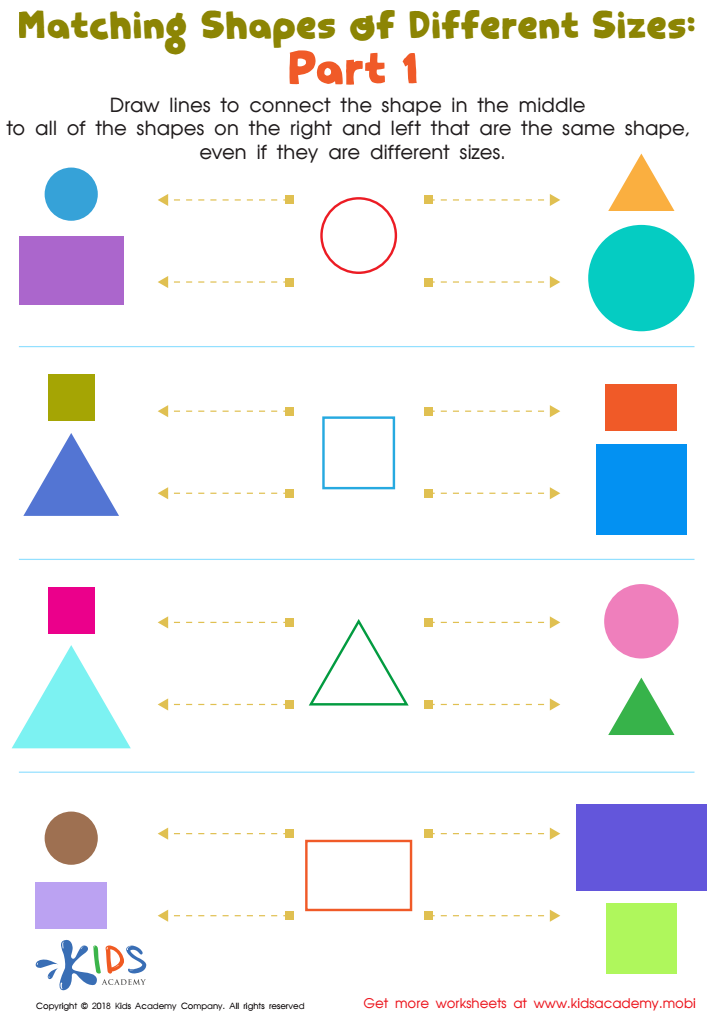
Geometry: part 1 Worksheet
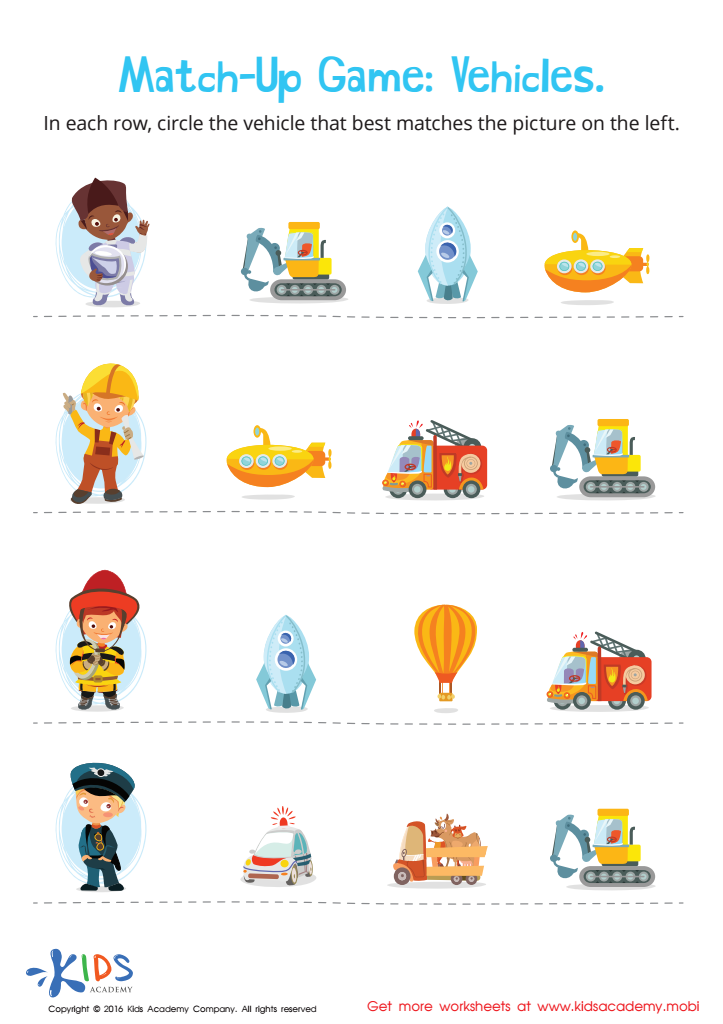
Vehicles Worksheet
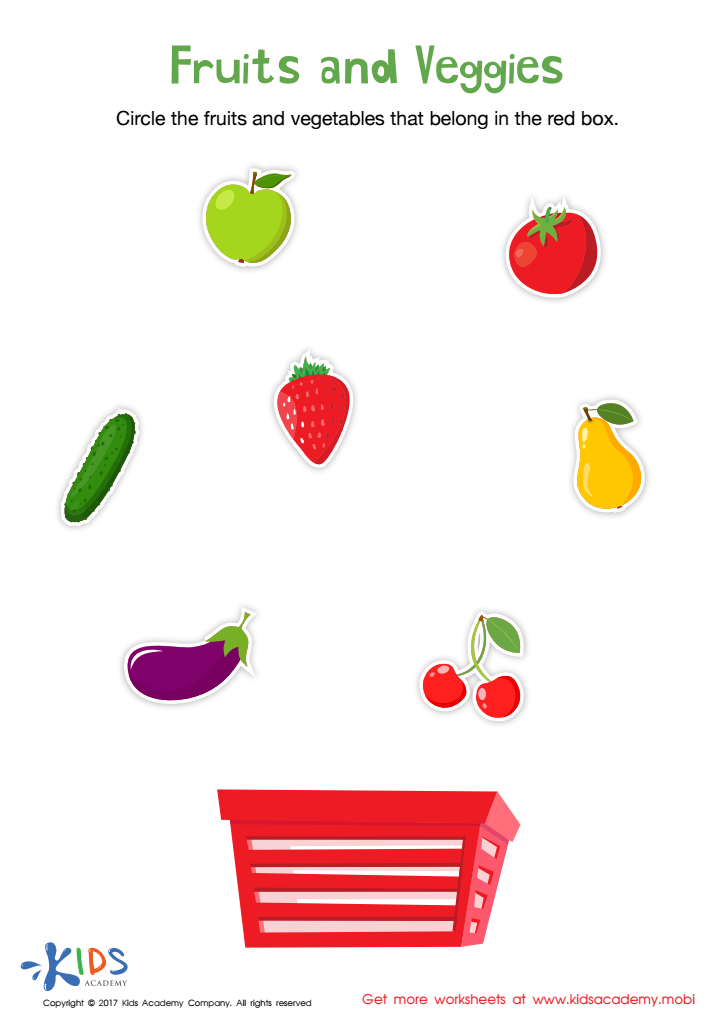
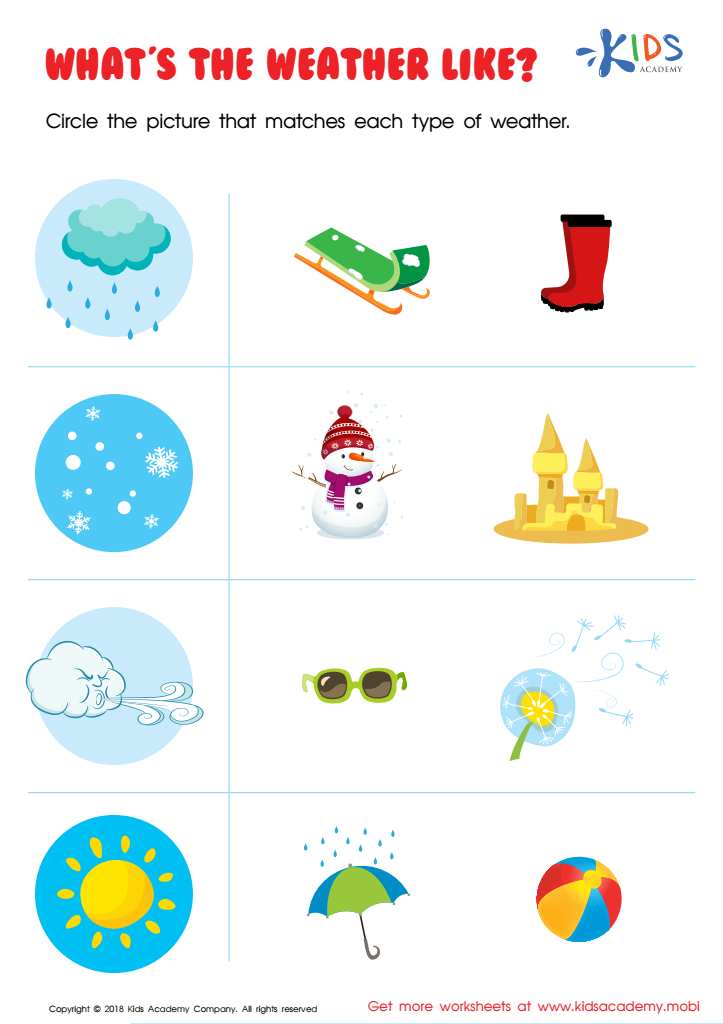
What's the Weather Like? Worksheet








Building a strong vocabulary and a solid foundation in basic math for children aged 5-7 is crucial for their cognitive and academic development. At this age, children's brains are highly receptive and capable of absorbing new information rapidly. A rich vocabulary helps them comprehend instructions, articulate thoughts, and engage more effectively with the world around them. It enhances their reading comprehension and overall communication skills, laying the groundwork for future academic success.
Basic math skills, including counting, addition, and subtraction, are equally important. Early math education fosters logical thinking, problem-solving abilities, and an understanding of numbers that is vital not just academically but for everyday tasks. The early years set the stage for more complex mathematical concepts they will encounter later in life.
For parents and teachers, investing time in vocabulary building and basic math isn't just about academic success. It's about equipping children with the tools they need for lifelong learning. Early proficiency in these areas can lead to increased confidence, curiosity, and a positive attitude toward learning. Resources like educational games, storytelling, and everyday math activities can make learning engaging and fun. Therefore, a balanced emphasis on vocabulary and basic math is essential for nurturing well-rounded, inquisitive young minds.








