Improve reading comprehension Normal Reading Worksheets for Ages 5-7
6 filtered results
-
From - To
Unlock your child’s potential with our Normal Reading Worksheets designed for ages 5-7, focusing on improving reading comprehension skills. Our engaging and age-appropriate worksheets encourage young learners to grasp essential comprehension strategies, such as identifying main ideas, making inferences, and summarizing text. These resources promote interactive learning, making reading fun and accessible. Whether at home or in the classroom, our worksheets provide a structured approach to foster a love for reading while enhancing critical thinking abilities. Explore our collection now and watch your child's confidence and comprehension skills soar! Perfect for early grade teachers and parents alike.
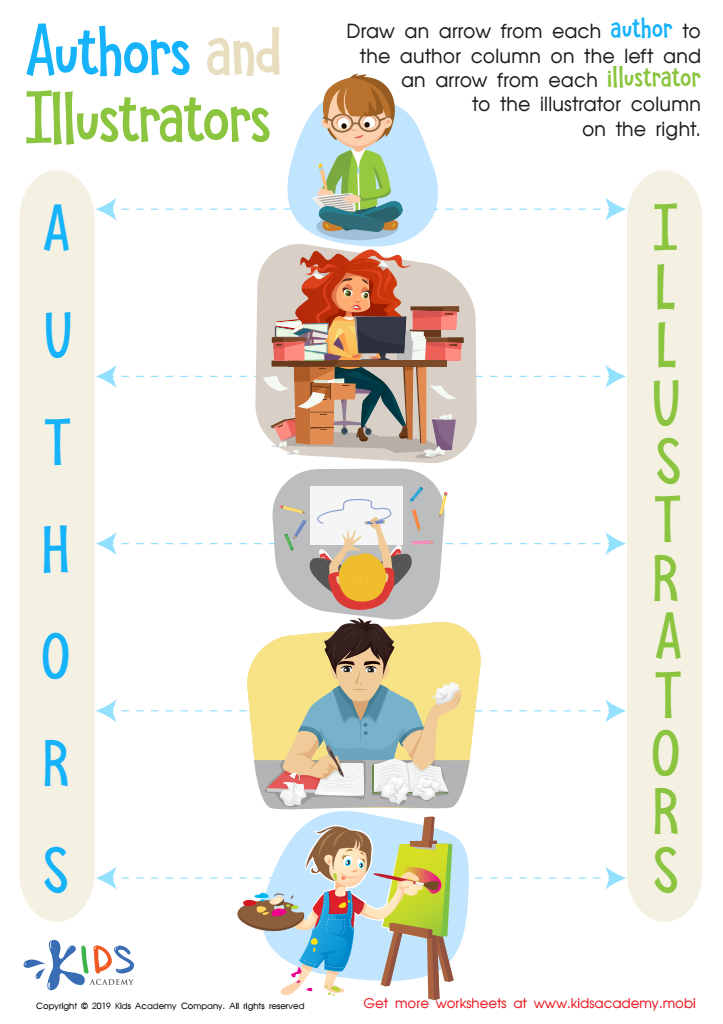
Authors and Illustrators Worksheet
 Assign to My Students
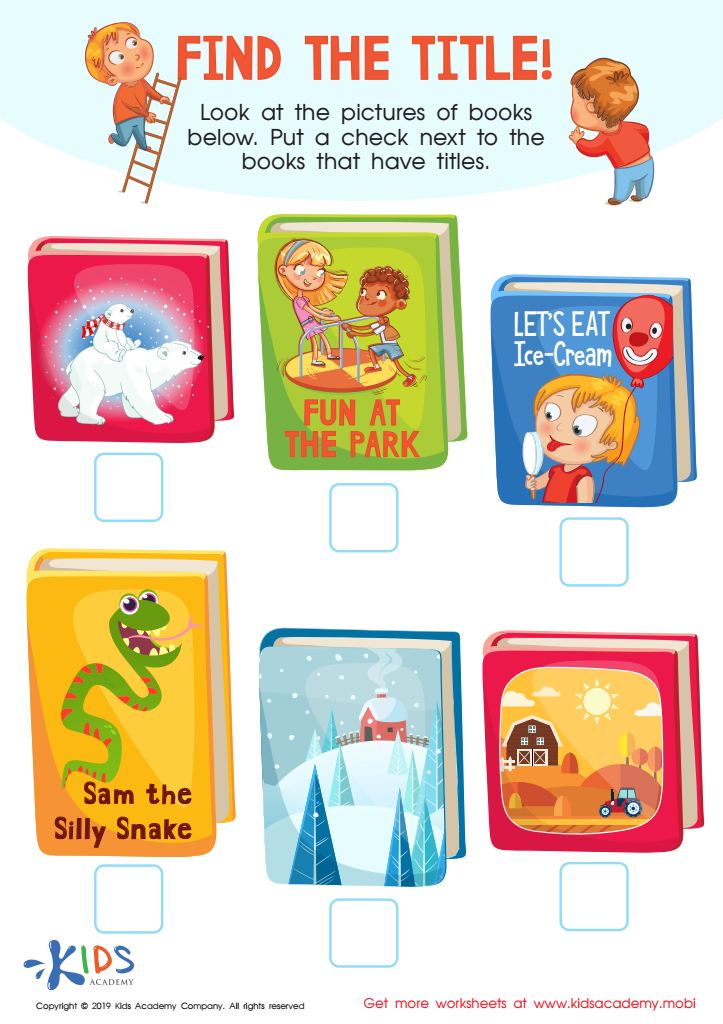
Find the Title Worksheet
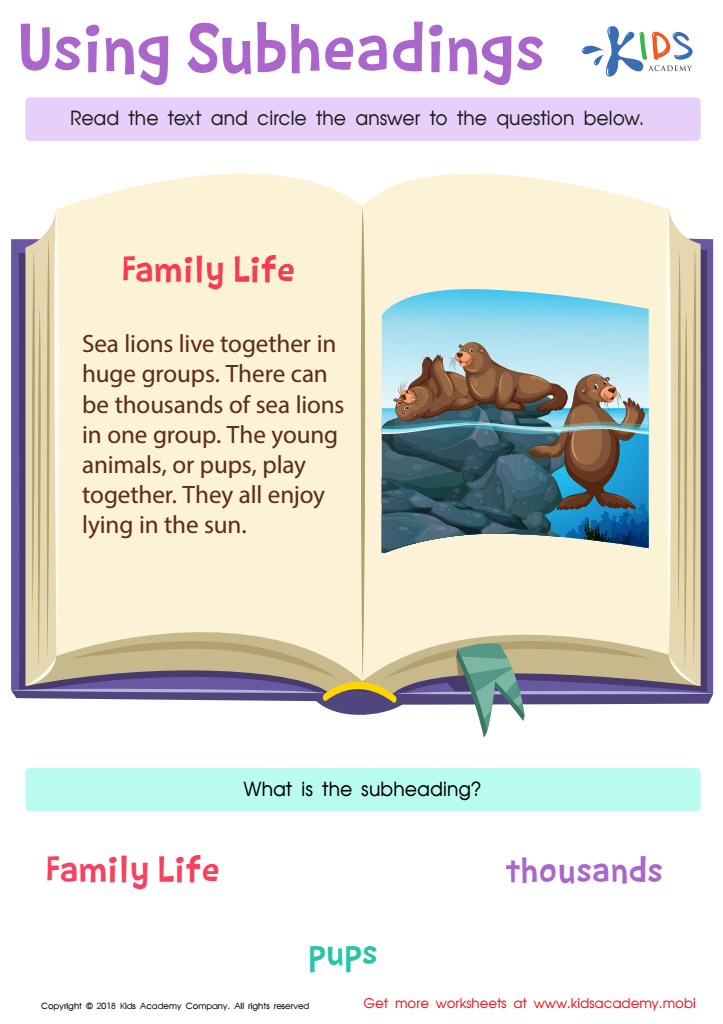
Using Subheadings Worksheet
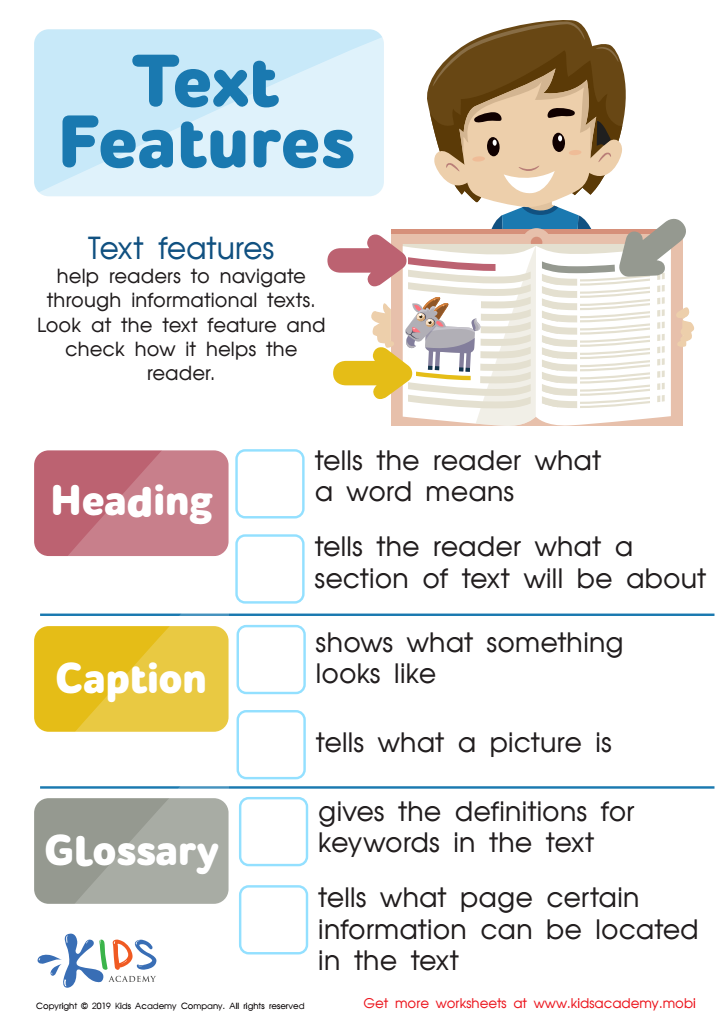
Text Features Worksheet
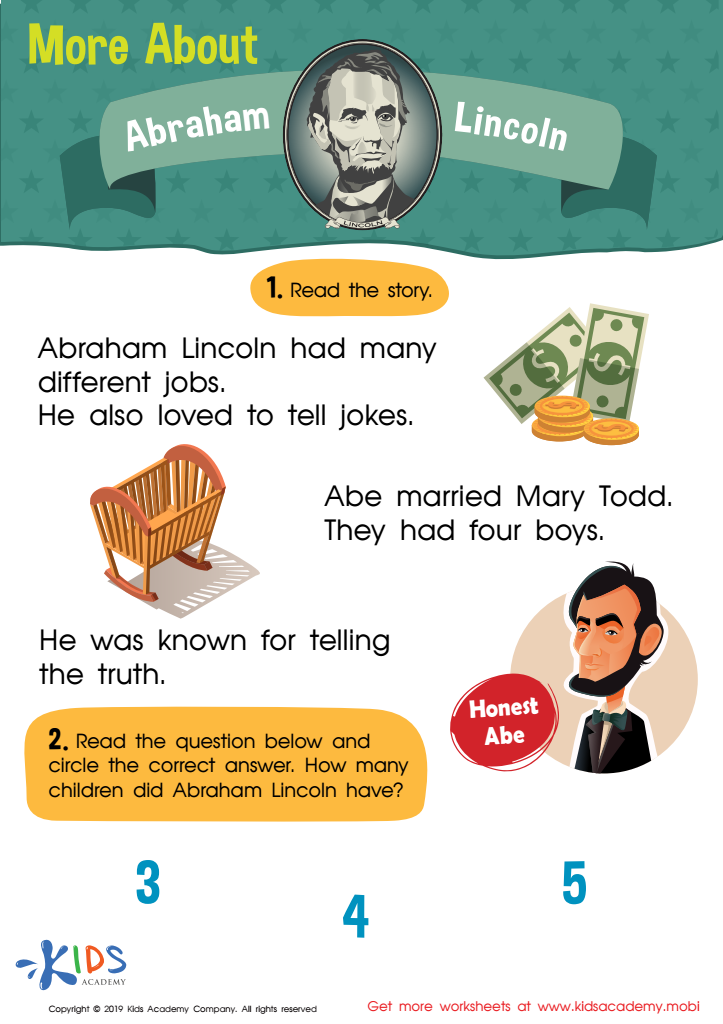
More About Abraham Lincoln Worksheet
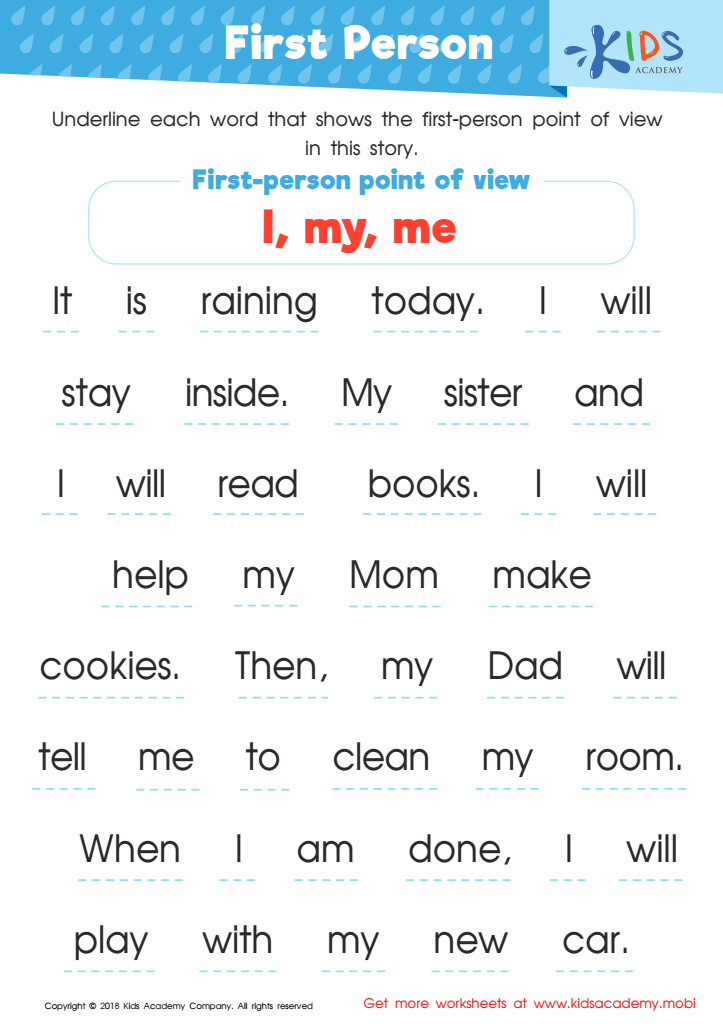
First Person Worksheet








Improving reading comprehension for children ages 5-7 is crucial for their cognitive and emotional development. At this age, children are building the foundational skills necessary for future learning and academic success. Effective reading comprehension skills enable them to not only understand words but also to derive meaning from texts, which fosters critical thinking and analytical skills.
Parents and teachers must observe how children process and understand information, as this directly affects their confidence and enthusiasm for learning. Strong reading comprehension helps children engage with stories, stimulates their imagination, and enhances their vocabulary development. This means they will be better equipped to tackle more complex texts in later grades.
Moreover, children who struggle with reading comprehension may feel frustrated and disengaged, impacting their academic performance and self-esteem. By focusing on reading comprehension, parents and teachers can create supportive environments that promote curiosity and a love for reading. Encouraging discussions around texts, asking open-ended questions, and practicing predictive reading are effective strategies that can enhance comprehension. Ultimately, prioritizing reading comprehension in early education sets the stage for lifelong learning and a love of reading, critical in supporting children's overall educational achievement and emotional well-being.








