Normal Animals Worksheets for Ages 5-7 - Page 2
38 filtered results
-
From - To
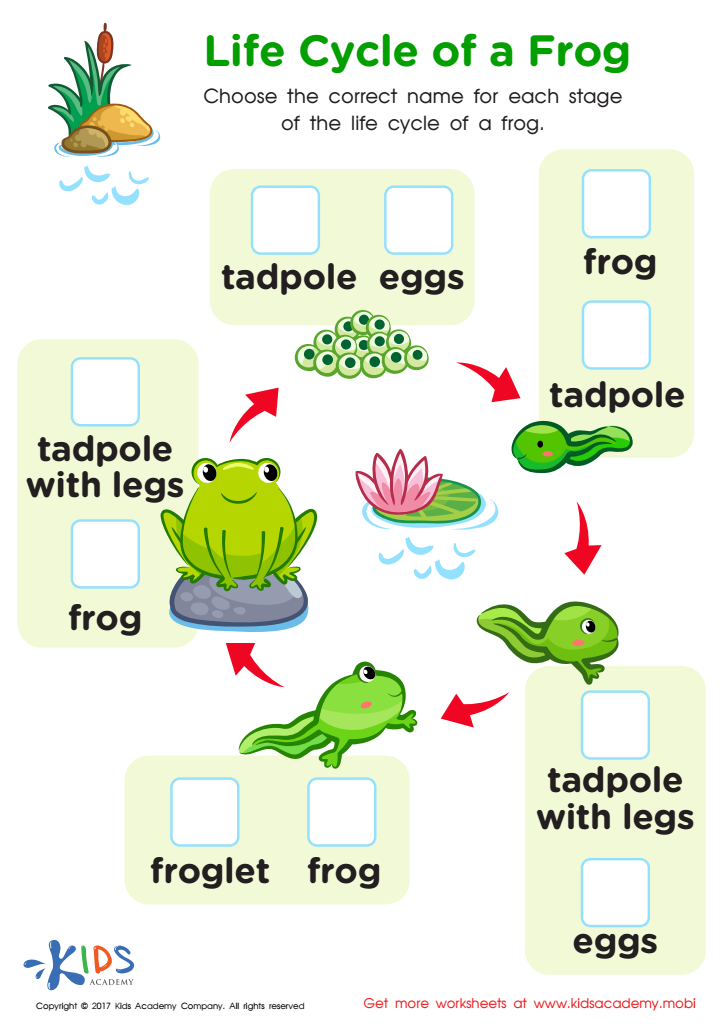
Life Cycle Frog Printable
 Assign to My Students
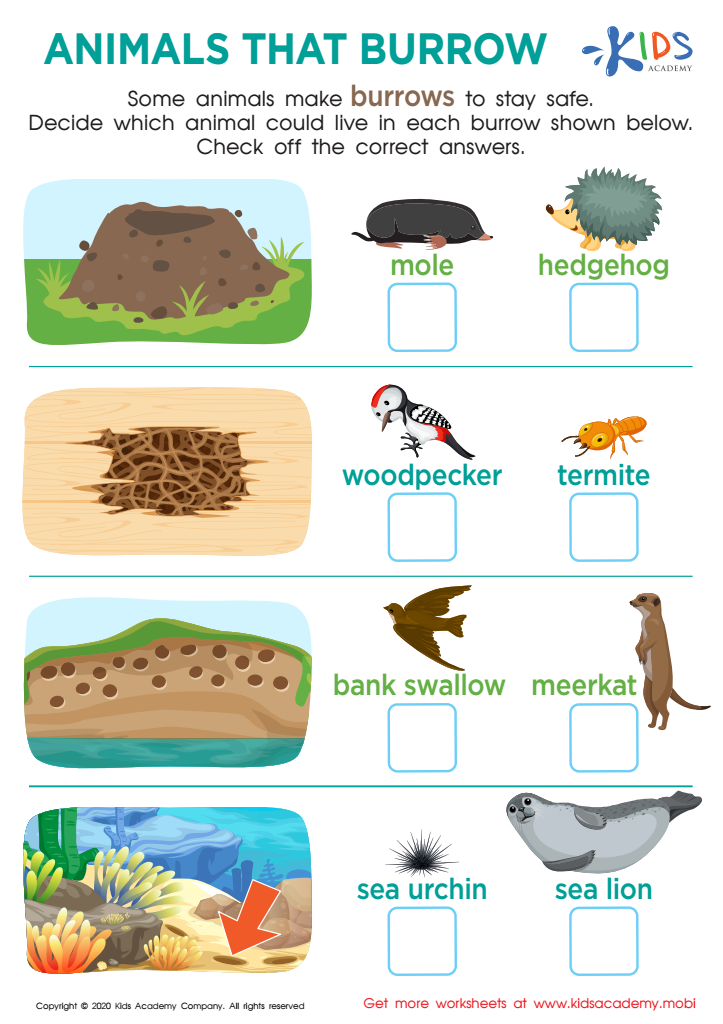
Animals That Burrow Worksheet
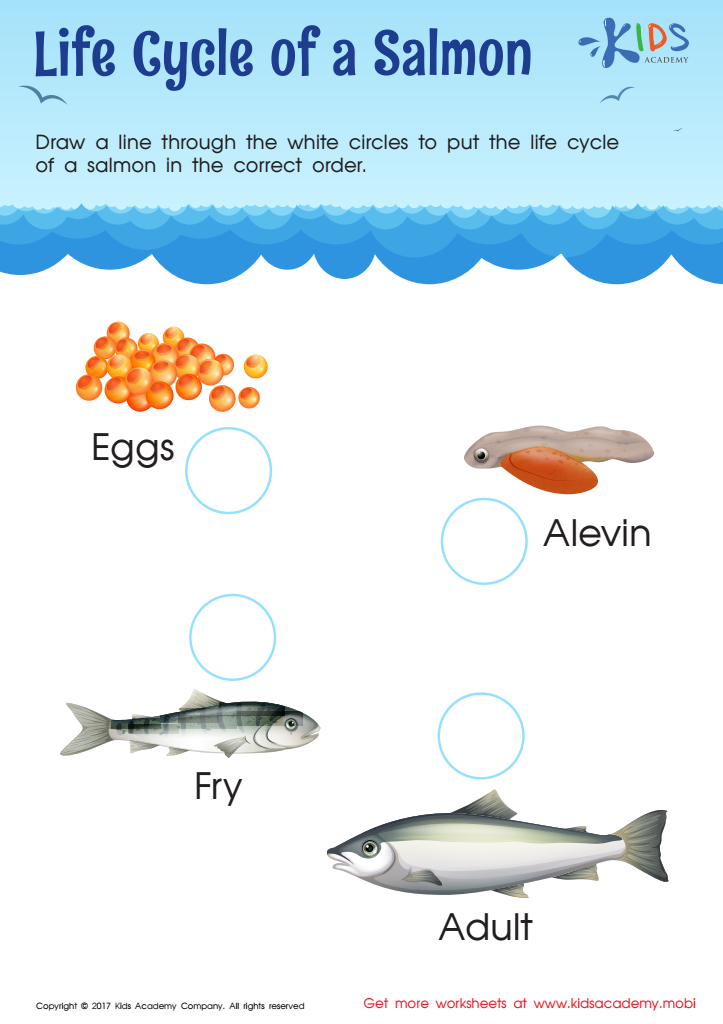
Cycle Of Salmon Worksheet
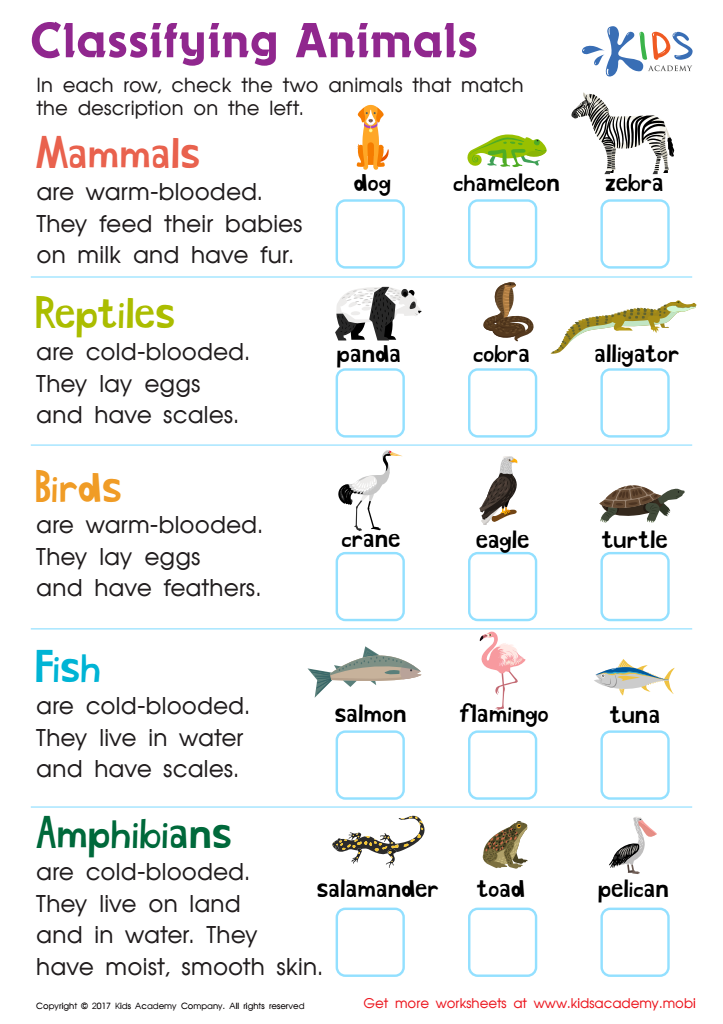
Classifying Animals Worksheet
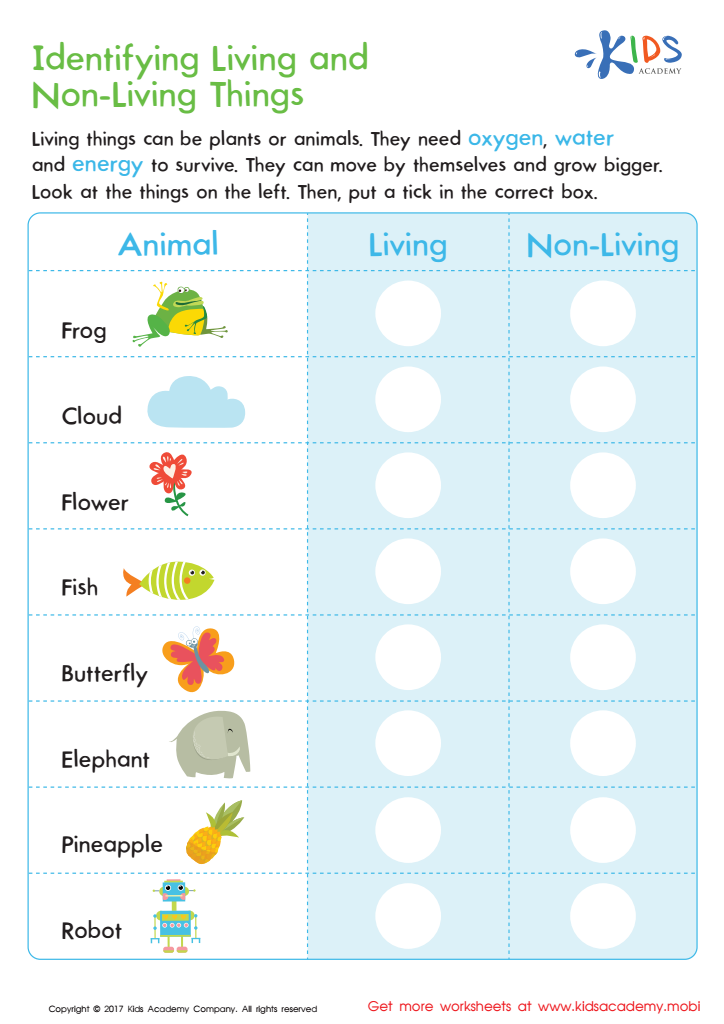
Identifying Living or Non–living Worksheet
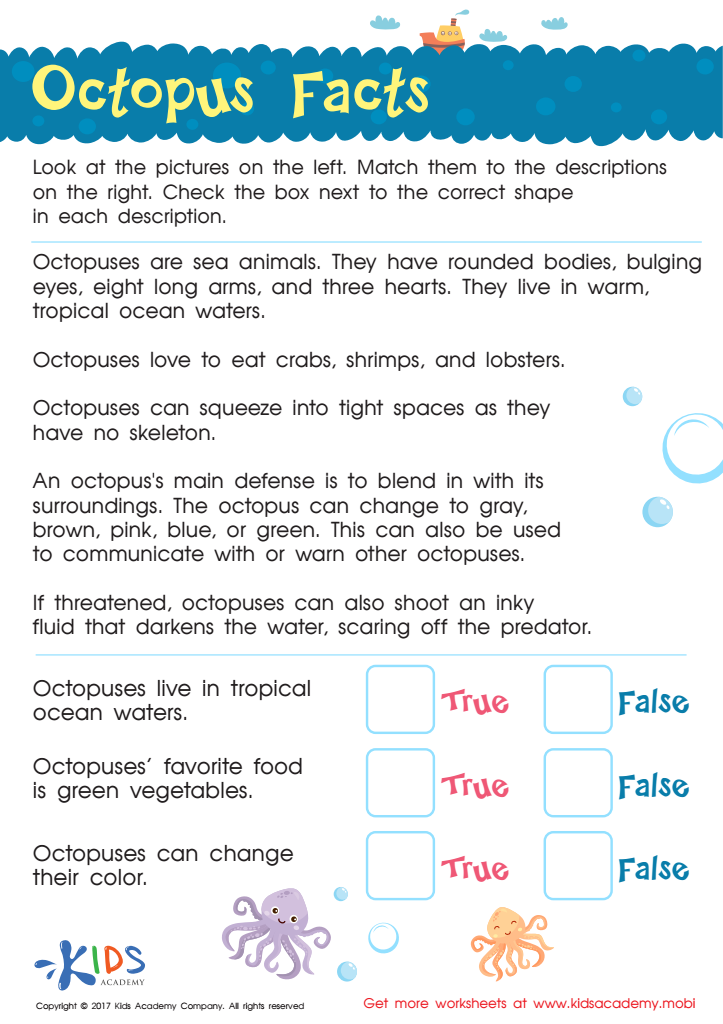
Octopus Facts Worksheet For Kids
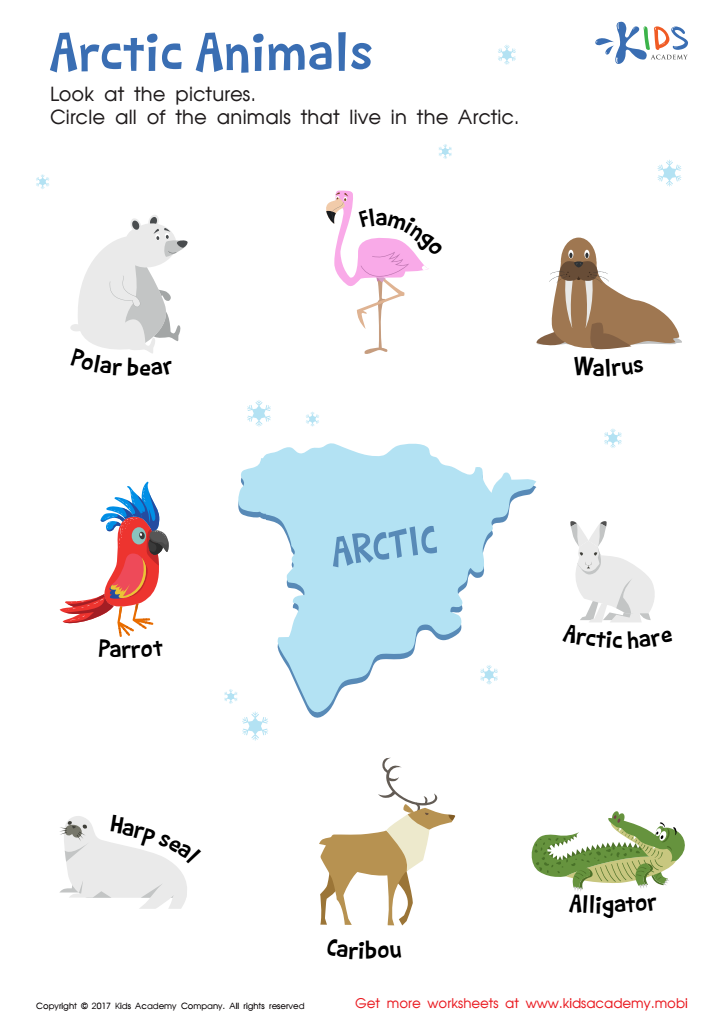
Arctic Animals Worksheet
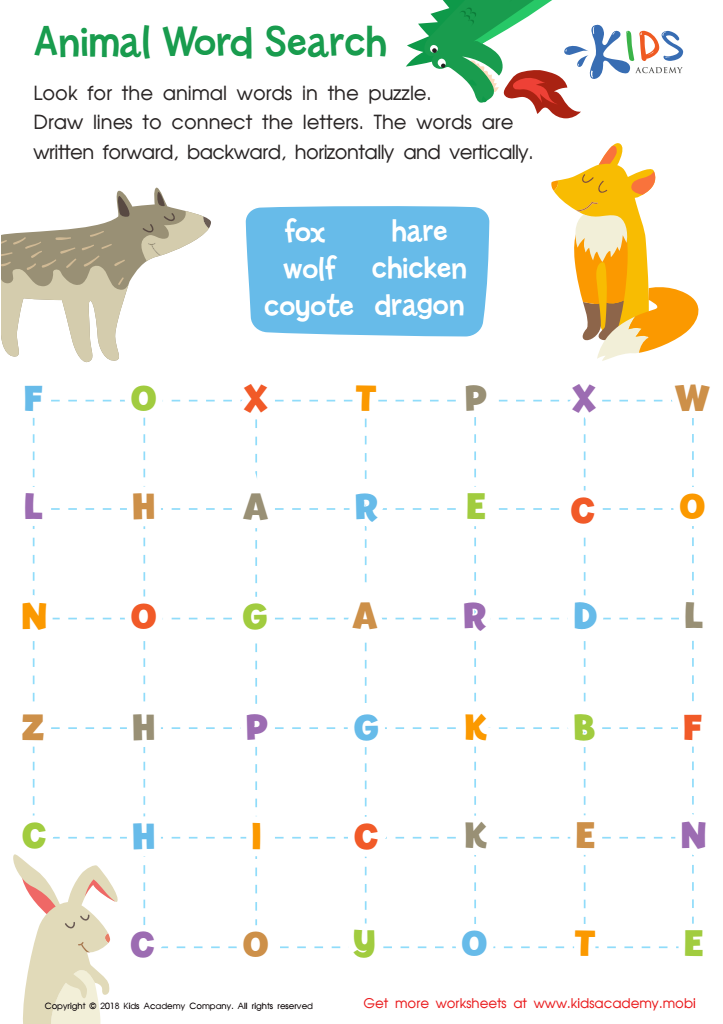
Animal Word Search Worksheet
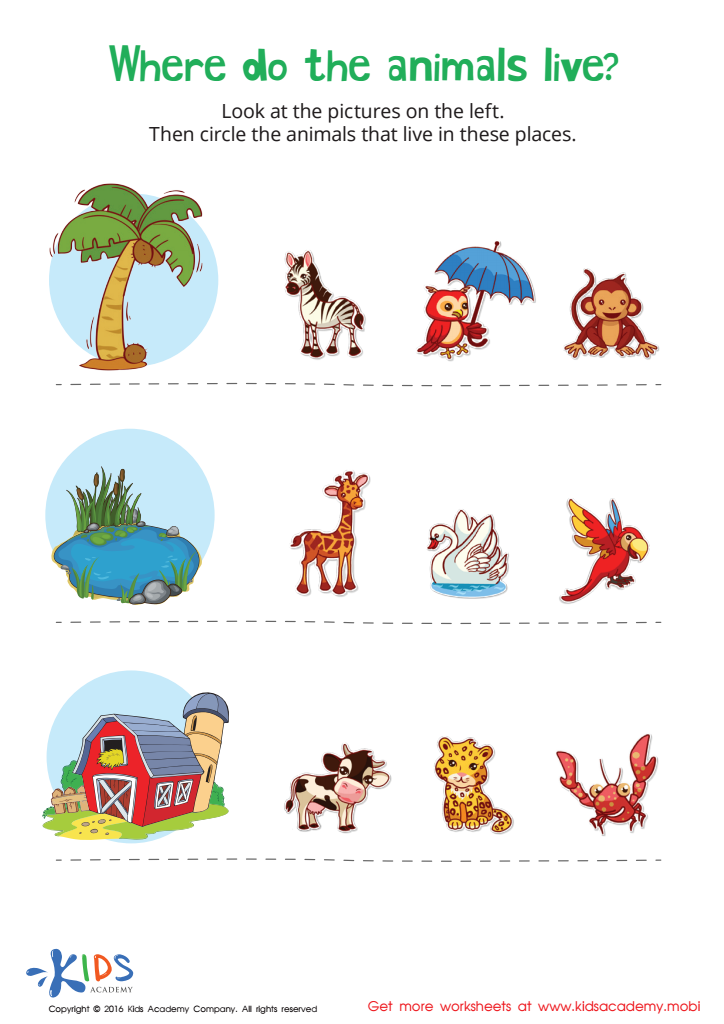
Where Animals Live Worksheet
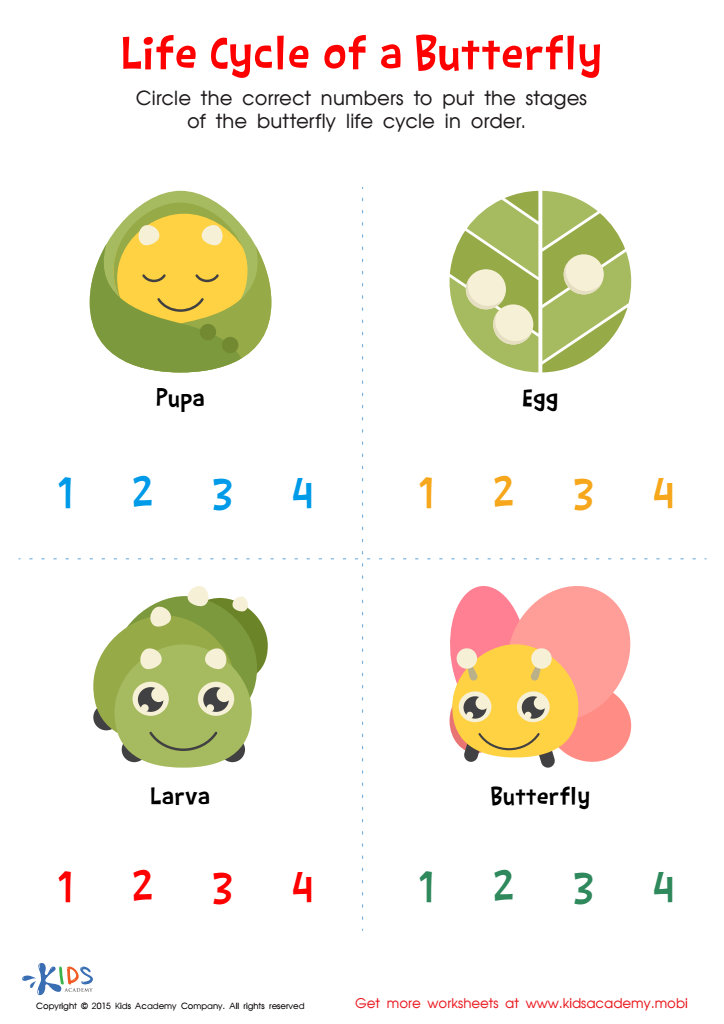
Life Cycle of Butterfly Printable
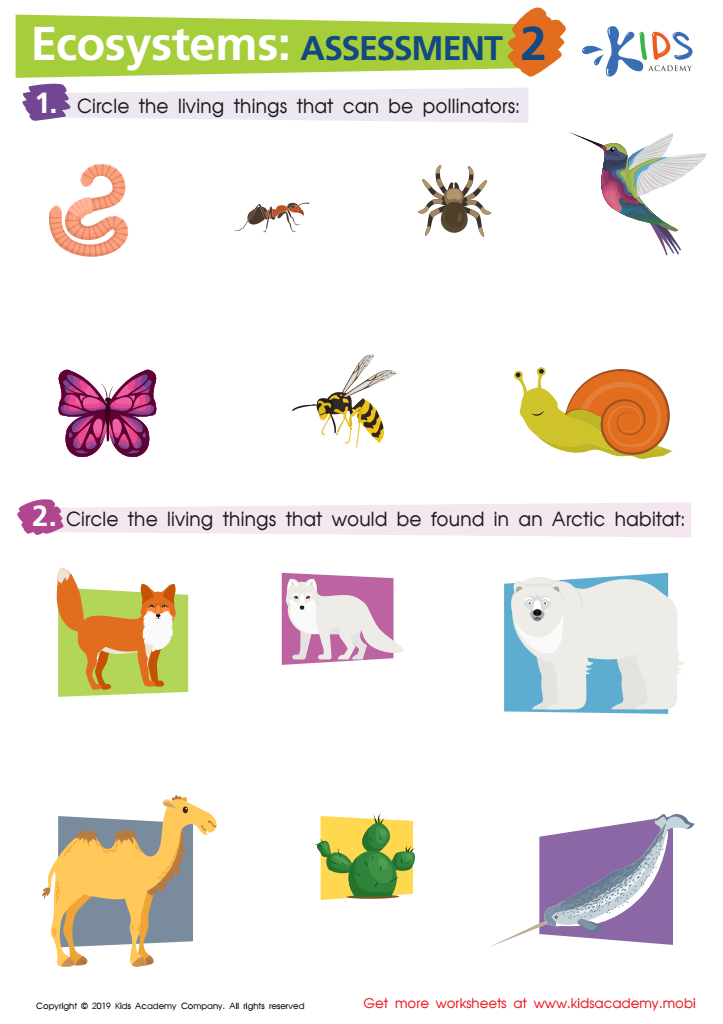
Ecosystems: Assessment 2 Worksheet
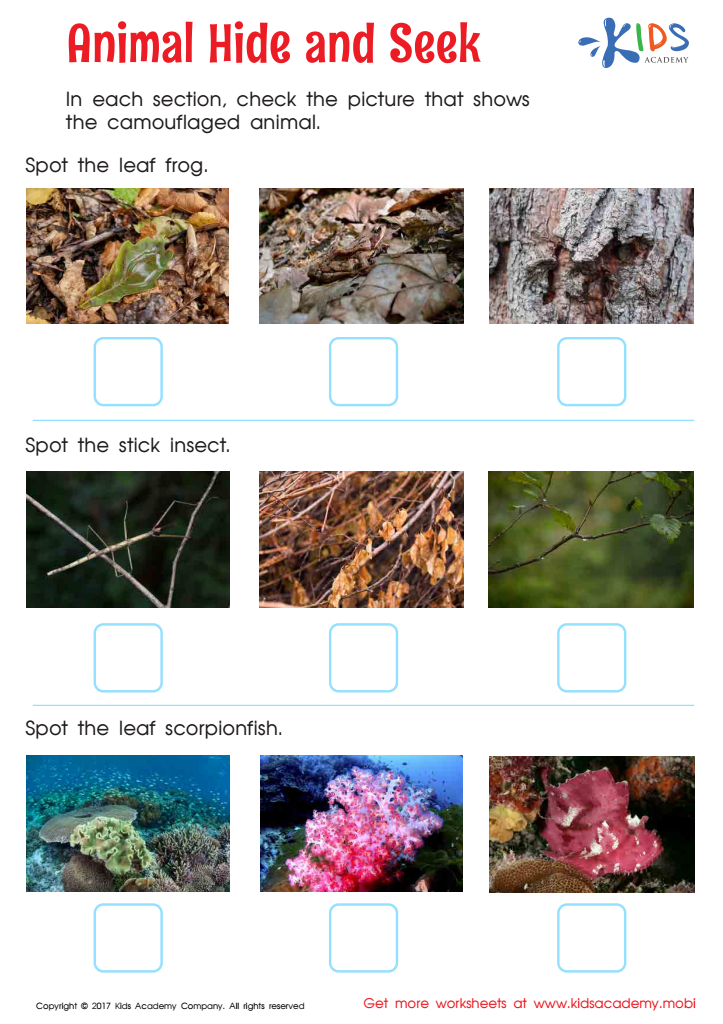
Animal Hide and Seek Worksheet
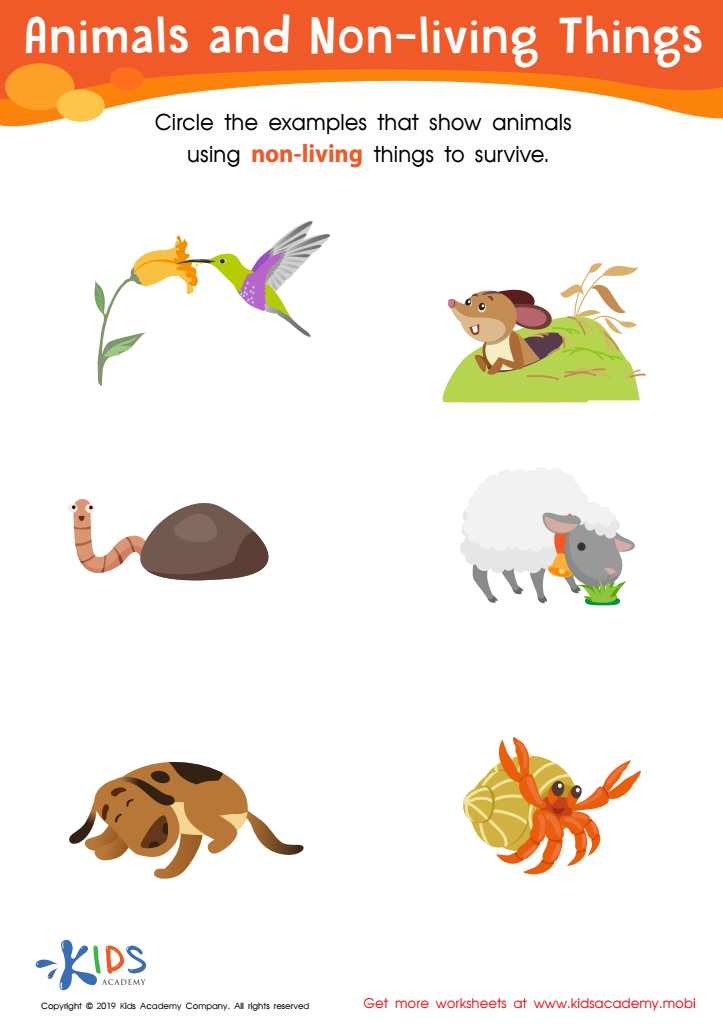
Animals and Non-Living Things Worksheet
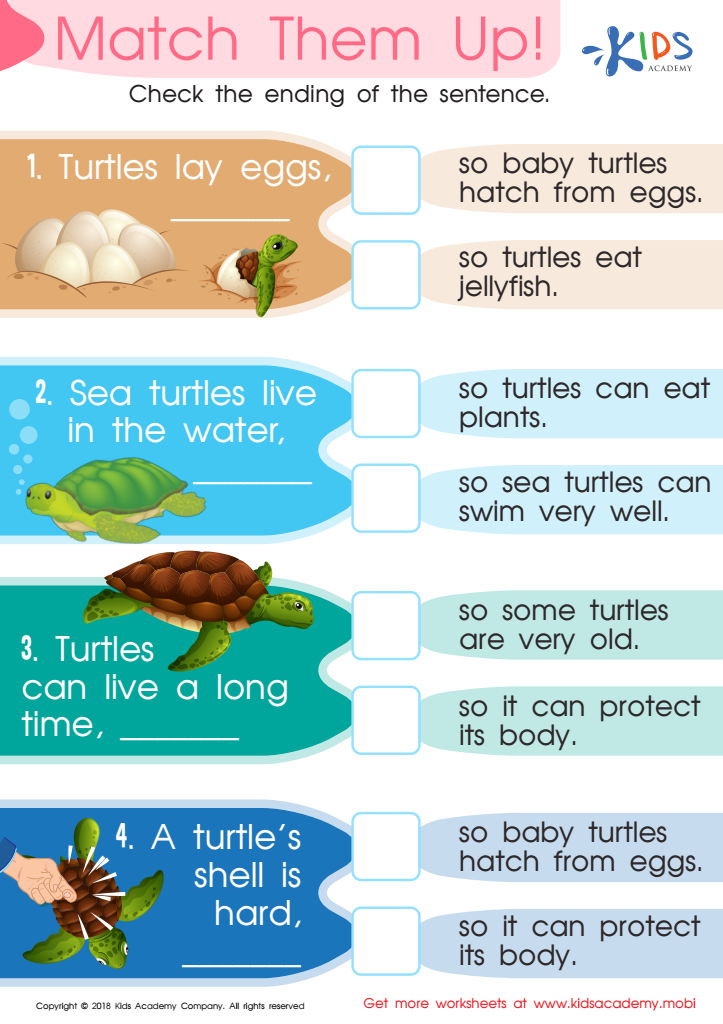
Match Them Up Worksheet








Parents and teachers should care about normal, or everyday, animals for children ages 5-7 because these animals play a crucial role in young learners' development and understanding of the world. At this age, children are naturally curious and learning through observation and interaction. Introducing them to familiar animals like cats, dogs, birds, and squirrels builds foundational knowledge about biology and the environment in a relatable and accessible way.
Normal animals are part of children's everyday experiences, making learning more relevant and engaging. By observing and interacting with these animals, kids learn about various biological concepts such as habitats, diets, and behaviors. This reaffirms the importance of nature and helps develop a sense of responsibility and empathy towards living creatures.
Additionally, books, stories, and educational materials featuring normal animals aid in literacy development and comprehension skills. Hearing stories about these animals can foster imagination, moral lessons, and social skills.
Overall, emphasizing normal animals provides practical and enjoyable learning experiences that bolster emotional and intellectual growth. It plants seeds for further scientific inquiry and environmental stewardship, encouraging kids to appreciate and respect the life forms they encounter in their everyday lives.








