Normal Social Studies Worksheets for Ages 5-7 - Page 8
171 filtered results
-
From - To
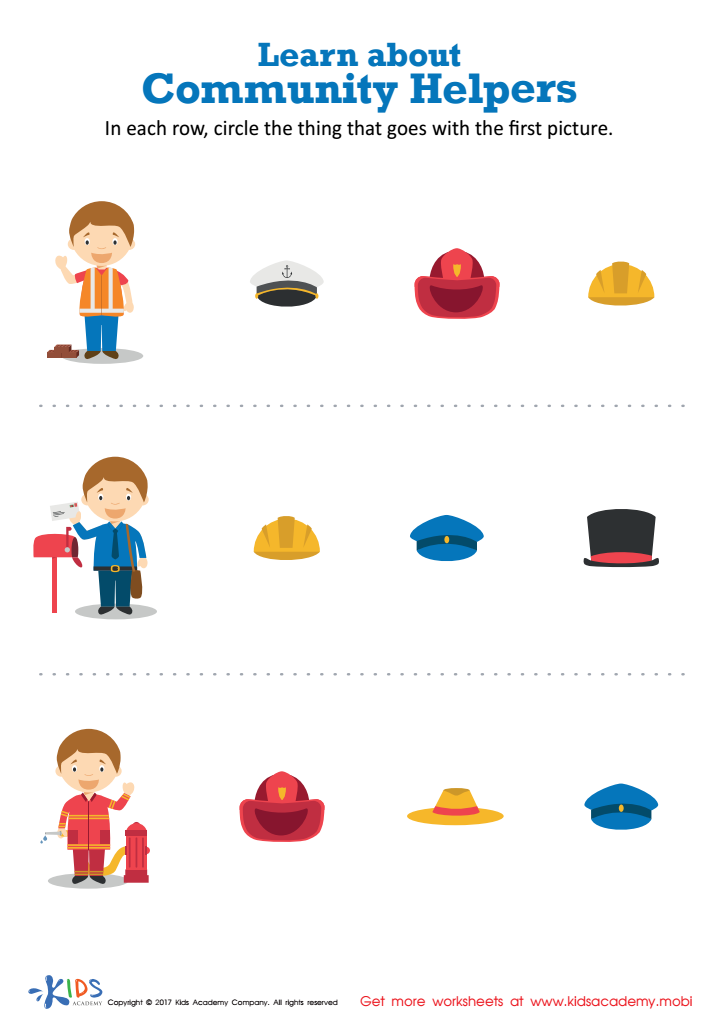
Learn about Community Helpers Printable
 Assign to My Students
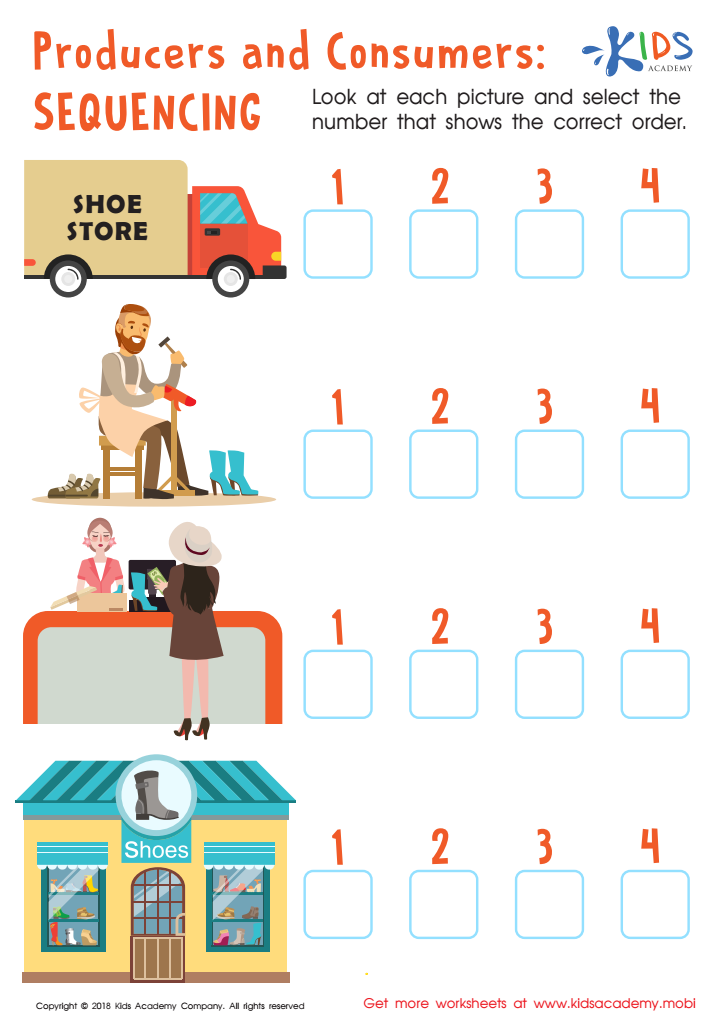
Producers and Consumers: Sequencing Worksheet
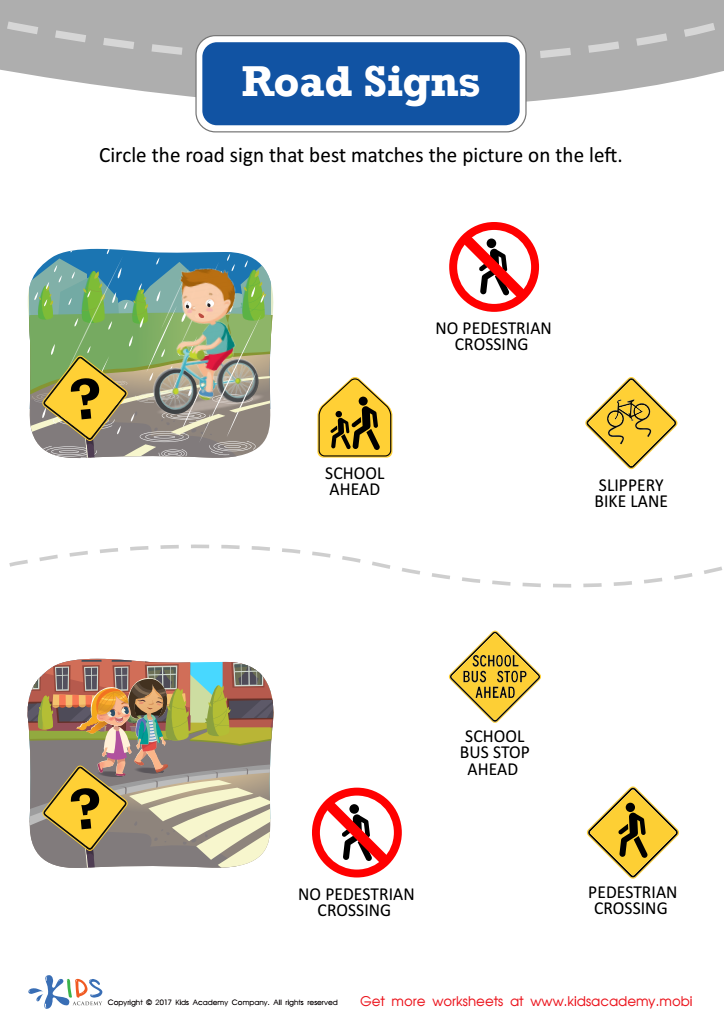
Road Signs (Part 2) Printable







Normal Social Studies for ages 5-7 is essential for fostering a well-rounded educational experience. At this developmental stage, children are naturally curious about the world around them. Social studies ignites that curiosity, helping them make sense of their environment and how they fit into it. It introduces foundational concepts about communities, cultures, and citizenship, encouraging respect for diversity and promoting empathy.
Understanding social studies aids in social skills development, as children learn about relationships, rules, and cooperation. This, in turn, enhances their ability to collaborate and engage positively with peers. Moreover, these lessons extend beyond mere facts; they foster critical thinking by prompting children to ask questions, explore problem-solving, and develop informed opinions.
Involving parents and teachers in social studies education is crucial. Their guidance can help reinforce these concepts, providing context and encouragement outside the classroom. Discussions around family traditions or local history, for instance, extend learning into everyday life. By prioritizing social studies for young learners, we are not only teaching them about the world but also shaping responsible, engaged citizens who appreciate and contribute positively to their communities. Therefore, both parents and teachers should take an active interest in these early social studies experiences.