Normal ABC Coloring Pages Worksheets for Ages 5-8
17 filtered results
-
From - To
Discover our collection of Normal ABC Coloring Pages Worksheets designed for children ages 5-8! Spark their creativity while reinforcing letter recognition and phonics skills. Each worksheet features beautifully illustrated letters with engaging pictures to color, making learning the alphabet a fun and interactive experience. Perfect for homeschooling or supplementary classroom activities, these pages help young learners build a strong literacy foundation. Children will enjoy hours of educational fun as they color their way through the alphabet! Download now and watch your child's interest in language arts grow. Ideal for young readers and little artists alike!
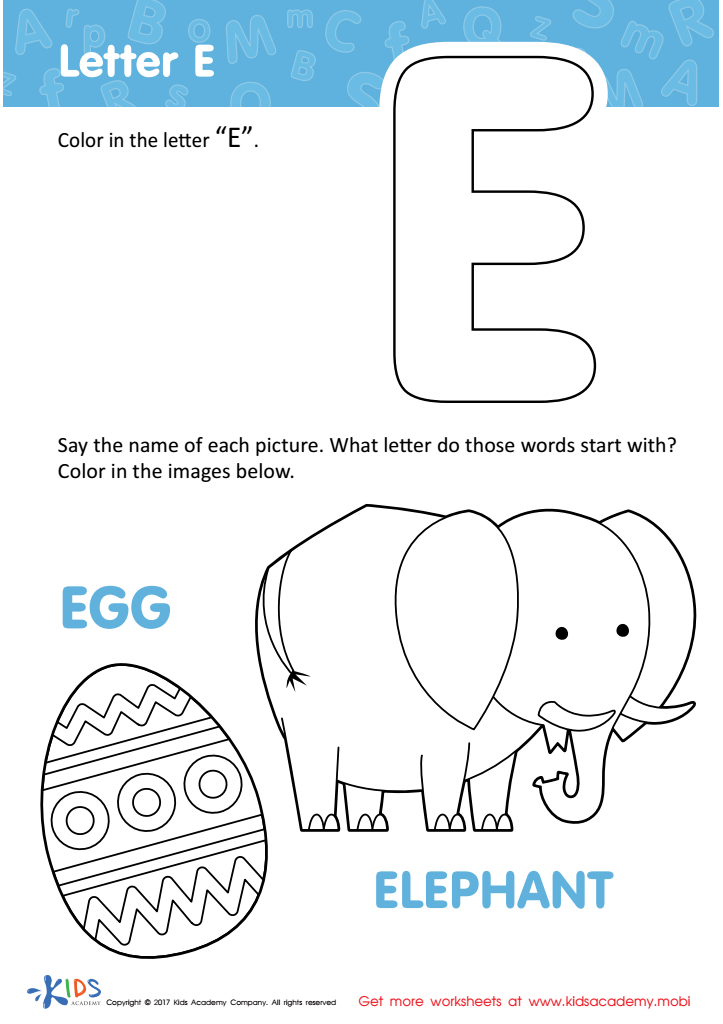
Letter E Coloring Sheet
 Assign to My Students
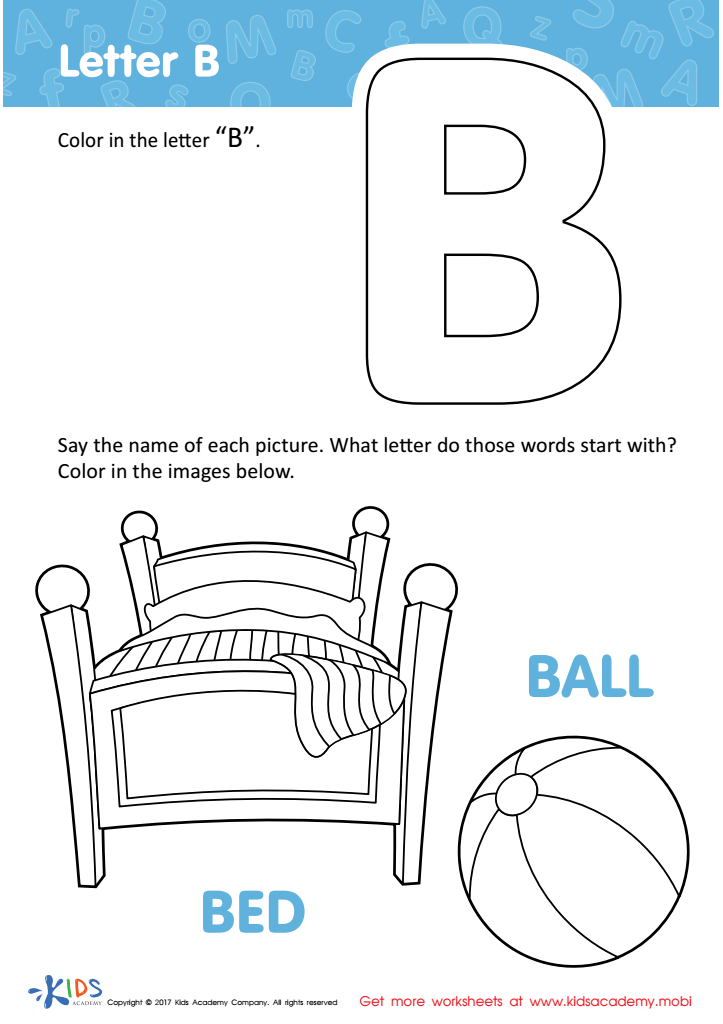
Letter B Coloring Sheet
Assign to My Students
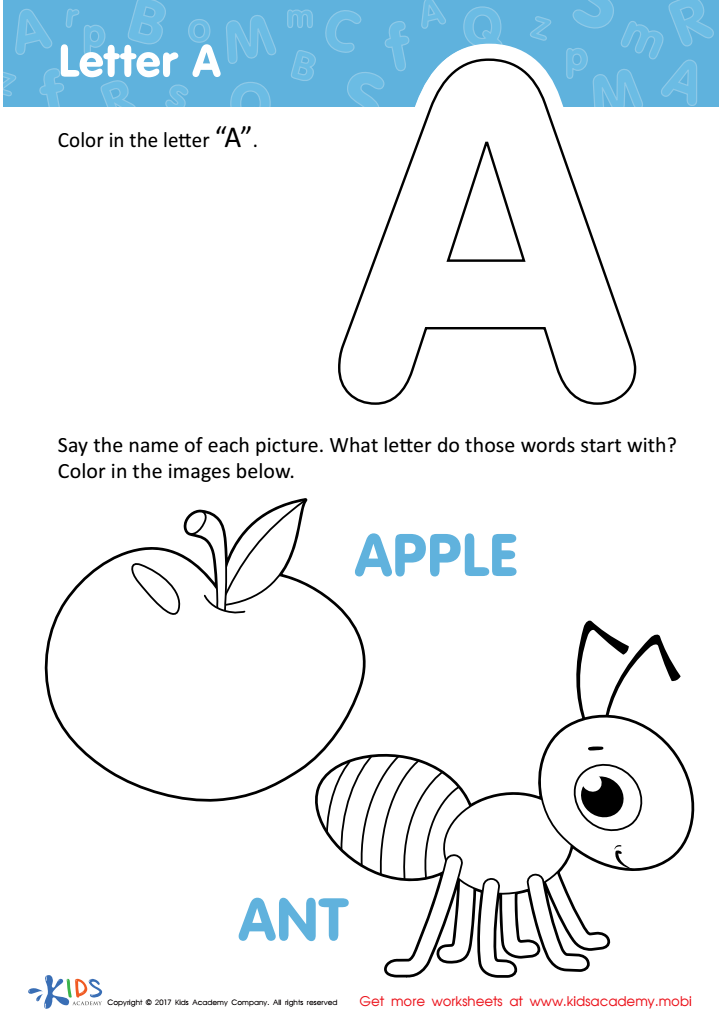
Letter A Coloring Sheet
Assign to My Students
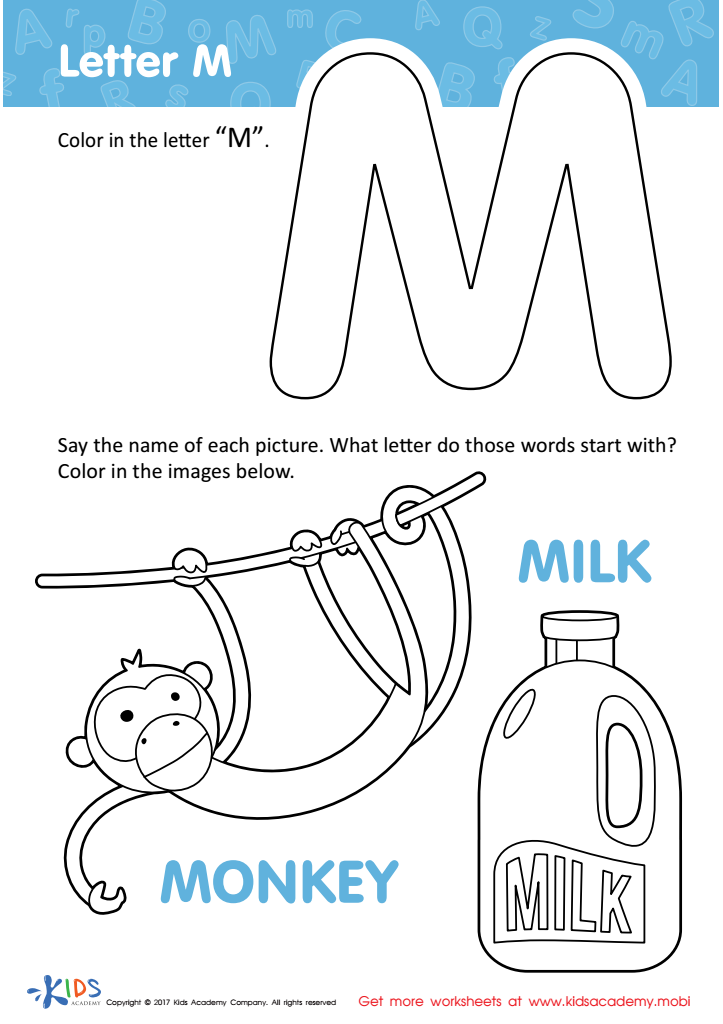
Letter M Coloring Sheet
Assign to My Students
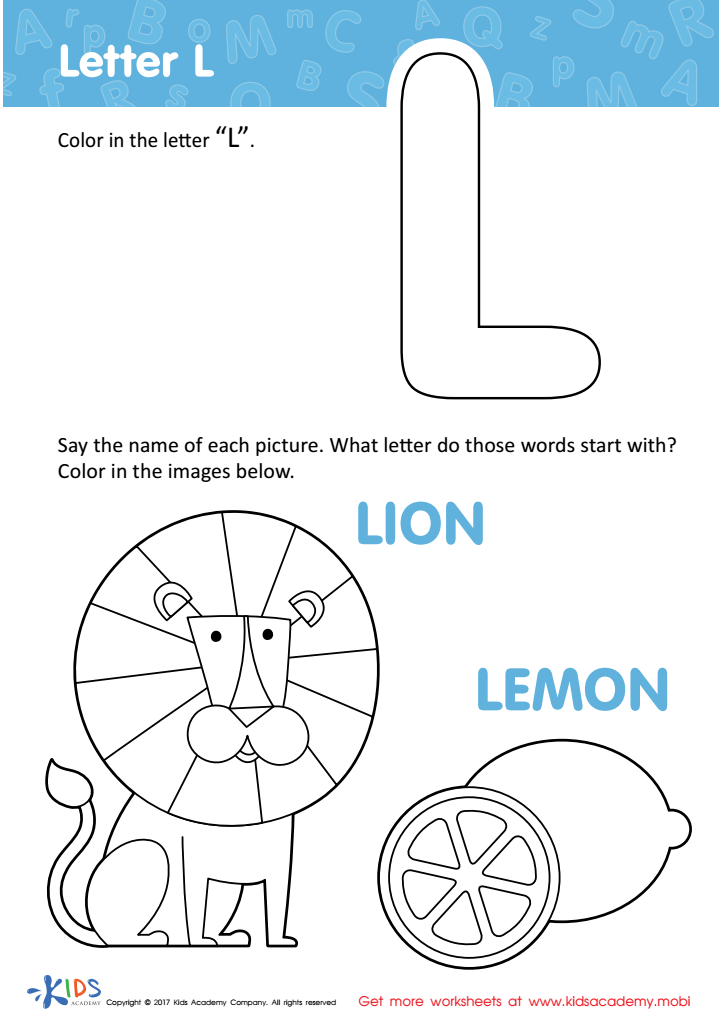
Letter L Coloring Sheet
Assign to My Students
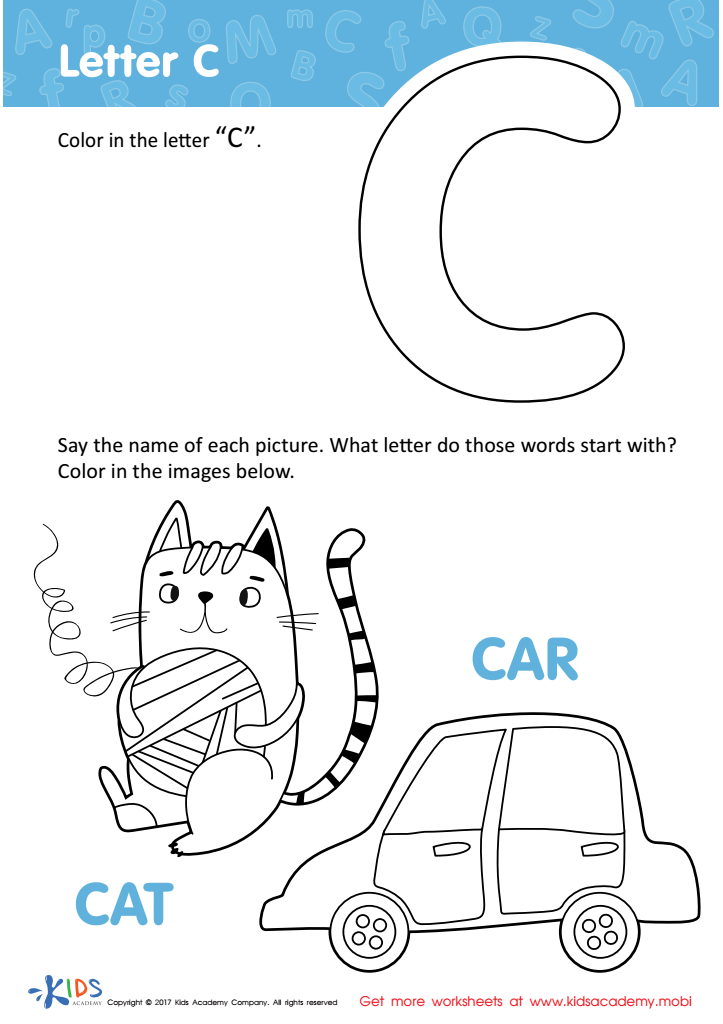
Letter C Coloring Sheet
Assign to My Students
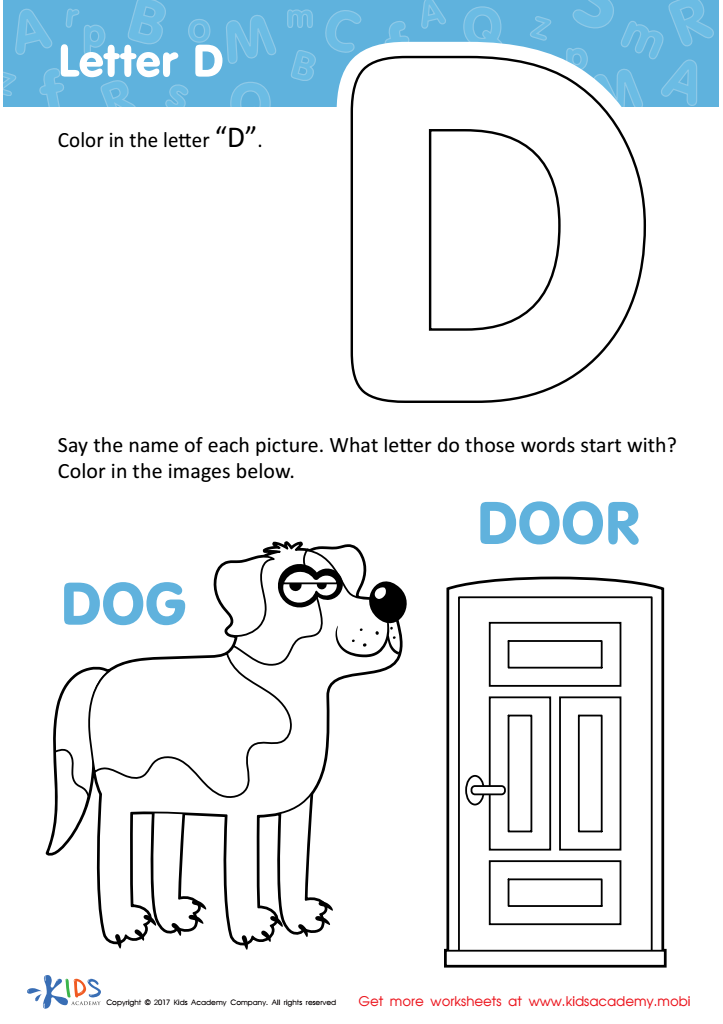
Letter D Coloring Sheet
Assign to My Students
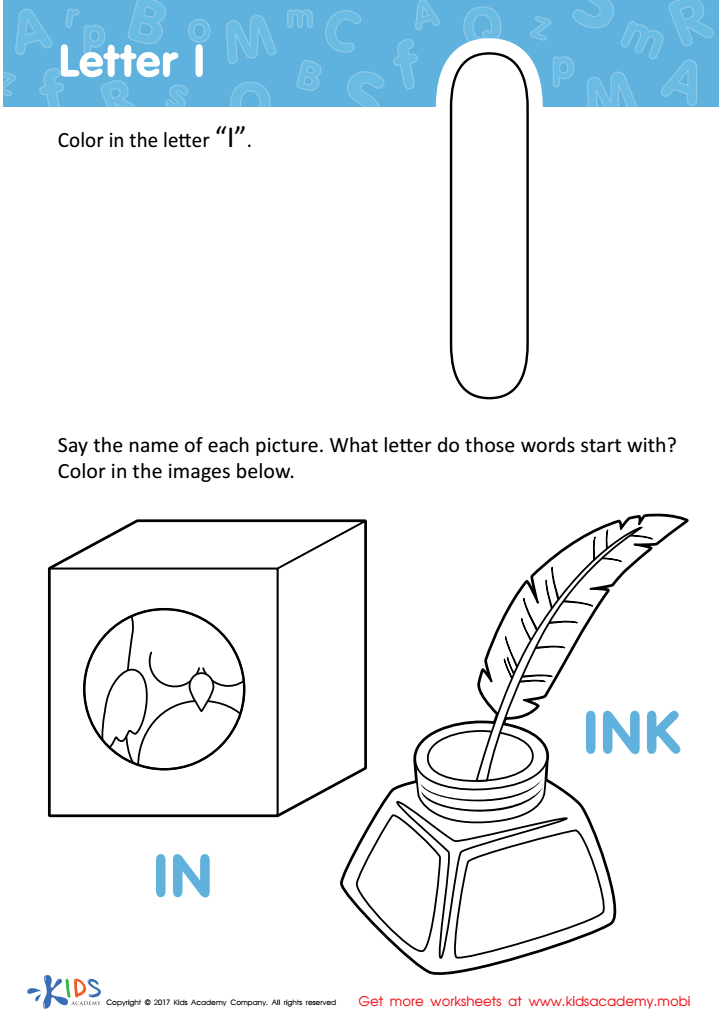
Letter I Coloring Sheet
Assign to My Students
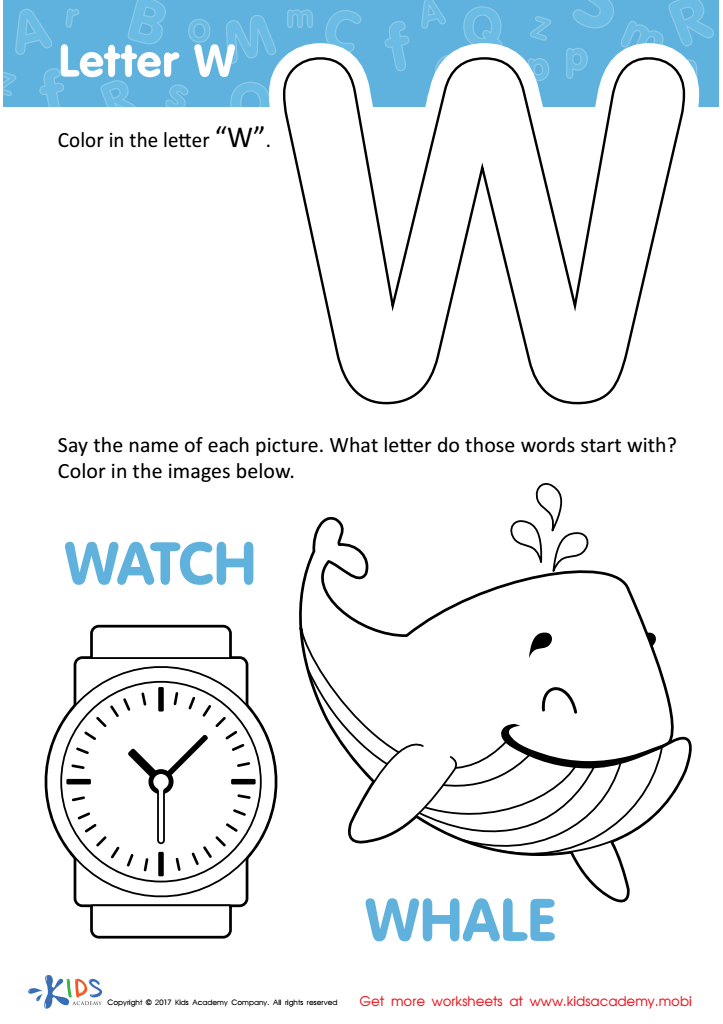
Letter W Coloring Sheet
Assign to My Students

Letter O Coloring Sheet
Assign to My Students
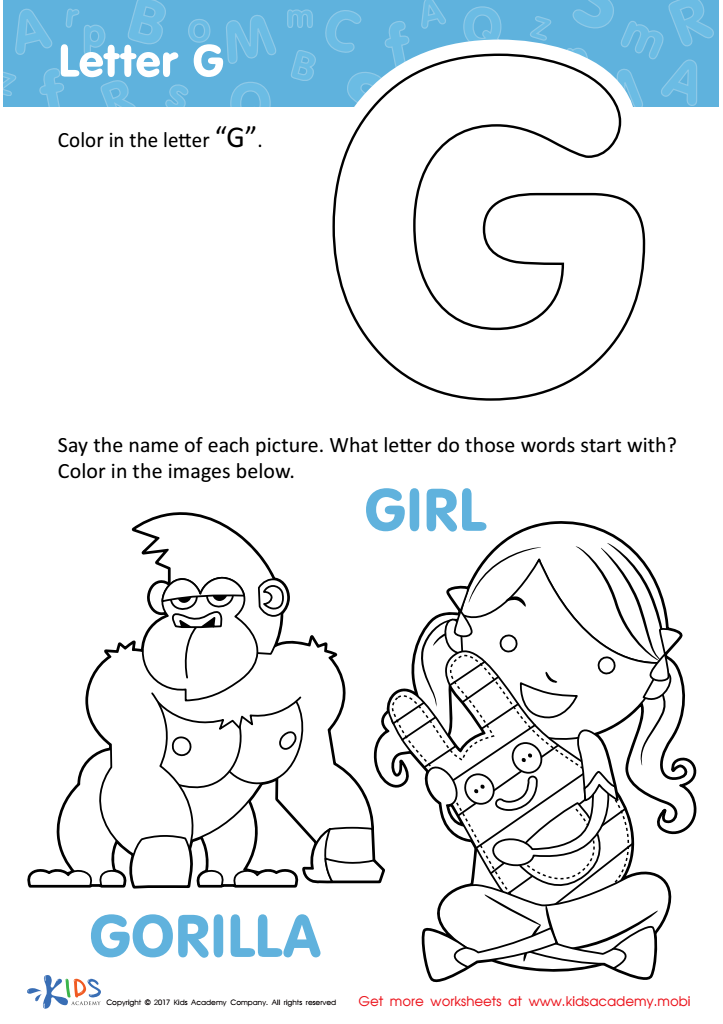
Letter G Coloring Sheet
Assign to My Students
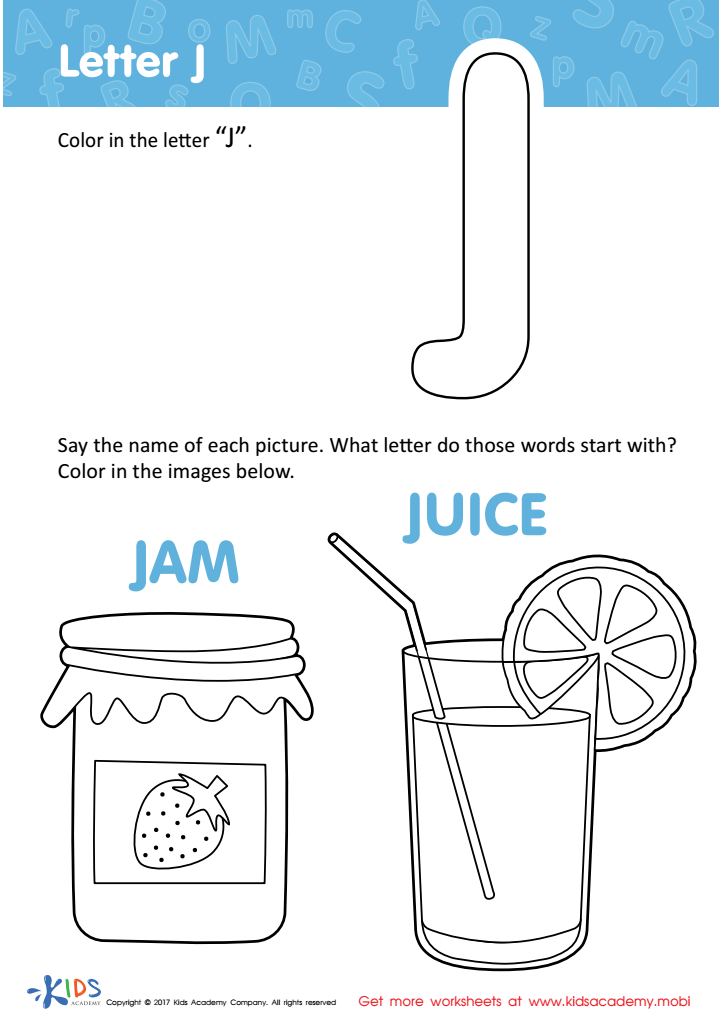
Letter J Coloring Sheet
Assign to My Students
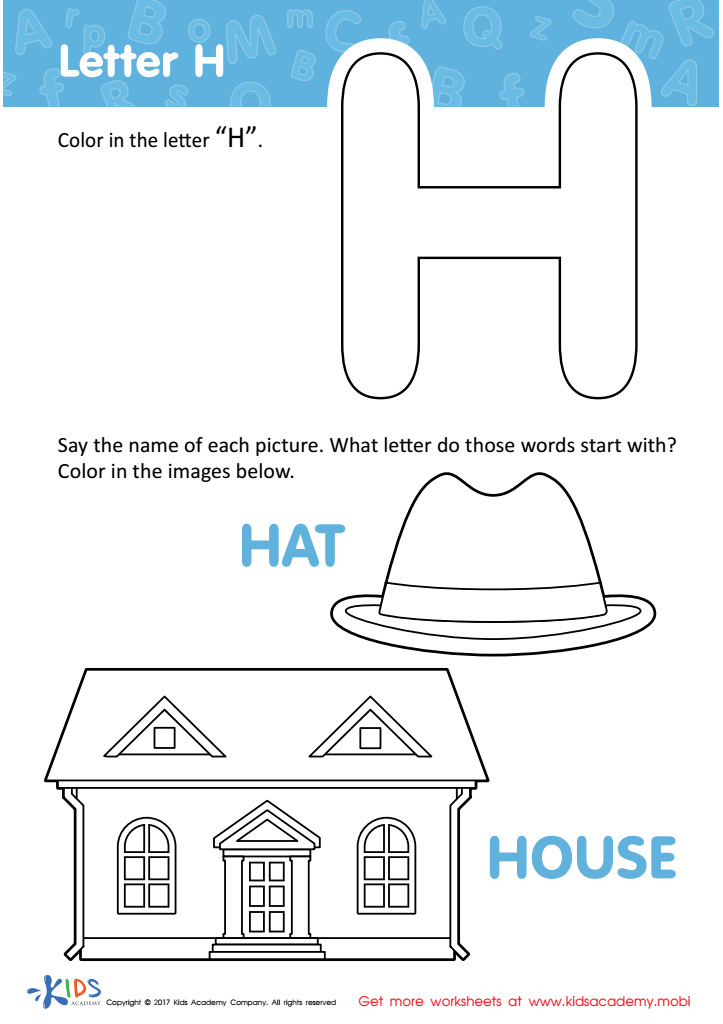
Letter H Coloring Sheet
Assign to My Students
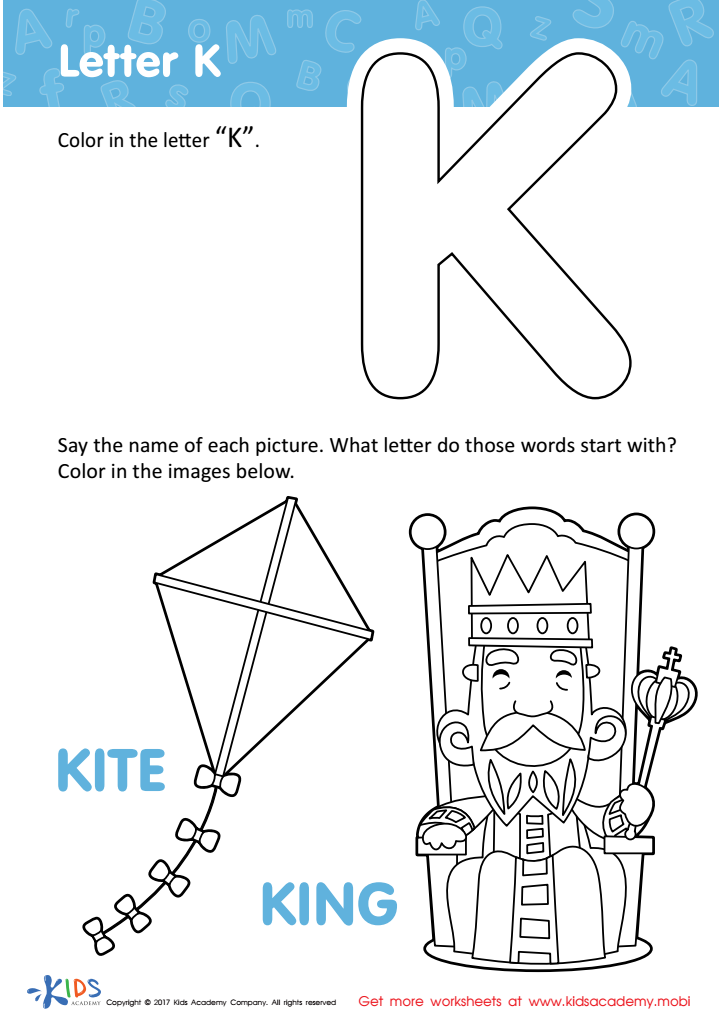
Letter K Coloring Sheet
Assign to My Students
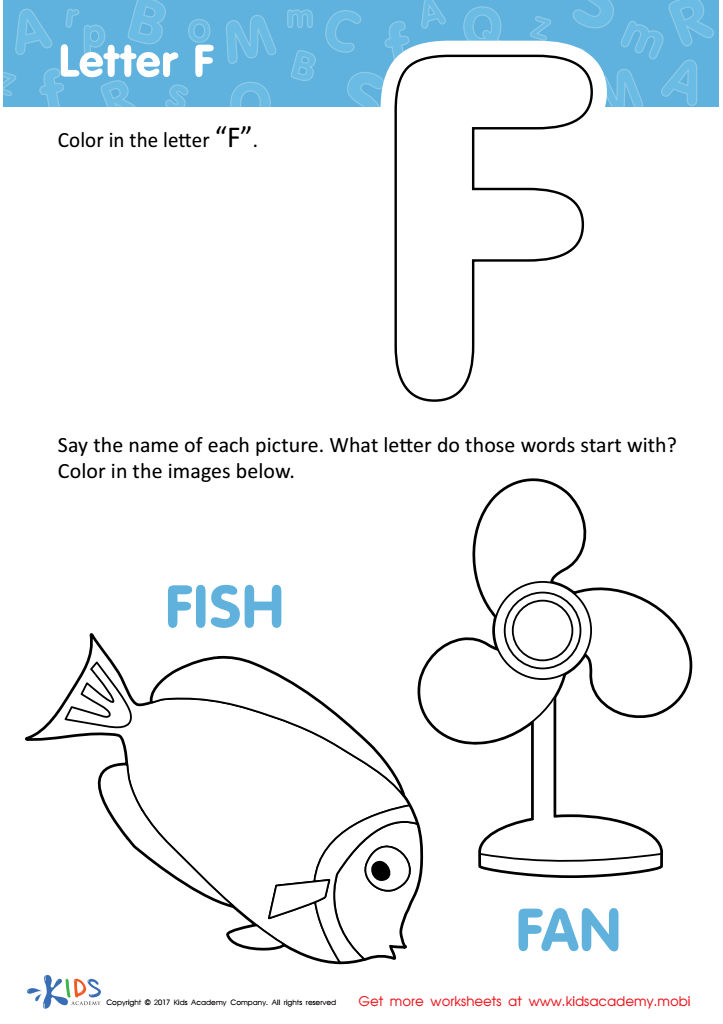
Letter F Coloring Sheet
Assign to My Students

Letter N Coloring Sheet
Assign to My Students
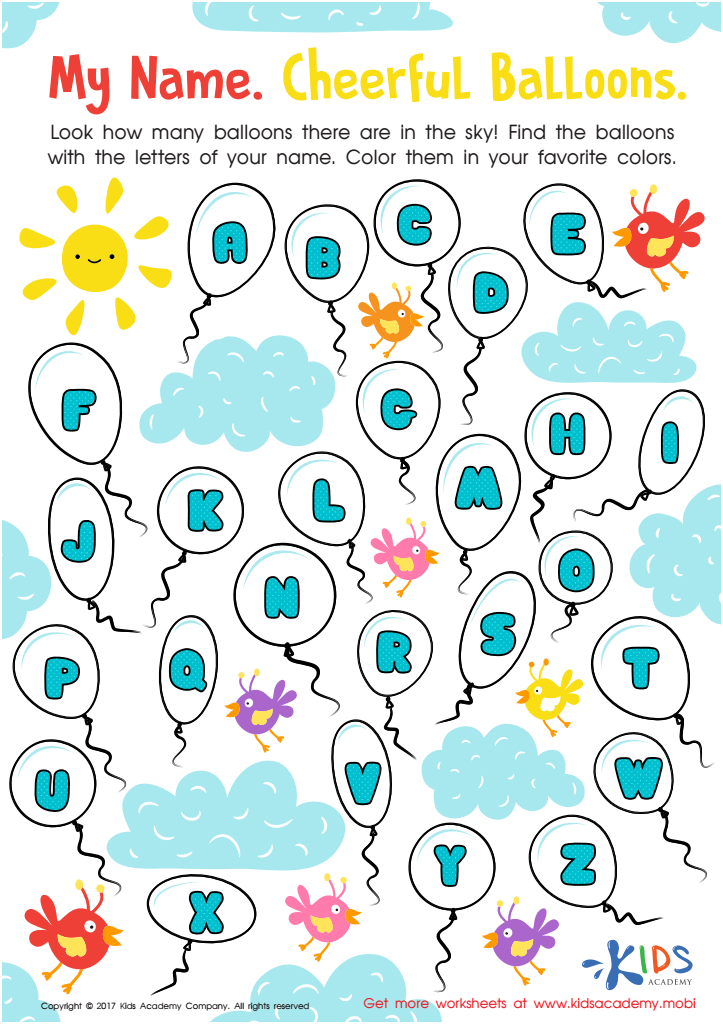
My Name: Cheerful Balloons Worksheet
Assign to My Students



Normal ABC coloring pages for ages 5-8 are not just simple, fun-filled activities, but also crucial educational tools that parents and teachers should integrate into early childhood learning. These coloring pages help children develop fine motor skills by practicing gripping pencils and coloring within lines, which is fundamental for handwriting. Engaging with ABC pages assists youngsters in letter recognition and phonemic awareness, setting the foundation for reading and literacy.
Additionally, the incorporation of colors and creativity keeps young learners interested and motivated, making the learning process enjoyable and effective. As children distinguish letters and their associated sounds, they engage in pre-reading activities that are instrumental in early language development.
Coloring together can also foster a sense of accomplishment and build self-confidence. For parents and teachers, these coloring pages provide valuable insights into a child’s learning progress, helping to identify areas where additional support might be needed. They also offer a bonding opportunity between children and their caregivers, encouraging collaborative learning and communication.
In summary, Normal ABC coloring pages are an essential educational device that support early literacy, develop fine motor skills, boost self-esteem, and facilitate quality interaction between children and their educators or parents.