Sound recognition Normal Consonants Worksheets for Ages 5-8
3 filtered results
Difficulty Level
Grade
Age
-
From - To
Subject
Activity
Standards
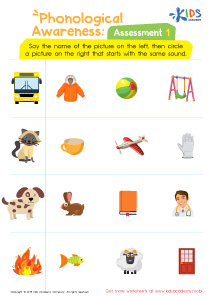
Looking to enhance your child's phonetic skills? Our Sound Recognition Normal Consonants Worksheets for Ages 5-8 are designed to teach young learners how to identify and differentiate consonant sounds. Through engaging and interactive exercises, children will develop a strong foundation in recognizing consonant letter and sound relationships. These printable activities are perfect for classroom use or at-home learning, providing essential practice for early reading success. Ideal for kindergartners and young students, our worksheets will make phonics fun and effective, paving the way for confident reading. Discover the joy of learning with our expert-designed resources today!
Favorites
With answer key
Interactive
Blending Consonants: "Fl", "Bl" and "Gl" Printable
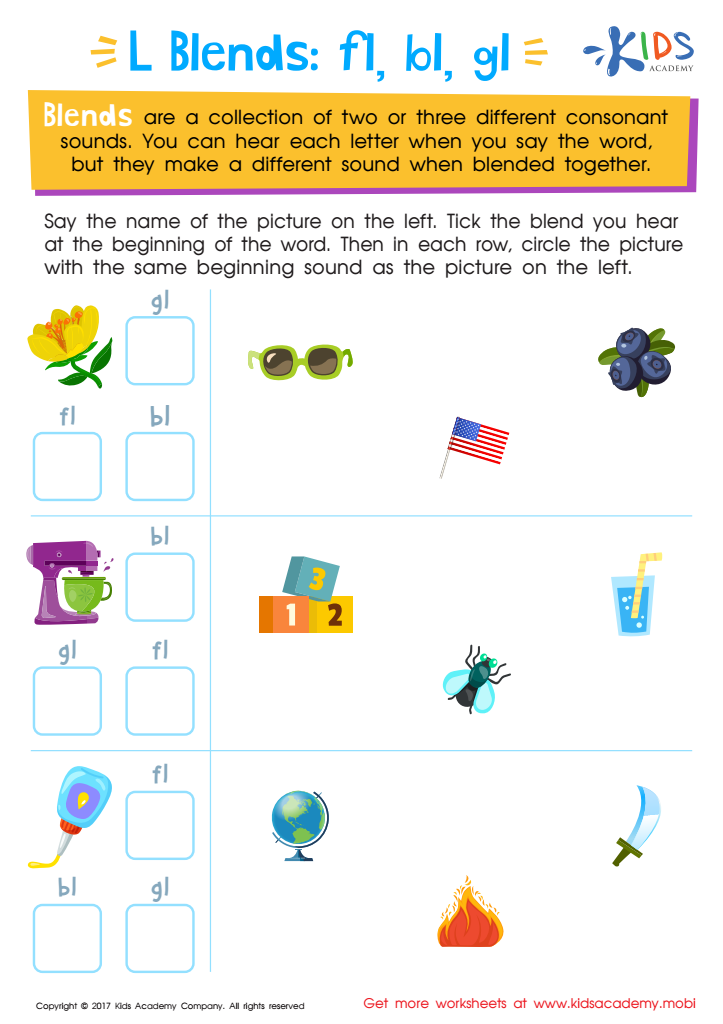
Help your child master consonant blends Fl, Bl, and Gl with this printable worksheet. Find words associated with the pictures and learn to better understand the difference between consonant blends. Vibrant images motivate and aid in learning. Download now for improved phonics success!
 Assign to My Students
Blending Consonants: "Fl", "Bl" and "Gl" Printable
Worksheet
The /th/ Sound Worksheet
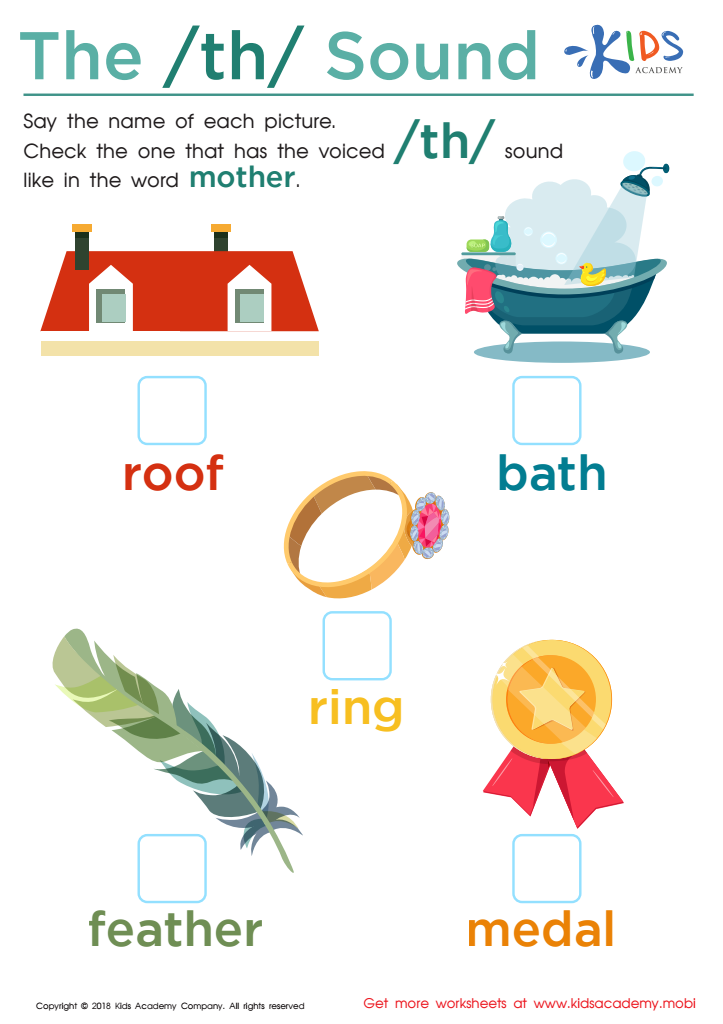
Confuse your students no more: have them use this worksheet to understand the /th/ sound and its two variants. With pictures, ask them to say the name of each one. Help them identify the voiced /th/ sound, like in 'mother', by having them say it aloud. Download the pdf to get started.
The /th/ Sound Worksheet
Worksheet
Matching Consonant Sounds: Part 1 Worksheet
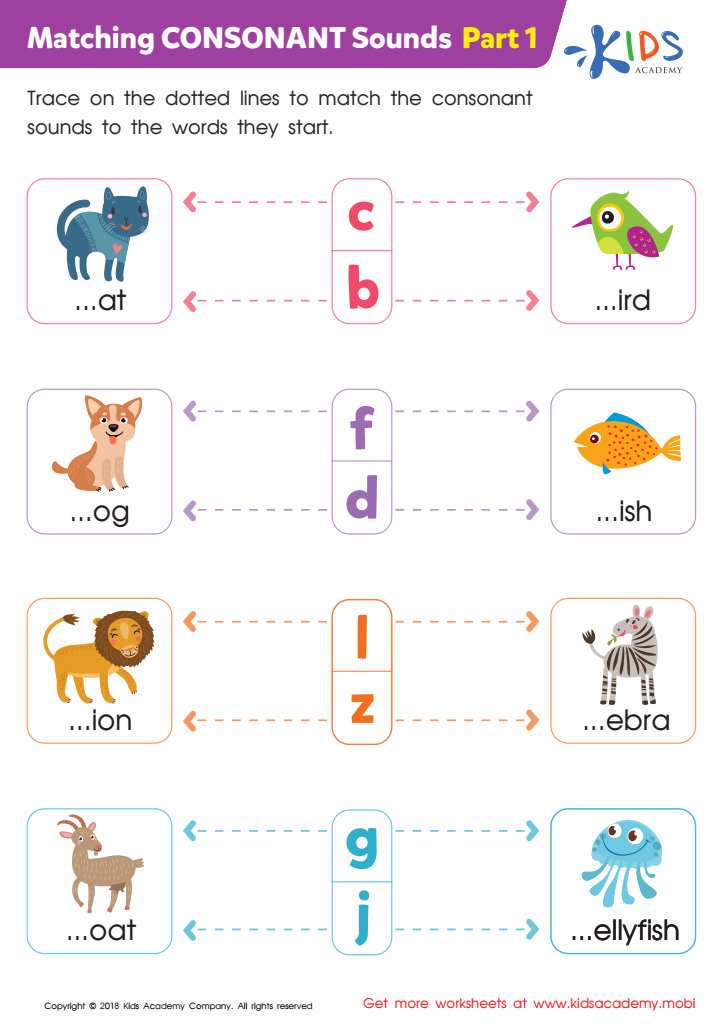
Decide which letter matches each word and picture in this fun phonics worksheet. Slide your finger over each word, trying out each letter to check for matches. Once each pair is solved, trace the dotted lines with pencil to complete the printable. Who knew learning could be so enjoyable?
Matching Consonant Sounds: Part 1 Worksheet
Worksheet
Join Kids Academy for Free
Who is primarily going to use this learning content?



Sound recognition of normal consonants is crucial for children aged 5-8 because it lays the foundation for essential literacy skills. During this developmental window, children are particularly receptive to acquiring language, and mastering the ability to recognize consonant sounds forms the backbone of understanding spoken and written language.
Firstly, clear sound recognition supports phonemic awareness, which is the ability to hear and manipulate individual sounds in words. This skill is fundamental for decoding words during reading and writing. Without a firm grasp of consonant sounds, children may struggle with blending sounds to form words or segmenting words into their individual sounds, tasks integral to fluent reading and effective writing.
Secondly, proficient consonant recognition enhances vocabulary acquisition and spelling skills. When children can accurately identify and reproduce consonant sounds, they are more likely to spell words correctly and expand their vocabularies, which are key components of communication and comprehension.
Moreover, improved sound recognition can boost children’s confidence and motivation to engage with reading and writing activities, fostering a positive attitude towards learning. Early difficulties in these areas can lead to long-term academic challenges and frustration.
Therefore, parents and teachers should prioritize teaching consonant sound recognition to provide a strong linguistic foundation, setting children up for future academic success and lifelong communication skills.