Handwriting practice Normal Alphabet Worksheets for Ages 5-8 - Page 2
37 filtered results
-
From - To
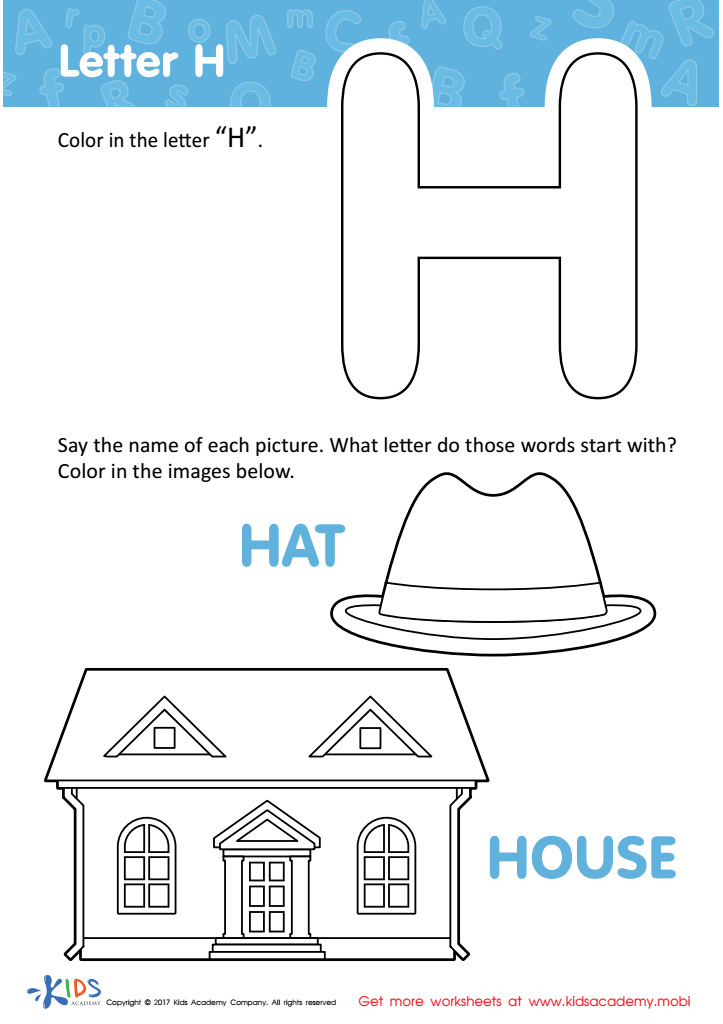
Letter H Coloring Sheet
 Assign to My Students
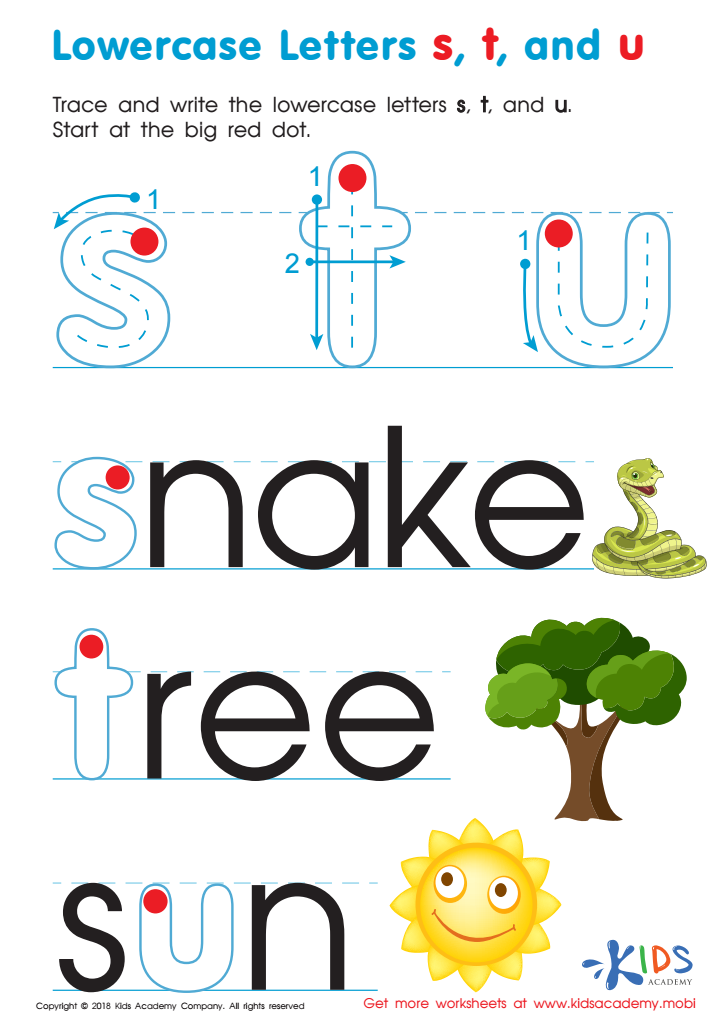
Lowercase Letters s t u Worksheet
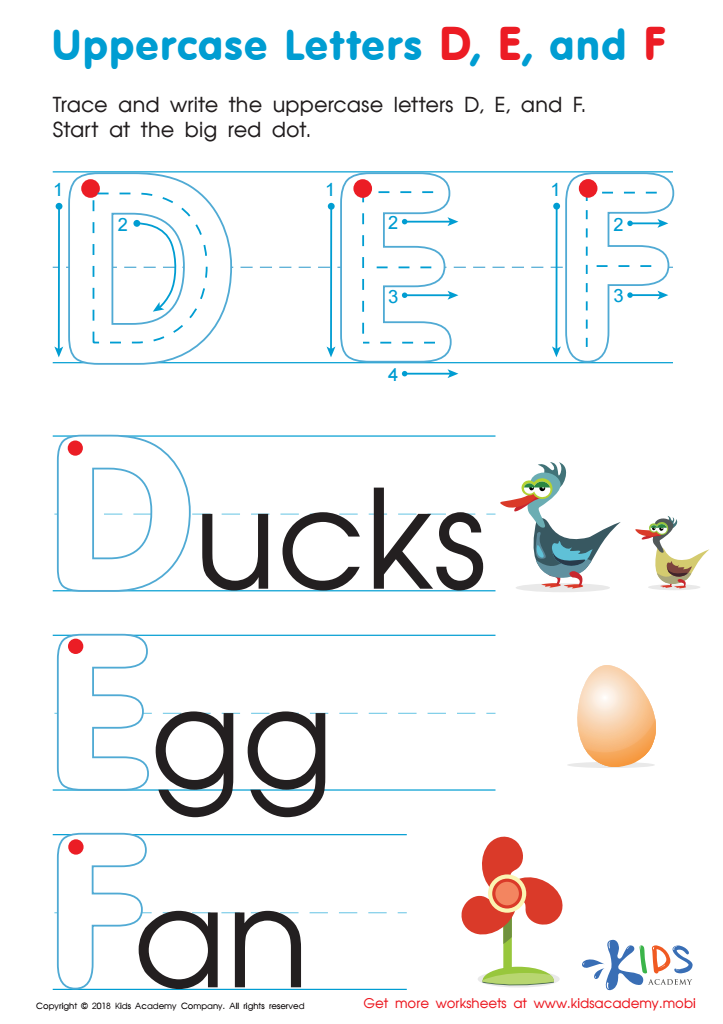
Uppercase Letters D, E, and F Worksheet
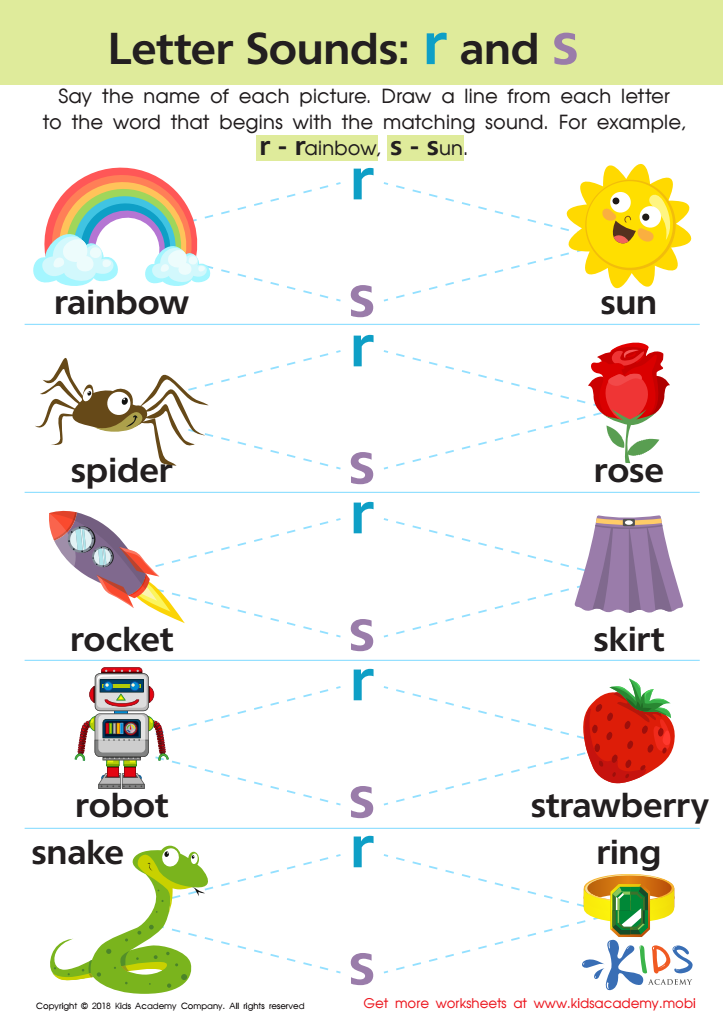
Letter R and S Sounds Worksheet
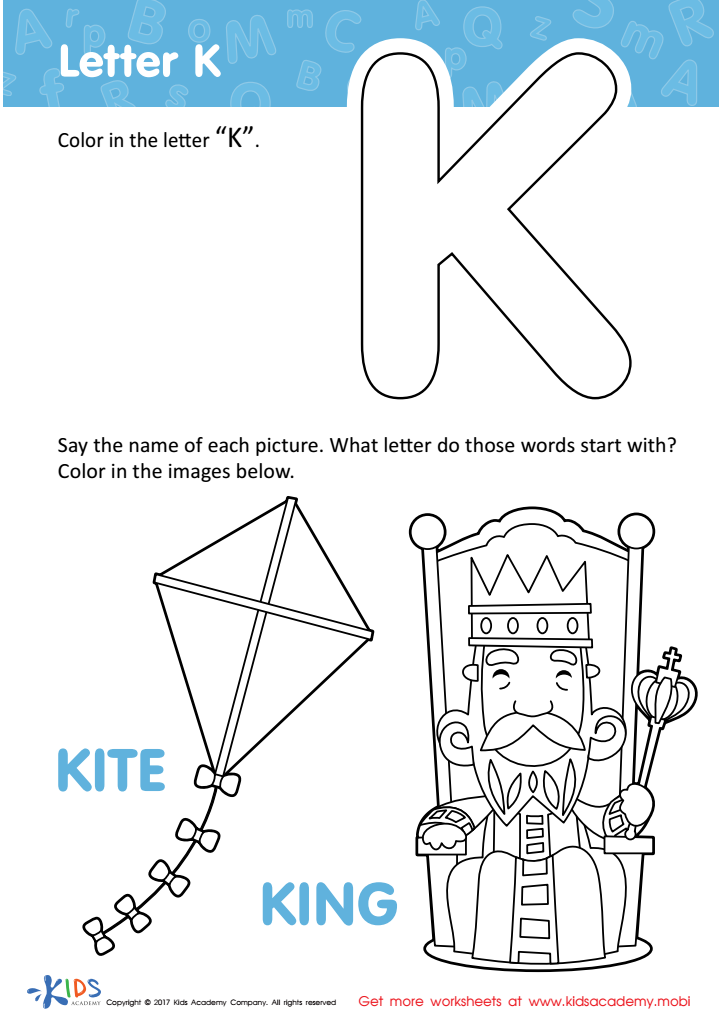
Letter K Coloring Sheet
Assign to My Students
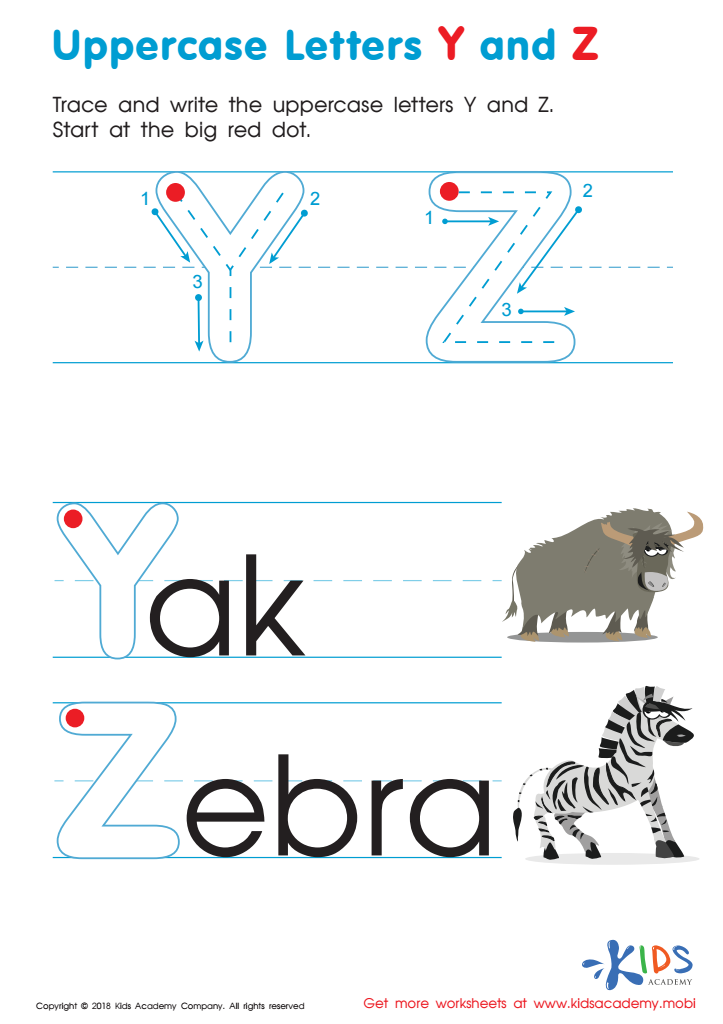
Uppercase Letters Y Z Worksheet
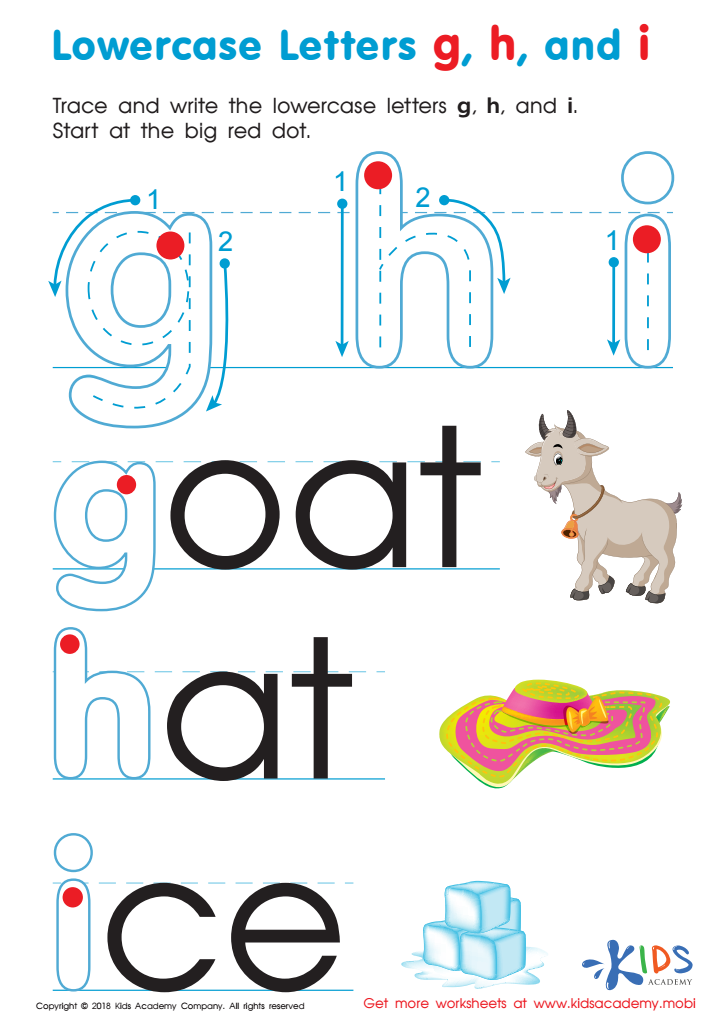
Lowercase Letters g h i Worksheet
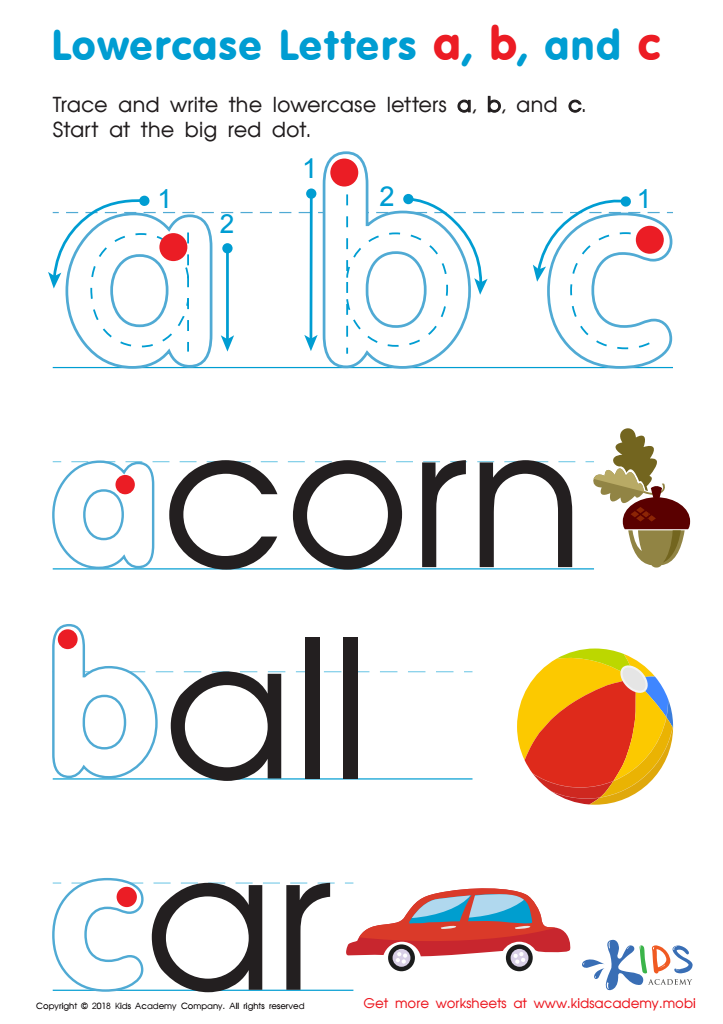
Lowercase Letters a b c Worksheet
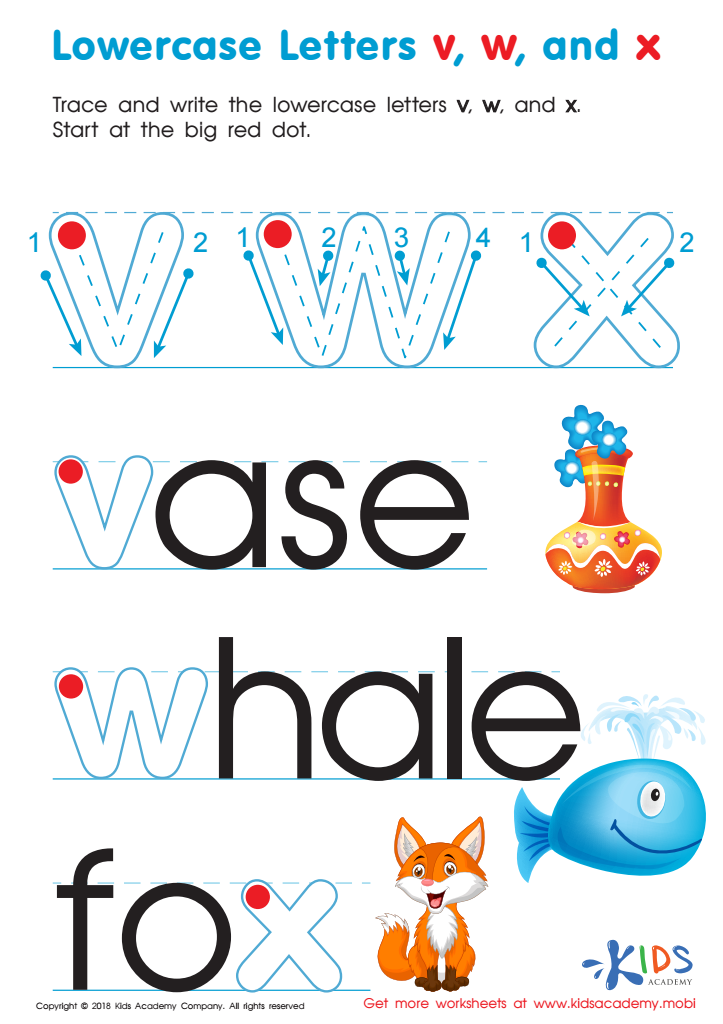
Lowercase Letters v w x Worksheet
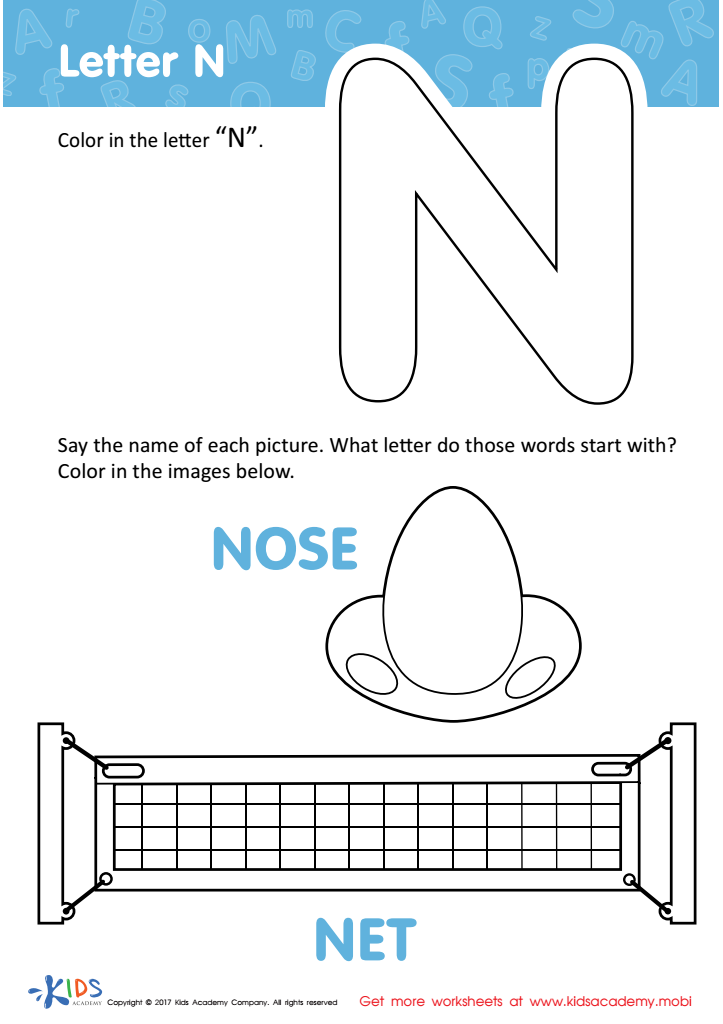
Letter N Coloring Sheet
Assign to My Students
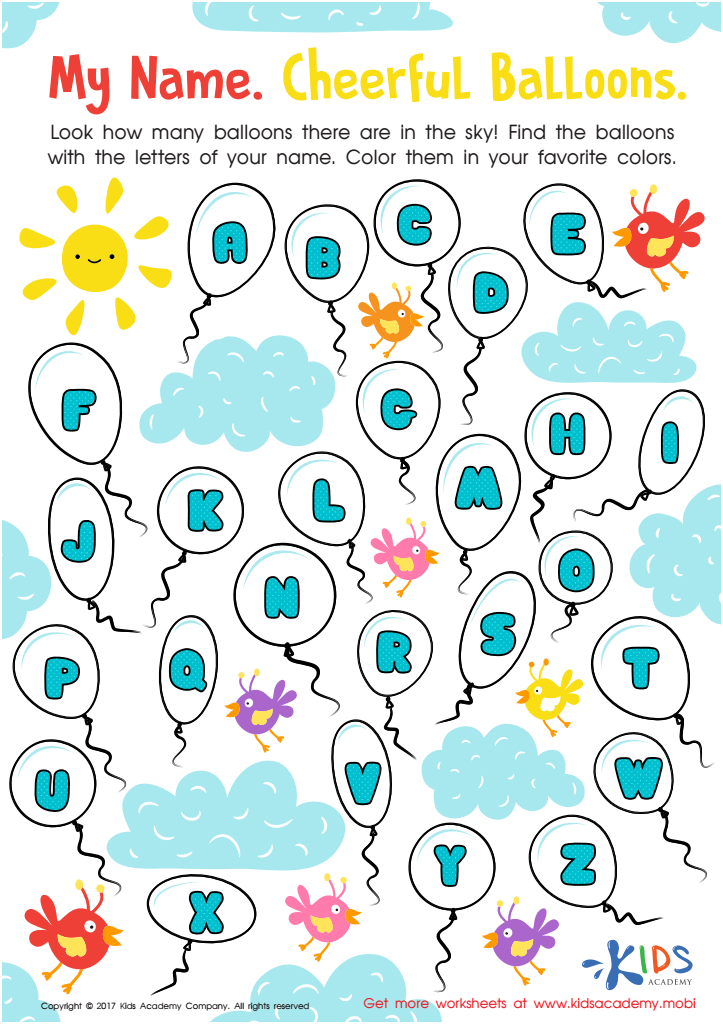
My Name: Cheerful Balloons Worksheet
Assign to My Students
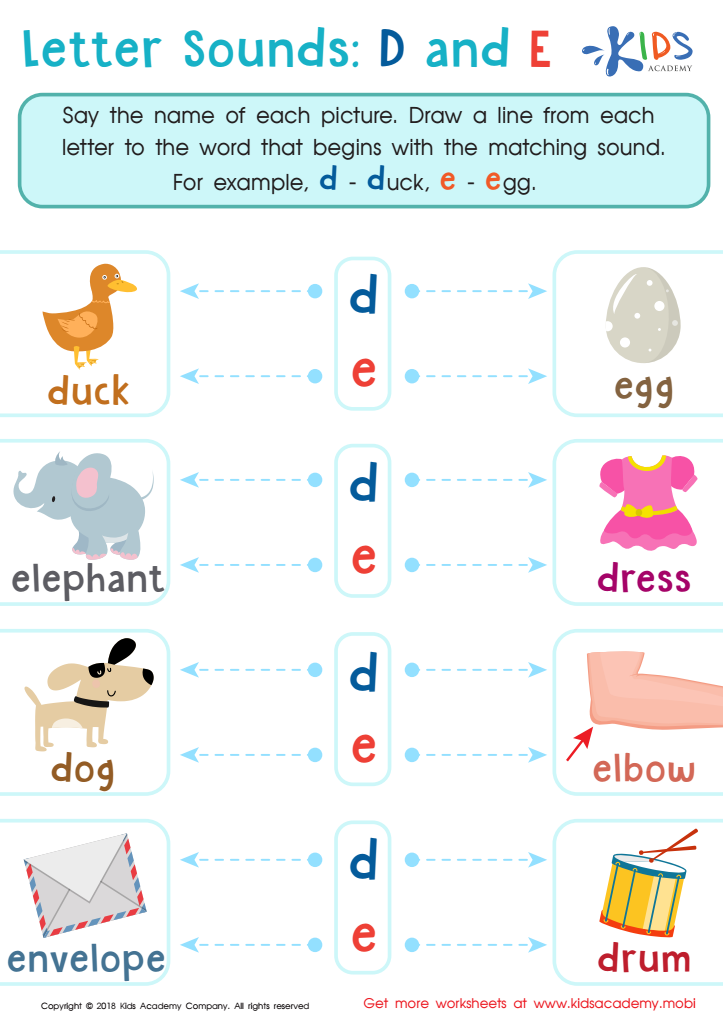
Letter D and E Sounds Worksheet
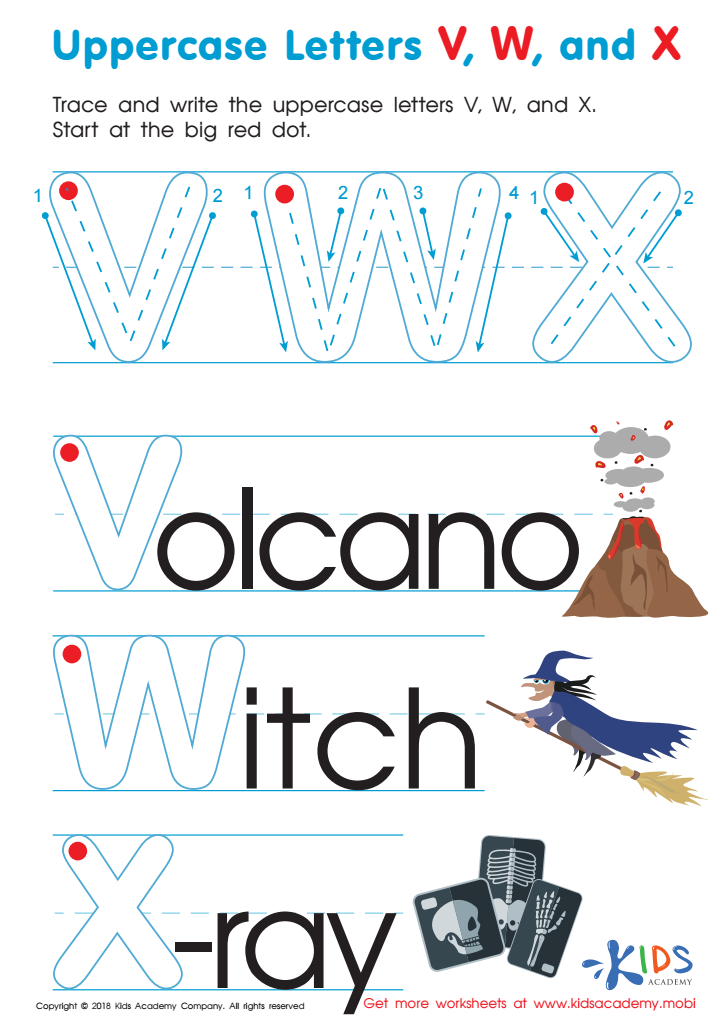
Uppercase Letters V, W, and X Worksheet








Handwriting practice is crucial for children aged 5-8 as it lays the foundation for effective communication and academic success. At this developmental stage, kids are refining their motor skills, and learning to write helps enhance fine motor coordination, hand-eye coordination, and finger strength. Mastering the normal alphabet is integral for literate functioning and serves as an essential building block for more complex literacy skills.
For parents and teachers, fostering good handwriting habits carries various academic and cognitive benefits. A child who can write neatly and efficiently is less likely to be frustrated in the classroom setting, enabling better focus on creative and critical thinking tasks. The discipline and practice involved in handwriting also promote patience, attention to detail, and perseverance—character traits valuable for future learning and personal growth.
Moreover, research indicates that the physical act of writing activates different areas of the brain responsible for memory, focused attention, and active learning. A child learning to write by hand is also more inclined to retain knowledge and express their ideas fluently.
Encouraging handwriting in early education ensures kids develop a strong personal narrative and self-expression. Furthermore, good penmanship builds confidence and a sense of accomplishment, important for both emotional and intellectual growth. Therefore, handwriting practice is not merely about legibility but is integral to a well-rounded early childhood education.







