Reading development Normal Alphabet Worksheets for Ages 5-8
5 filtered results
-
From - To
Discover our Reading Development Normal Alphabet Worksheets designed specifically for children ages 5-8! These engaging worksheets enhance literacy skills by encouraging recognition of letters, sounds, and basic vocabulary. Perfect for early learners, each activity promotes phonemic awareness and builds a strong foundation for reading success. With a variety of interactive exercises, from tracing and matching to coloring and sounding out letters, children will develop their reading abilities while having fun. Tailored for diverse learning styles, our resources provide the perfect blend of education and enjoyment. Start fostering a love for reading and help your child thrive with our comprehensive alphabet worksheets today!
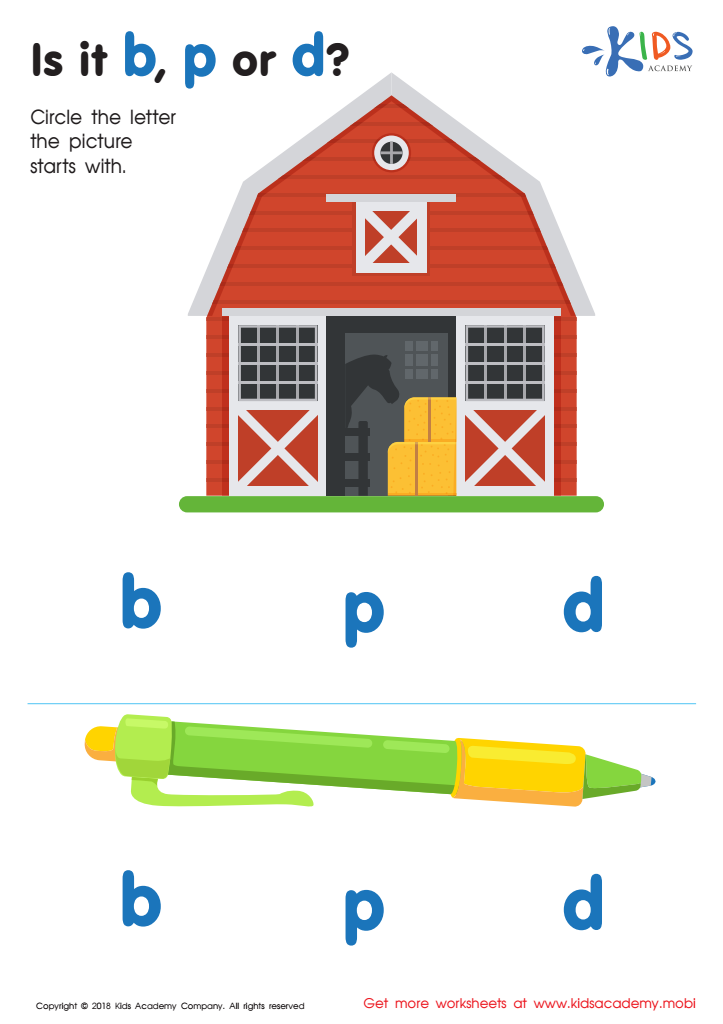
Is it b, p or d? Worksheet
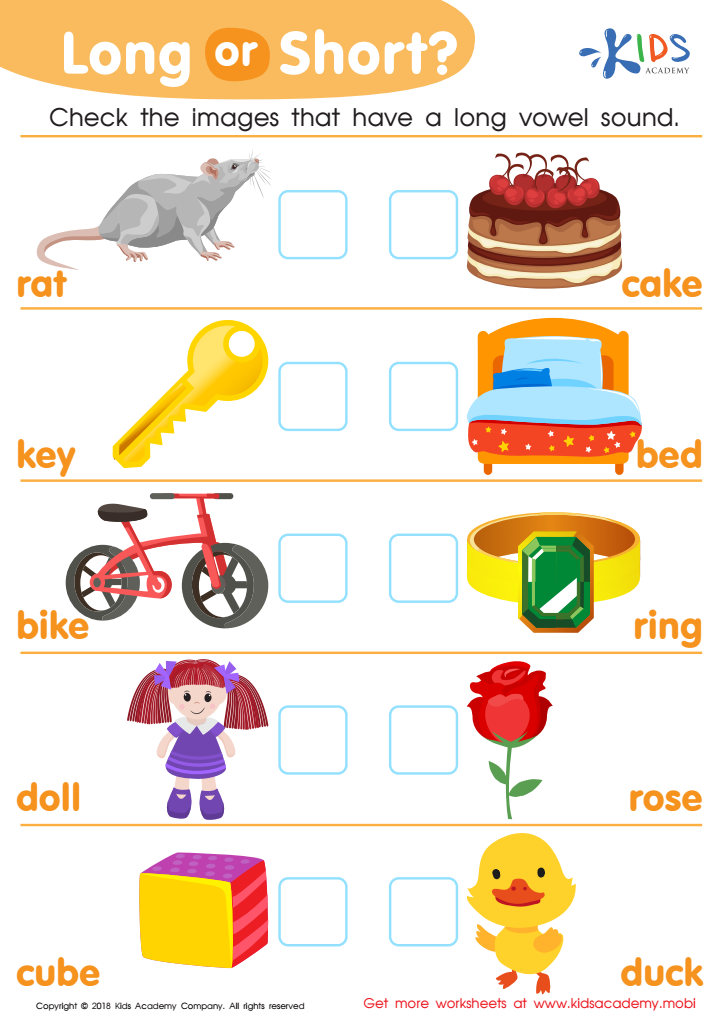
Long or Short Reading Worksheet
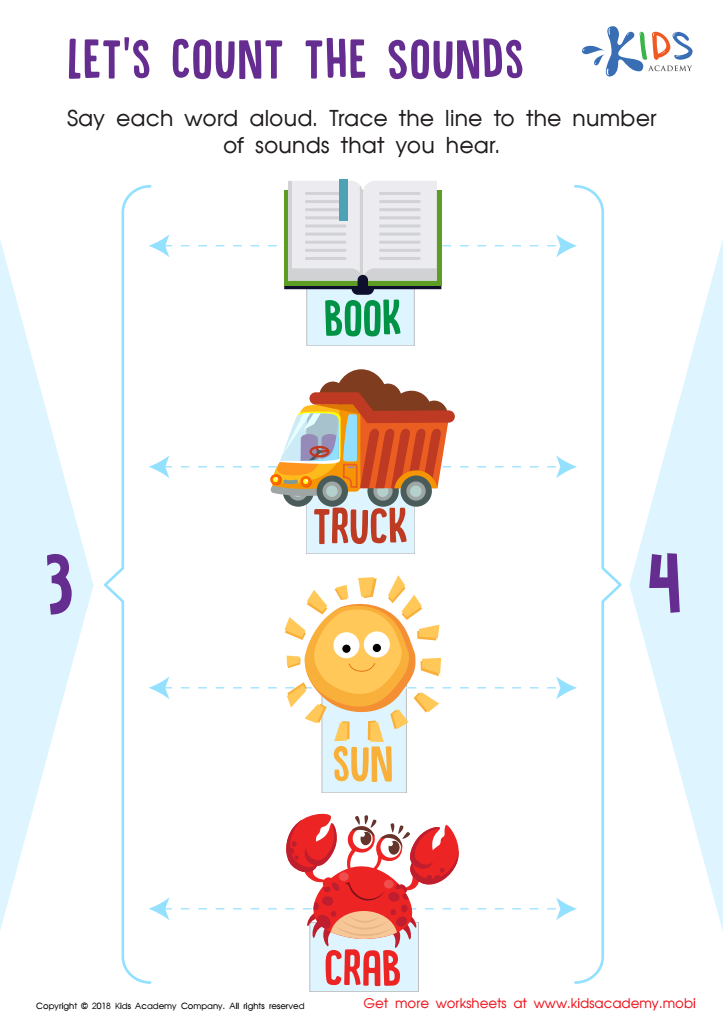
Let's Count the Sounds Worksheet
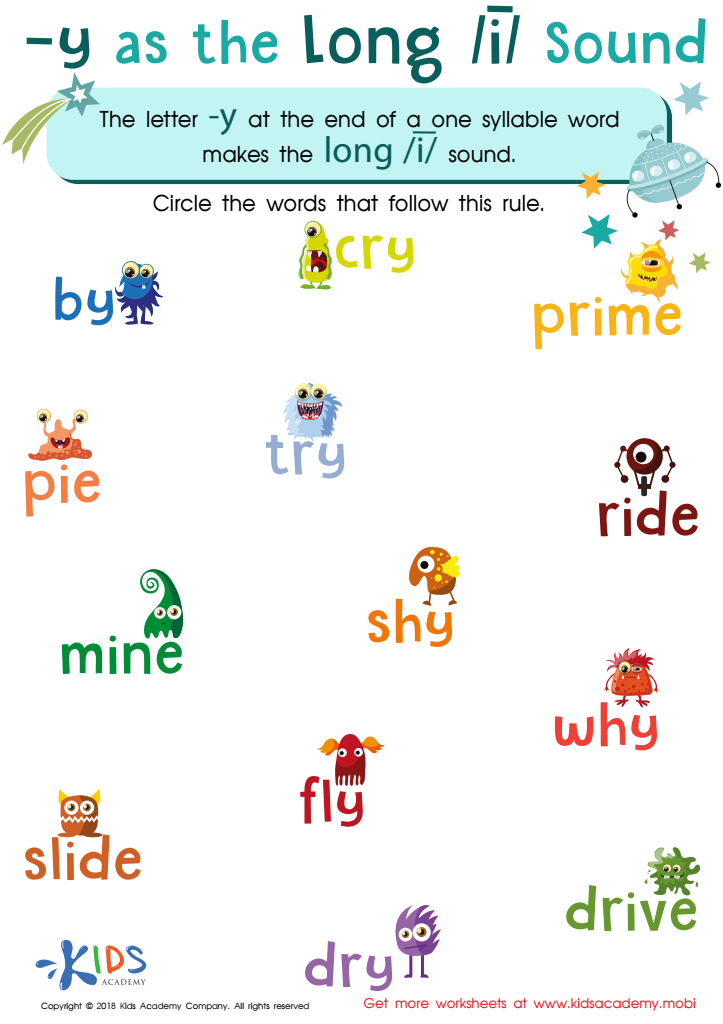
Reading: Y as Long I Worksheet
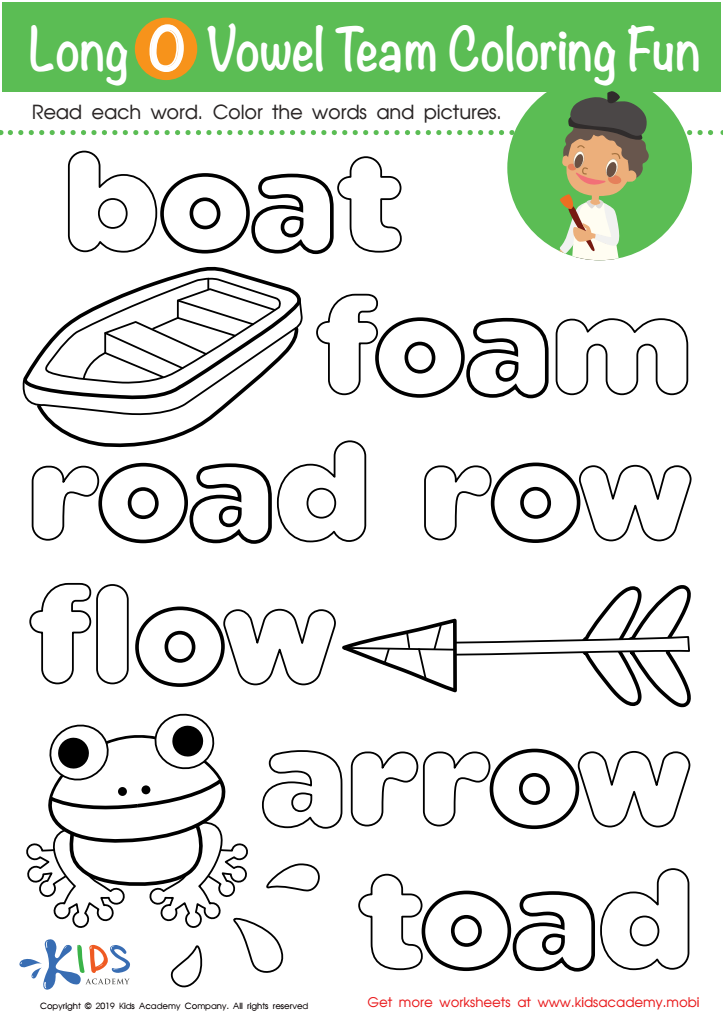
Long O Vowel Team Coloring Worksheet
 Assign to My Students








Reading development for children ages 5-8 is crucial for their academic and social success. During this formative period, children are learning to identify letters, sound out words, and understand basic sentence structures. Mastering the normal alphabet lays a strong foundation for literacy, which is essential in today’s information-driven world.
Parents and teachers play a vital role in fostering this development. Engaging children through reading aloud, interactive storytelling, and phonics activities can enhance their enthusiasm for reading and boost comprehension skills. When children can decode words and read fluently, they are better equipped to explore subjects comprehensively, from science to history.
Moreover, reading development contributes to vocabulary growth, improving communication skills and critical thinking abilities. These skills are not just foundational for academic success; they are also vital in navigating social interactions and understanding diverse perspectives.
Additionally, early literacy experiences can build self-esteem and independence in children, empowering them to pursue knowledge confidently. By supporting their reading journey, parents and teachers not only equip children for lifelong learning but also contribute to their emotional and cognitive development. Encouraging a love for reading will have lasting positive effects, benefiting children well beyond their formative years.







