Reading fluency Normal Alphabet Worksheets for Ages 5-8
6 filtered results
-
From - To
Our "Reading Fluency Normal Alphabet Worksheets for Ages 5-8" offer engaging, skill-building exercises tailored for young learners. These worksheets focus on familiarizing children with the alphabet, boosting their reading fluency, and enhancing their confidence in recognizing letters and sounds. Perfectly suited for ages 5-8, each printable activity is designed to make learning interactive and enjoyable. Whether used in the classroom or at home, these resources support foundational literacy skills, paving the way for successful reading development. Discover a fun and effective way to improve your child’s reading fluency with our age-appropriate worksheets.
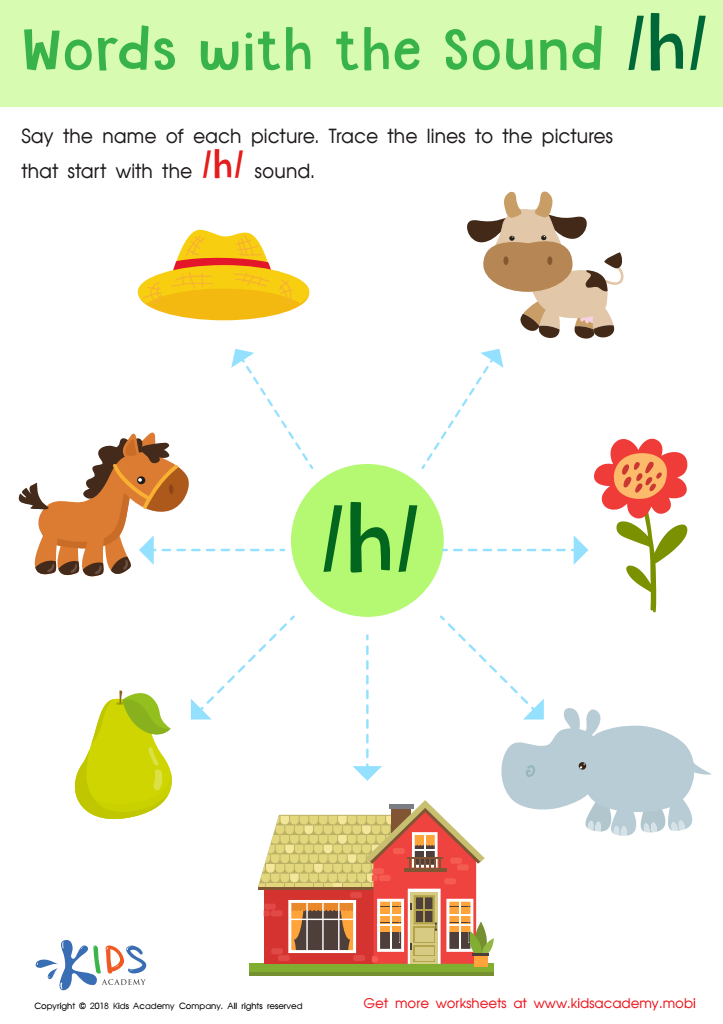
Words with sound h Reading Worksheet
 Assign to My Students
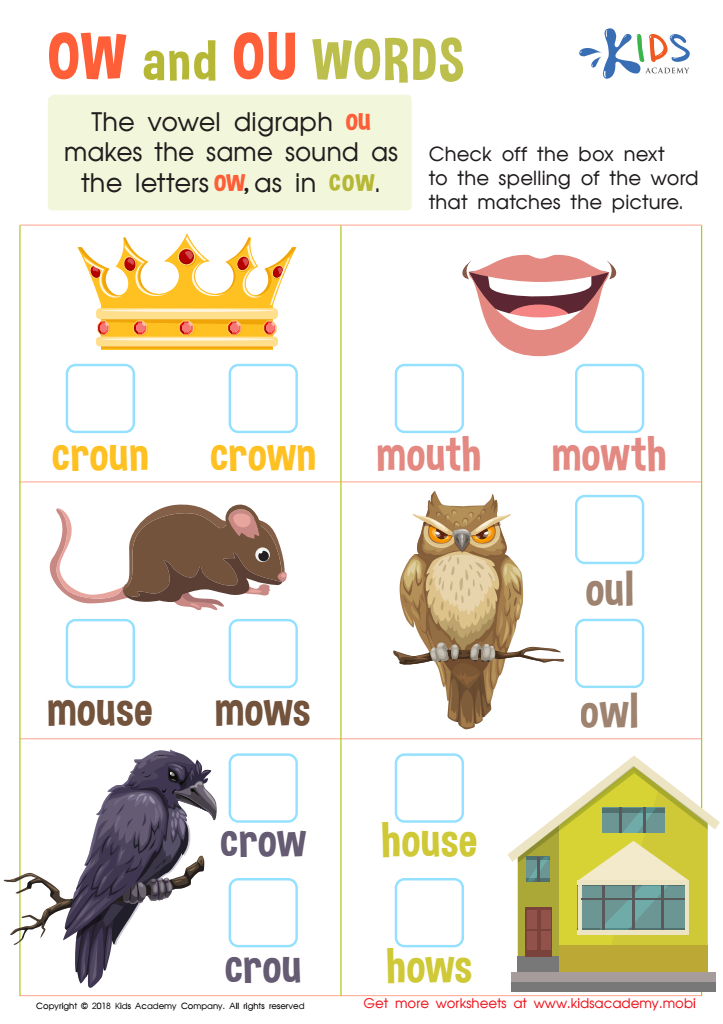
Reading: OW and OU Words Worksheet
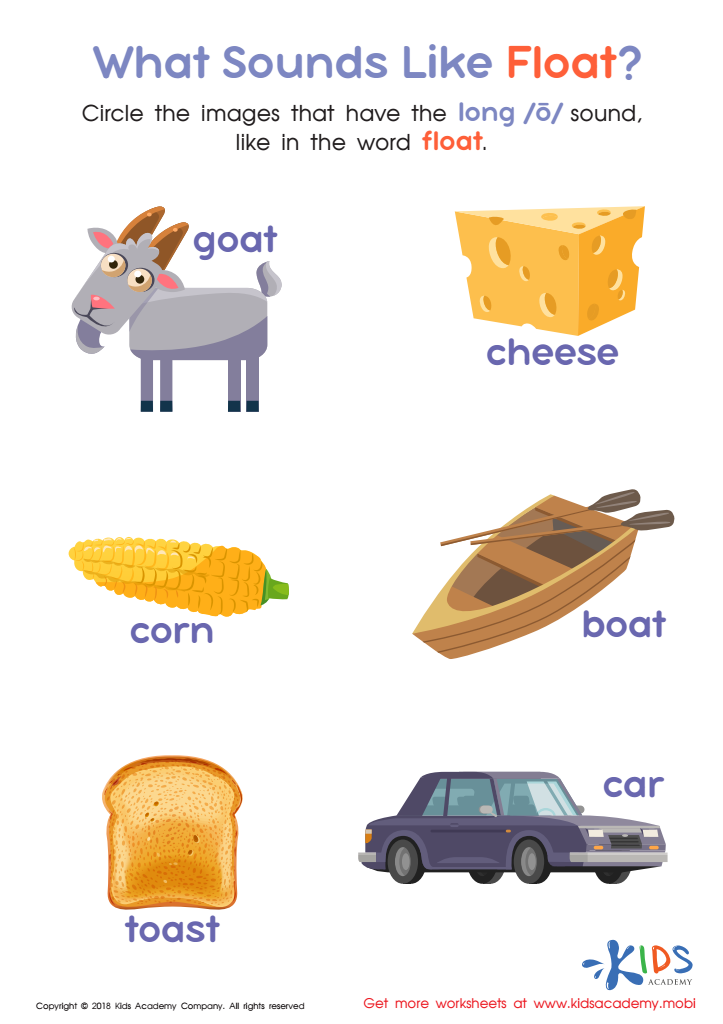
What Sounds Like Float? Worksheet
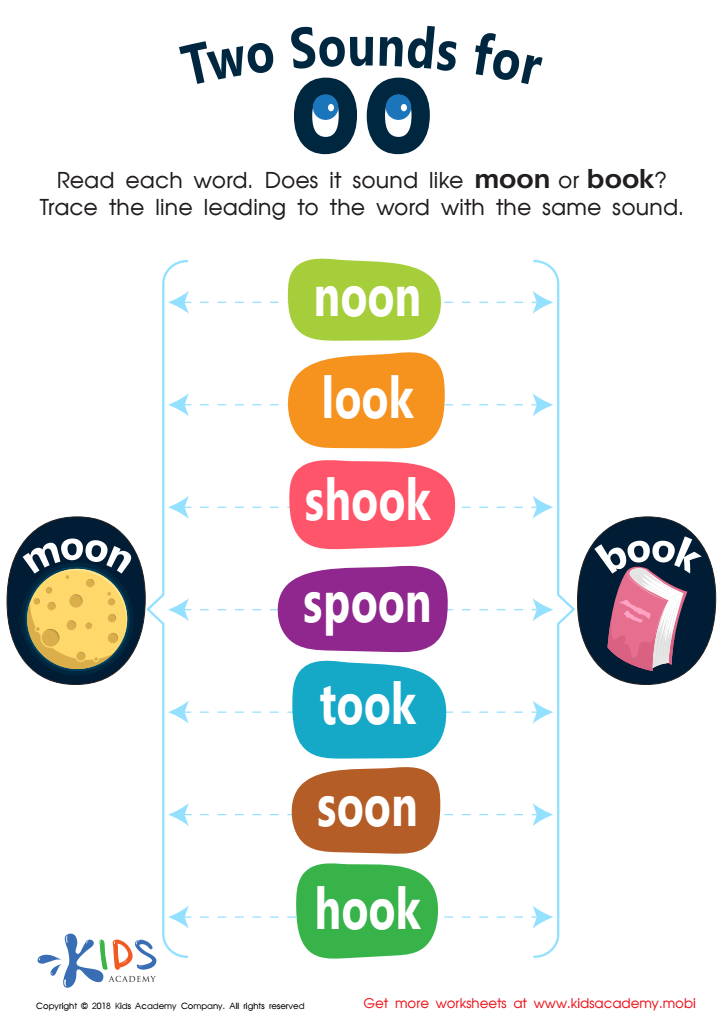
Two Sounds for OO Worksheet
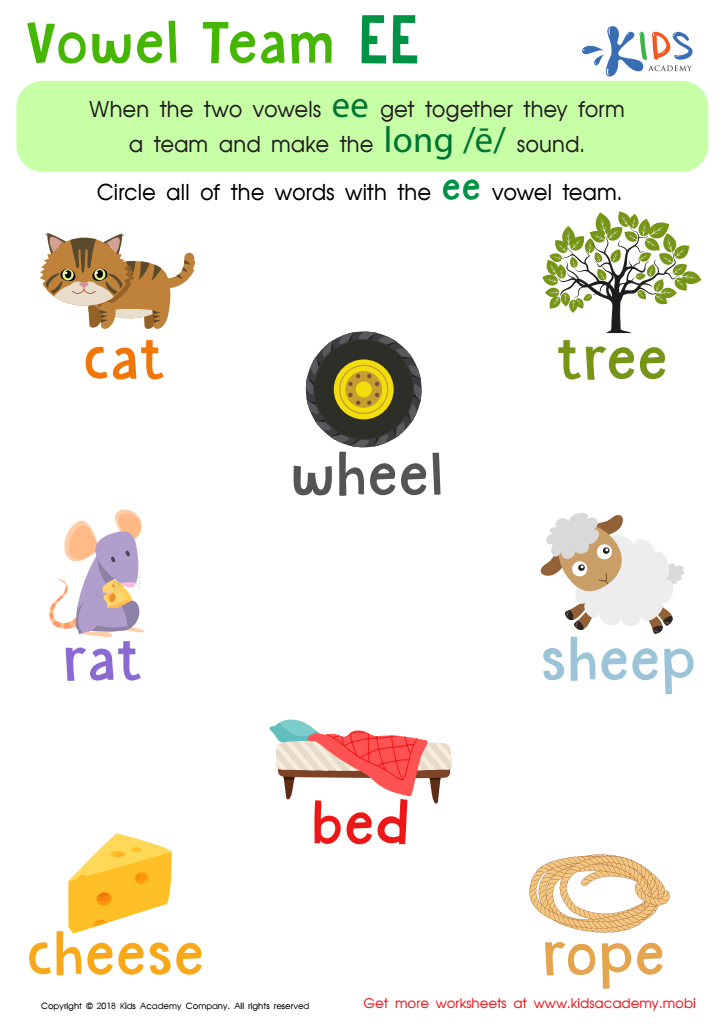
Reading: Vowel Team EE Worksheet
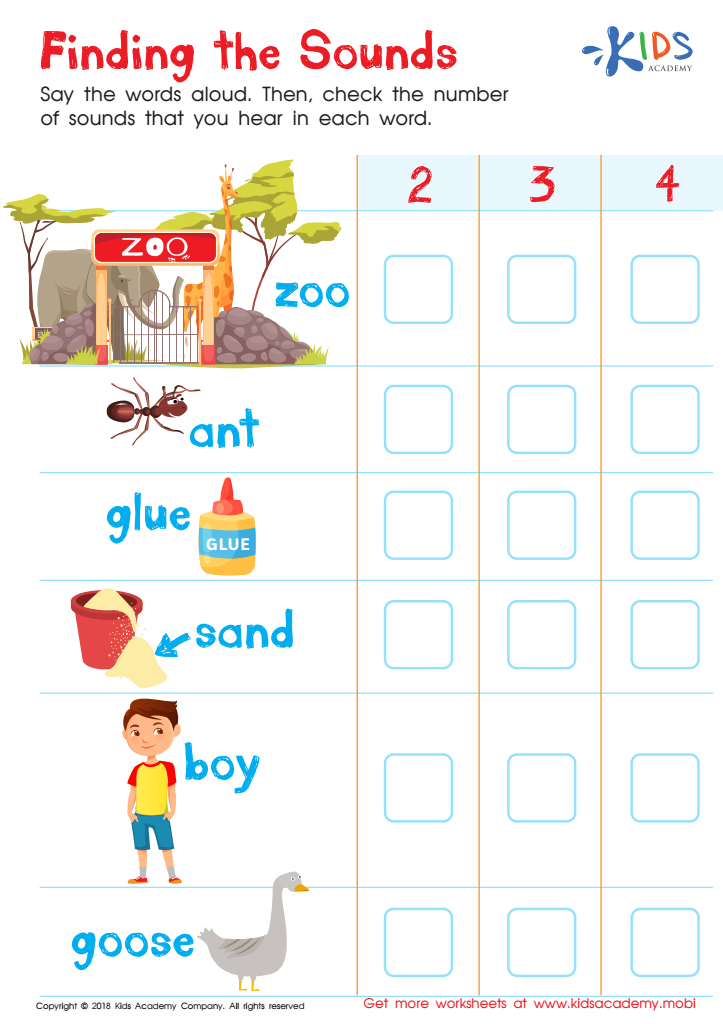
Finding the Sounds Worksheet


.jpg)





Reading fluency is essential for young learners, aged 5-8, as it sets the foundation for successful reading and comprehension skills necessary for academic achievement and lifelong learning. At this critical stage, students move from "learning to read" to "reading to learn." Fluency helps children read smoothly, quickly, and with proper expression, enabling better understanding of the text.
For parents and teachers, focusing on reading fluency involves encouraging consistent reading practice and providing a supportive environment where children can develop confidence in their reading abilities. Children who read fluently are likely to have a better grasp of grammar, vocabulary, and punctuation, all essential components of proficient reading and writing skills.
Moreover, fluency directly influences a child's ability to comprehend stories and instructions, which significantly impacts their performance across all subjects. When students can read fluently, they can more independently complete learning tasks, fostering a love for reading and an intrinsic motivation to learn.
In essence, nurturing reading fluency at an early age equips children with crucial literacy skills that unlock the door to academic success and personal growth. It lays the groundwork for effective communication, critical thinking, and the confidence to explore new and diverse challenges in both their educational pursuits and everyday life.







