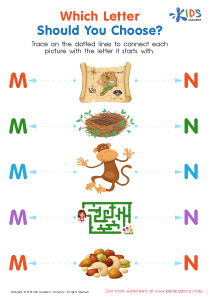
Fine Motor Skills Normal Lowercase/Small Letters Worksheets for Ages 5-8
14 filtered results
-
From - To
Explore our Fine Motor Skills Worksheets designed specifically for children aged 5-8, focusing on lowercase and small letters. These engaging printables help young learners sharpen their fine motor abilities while mastering letter recognition and handwriting. Each worksheet features fun activities that promote hand-eye coordination and dexterity, making learning a joy. Perfect for early education environments, our worksheets are easy to integrate into your teaching plan. Encourage your child's creativity and confidence as they practice tracing, coloring, and writing lowercase letters. Discover our collection today and support your child’s development in essential literacy skills and fine motor coordination!
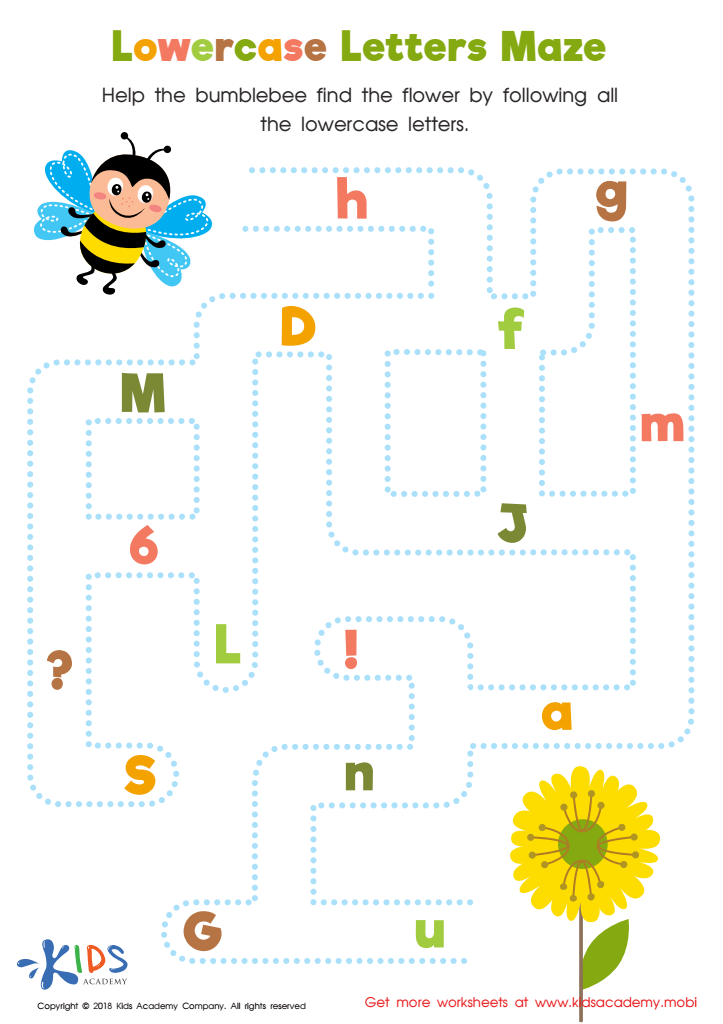
Lowercase Letters Maze Worksheet
 Assign to My Students
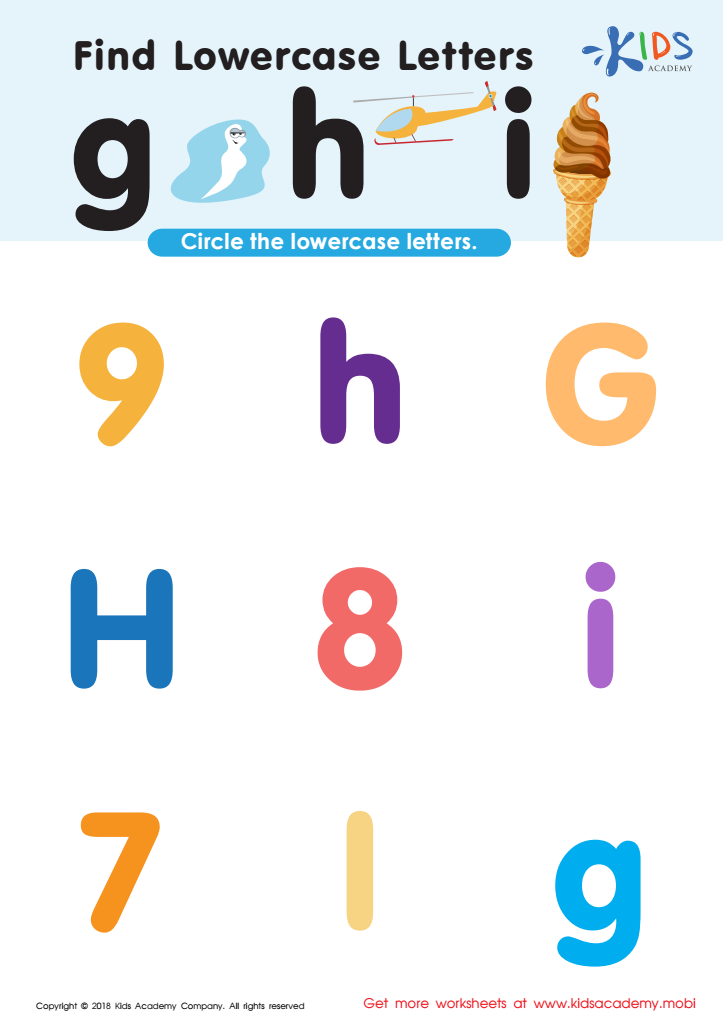
Find Lowercase Letters g h i Worksheet
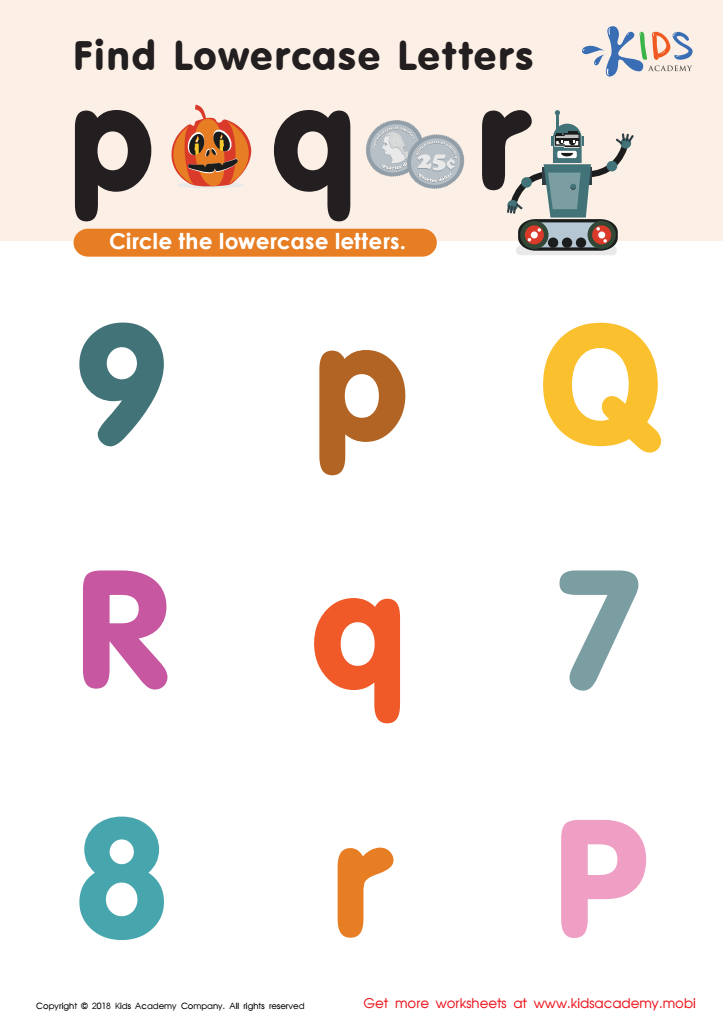
Find lowercase Letters p q r Worksheet
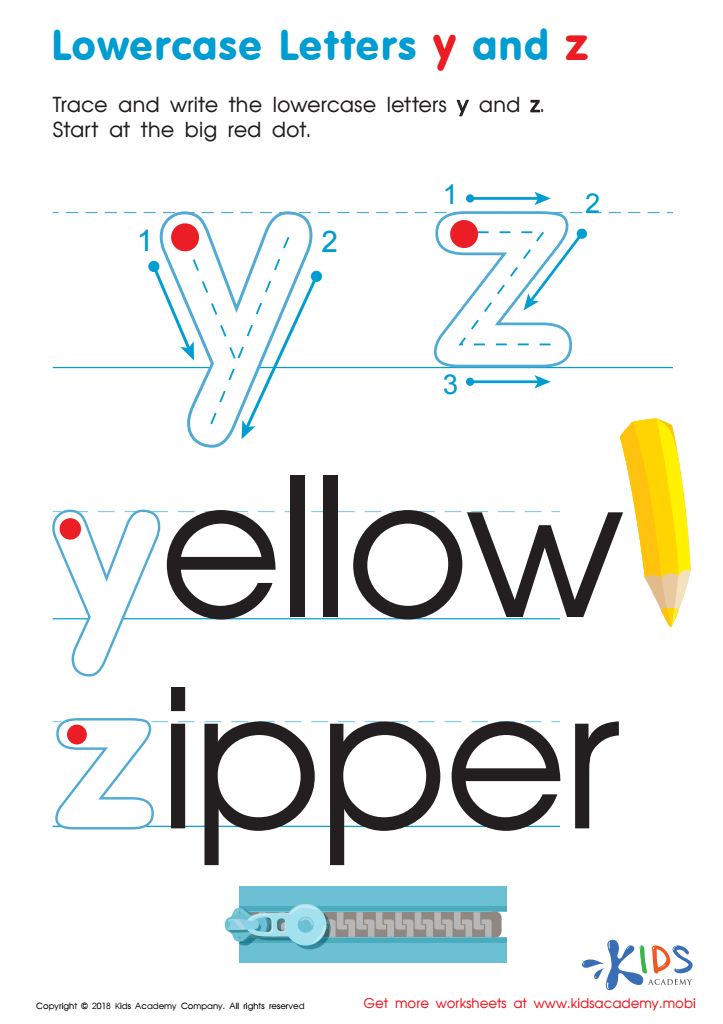
Lowercase Letters y z Worksheet
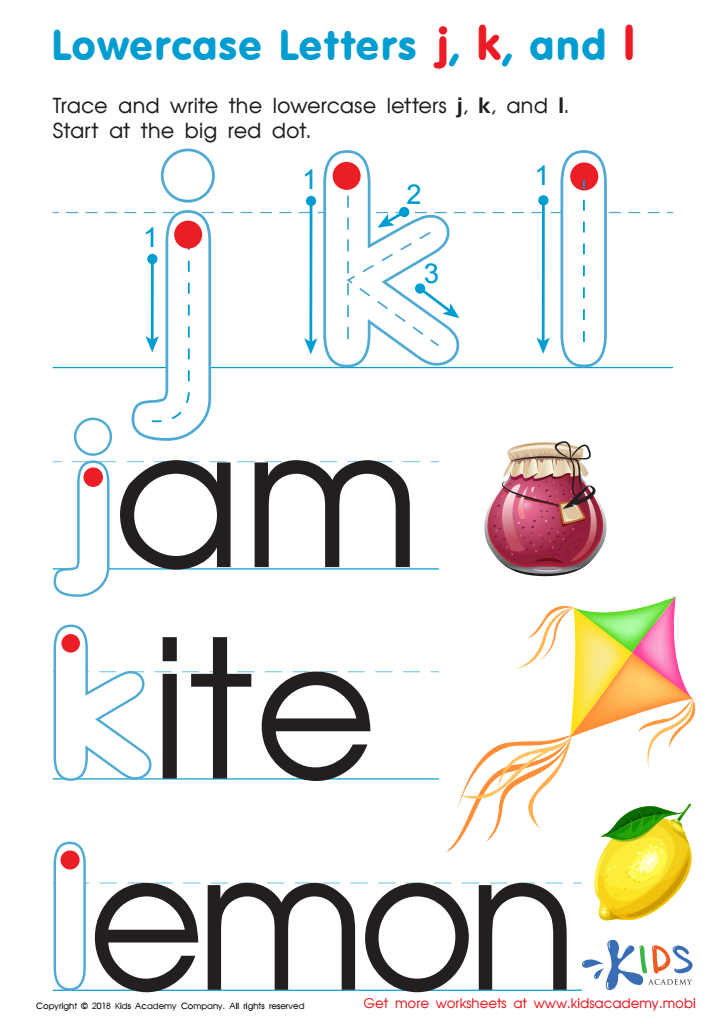
Lowercase Letters j k l Worksheet
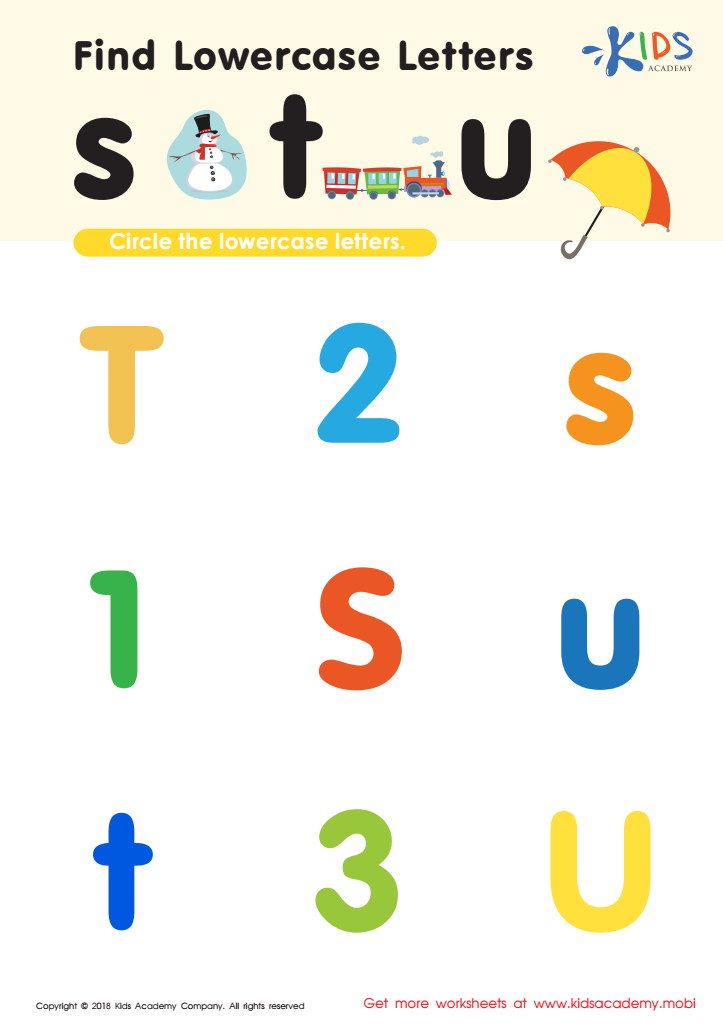
Find lowercase Letters s t u Worksheet
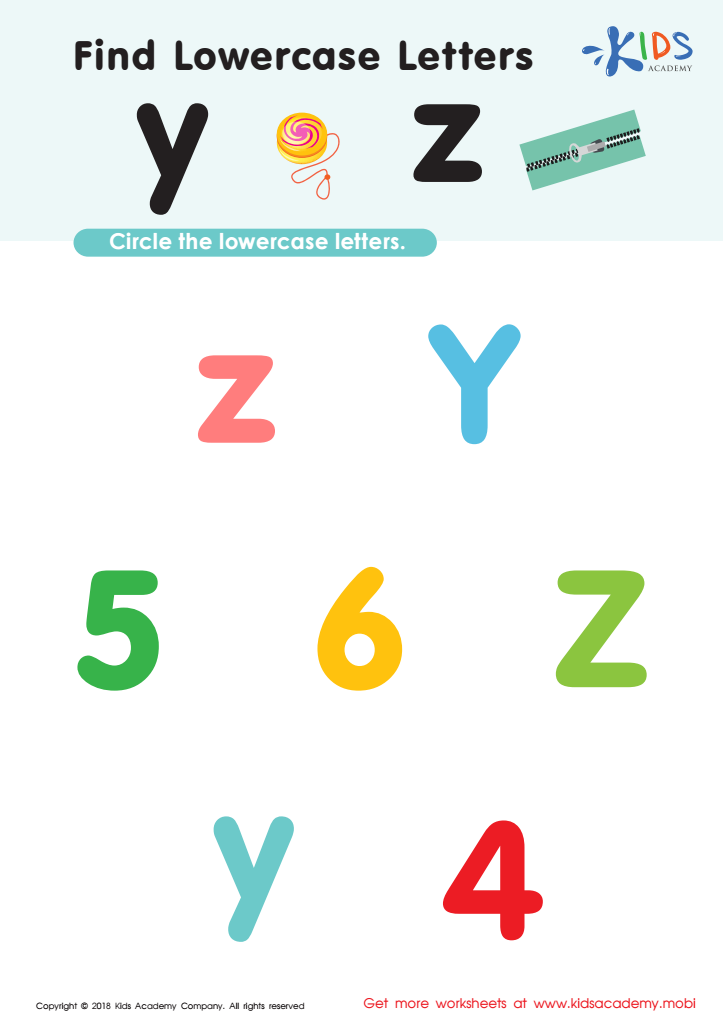
Find Lowercase Letters y z Worksheet
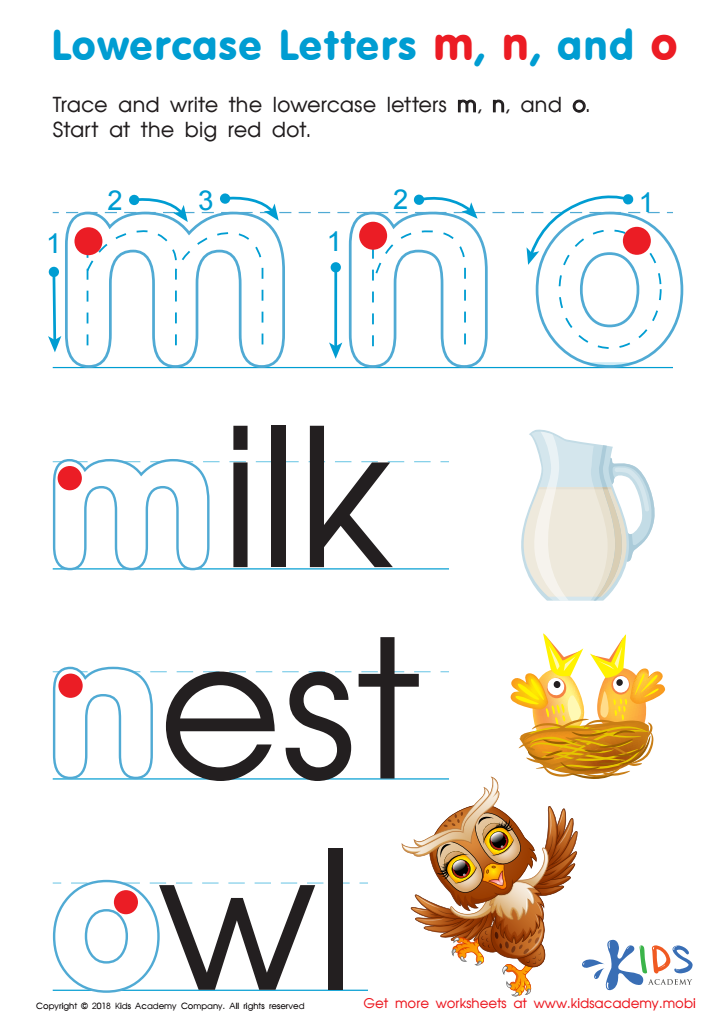
Lowercase Letters m n o Worksheet
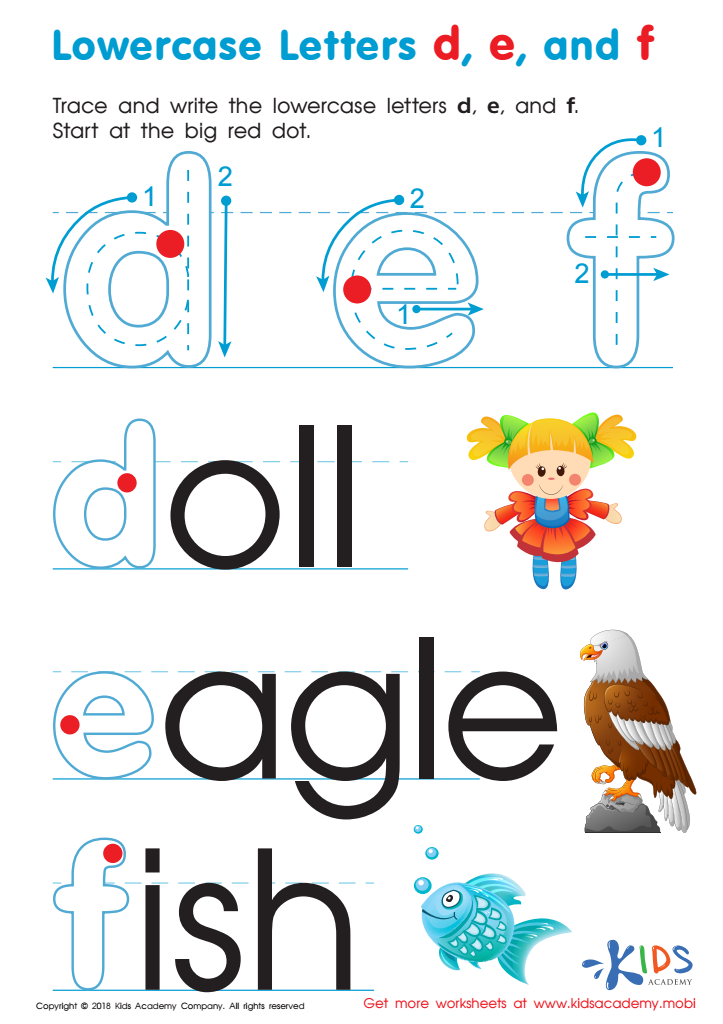
Lowercase Letters d e f Worksheet
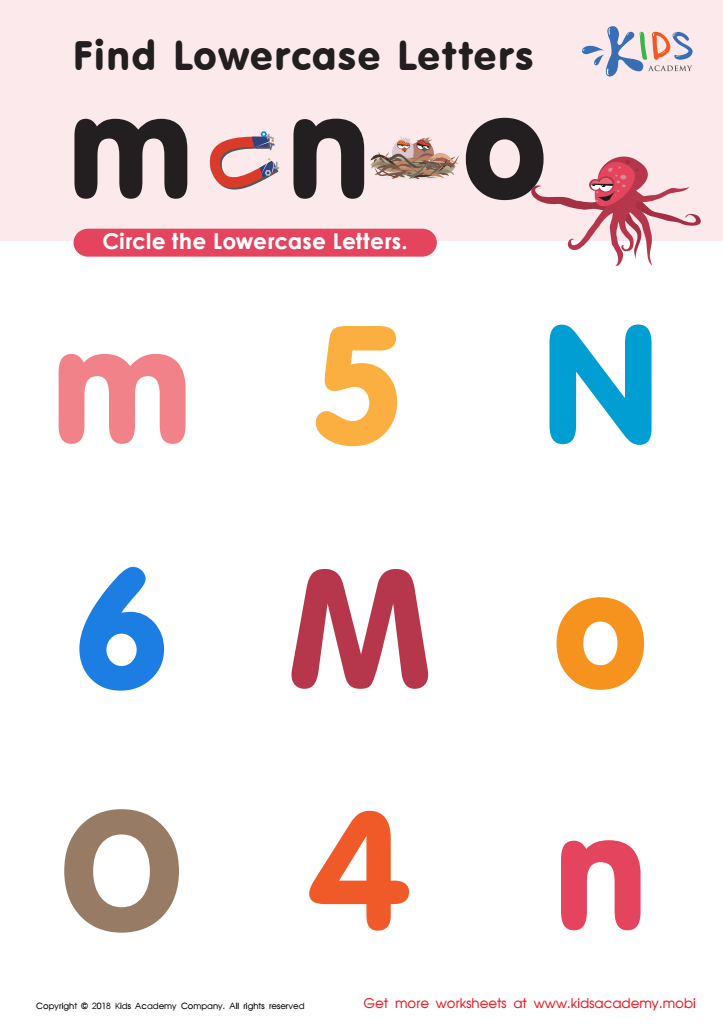
Find Lowercase Letters m n o Worksheet
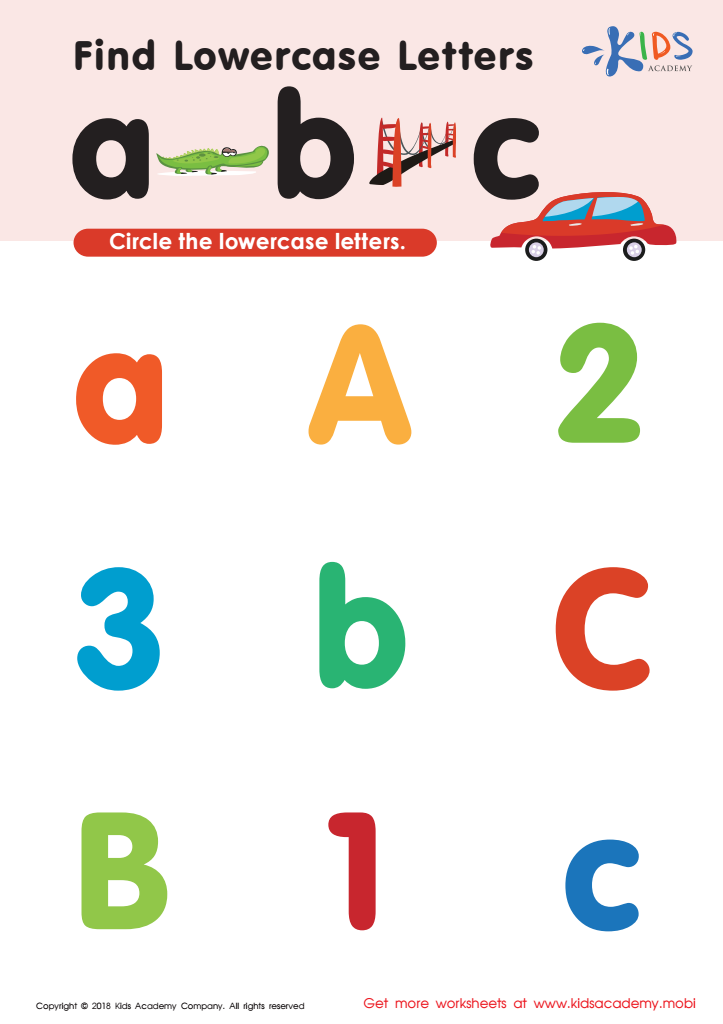
Find lowercase letters a b c Worksheet
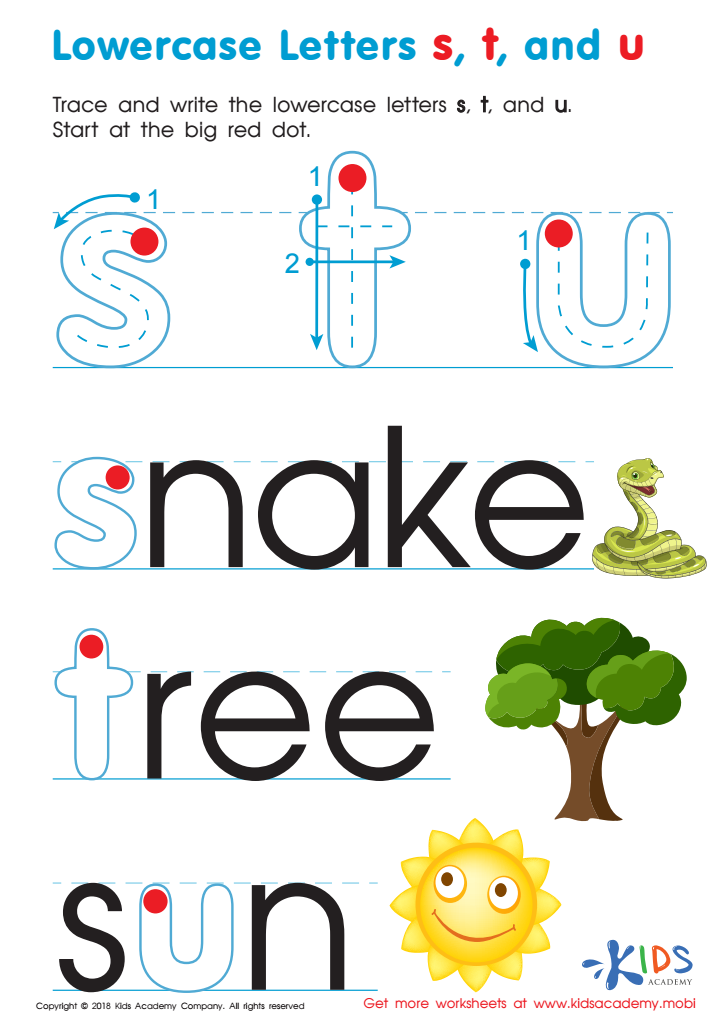
Lowercase Letters s t u Worksheet
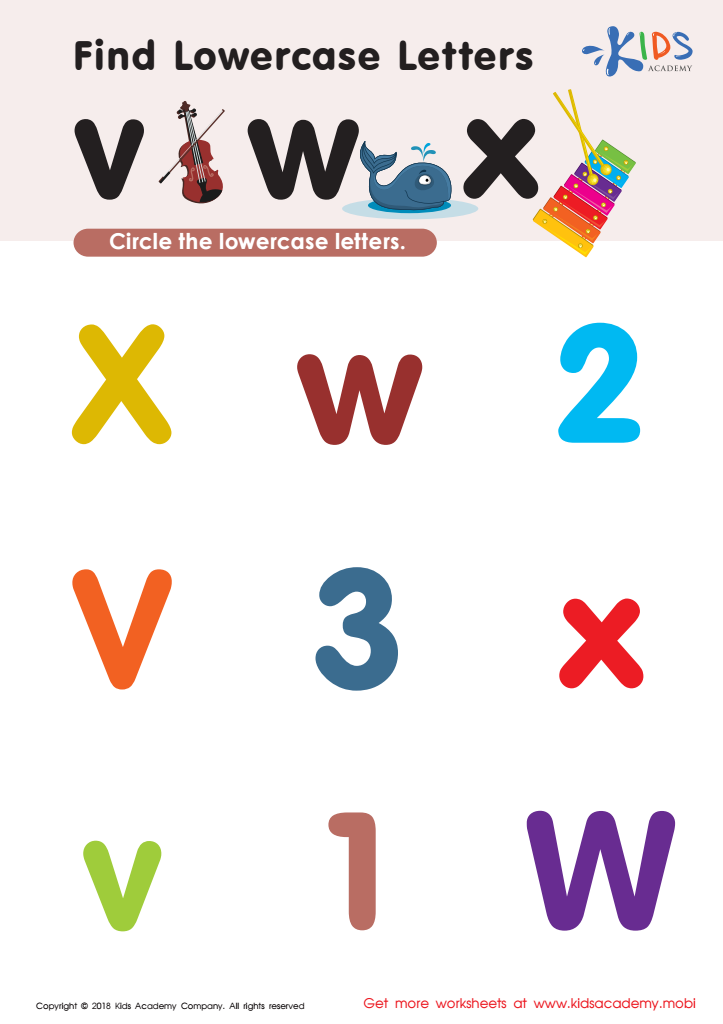
Find Lowercase Letters v w x Worksheet
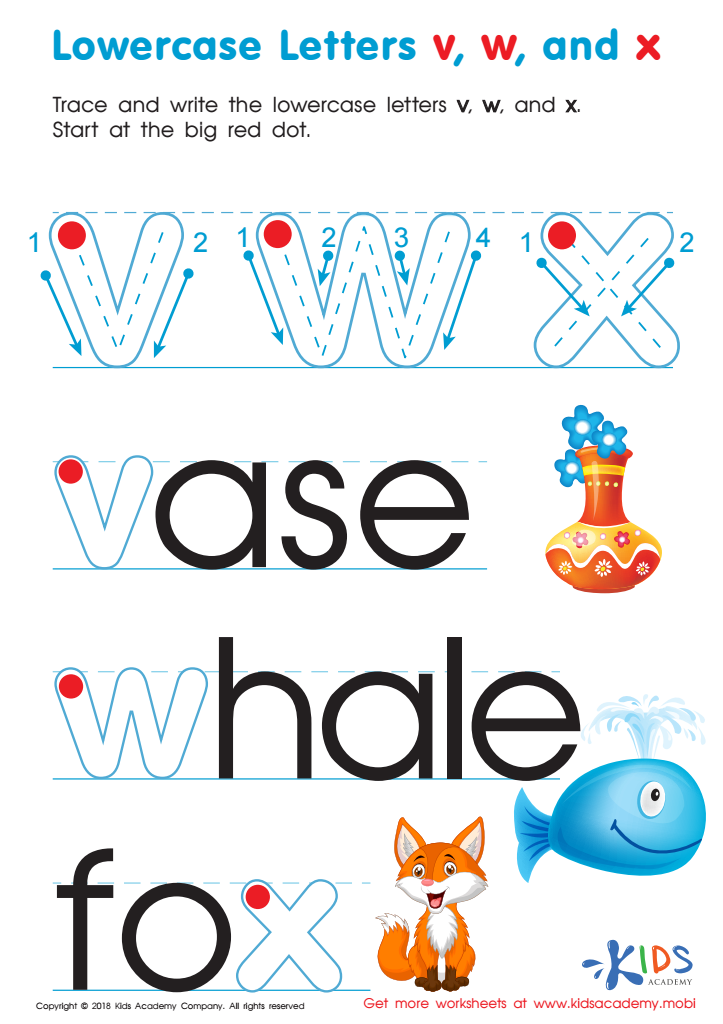
Lowercase Letters v w x Worksheet


Fine motor skills are crucial for children aged 5-8 as they serve as the foundation for many everyday tasks, including writing and drawing. During this developmental stage, children are increasingly learning to form lowercase letters, which is an essential skill for effective communication and academic success. When parents and teachers focus on enhancing fine motor skills, they help improve a child's ability to control small movements, which directly impacts their ability to hold a pencil, manipulate scissors, and even tie shoelaces.
Engaging in activities that promote fine motor development not only boosts a child's handwriting but also fosters creativity and confidence. Children with well-developed fine motor skills are better equipped to tackle academically robust tasks, which can lead to improved literacy and numeracy skills.
Moreover, strong fine motor skills contribute to a child's self-esteem and independence as they navigate various challenges, both in and out of the classroom. Parents and teachers must work together to provide appropriate fine motor experiences—such as arts and crafts, building blocks, or threading activities—helping children thrive in their cognitive and social development. In essence, attention to fine motor skills today will pay dividends in children's overall growth and readiness for future learning challenges.