Vocabulary Enrichment Normal Phonics Worksheets for Ages 5-8
6 filtered results
-
From - To
Discover our engaging Vocabulary Enrichment Normal Phonics Worksheets, specifically designed for children ages 5-8. These worksheets aim to enhance vocabulary and phonetic skills, making learning fun and effective. With interactive exercises, colorful visuals, and age-appropriate challenges, kids will foster a love for language while building essential literacy skills. Aligned with educational standards, our resources empower young learners to decode words, increase their vocabulary, and develop reading proficiency. Ideal for use at home or in the classroom, these worksheets provide valuable support in early education. Boost your child's confidence and language abilities today with our vibrant, easy-to-use phonics worksheets!
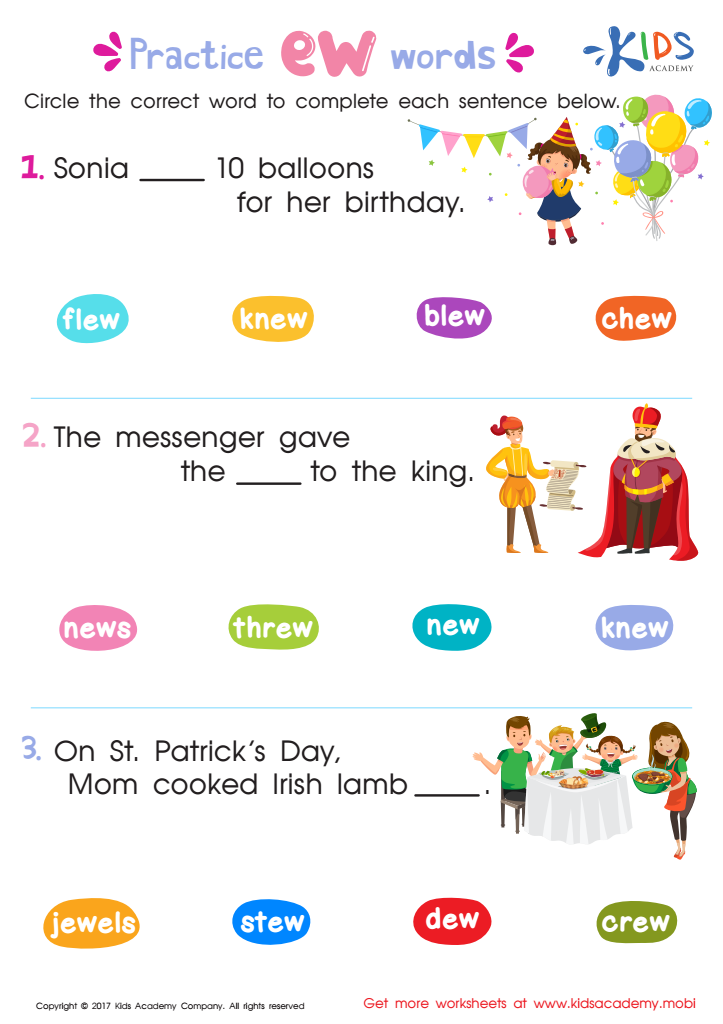
EW Words Worksheet
 Assign to My Students
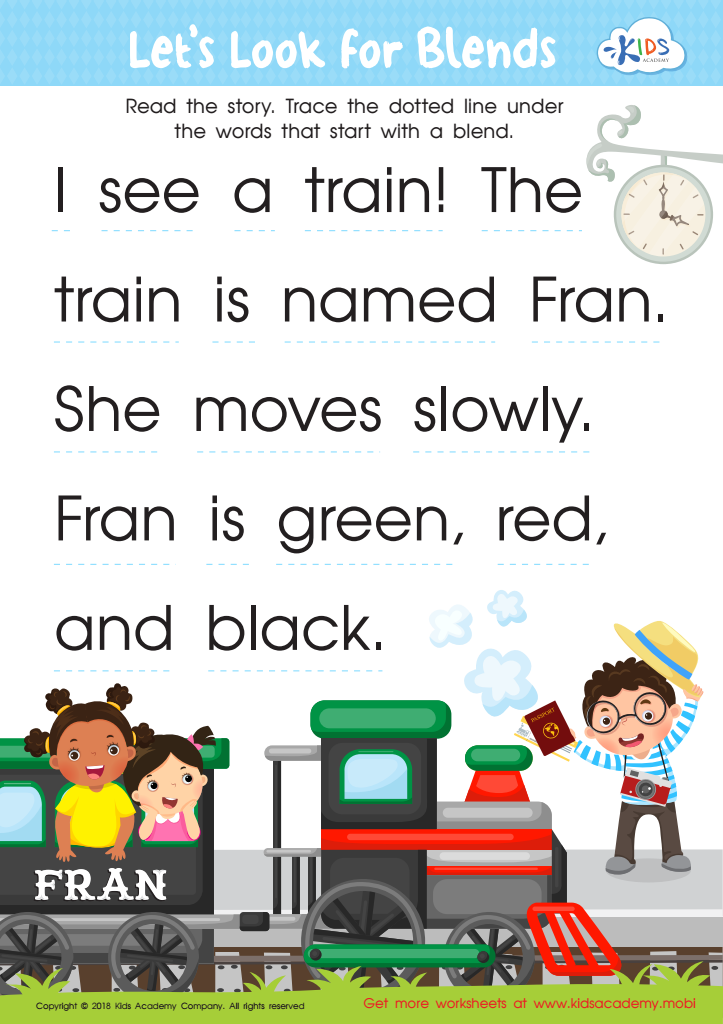
Let's Look for Blends Worksheet
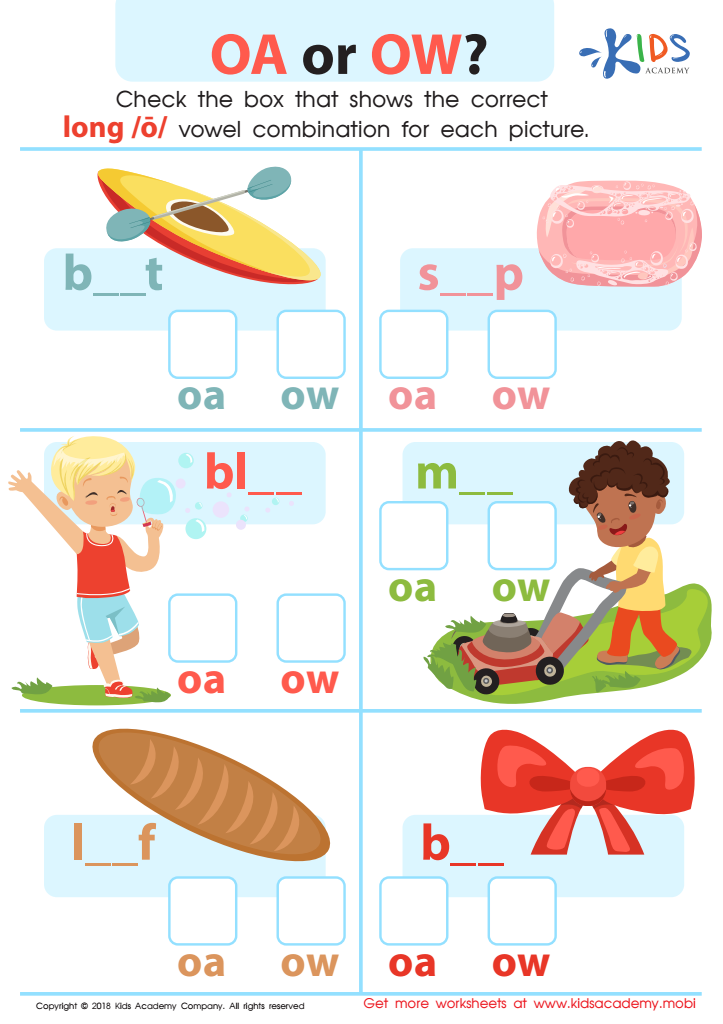
Reading: OA or OW Worksheet
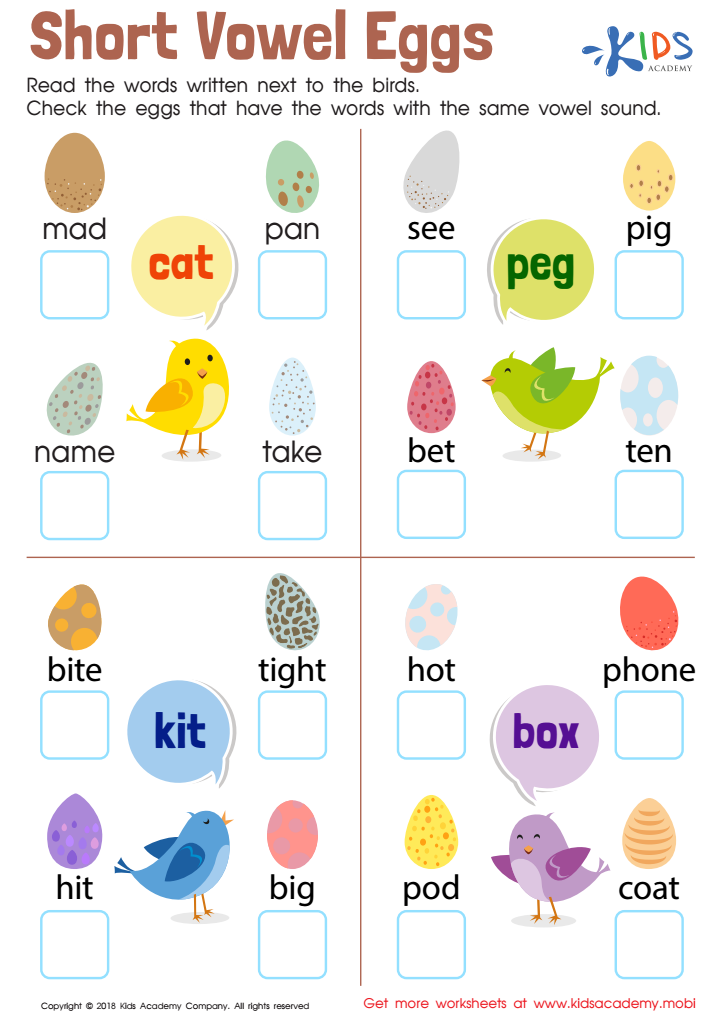
Short Vowel Eggs Worksheet

Rhyme In Poetry Worksheet
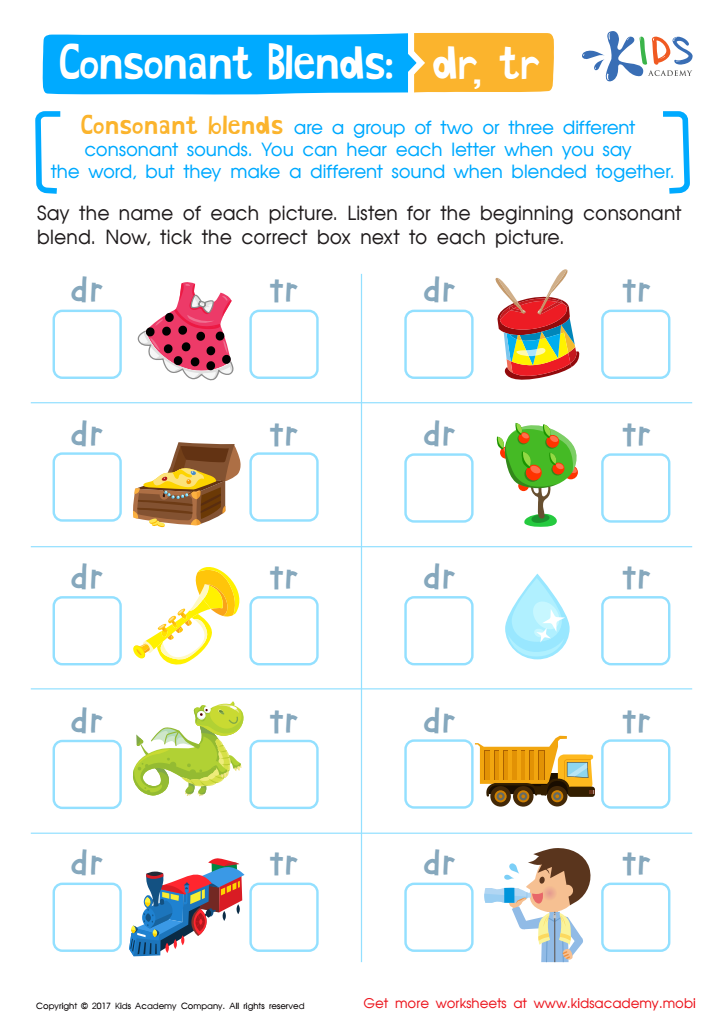
Consonant Blends: "Dr" and "Tr" Printable








Parents and teachers should prioritize Vocabulary Enrichment Normal Phonics for ages 5-8 because this stage is critical for literacy development. At this age, children are most receptive to building a strong foundation in reading and writing, which sets the stage for their academic success. Vocabulary enrichment enhances children's language comprehension and expressive abilities. By exposing them to a rich variety of words and phonetic patterns, educators can boost their academic vocabulary, making it easier for students to understand concepts across different subjects.
Normal phonics instruction helps children decode words, improving their reading fluency and confidence. When children learn to connect sounds with letters, they can tackle unfamiliar words, which fosters a love of reading and learning. The combination of vocabulary enrichment and phonics instruction not only aids in reading but also enhances listening and speaking skills.
Furthermore, a strong vocabulary is linked to better literacy outcomes, higher performance in school, and increased opportunities in life. As such, investing time and resources into phonics and vocabulary enrichment is vital, as it equips children with the communication skills they will need throughout their education and beyond. By nurturing these skills early, parents and teachers lay the groundwork for lifelong learning.







