Handwriting practice Normal Upper & Lowercase Letters Worksheets for Ages 5-8
16 filtered results
-
From - To
Boost your child's handwriting skills with our Handwriting Practice Normal Upper & Lowercase Letters Worksheets, designed for children aged 5-8. Each sheet provides structured practice for mastering both uppercase and lowercase letters, helping young learners to form letters correctly and legibly. These worksheets guide children in letter recognition, pencil control, and consistency, essential for developing writing fluency. With engaging and age-appropriate exercises, our resources support your child's learning journey, turning writing practice into an enjoyable activity. Ideal for home or classroom use, these worksheets lay the foundation for confident and clear handwriting. Empower your child with excellent writing skills today!
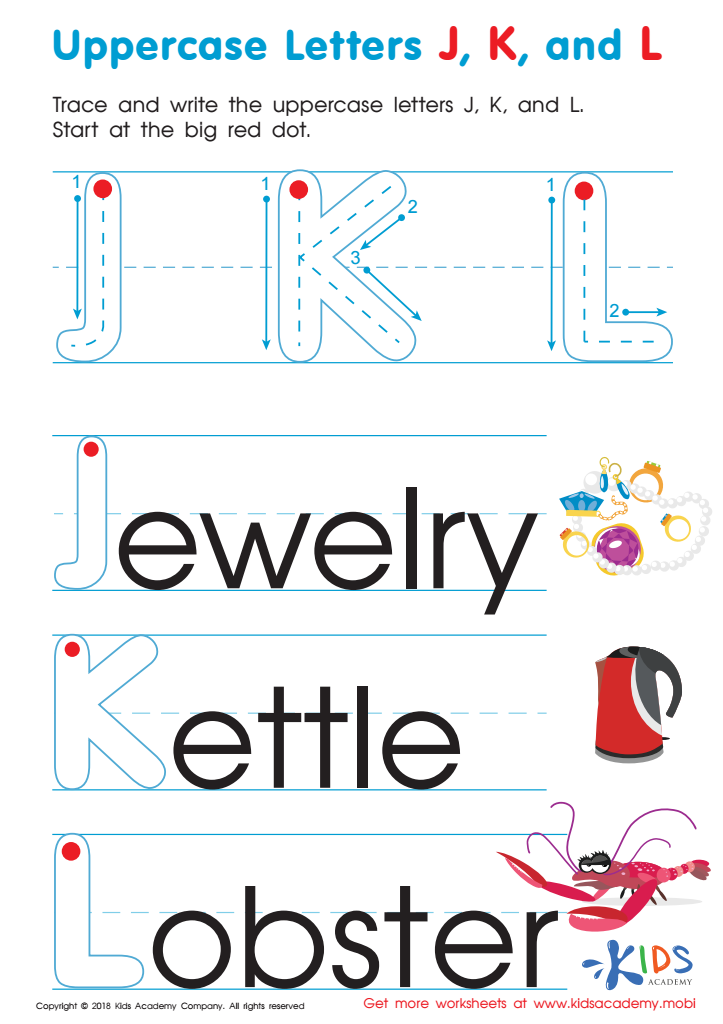
Uppercase Letters J, K, and L Worksheet
 Assign to My Students








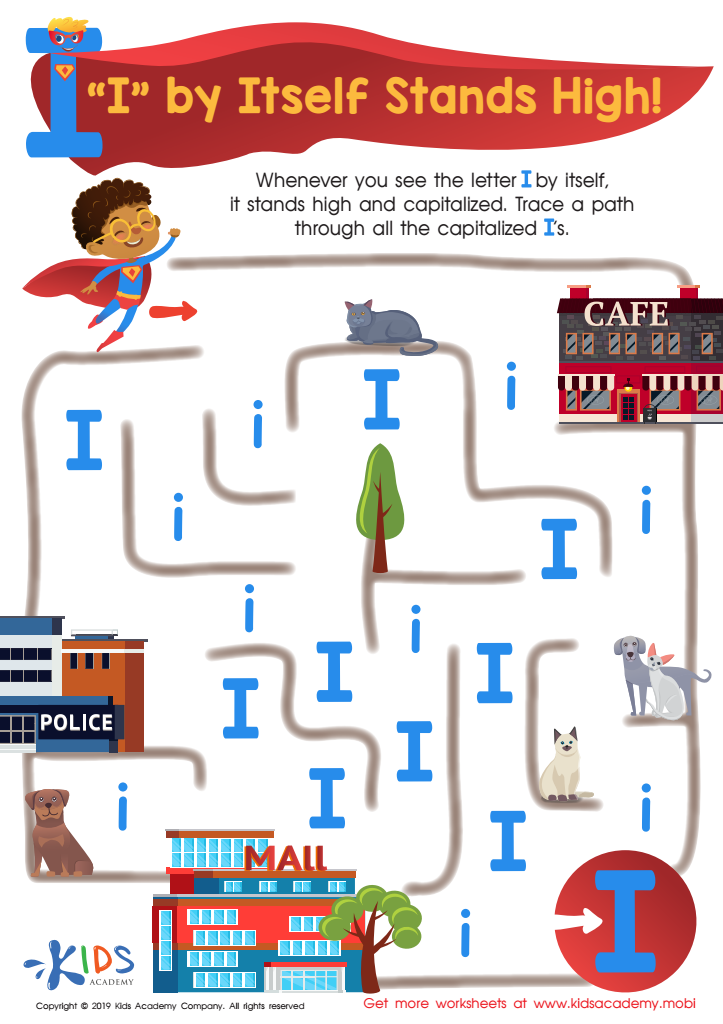
I Stands High Worksheet
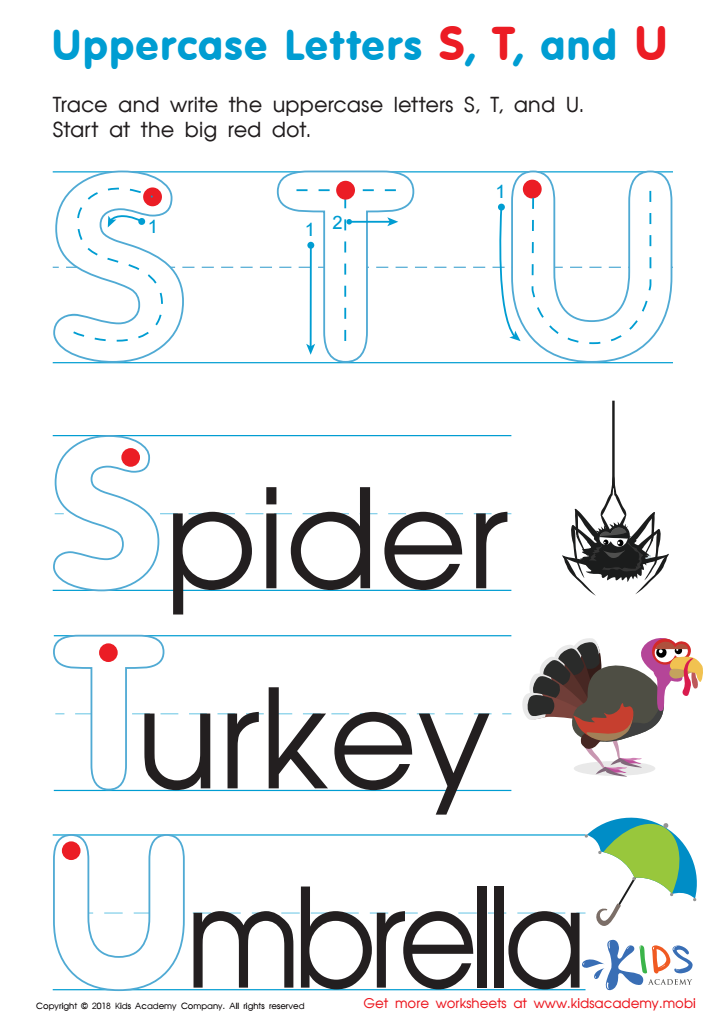
Uppercase Letters S, T, and U Worksheet
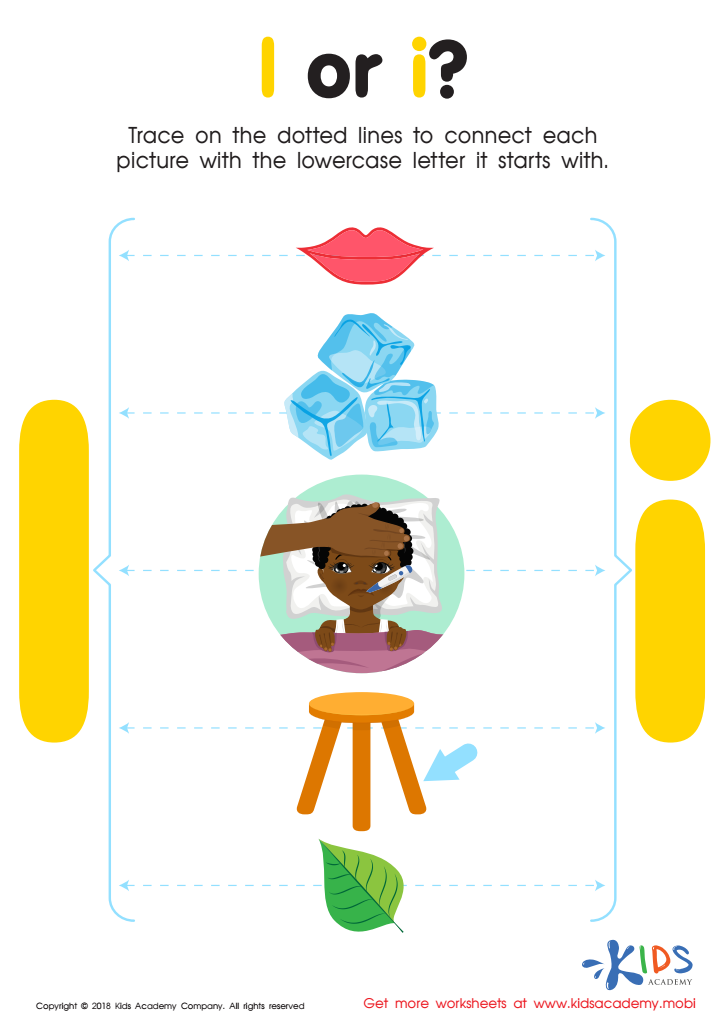
l or i? Worksheet
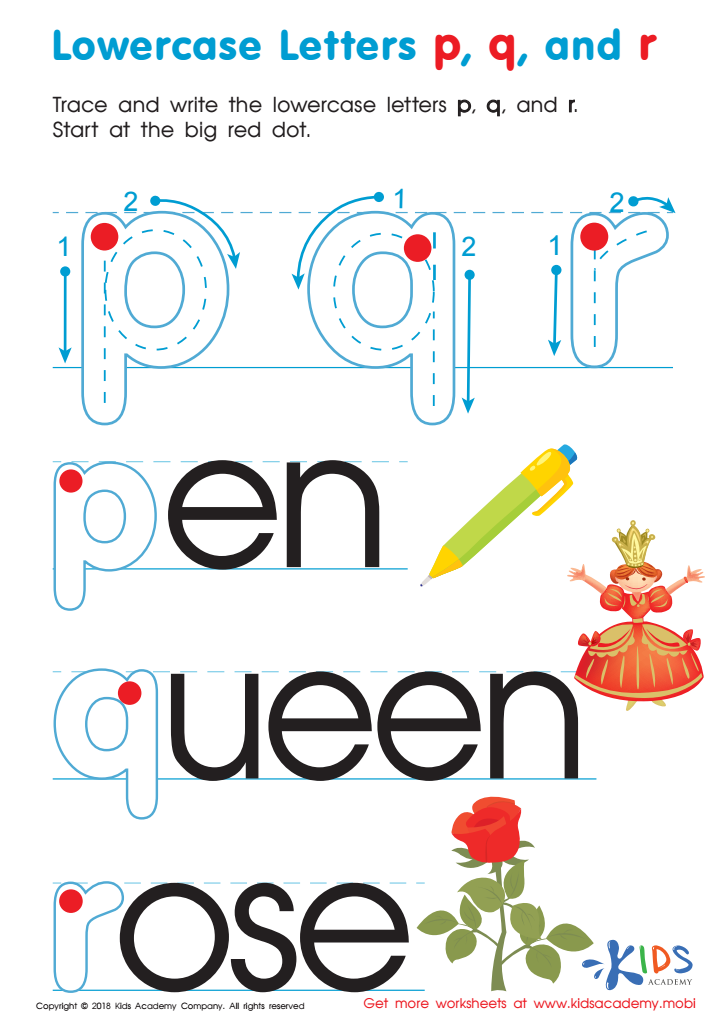
Lowercase Letters p q r Worksheet
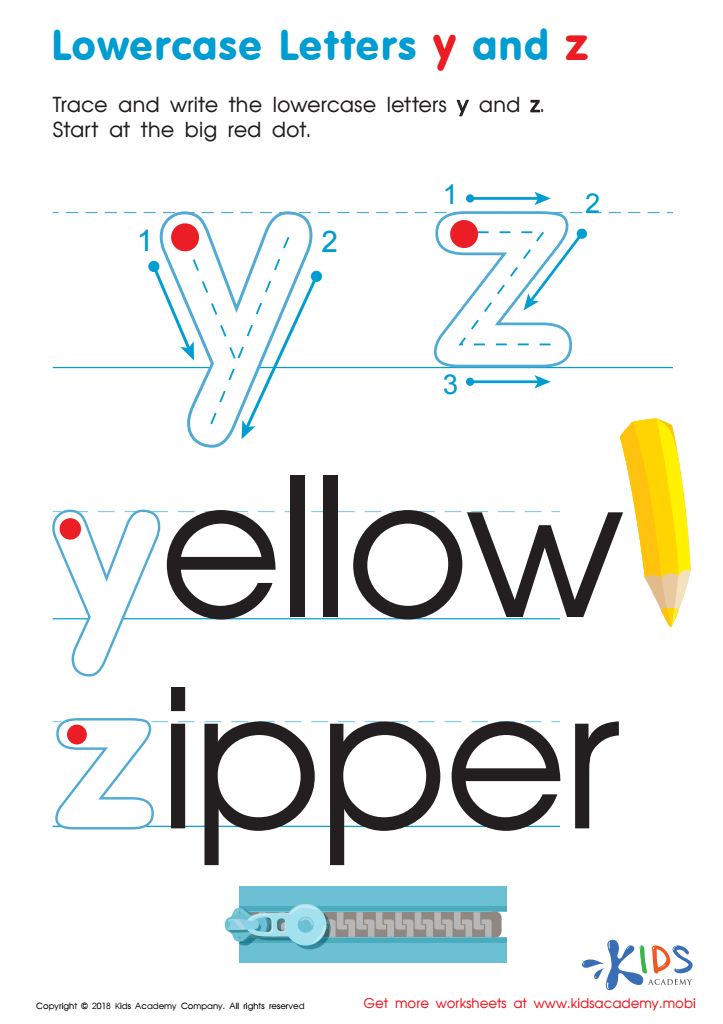
Lowercase Letters y z Worksheet
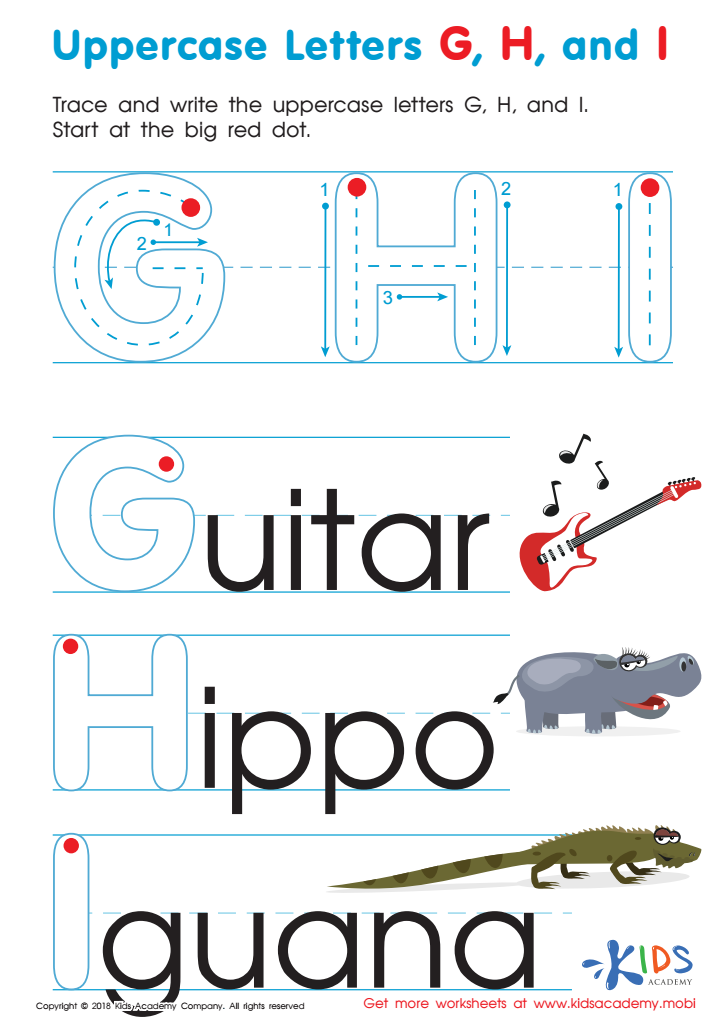
Uppercase Letters G, H, and I Worksheet
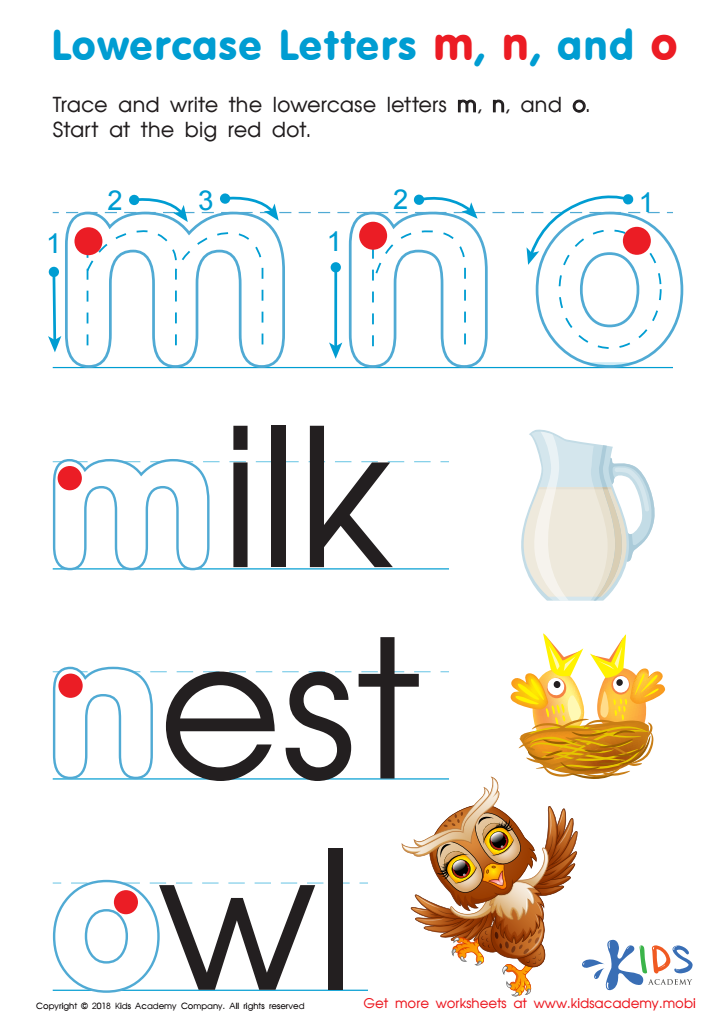
Lowercase Letters m n o Worksheet
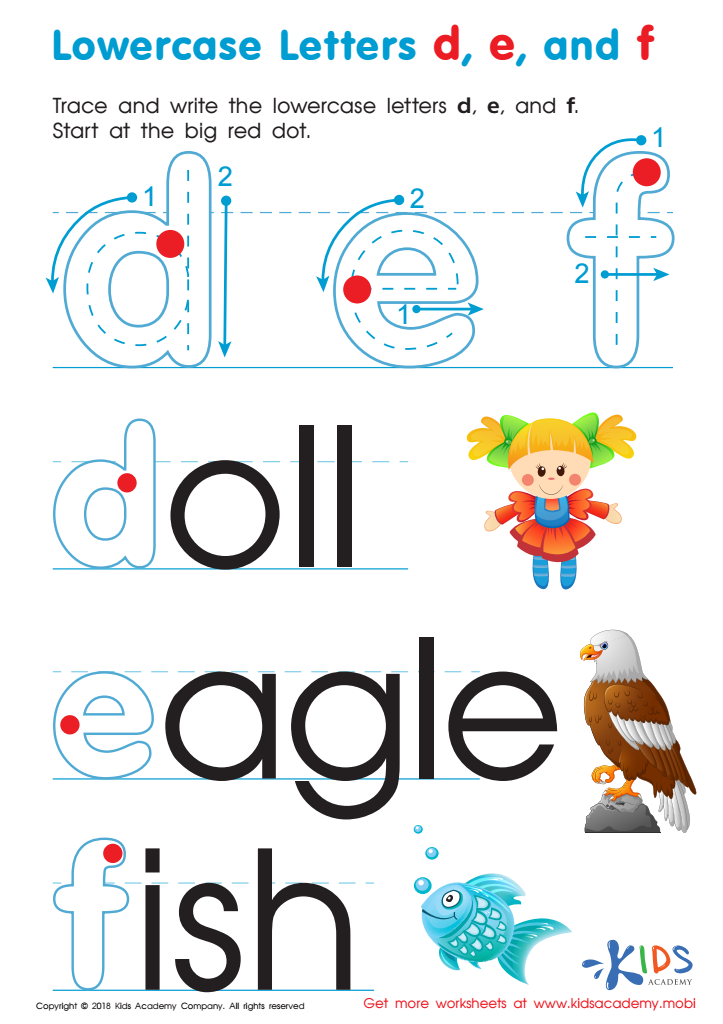
Lowercase Letters d e f Worksheet
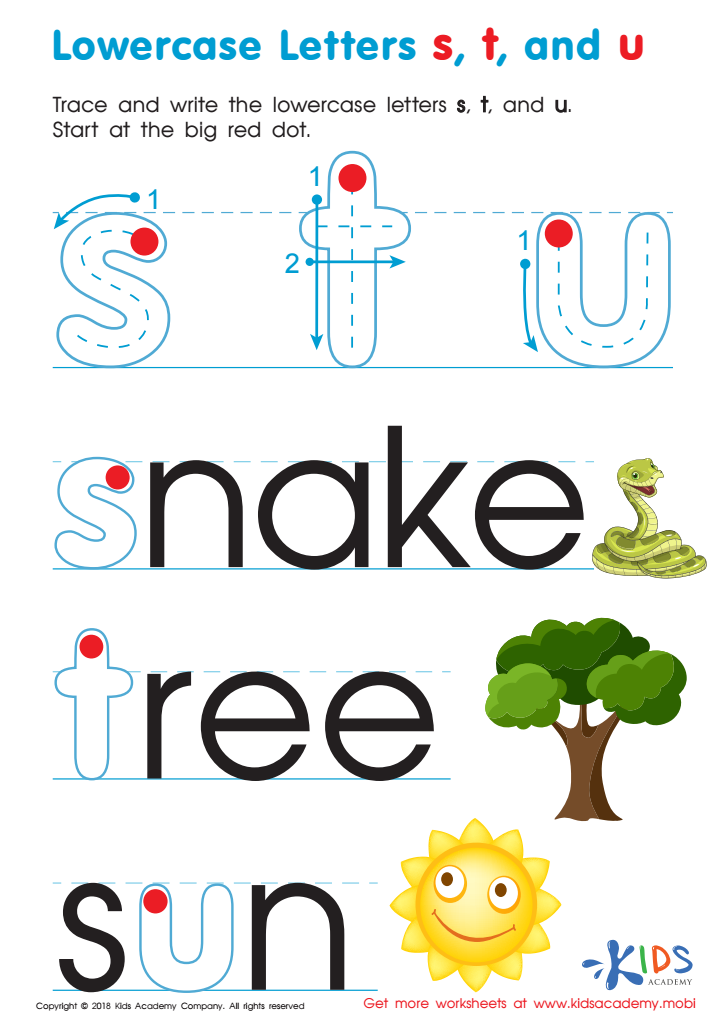
Lowercase Letters s t u Worksheet
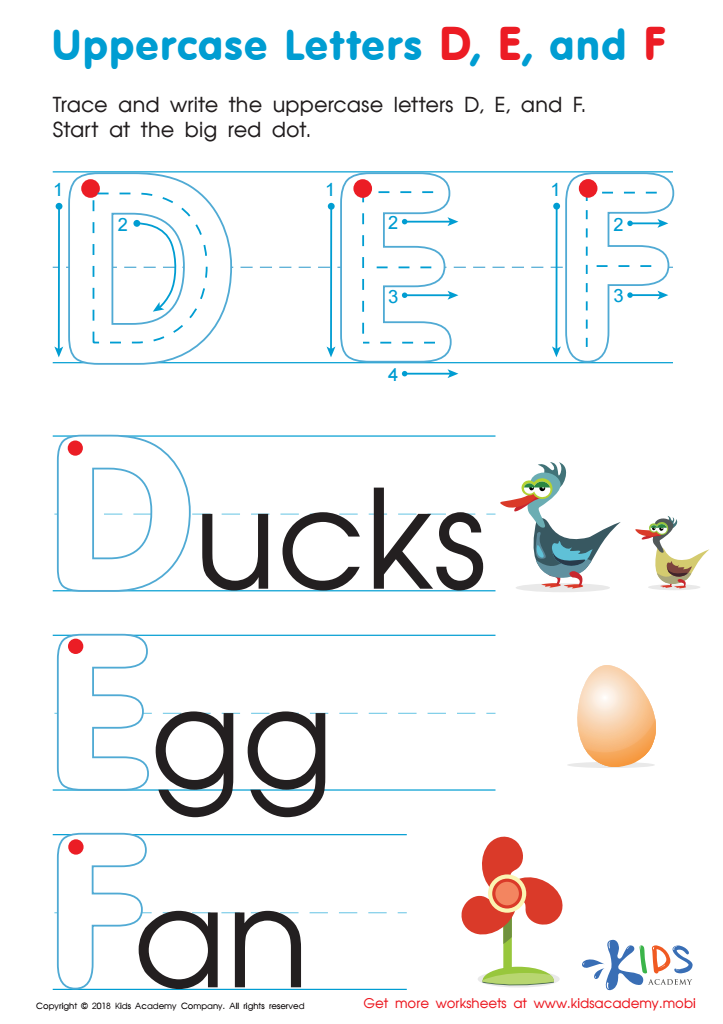
Uppercase Letters D, E, and F Worksheet
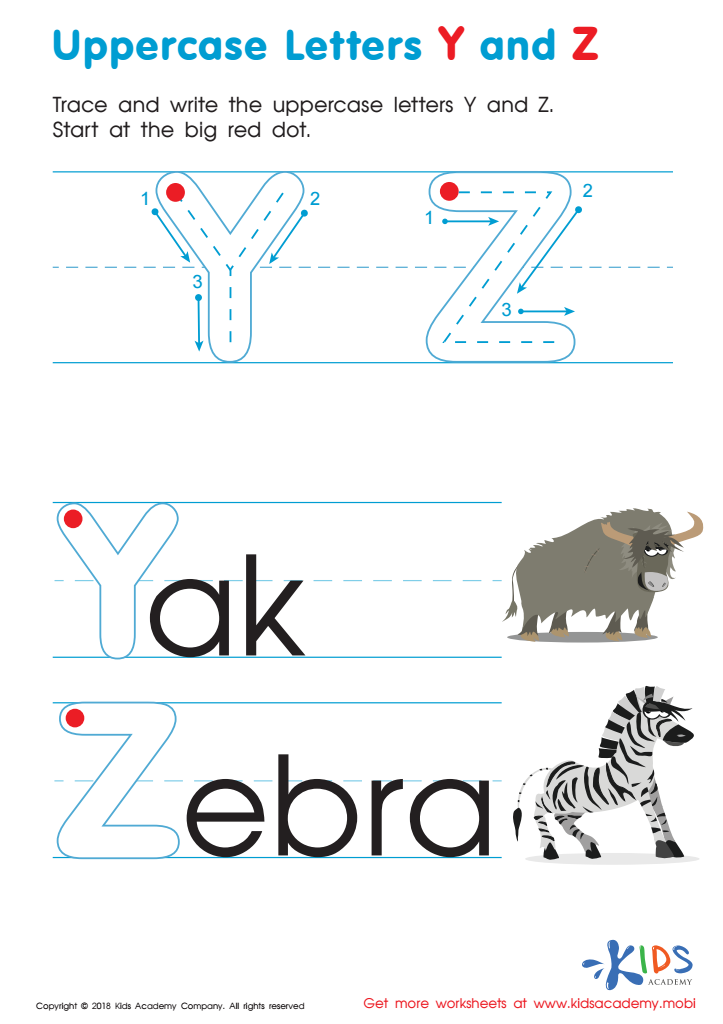
Uppercase Letters Y Z Worksheet
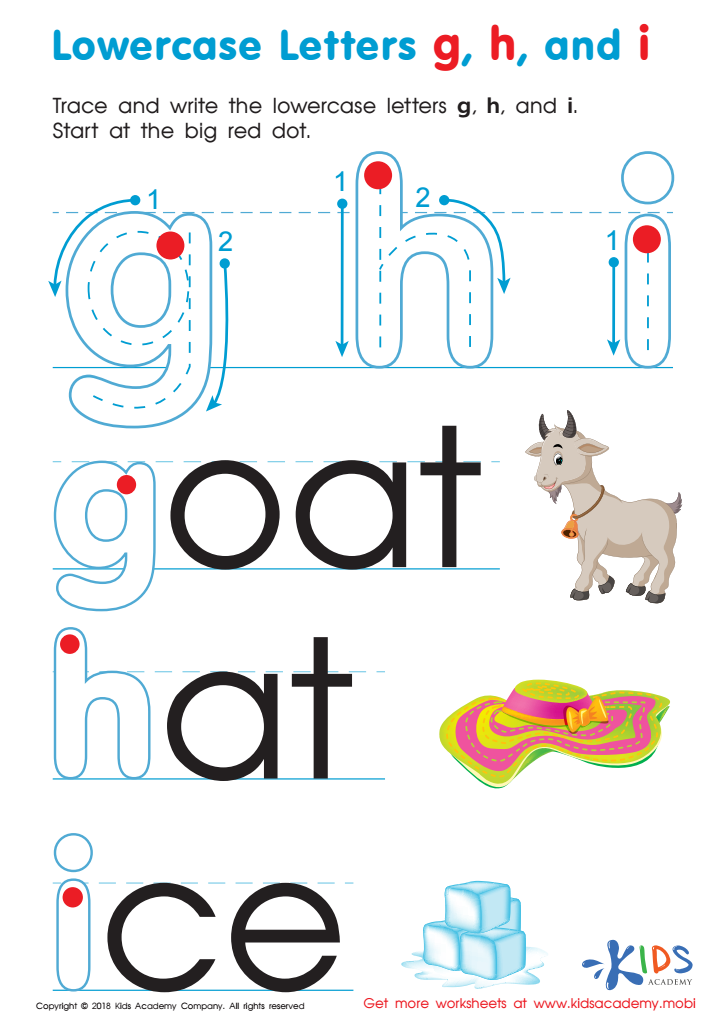
Lowercase Letters g h i Worksheet
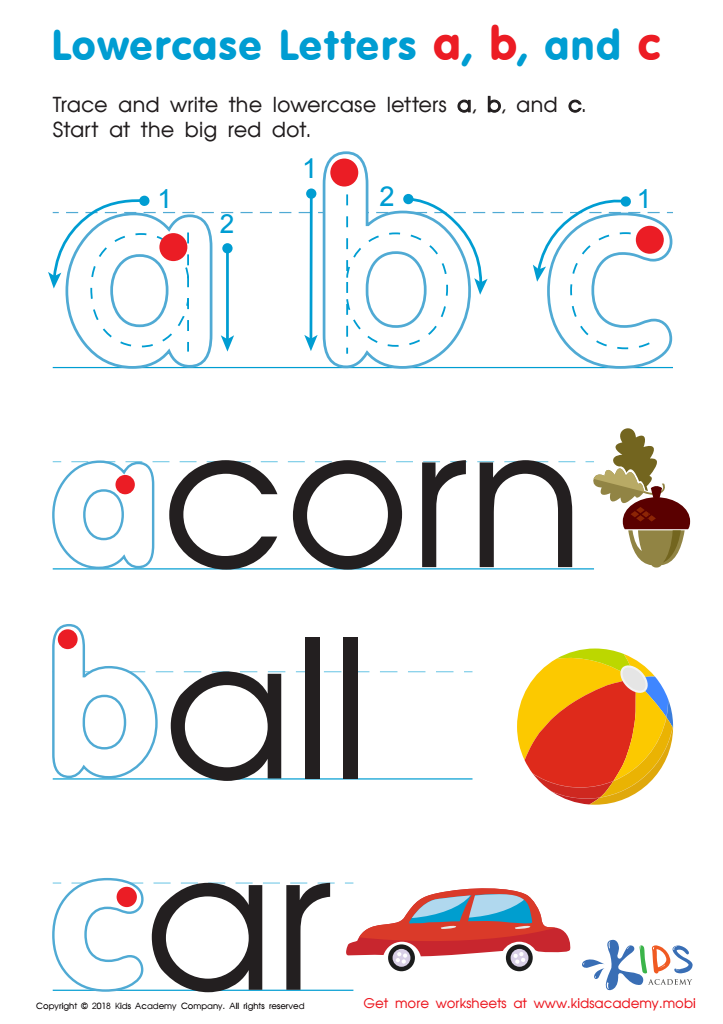
Lowercase Letters a b c Worksheet
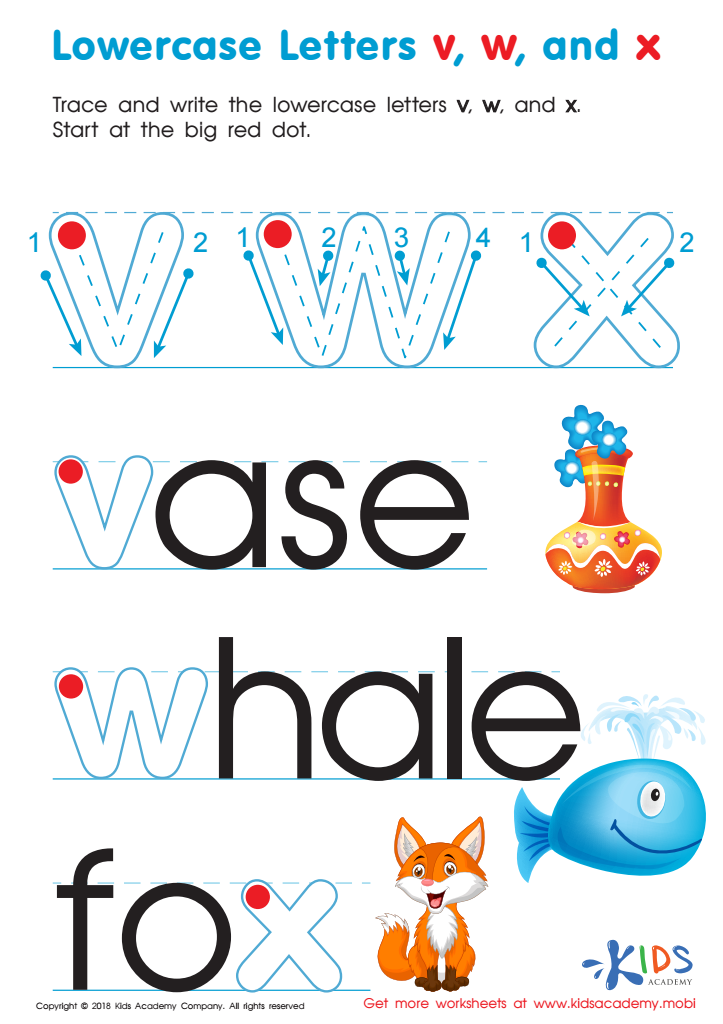
Lowercase Letters v w x Worksheet
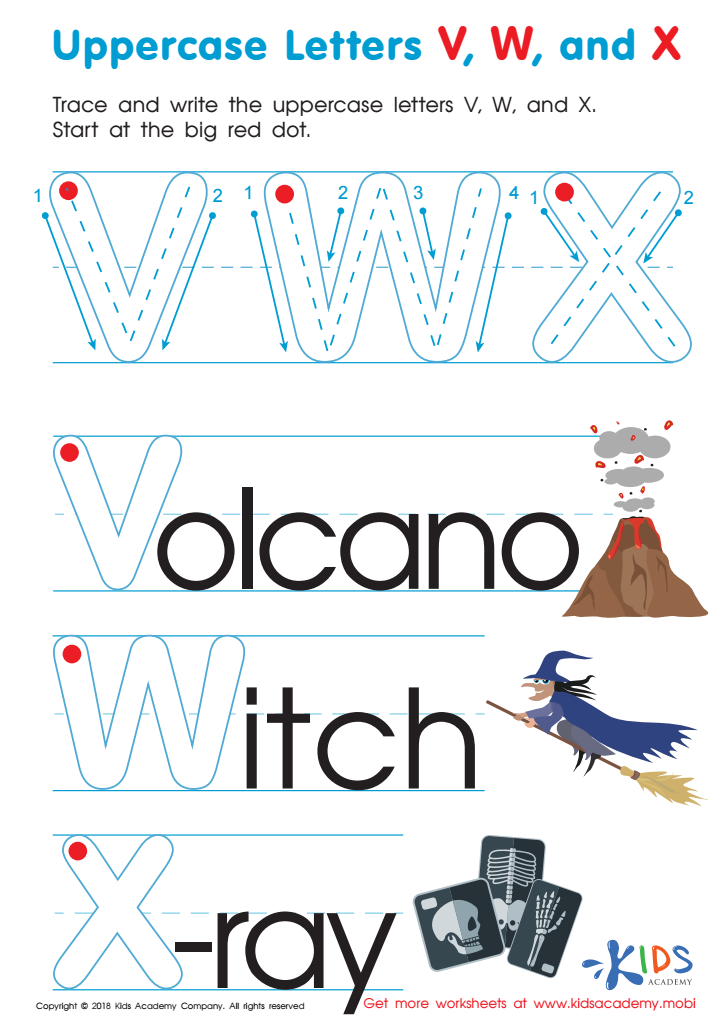
Uppercase Letters V, W, and X Worksheet






Handwriting practice, including mastering both uppercase and lowercase letters, is a crucial developmental skill for children aged 5-8. During these formative years, handwriting helps reinforce reading and writing skills essential for academic success. Engaging in handwriting exercises enhances fine motor skills, coordination, and muscle memory, necessary for tasks beyond writing, such as buttoning clothes or using utensils.
Learning to write uppercase and lowercase letters properly prepares children for more complex writing activities they will encounter as they progress through school. Consistent practice supports memory retention, enabling children to recognize and reproduce letters correctly and efficiently. Handwriting also fosters cognitive development by encouraging spatial awareness and hand-eye coordination.
Moreover, legible handwriting boosts a child's confidence, fostering a sense of accomplishment. This lays the foundation for effective communication, as clear writing is fundamental in conveying ideas and information. For parents and teachers, encouraging consistent handwriting practice helps identify and mitigate potential learning or developmental issues early on, enabling timely intervention.
Ultimately, proficiency in handwriting can positively impact a child's self-esteem, academic achievements, and future communication skills. By focusing on these foundational skills, parents and teachers are investing in the child's overall educational journey and personal growth.







