Alphabet Learning Normal Worksheets for Ages 5-8
5 filtered results
-
From - To
Unlock your child's potential with our Alphabet Learning Normal Worksheets designed specifically for ages 5-8. These engaging, printable resources help young learners master the alphabet through fun activities such as tracing, coloring, and matching letters. Each worksheet is crafted to enhance letter recognition, phonemic awareness, and early literacy skills in an enjoyable way. Perfect for classroom use or at-home practice, our worksheets support diverse learning styles and encourage creativity. Foster a love for reading and writing with stimulating exercises that make learning the alphabet exciting! Start your child's educational journey today and watch their confidence grow with every new letter mastered.
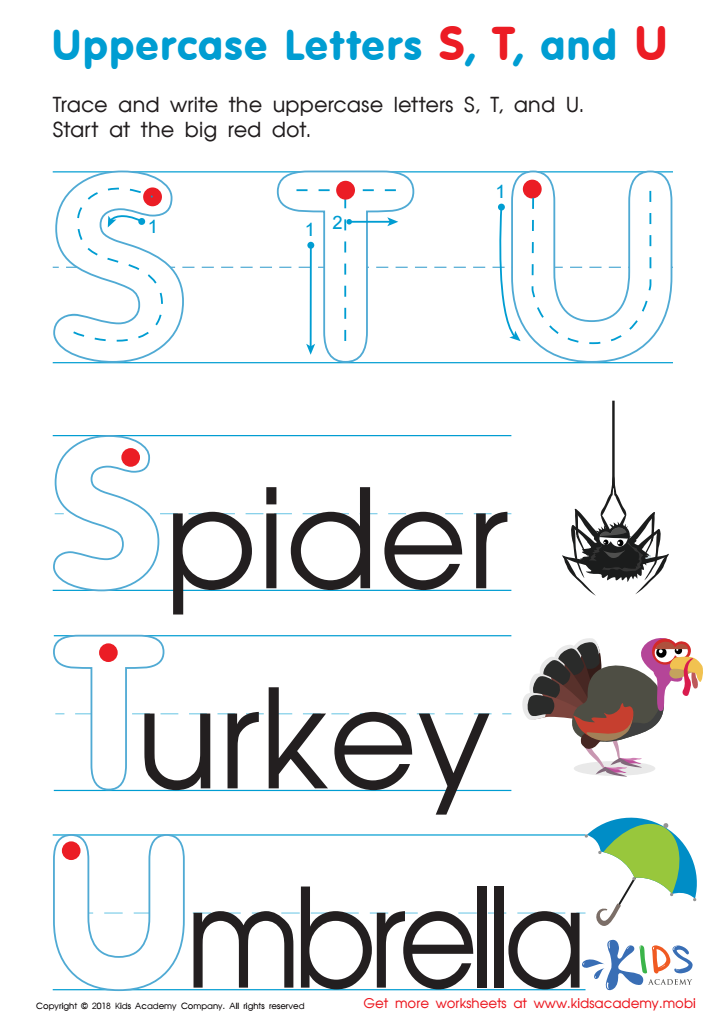
Uppercase Letters S, T, and U Worksheet
 Assign to My Students
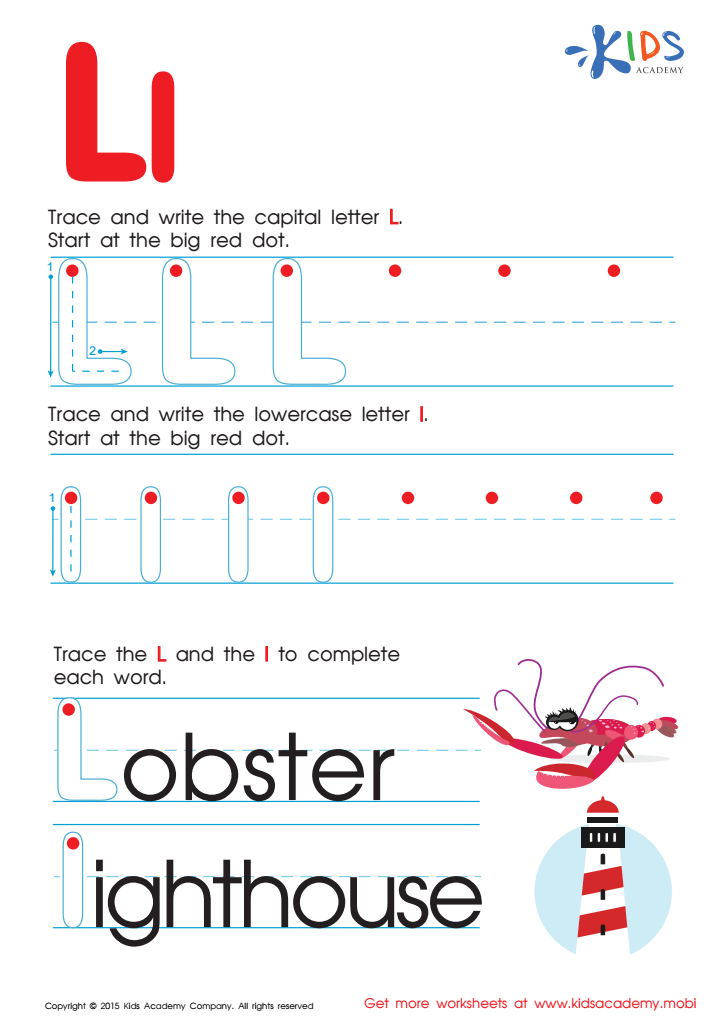
Letter L Tracing Page
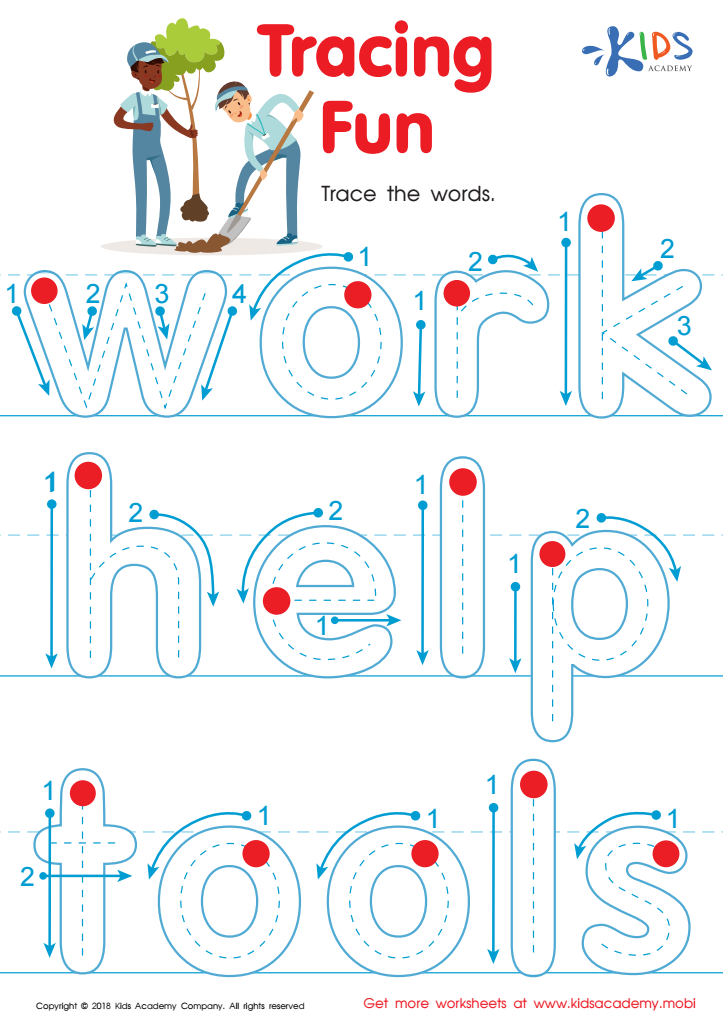
Tracing Fun Worksheet
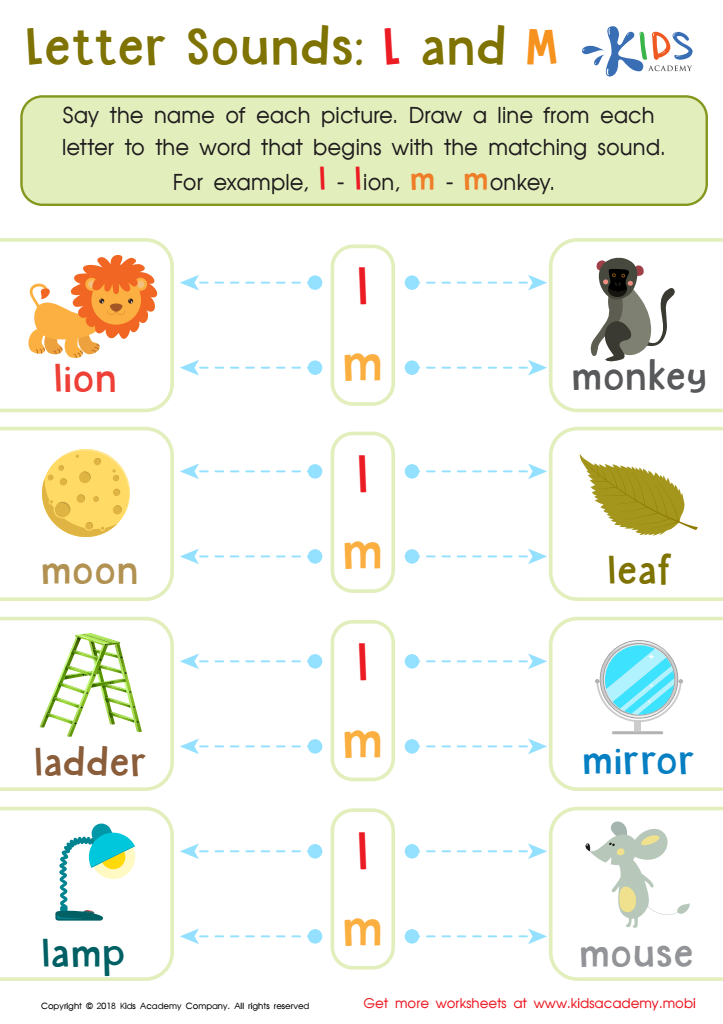
Letter l and M Sounds Worksheet
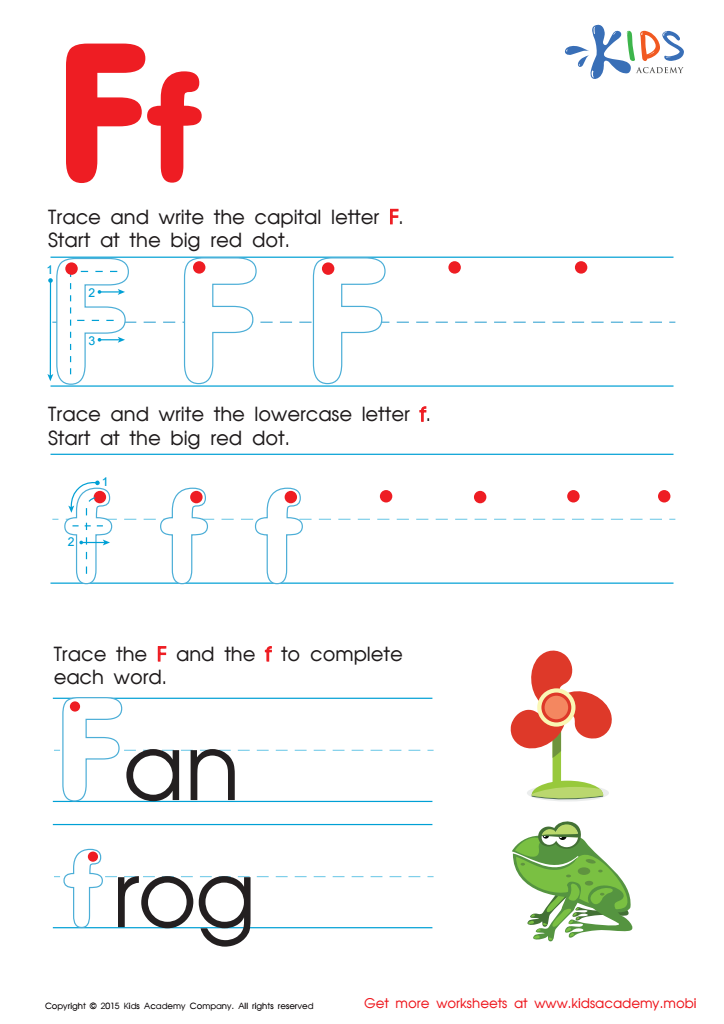
Letter F Tracing Page




.jpg)
.jpg)


Parents and teachers play a crucial role in supporting children’s development, and understanding Alphabet Learning Norms for ages 5-8 is essential in ensuring effective early literacy skills. At this age, children begin to connect sounds with symbols, enabling them to decode words and develop foundational reading abilities. Familiarity with these norms helps educators and caregivers gauge a child’s progress and identify areas that may need additional support.
Learning the alphabet promotes not only reading but also enhances spelling and writing skills. Engaging with letters and their sounds serves as a stepping stone for more advanced literacy and critical thinking skills. By understanding each child's unique learning pace and style, parents and teachers can create personalized strategies that encourage a positive learning experience, fostering a love for reading.
Moreover, early mastery of alphabet knowledge is linked to long-term academic success and instills confidence in children as learners. Supporting children in this essential phase helps build their cognitive, linguistic, and social-emotional development. By being informed about Alphabet Learning Norms, caregivers can create a nurturing environment that empowers children to thrive, both in and out of the classroom, setting the stage for future educational endeavors.








