Building vocabulary Normal Worksheets for Ages 5-8
4 filtered results
-
From - To
Unlock your child's linguistic potential with our "Building Vocabulary Normal Worksheets for Ages 5-8"! Specially designed by educational experts, these engaging worksheets help young learners enhance and expand their vocabulary through fun and interactive activities. Featuring a variety of exercises like word matching, fill-in-the-blanks, and picture descriptions, these printable worksheets challenge kids to discover new words and usage in real-life contexts. Perfect for classroom or home use, our resources ensure a strong language foundation, boosting reading comprehension and communication skills. Start today and watch your child's vocabulary flourish!
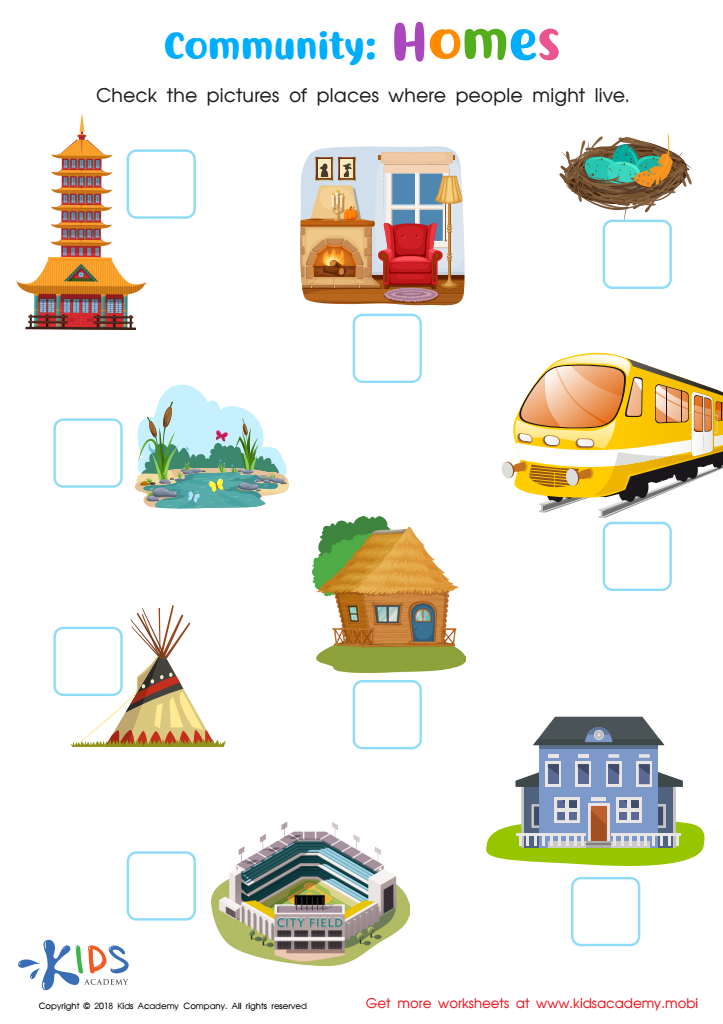
Community: Homes Worksheet
 Assign to My Students
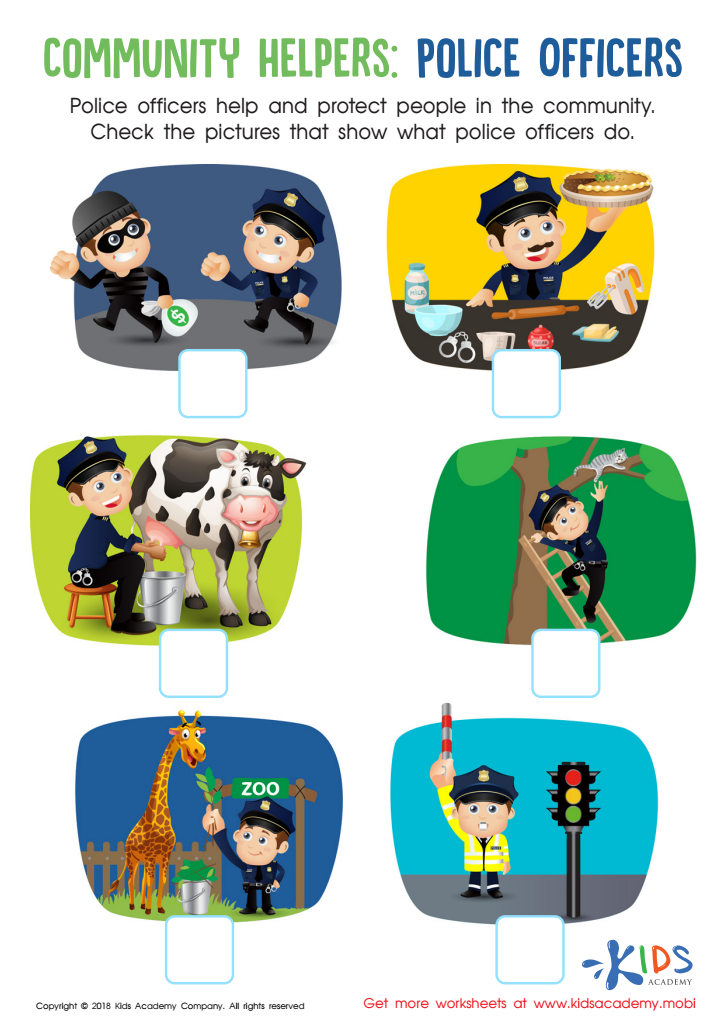
Police Officers Community Helpers Worksheet
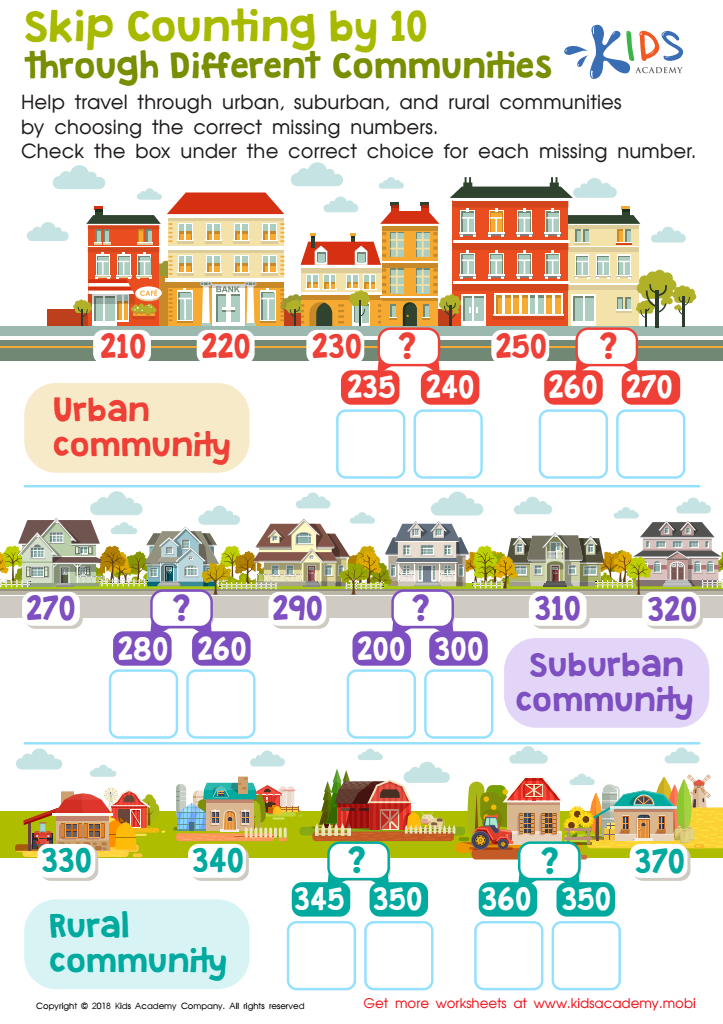
Skip Counting by 10 through Different Communities Worksheet
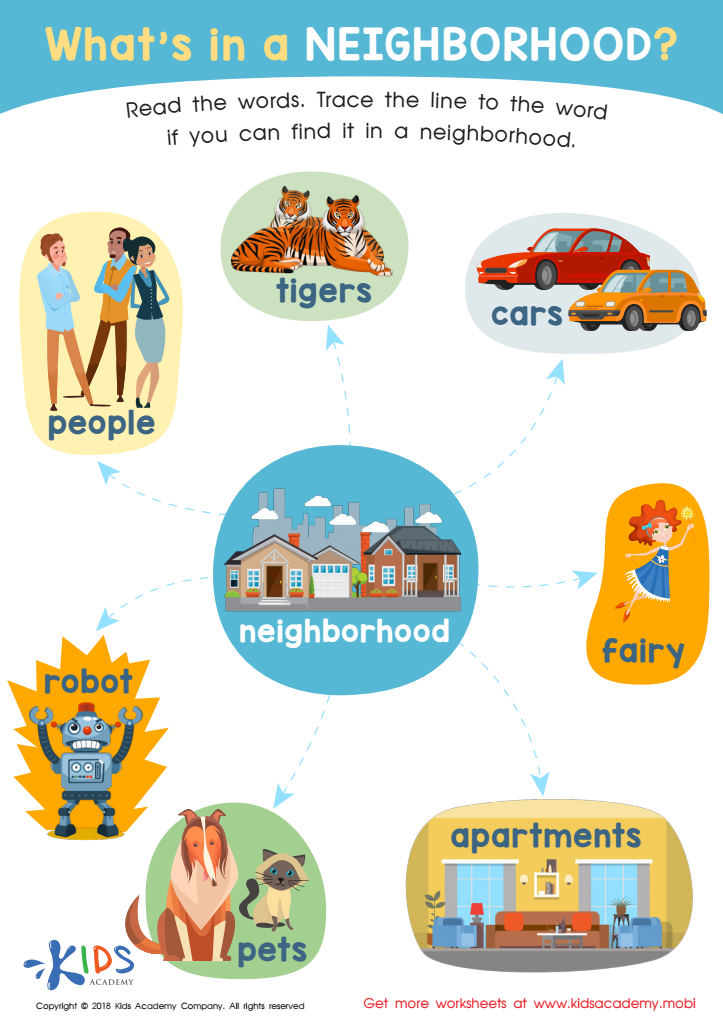
What's in a Neighborhood? Worksheet







Building a robust vocabulary during the ages of 5-8 is crucial for several reasons. Firstly, a strong vocabulary enhances communication skills. When children have a wide range of words at their disposal, they can express their thoughts, feelings, and needs more effectively, leading to better interpersonal relationships both inside and outside of the classroom.
Reading comprehension is another critical area impacted by vocabulary knowledge. When children recognize and understand more words, they find reading easier and more enjoyable. This not only improves their ability to grasp new concepts but also nurtures a love for reading—a key indicator of academic success.
Additionally, a rich vocabulary fosters cognitive development. Learning new words helps children conceptualize ideas more clearly and enhances their ability to problem-solve creatively. It is also closely linked to general intellectual development and future educational attainment.
Emotional intelligence is another aspect that benefits from a broad vocabulary. Being able to articulate feelings and understand the emotions of others leads to emotional maturity and empathy.
Lastly, early vocabulary building sets the stage for lifelong learning. The habits and skills developed at a young age form the foundation for future educational and professional success. For all these reasons, parents and teachers should prioritize vocabulary development for children aged 5-8.








