Hand-eye Coordination Normal Worksheets for Ages 5-8 - Page 2
35 filtered results
-
From - To
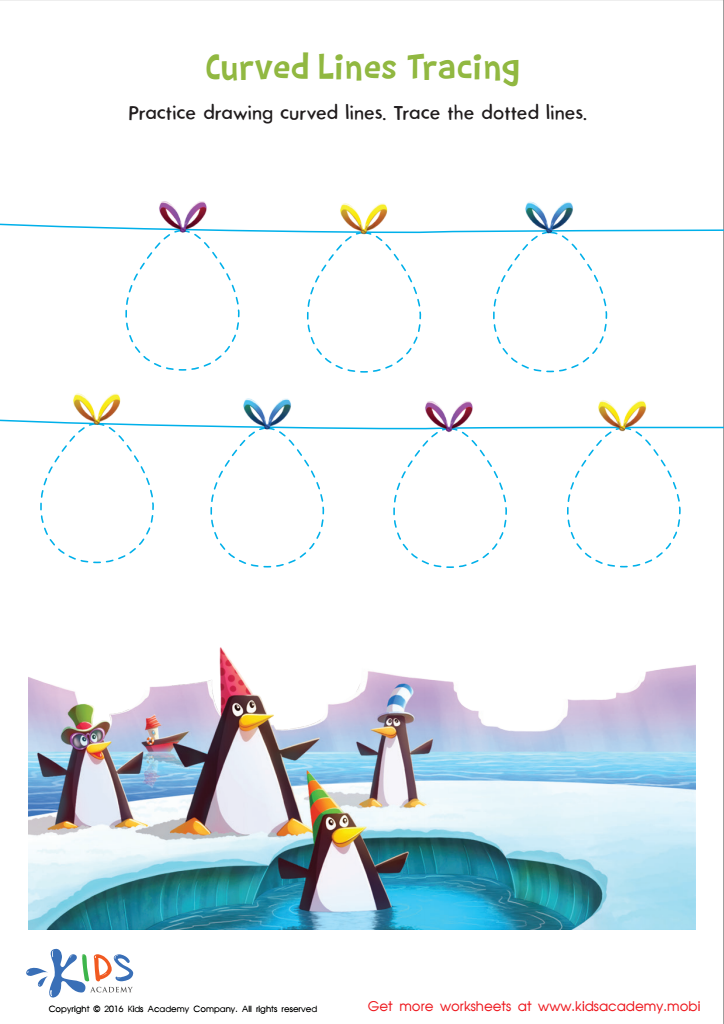
Curved Lines Tracing Worksheet
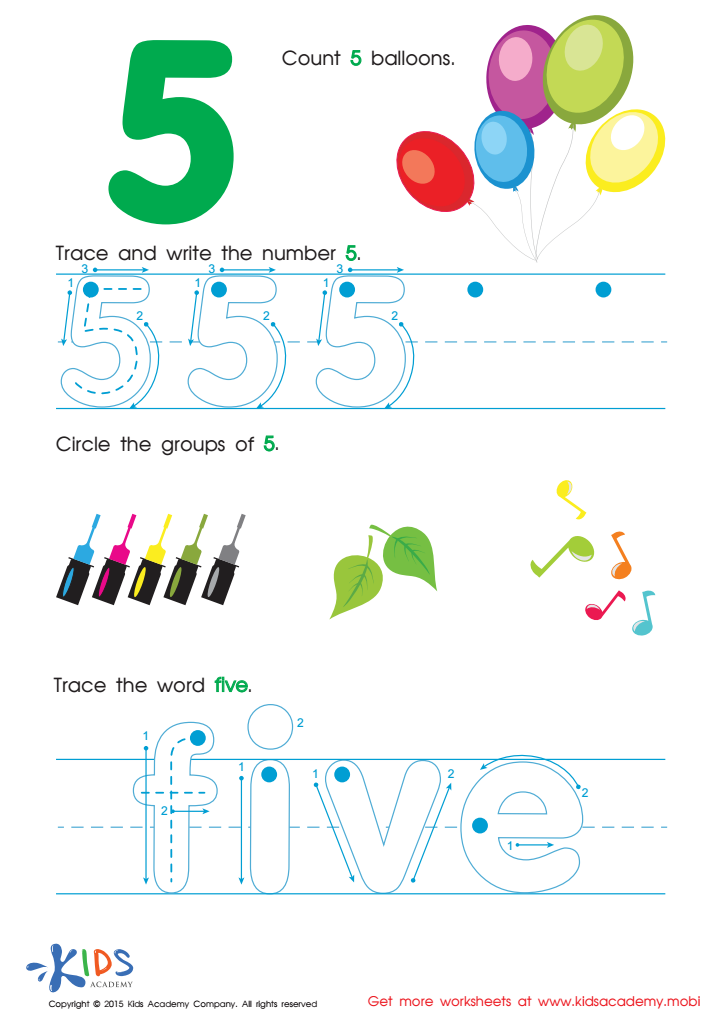
Practice Writing Number 5 Worksheet
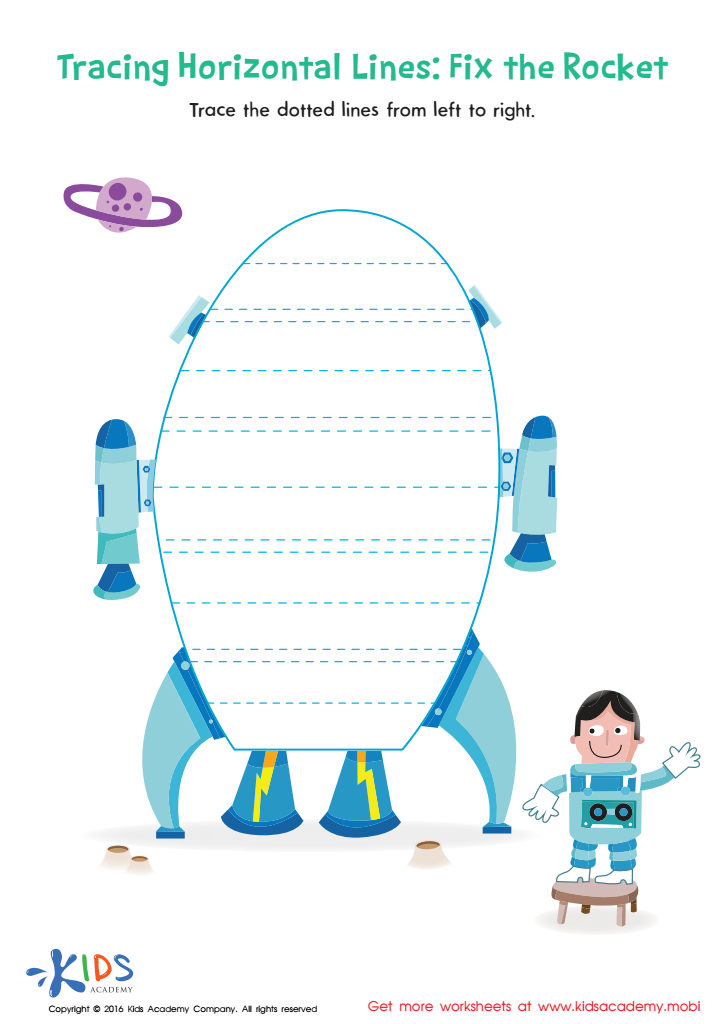
Tracing Horizontal Lines Worksheet
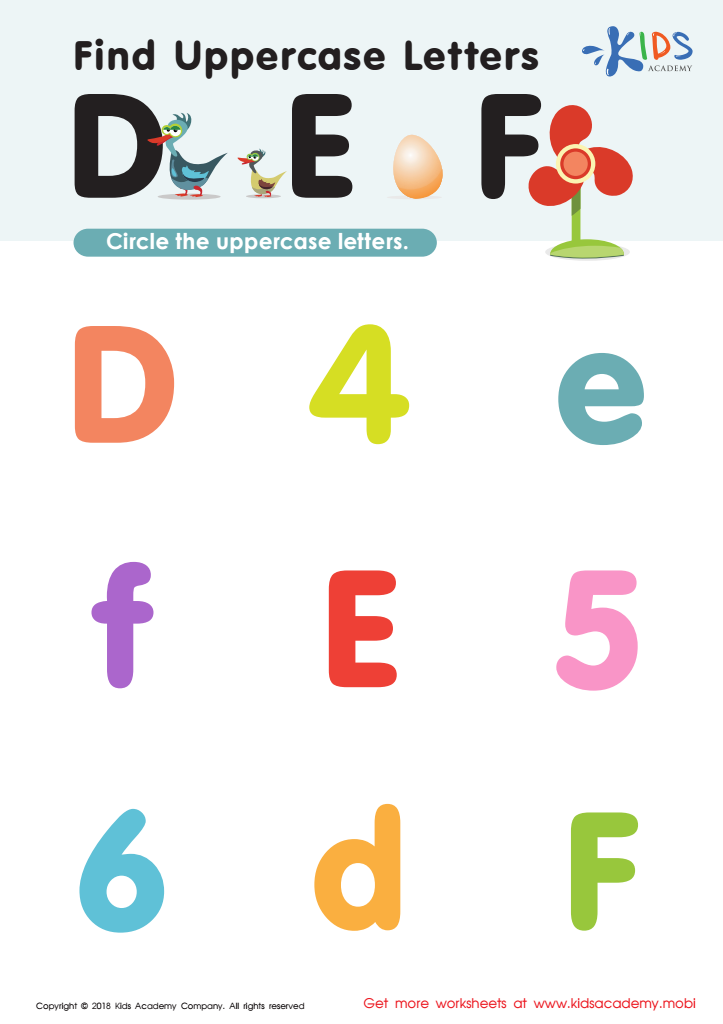
Find Uppercase Letters D, E, and F Worksheet
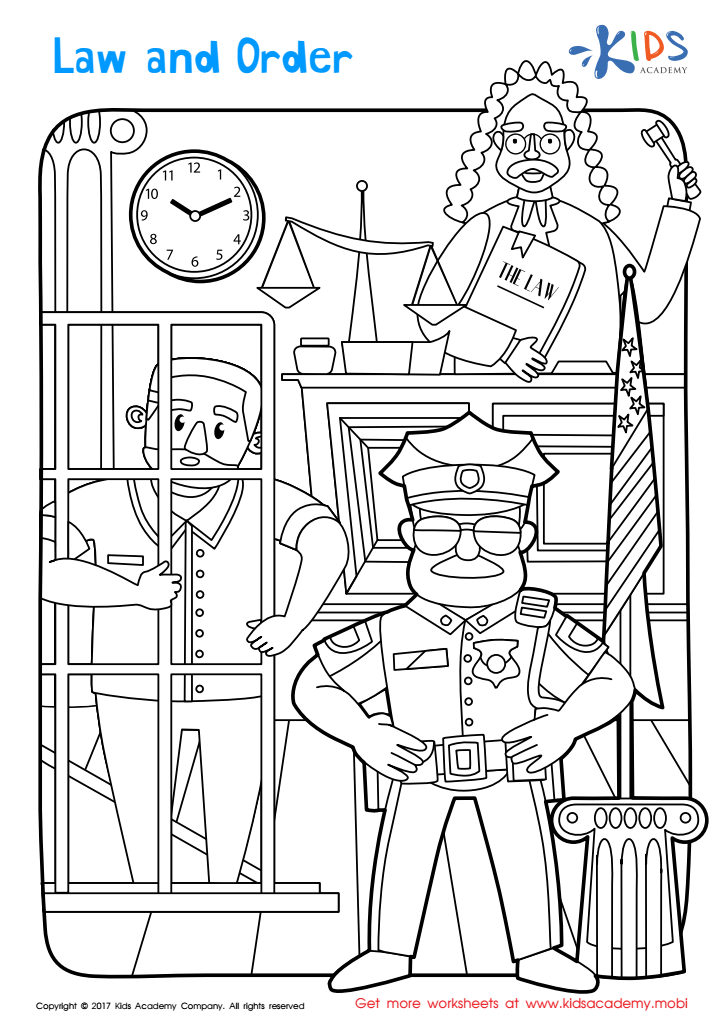
Law and Order Coloring Page Worksheet
 Assign to My Students
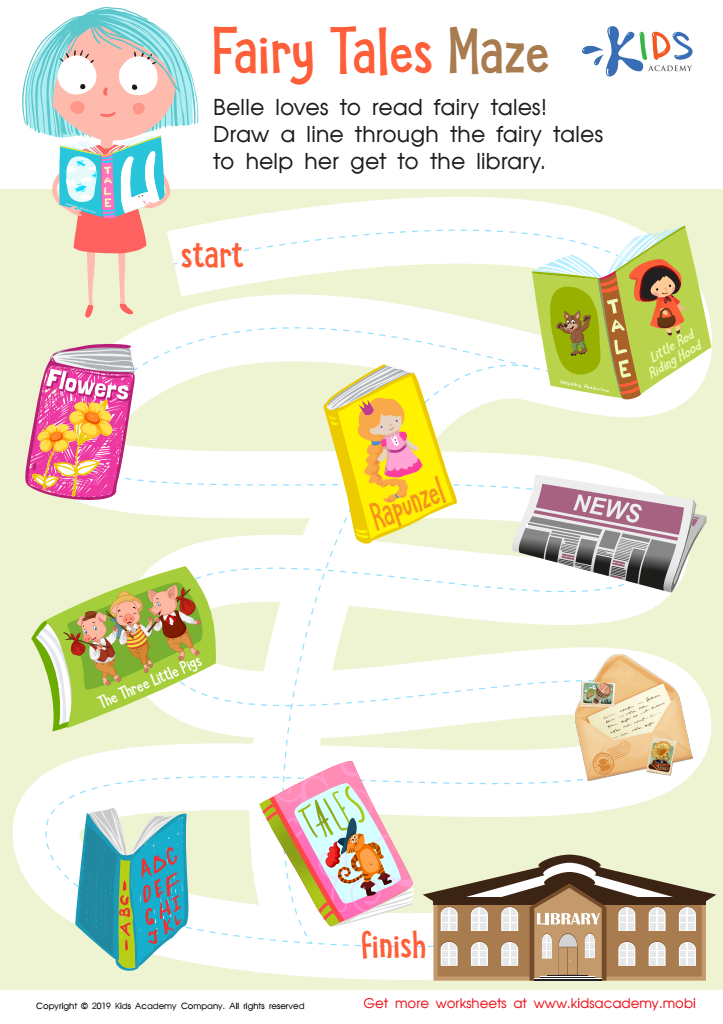
Fairy Tales Maze Worksheet
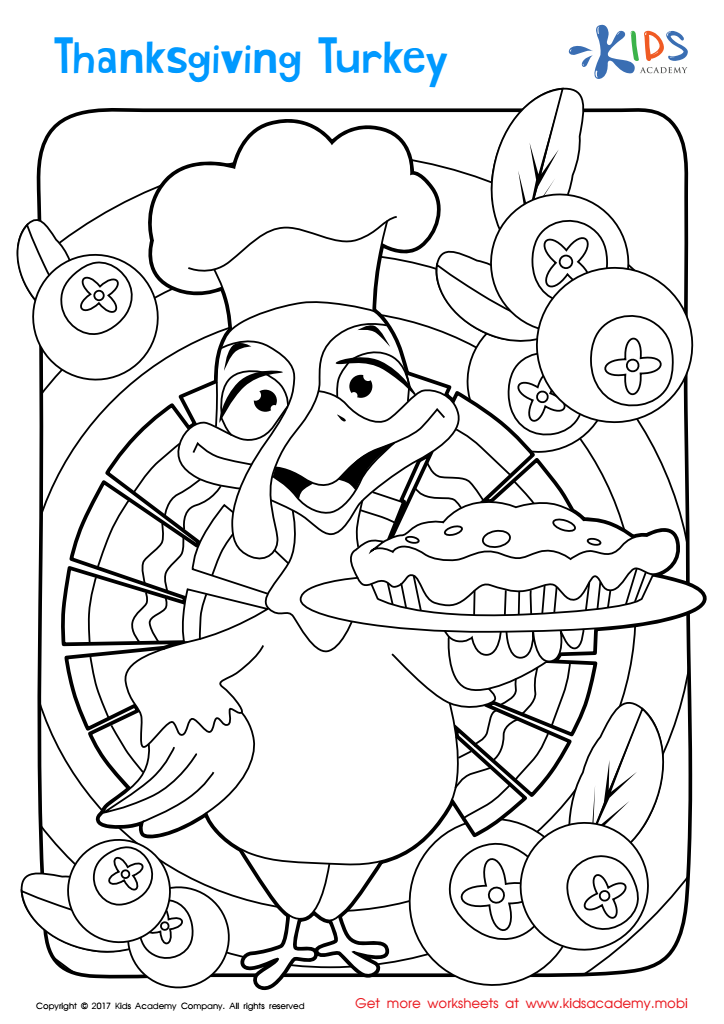
Turkey Thanksgiving Day Worksheet
Assign to My Students
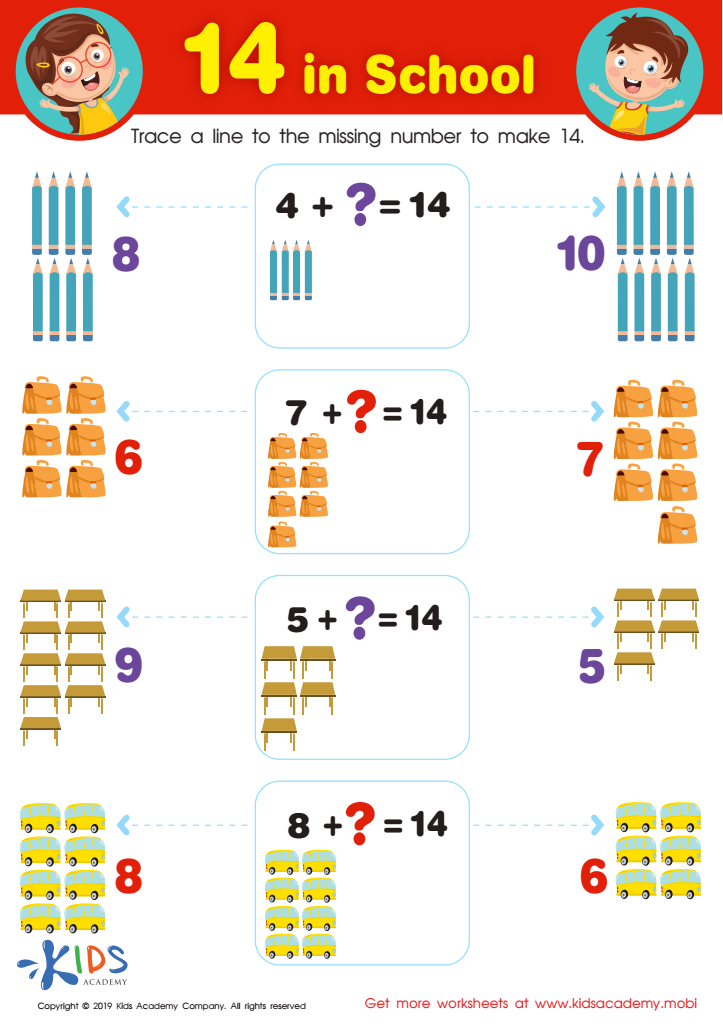
14 in School Worksheet
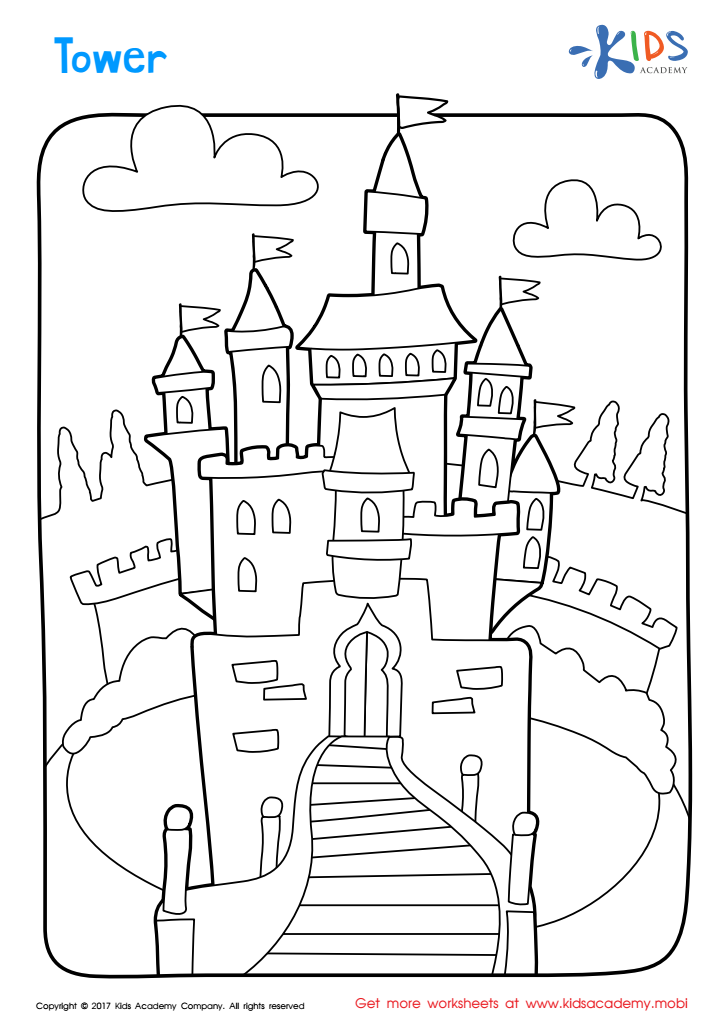
Tower Coloring Page
Assign to My Students
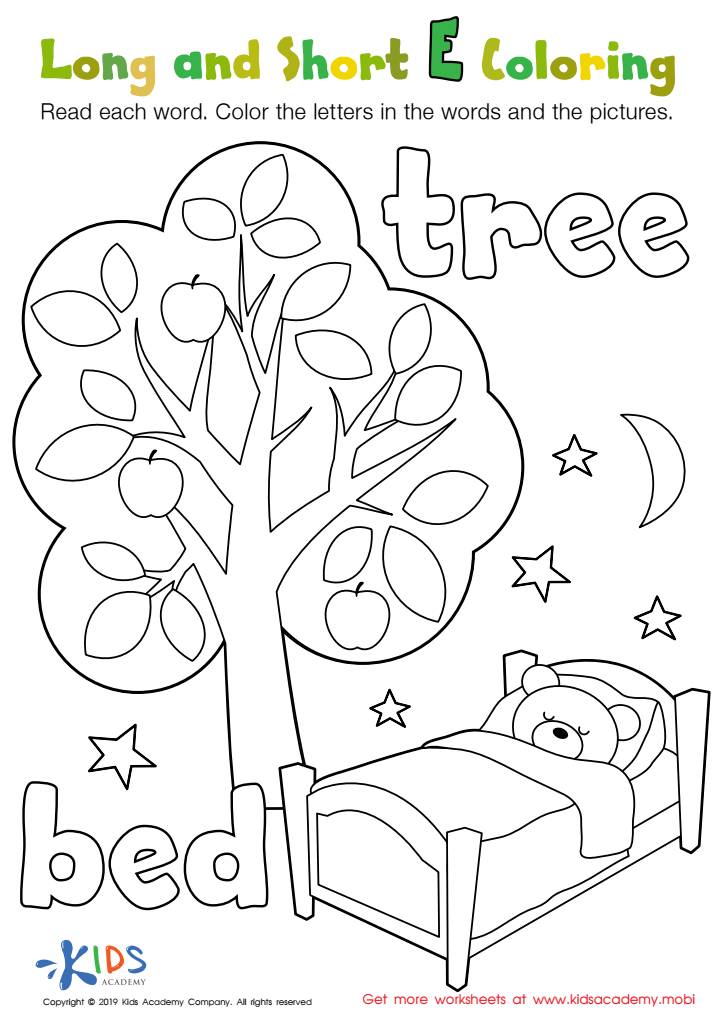
Long and Short E Worksheet
Assign to My Students
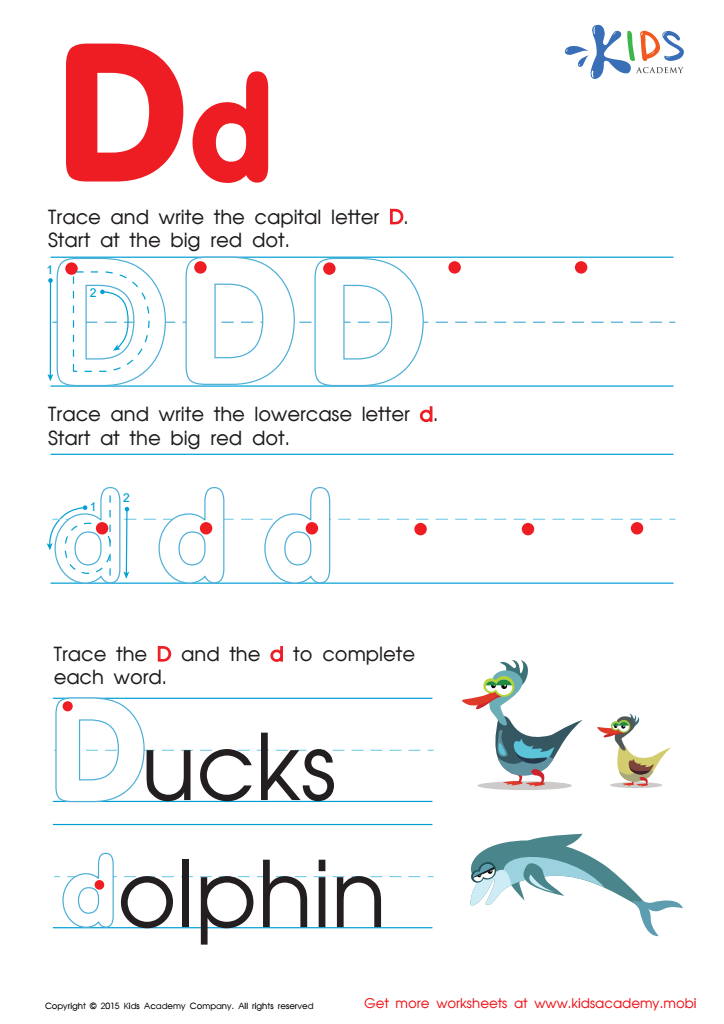
Letter D Tracing Page



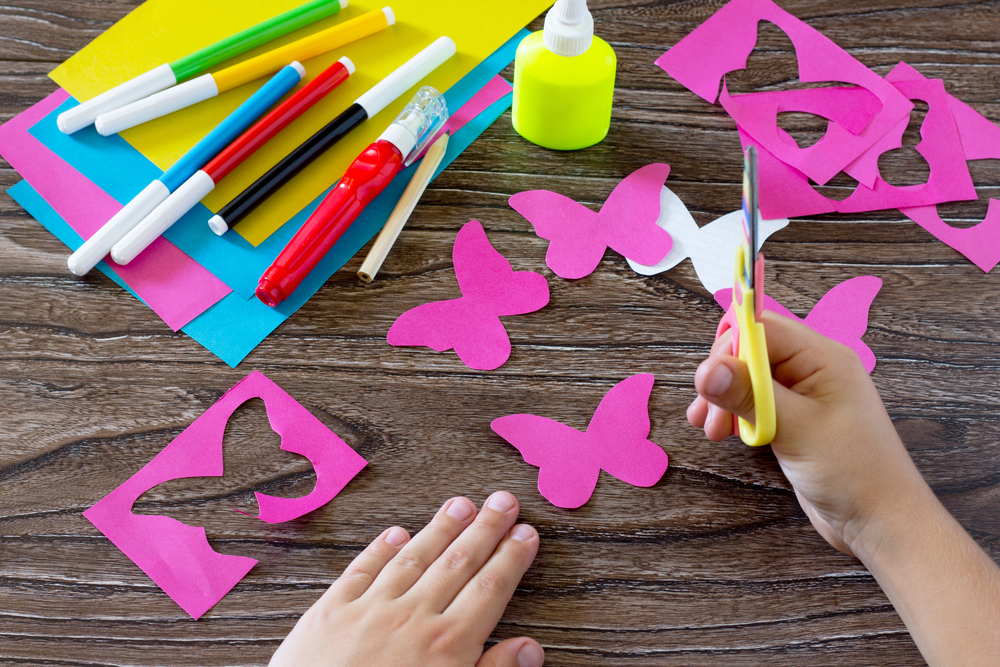



Hand-eye coordination is a crucial skill that significantly impacts a child's overall development and learning capabilities, especially for children aged 5-8. At this formative stage, kids engage in various activities that require precise motor skills, such as writing, drawing, playing sports, or even simple tasks like buttoning a shirt. Improved hand-eye coordination helps in enhancing a child’s ability to perform these activities effectively, fostering independence and self-confidence.
Parents and teachers should prioritize developing this skill as it contributes to academic success and physical activities. For instance, better hand-eye coordination enables children to excel in reading and writing, as it aids in tracking text and forming letters accurately. Additionally, skills learned through sports and games often translate into positive social interactions, teamwork, and discipline, critical for building healthy relationships and self-esteem.
Furthermore, research shows a strong link between hand-eye coordination and cognitive functions like memory and attention span. Investing time in activities that promote this skill not only nurtures a child’s development but also lays the foundation for lifelong learning and physical health. Supporting children in mastering hand-eye coordination techniques can cultivate their ability to interact with the world effectively, ultimately guiding them toward achieving their full potential.








