Historical Knowledge Normal Worksheets for Ages 5-8 - Page 2
27 filtered results
-
From - To
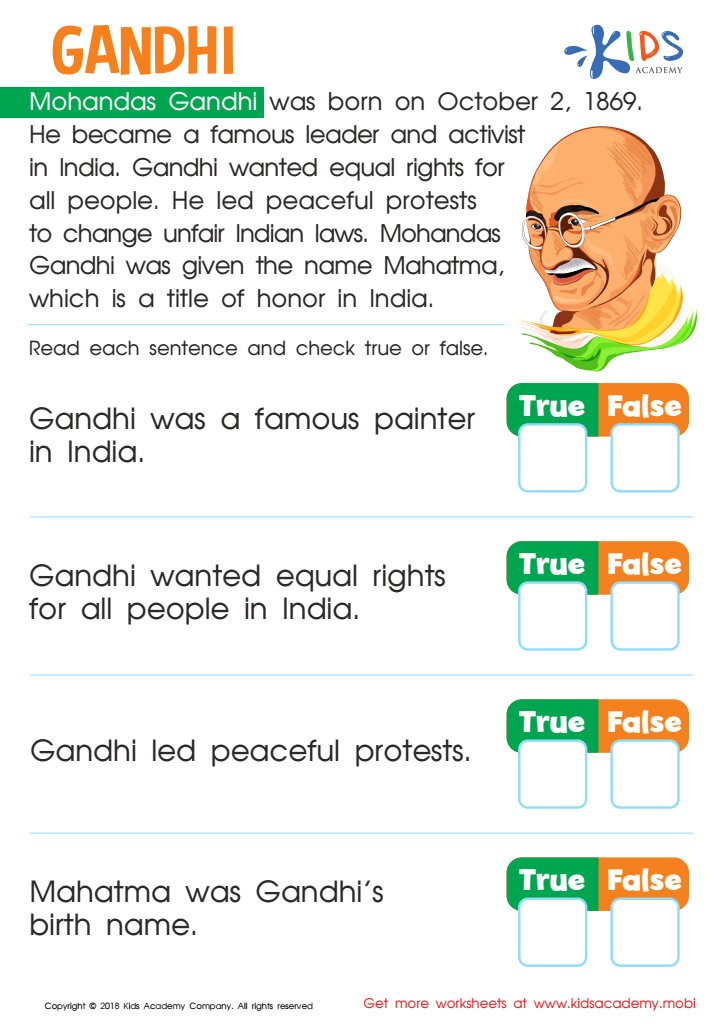
Gandhi Worksheet
 Assign to My Students
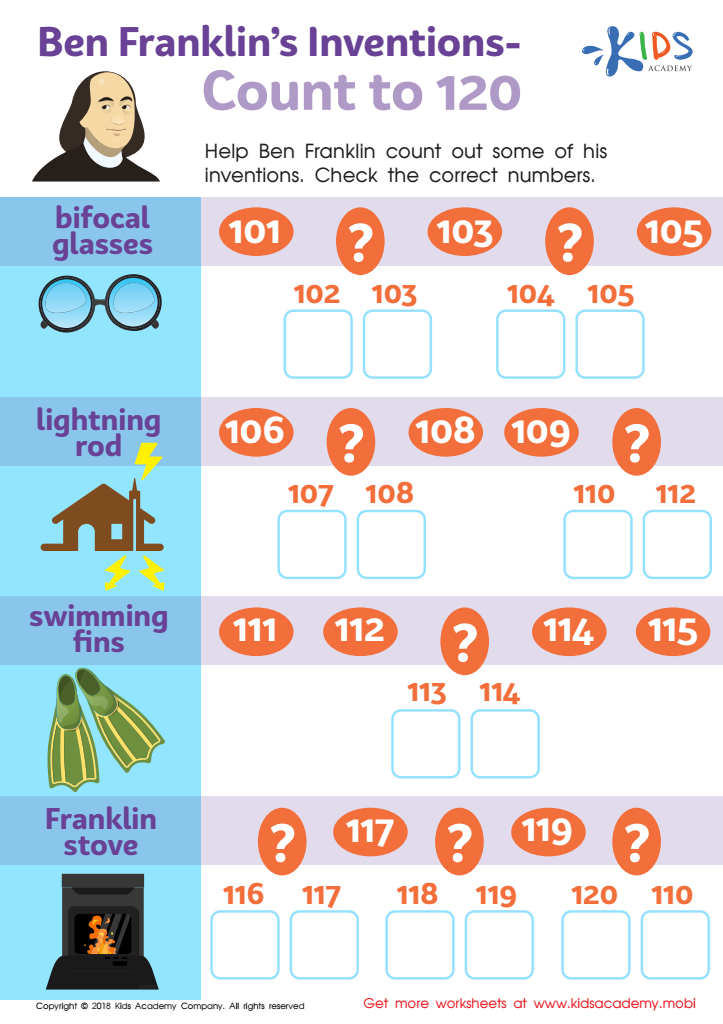
Ben Franklin’s Inventions – Count to 120 Worksheet
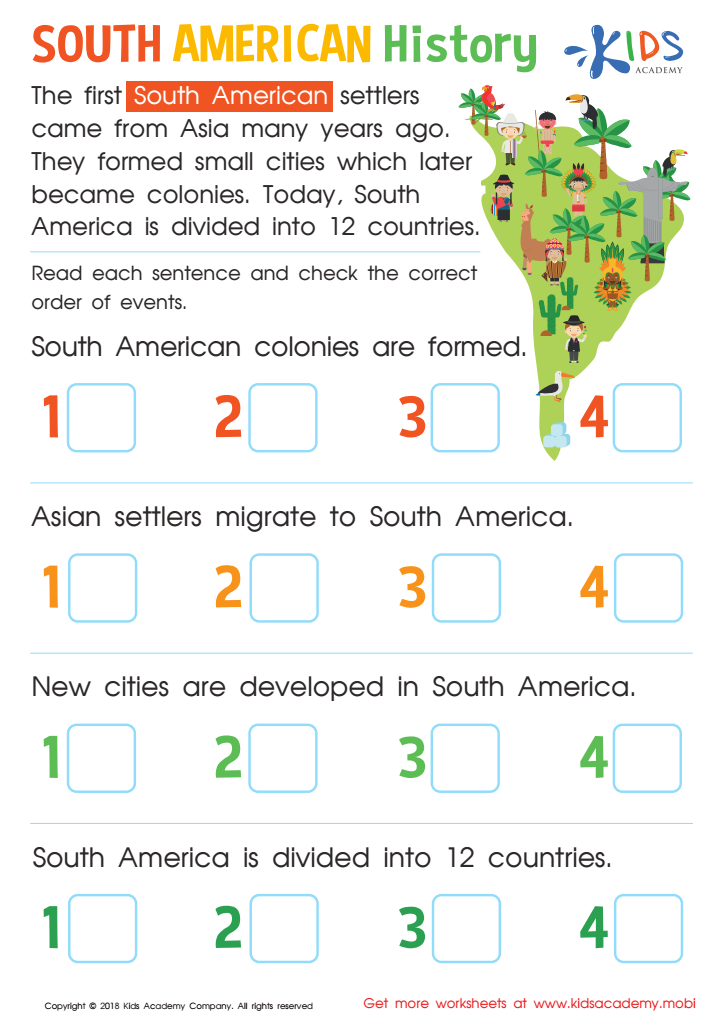
South American History Worksheet




.jpg)


Parents and teachers should prioritize historical knowledge for children aged 5-8 as it lays a foundational understanding of the world, fostering curiosity and critical thinking. At this stage, children develop cognitive skills and begin to make sense of their surroundings. Introducing them to history cultivates an appreciation for diversity, helping them recognize different cultures and perspectives. This awareness nurtures empathy and encourages them to respect others’ experiences.
Moreover, historical knowledge teaches valuable lessons from the past, highlighting achievements and mistakes that shape society today. By understanding past events, children can better grasp the present and form informed opinions about the future. Engaging with history through storytelling, activities, and discussions sparks imagination and builds vocabulary, enhancing language skills.
Early exposure to historical themes also strengthens a child’s sense of identity and belonging, allowing them to connect with family stories and community traditions. By integrating historical knowledge into early education, we equip young learners with the tools for responsible citizenship and lifelong learning. Thus, caring about historical knowledge is essential for nurturing well-rounded, informed, and empathetic individuals who can contribute positively to society.








