Improving categorization skills Normal Worksheets for Ages 5-8
3 filtered results
-
From - To
Enhance your child's categorization skills with our engaging worksheets designed for ages 5-8. These normal worksheets focus on helping young learners identify, sort, and group objects based on various attributes, fostering critical thinking and cognitive development. Each activity is crafted to be fun and interactive, making learning enjoyable and accessible. As children sort animals, shapes, and everyday items, they build foundational skills essential for problem-solving and comprehension. Ideal for teachers and parents looking to reinforce understanding at home or in the classroom, our categorization worksheets are a valuable resource to support early education. Encourage exploration and organization today!
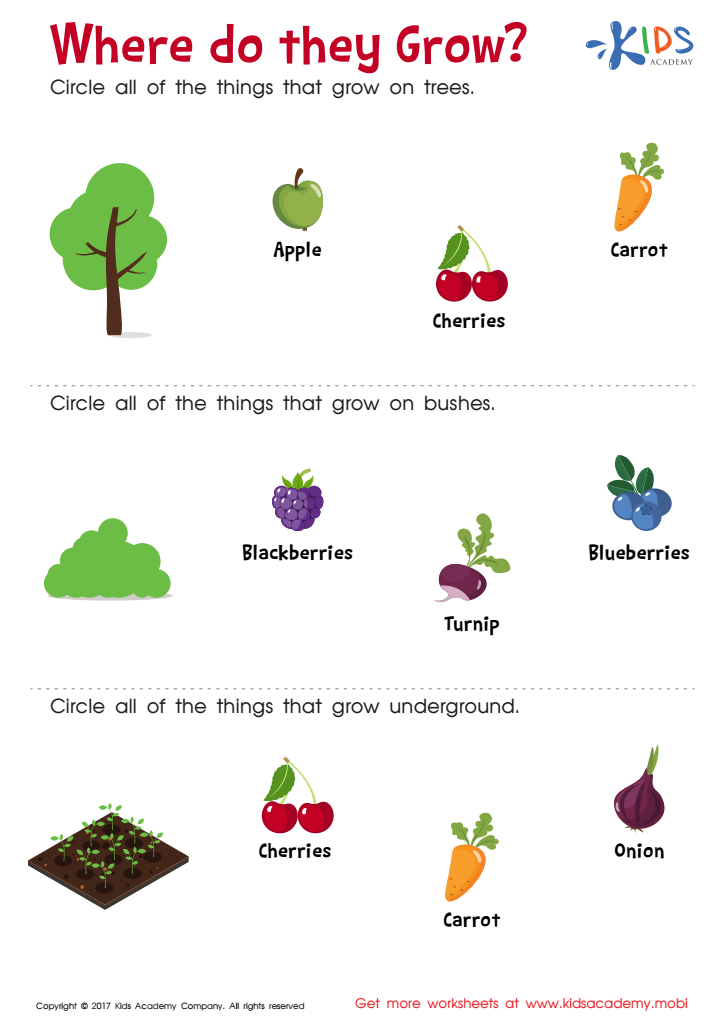
Where Do They Grow Worksheet
 Assign to My Students
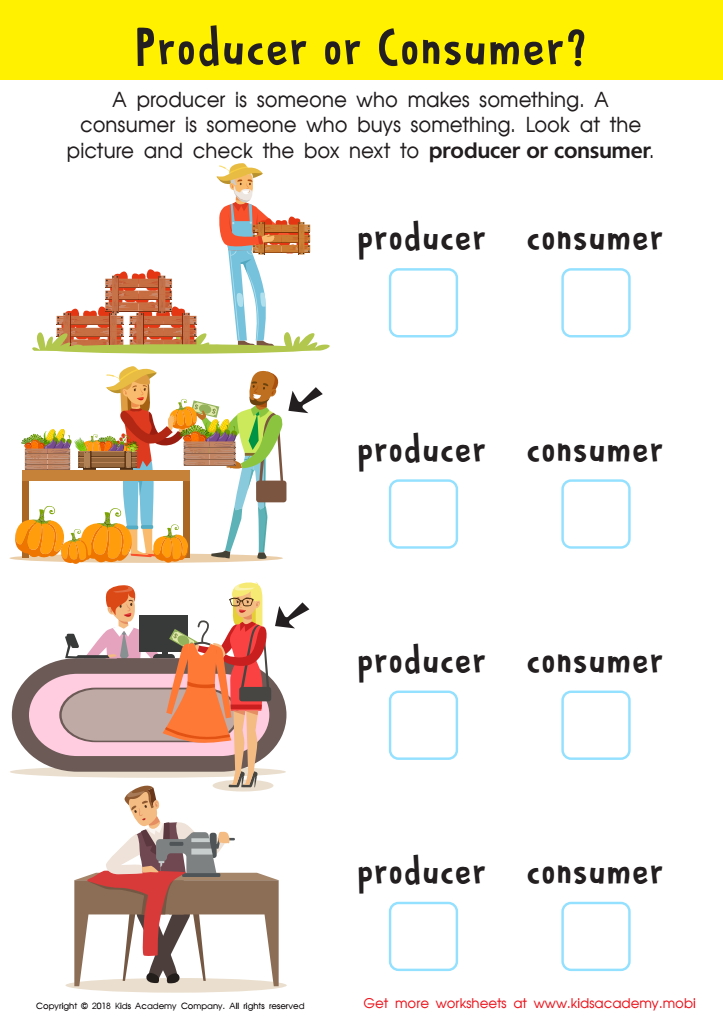
Producer or Consumer? Worksheet
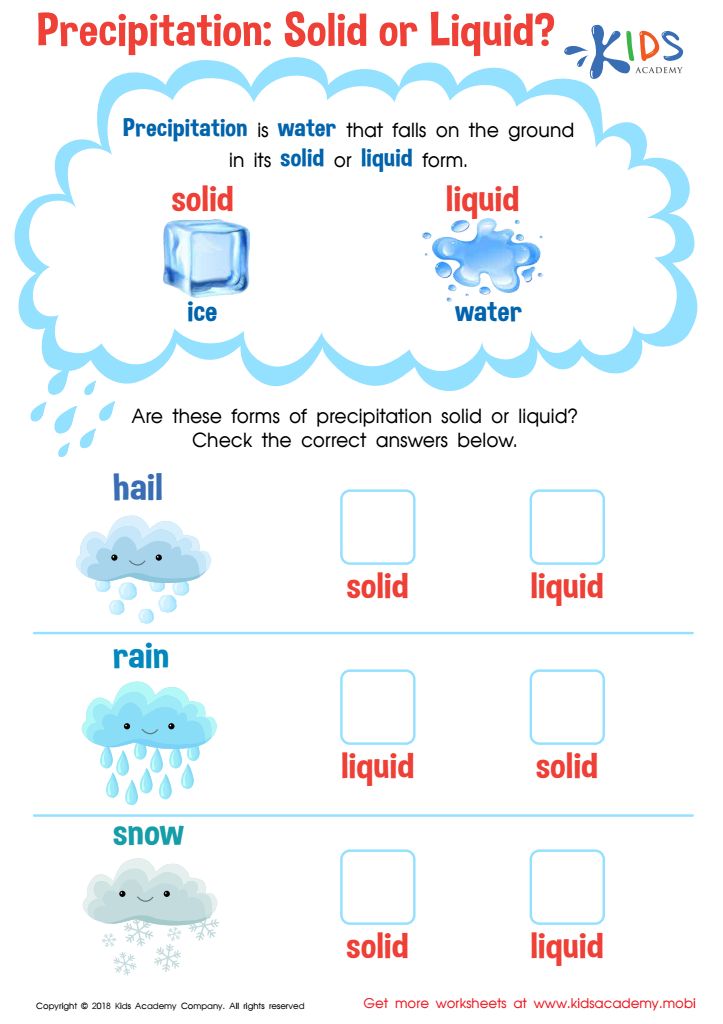
Precipitation: Solid or Liquid? Worksheet








Improving categorization skills in children ages 5 to 8 is crucial for their cognitive development and academic success. At this age, children are rapidly learning to sort and organize information, which forms the foundation for critical thinking and problem-solving. By helping them develop these skills, parents and teachers can facilitate better understanding of their environment and foundational concepts in subjects like math, science, and language.
Categorization aids in memory retention and retrieval, allowing children to make connections between new knowledge and existing information. When children can group objects or concepts based on shared characteristics, it enhances their ability to engage with academic content and improves their communication skills. For example, identifying animals, shapes, or colors enables them to articulate their thoughts more clearly.
Moreover, strong categorization skills foster independence and decision-making. As children learn to classify information on their own, they gain confidence and intrinsic motivation to explore and learn more. This ability serves as a cornerstone for later academic successes, making it vital for educators and parents to actively engage in activities that promote categorization. Ultimately, investments in these skills contribute to a child’s overall cognitive development and preparedness for future educational challenges.








