Improving observation skills Normal Worksheets for Ages 5-8
4 filtered results
-
From - To
Unlock your child's potential with our "Improving Observation Skills Normal Worksheets" designed specifically for ages 5-8. These engaging, printable worksheets encourage young learners to enhance their observation competencies through playful activities and illustrations. Tailored to make learning fun, each worksheet stimulates critical thinking while honing attention to detail and visual recognition. Perfect for classroom or at-home use, they promote independent learning and skill development vital for academic success. Parents and educators alike will find effortless ways to nurture curiosity and observation in children. Explore our variety of worksheets today and help your child become a keen observer of the world around them!
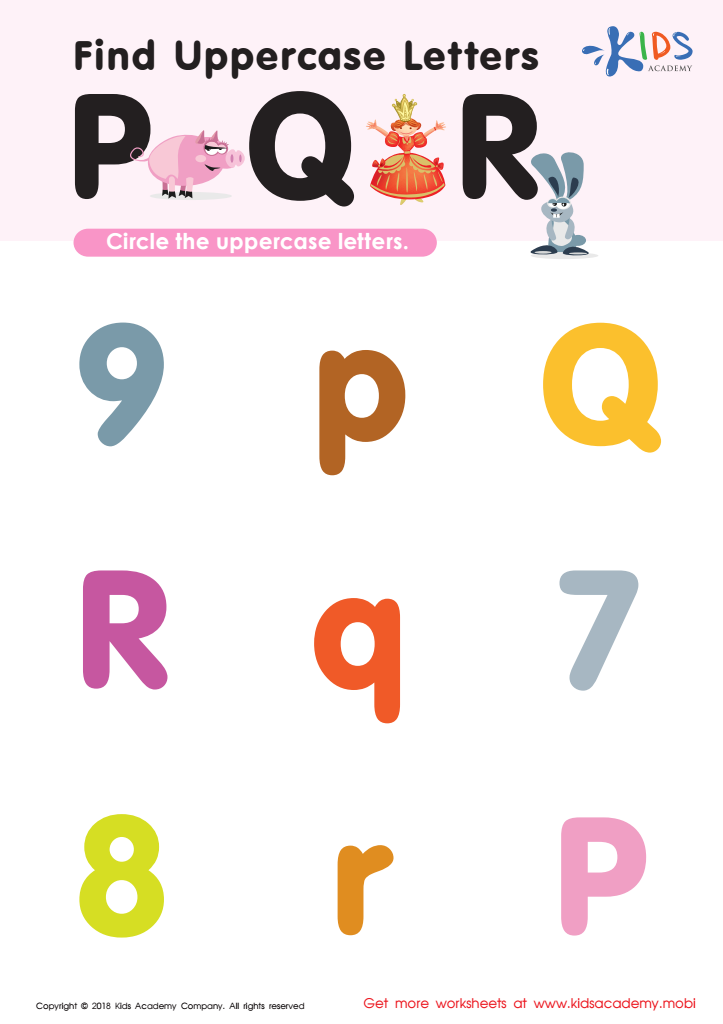
Find Uppercase Letters P, Q, and R Worksheet
 Assign to My Students
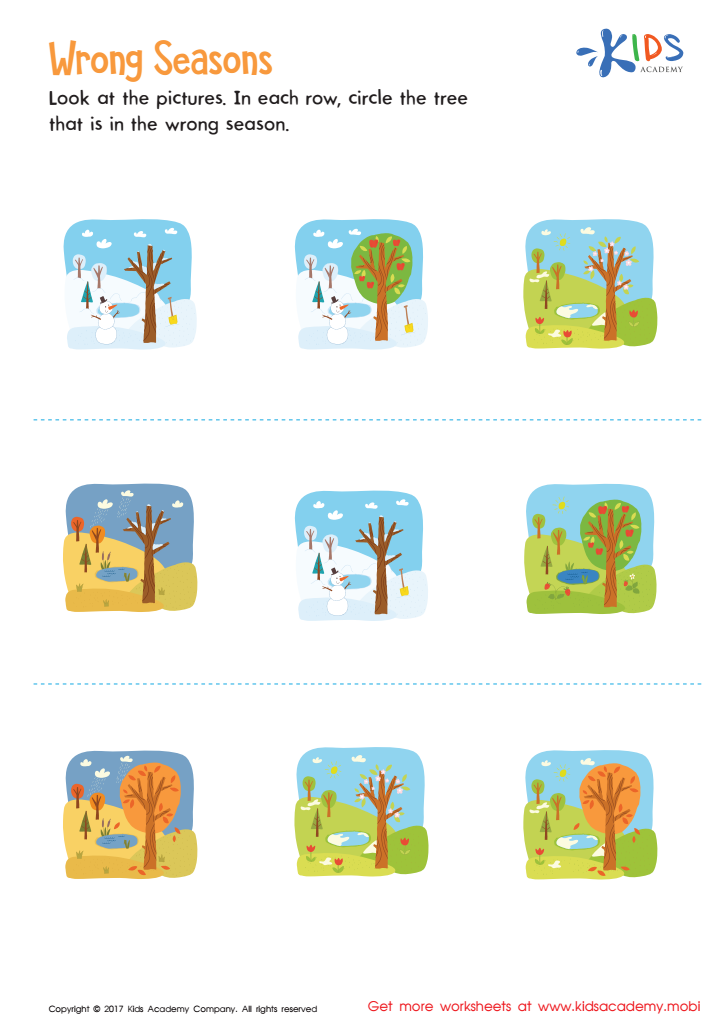
Wrong Seasons Worksheet
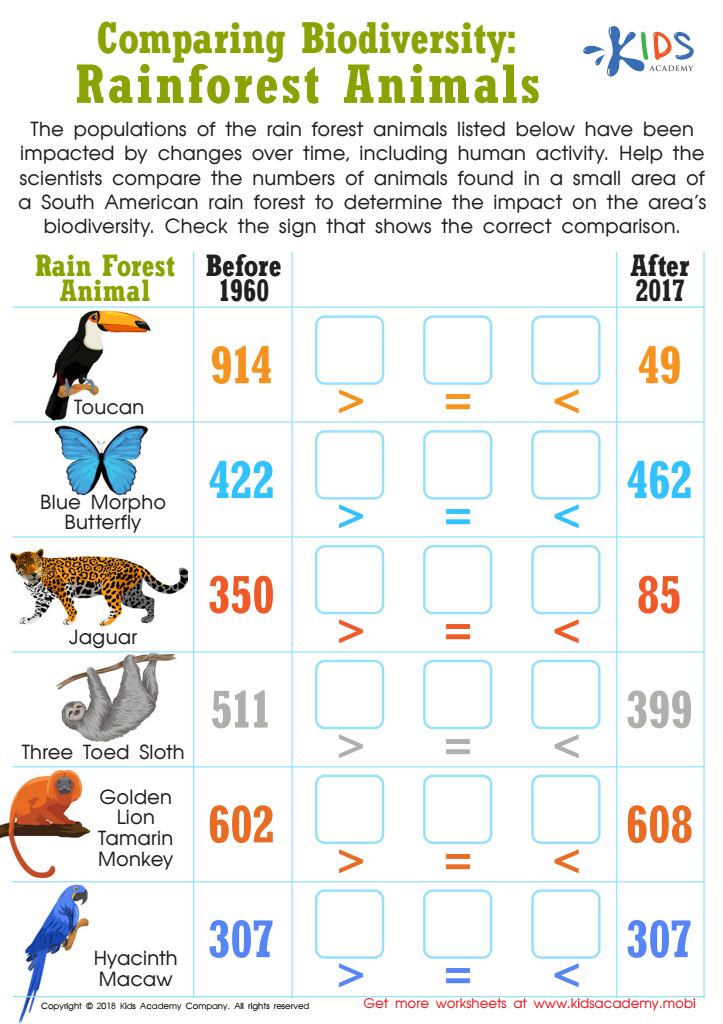
Comparing Biodiversity: Rainforest Animals Worksheet
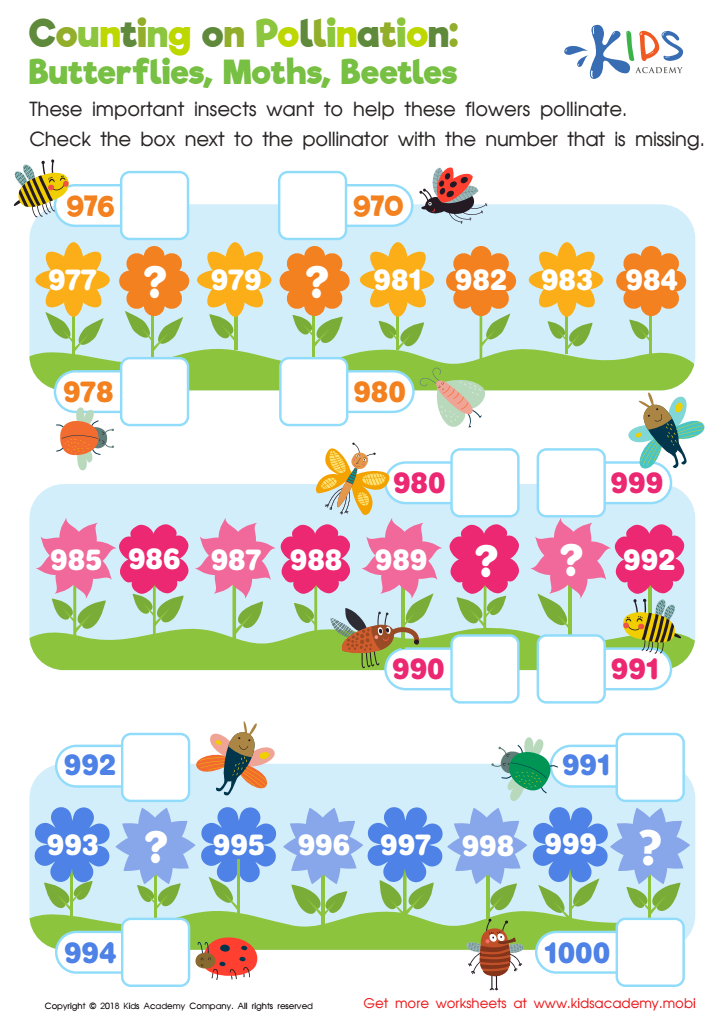
Counting on Pollination: Butterflies, Moths, Beetles Worksheet






Improving observation skills in children ages 5-8 is crucial for several reasons. First, observation forms the foundation of learning; it enables young learners to interpret their environment, understand relationships, and make connections. When children develop strong observation skills, they become better problem-solvers, as they learn to notice details and patterns that can inform their thinking and decision-making.
Additionally, honing these skills fosters curiosity and encourages exploration. Children who can observe and ask questions are more likely to engage actively with their surroundings, promoting a lifelong love of learning. This age group is particularly impressionable, and cultivating observation abilities can lead to enhanced communication skills, as children learn to articulate what they see and think.
Moreover, observation supports social development. As children observe non-verbal cues and emotions in others, they become more empathetic, improving their interpersonal relationships. Whether in a classroom or at home, teachers and parents can create opportunities for children to refine these skills through activities like nature walks, drawing, or storytelling, facilitating discussions that promote critical thinking.
Ultimately, investing in observation skills nurtures well-rounded, attentive learners who can navigate their world effectively and confidently.








