Letter Tracing Practice Normal Worksheets for Ages 5-8
6 filtered results
-
From - To
Help your child master writing with our Letter Tracing Practice Normal Worksheets for Ages 5-8! Specially designed for early learners, these worksheets focus on essential letter formation skills. Featuring clear guides and ample practice space, our worksheets ensure that young writers develop confidence and accuracy. Perfect for preparing kids for kindergarten and primary school, each sheet encourages neat handwriting and improves fine motor skills. Engage your little one with fun and educational activities that make learning letters enjoyable and effective. Visit our website to download these resources and support your child's literacy journey today!
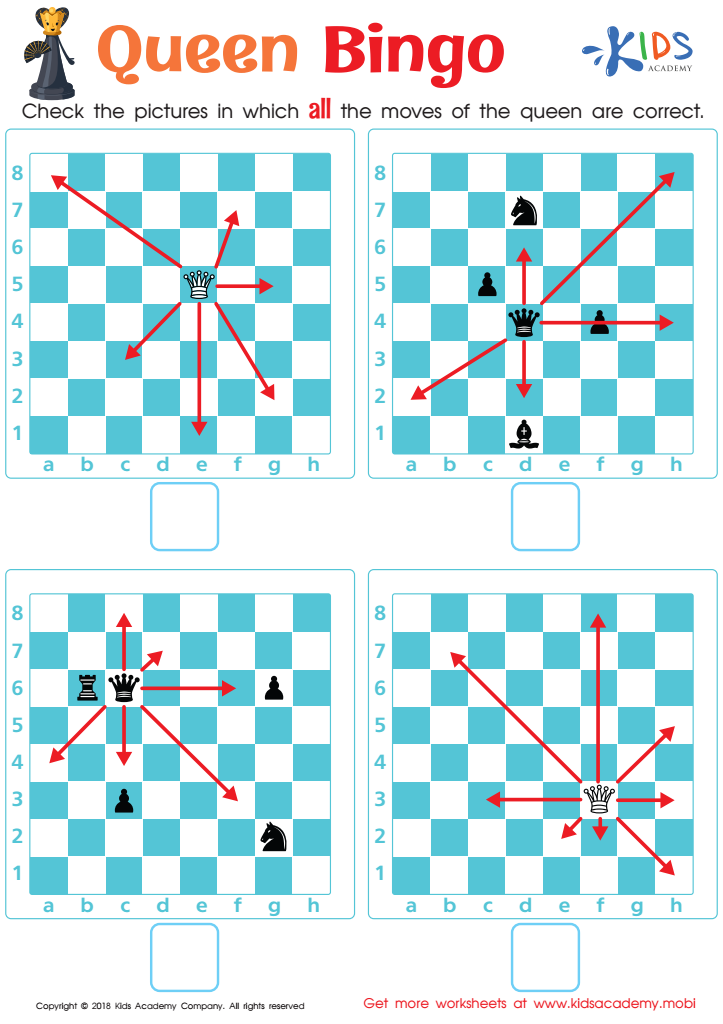
Queen Bingo Worksheet
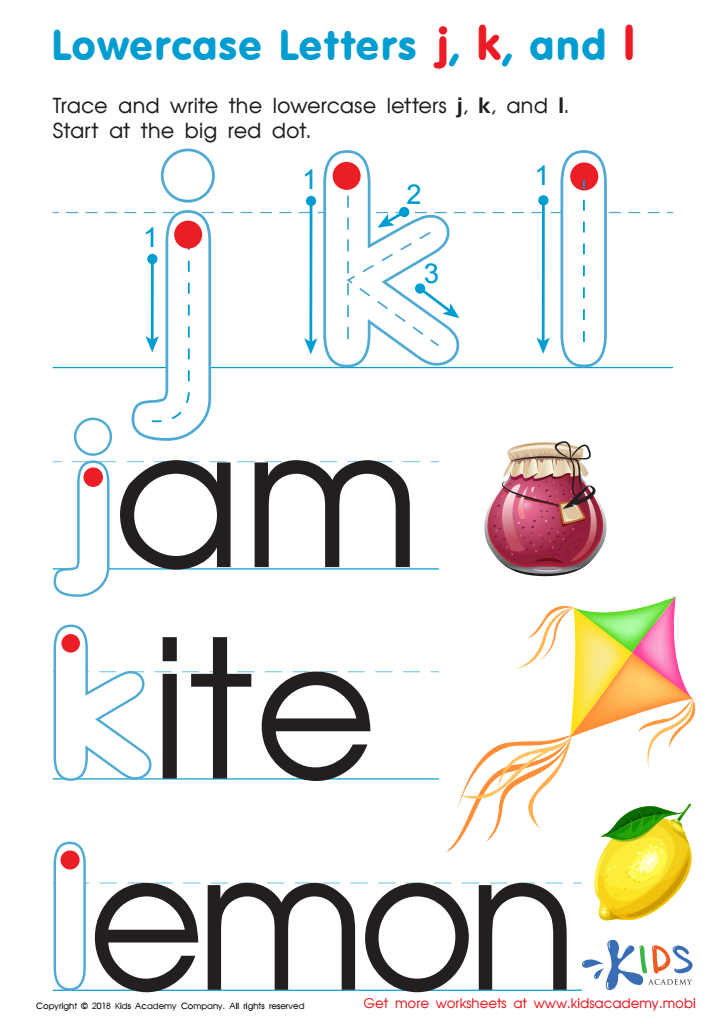
Lowercase Letters j k l Worksheet
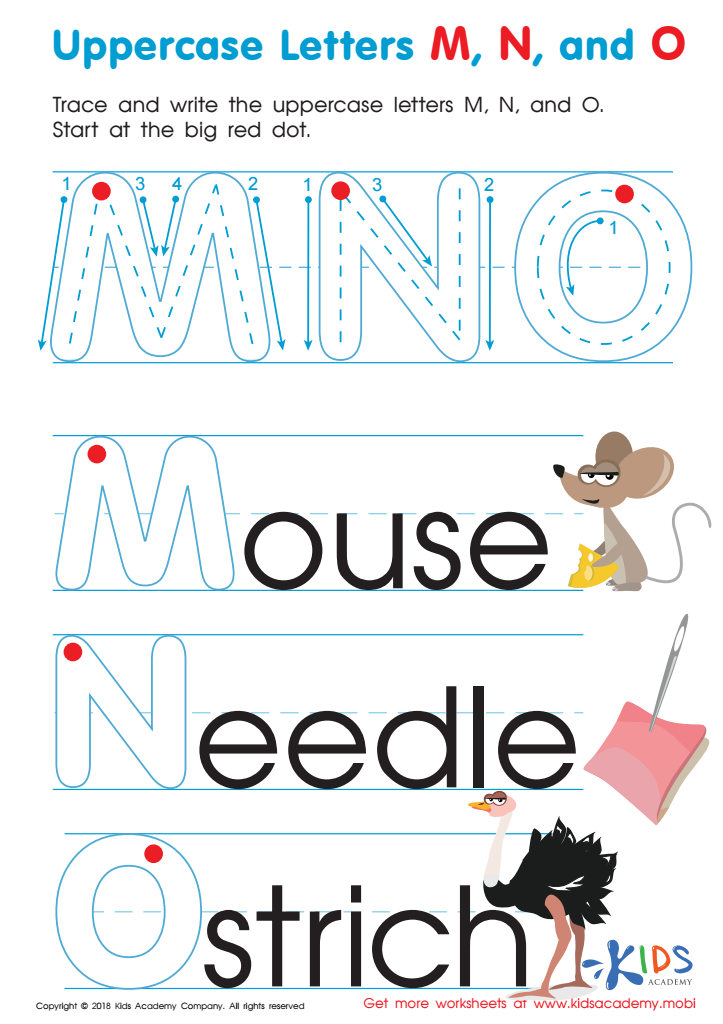
Uppercase Letters M, N, and O Worksheet
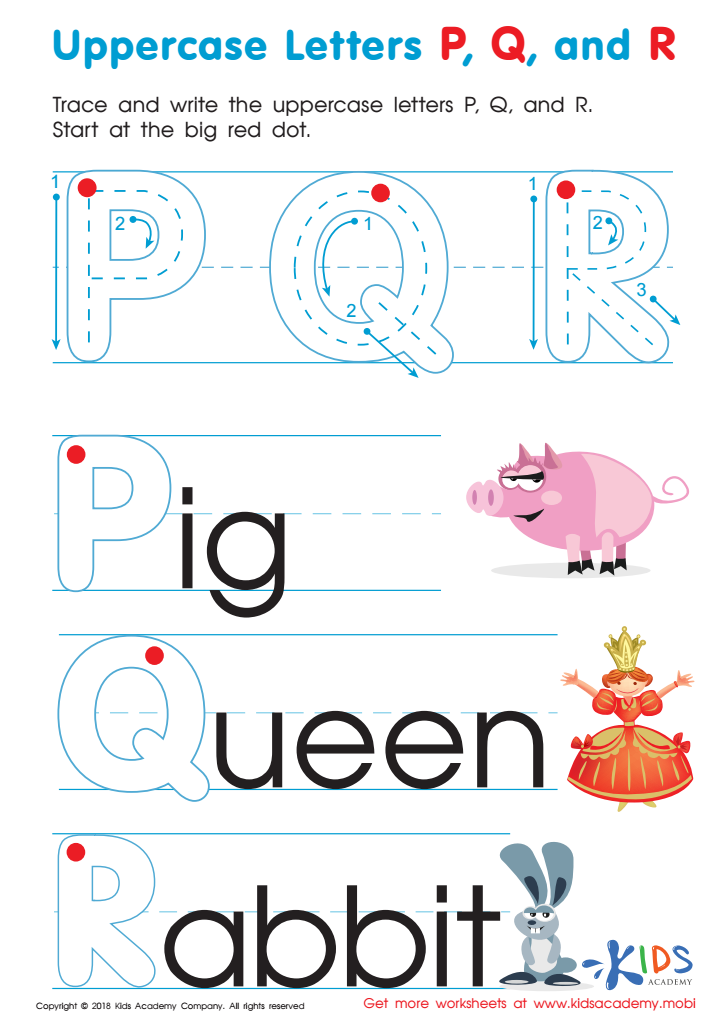
Uppercase Letters P, Q, and R Worksheet
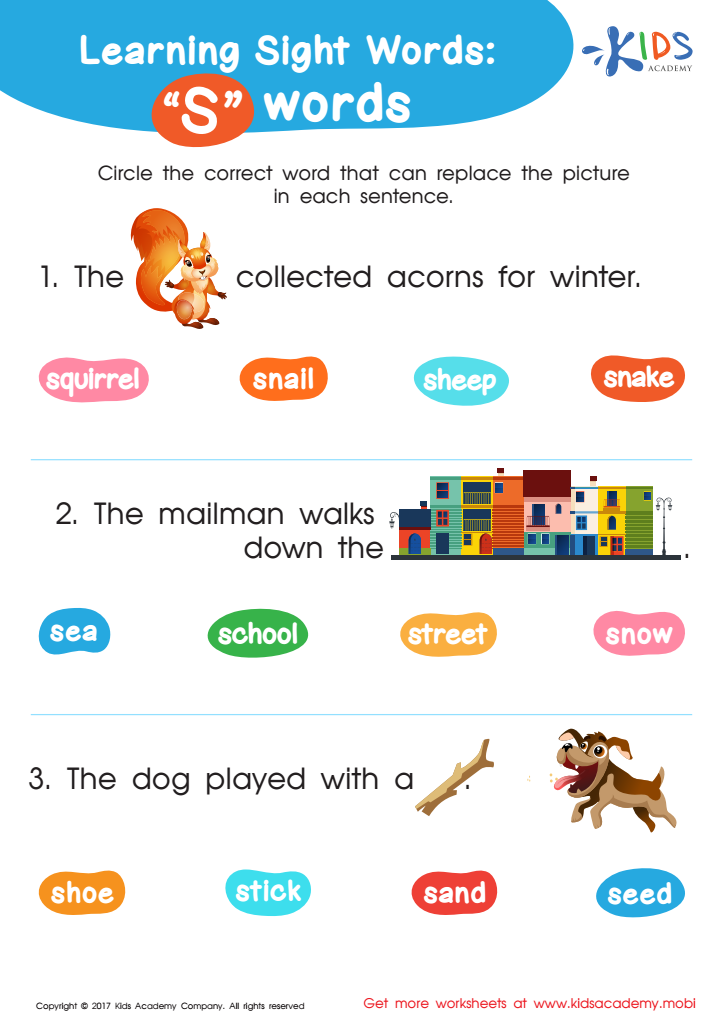
S Words Sight Words Worksheet

Letter F Coloring Sheet
 Assign to My Students








Letter tracing practice is a crucial activity for young children ages 5-8, serving as a foundational step in their literacy development. This practice helps children learn to recognize, form, and write letters correctly, which is essential for effective communication and academic success. Parents and teachers should prioritize letter tracing because it supports fine motor skill development. As children trace letters, they enhance their hand-eye coordination and gain better control over their writing instruments, which is vital for other academic tasks.
Additionally, letter tracing enhances memory and cognitive skills as children remember the shapes and sequences of letters. It instills a sense of accomplishment and boosts confidence, encouraging children to engage more actively in learning activities. Moreover, the repetitive nature of tracing helps ingrain proper writing techniques and letter forms into children's muscle memory.
Investing time in letter tracing also lays the groundwork for proper spelling and reading skills. When children can write letters fluently and accurately, they find it easier to decode words, improving their reading capabilities. A solid grasp of letter formation simplifies the transition to more complex writing tasks, such as forming words and sentences. For these reasons, consistent letter tracing practice is an indispensable component of early childhood education, meriting attention from both parents and teachers.








