Understanding directions Normal Worksheets for Ages 5-8
9 filtered results
-
From - To
Our "Understanding Directions" worksheets are designed specifically for children aged 5-8, combining fun and learning to enhance their ability to follow instructions. These engaging activities help young learners develop crucial skills such as listening, processing information, and executing tasks accurately. Each worksheet features age-appropriate exercises, from simple tasks involving basic directions to more complex activities that challenge comprehension. Ideal for both classroom use and at-home practice, our worksheets promote attention to detail and foster independent thinking, preparing kids for academic success. Equip your child with the tools needed to understand and follow directions confidently.
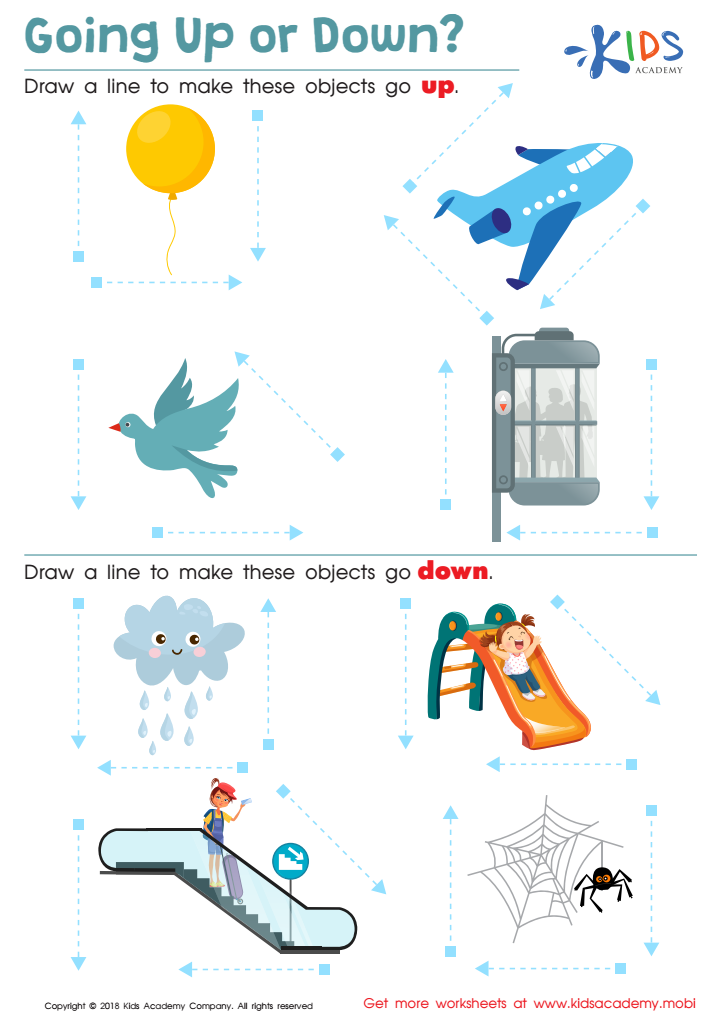
Going up or Down? Worksheet
 Assign to My Students
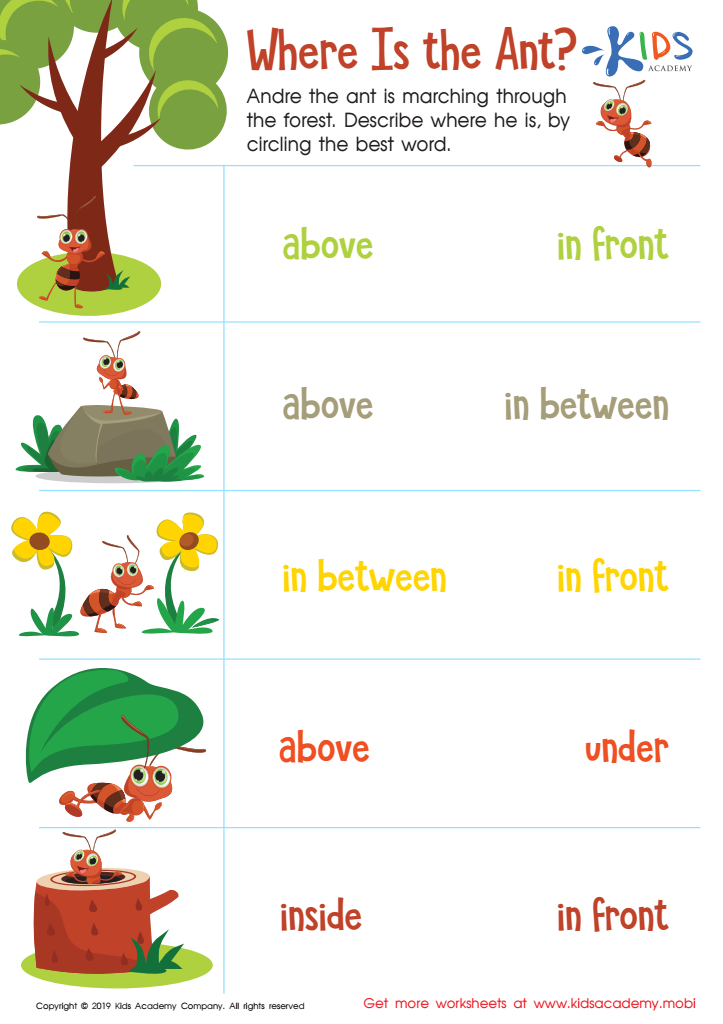
Where Is the Ant? Worksheet
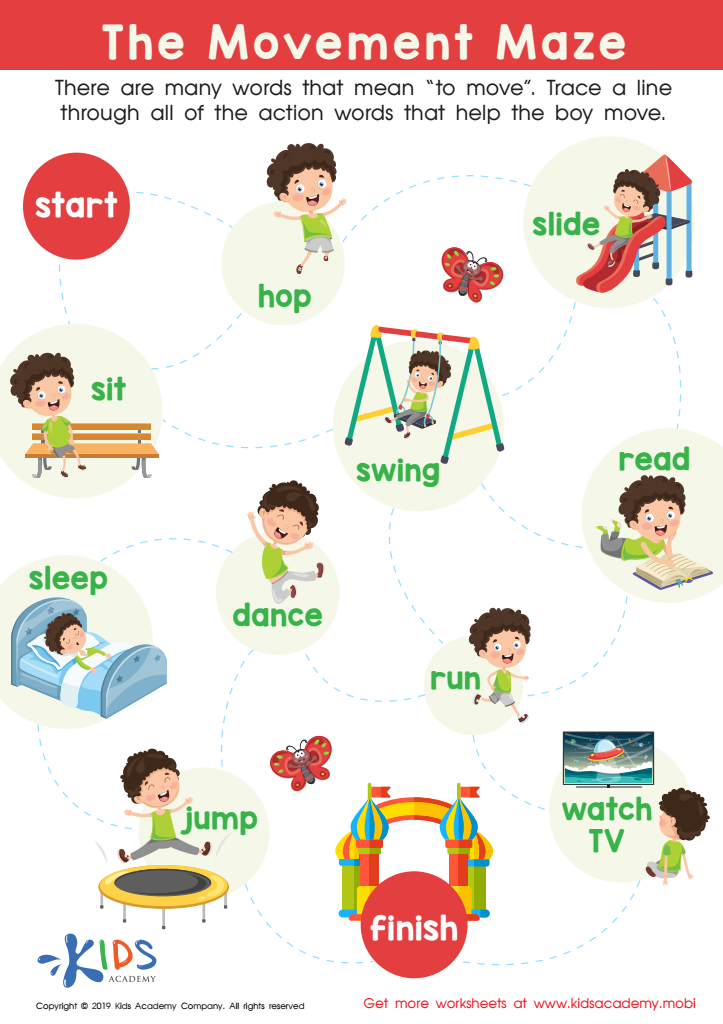
The Movement Maze Worksheet
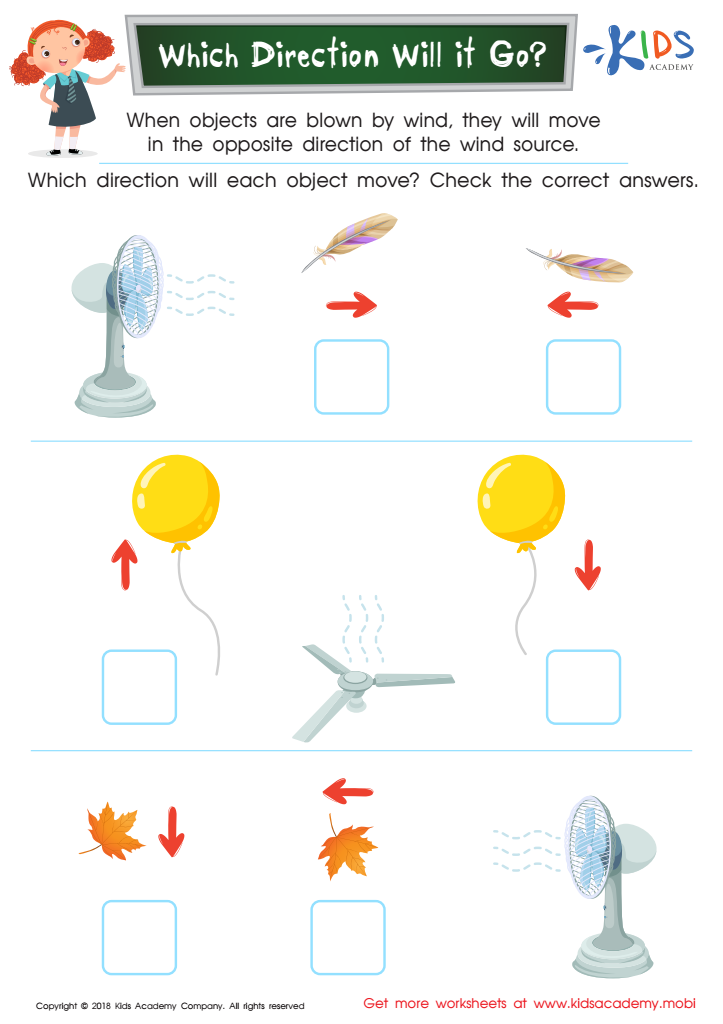
Which Direction Will it Go? Worksheet
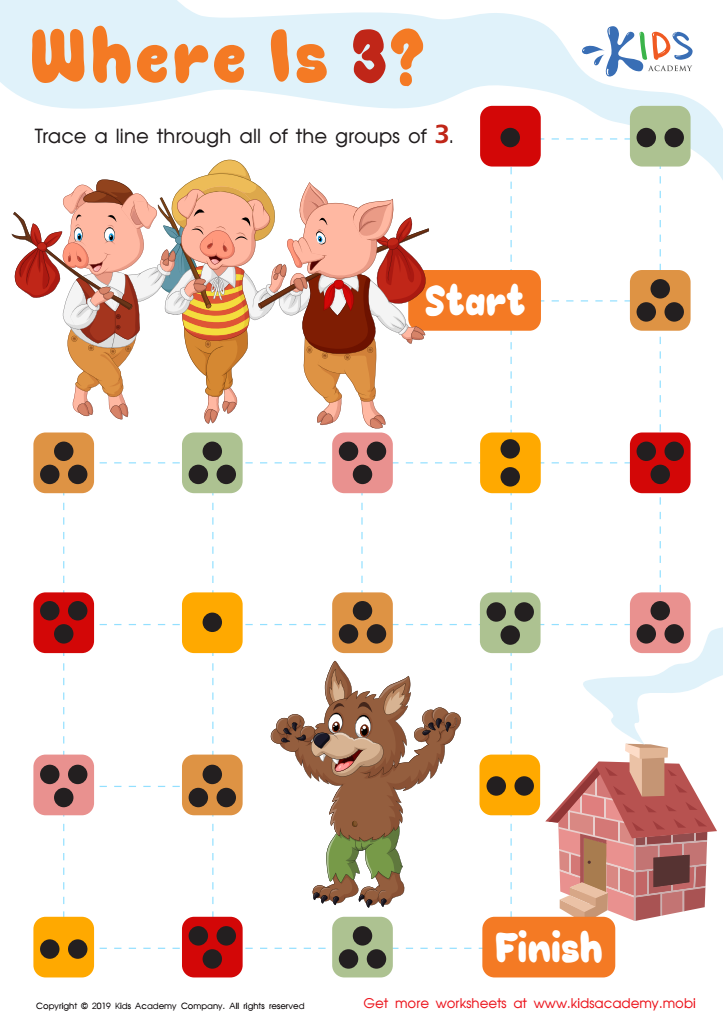
Where Is 3? Worksheet
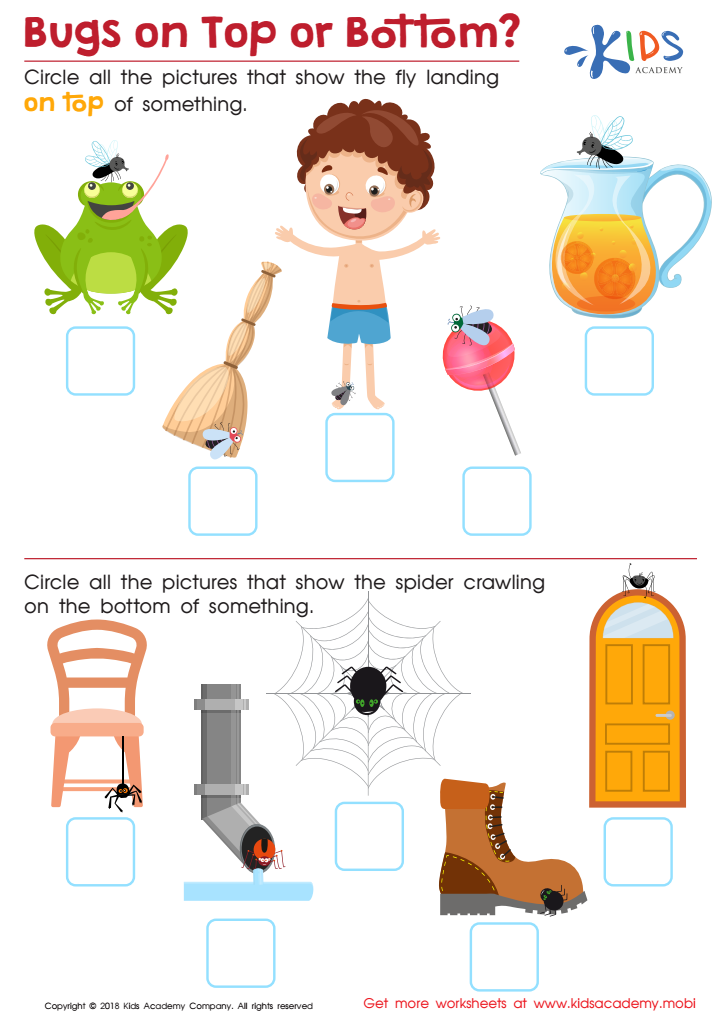
Bugs on Top or Bottom? Worksheet
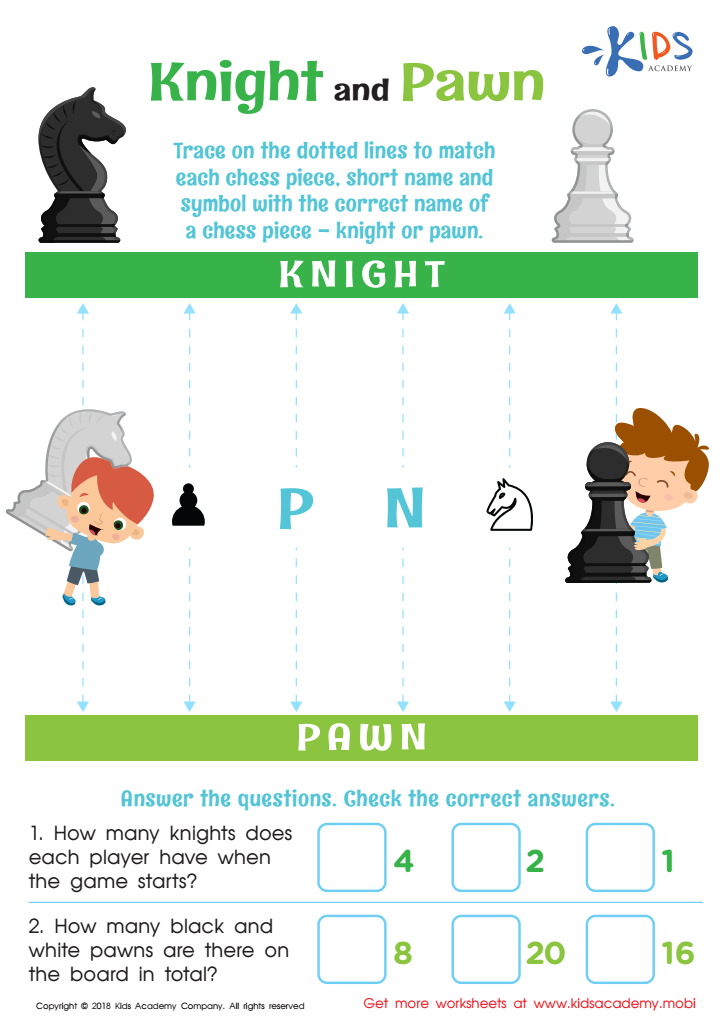
Knight and Pawn Worksheet
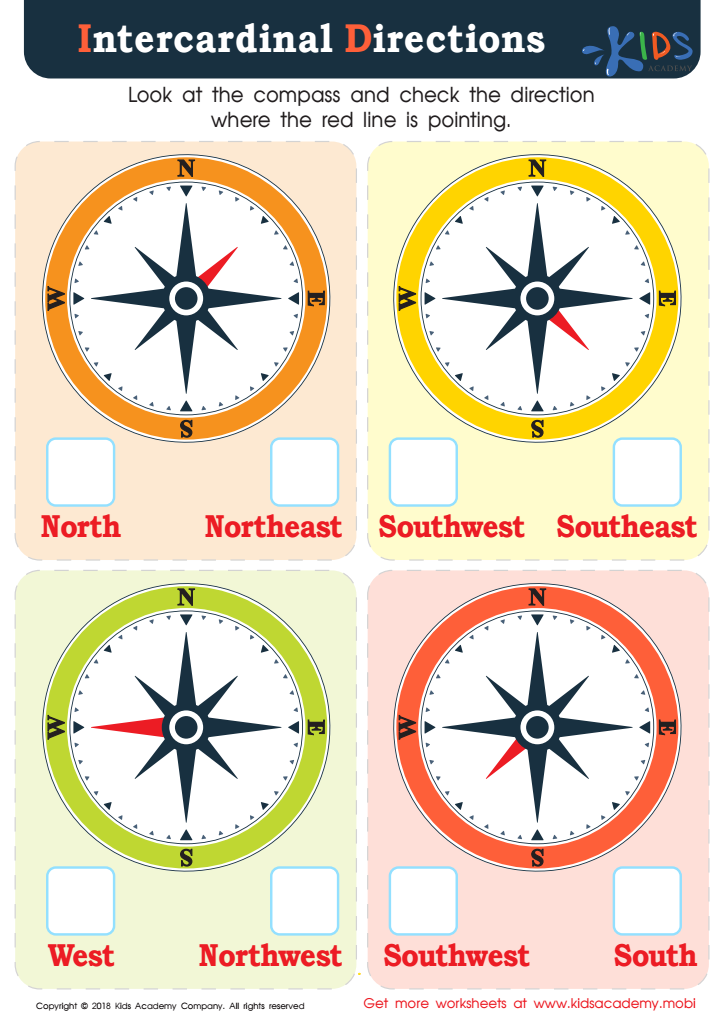
Intercardinal Directions Worksheet
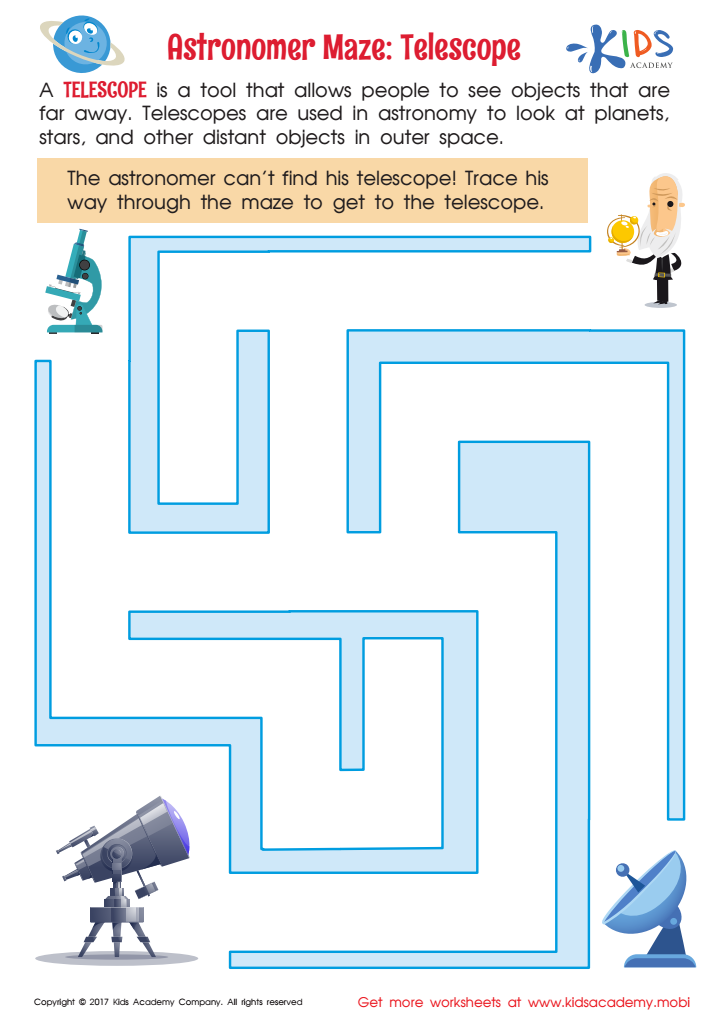
Astronomer Maze: Telescope Worksheet







Understanding directions is a critical skill for children ages 5-8, and both parents and teachers should prioritize it for several reasons. At this developmental stage, children are rapidly expanding their cognitive, social, and motor skills. Comprehending and following directions enable kids to perform everyday tasks more independently, enhancing their self-confidence and fostering a sense of responsibility.
In the classroom setting, the ability to understand directions helps students participate effectively in learning activities, maintain classroom routines, and complete assignments accurately. This skill also promotes better listening abilities, which are essential for academic success and effective communication. Tasks such as lining up, following a sequence of steps in a project, or understanding game rules are grounded in this basic but crucial ability.
From a safety perspective, good comprehension of directions ensures that children can respond appropriately in emergencies, follow important safety rules, and navigate social interactions more smoothly. At home, clear understanding helps in managing daily routines, enhances cooperative behavior, and reduces conflicts, making routines more harmonious and structured.
Overall, fostering strong direction-following skills in young children sets the foundation for academic achievement, personal development, and social harmony, making it a vital area of focus for both educators and parents alike.








