Word identification Normal Worksheets for Ages 5-8
9 filtered results
-
From - To
Explore our engaging "Word Identification Normal Worksheets" designed for children aged 5-8. These worksheets help young learners develop essential reading skills through fun, interactive exercises. Each sheet focuses on different aspects of word identification, enabling students to recognize sight words, familiarize themselves with vocabulary, and comprehend simple sentences. Perfect for classroom use or at-home practice, these worksheets cater to diverse learning styles. With appealing visuals and age-appropriate challenges, children will build confidence in their reading abilities while enjoying the process. Download our worksheets today and watch your child's reading skills flourish!
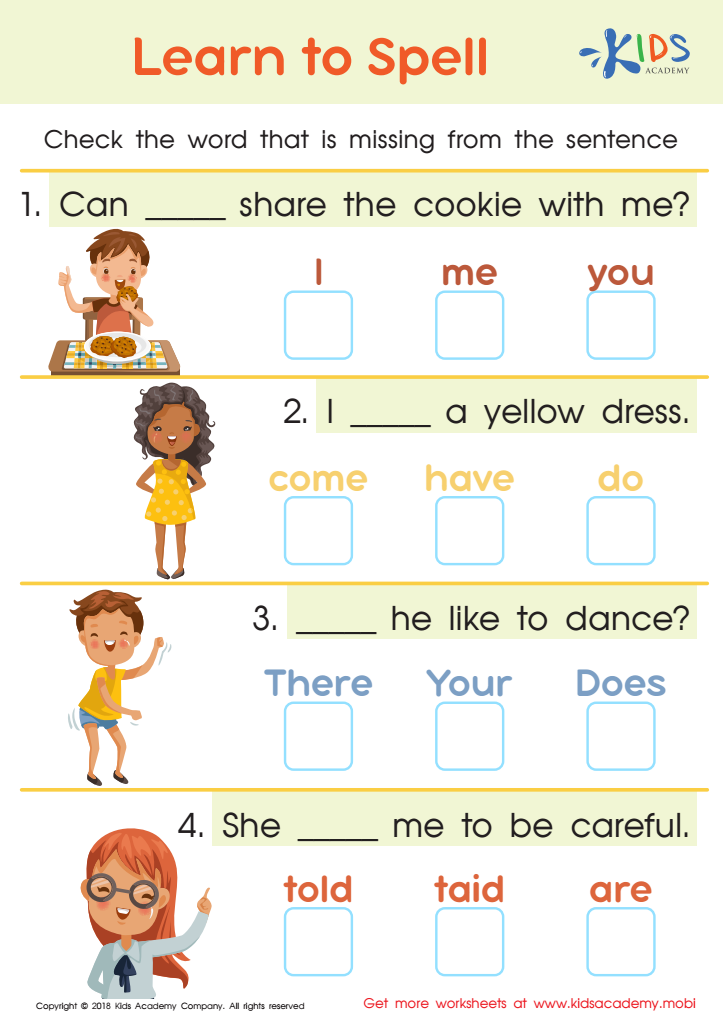
Learn to Spell Worksheet
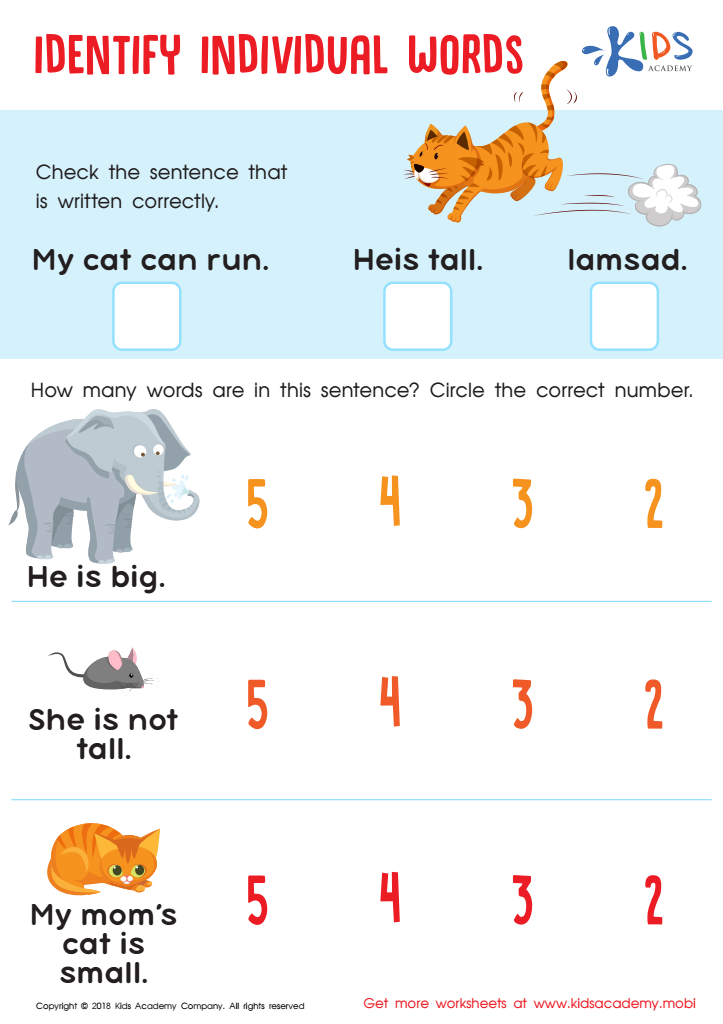
Identify Individual Words Worksheet
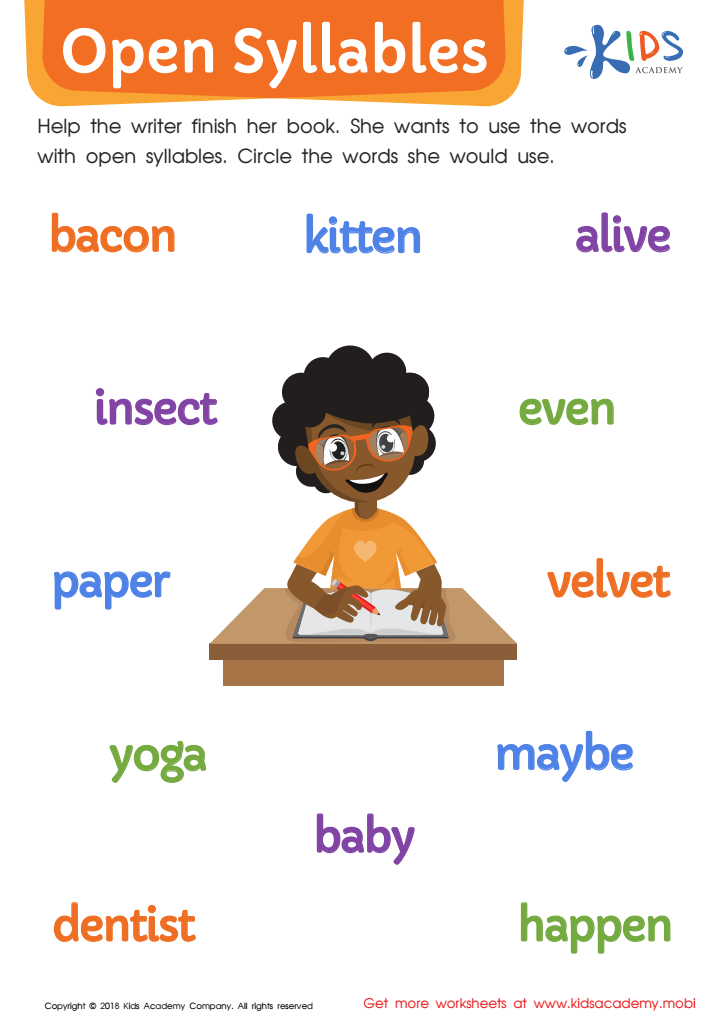
Open Syllables Worksheet
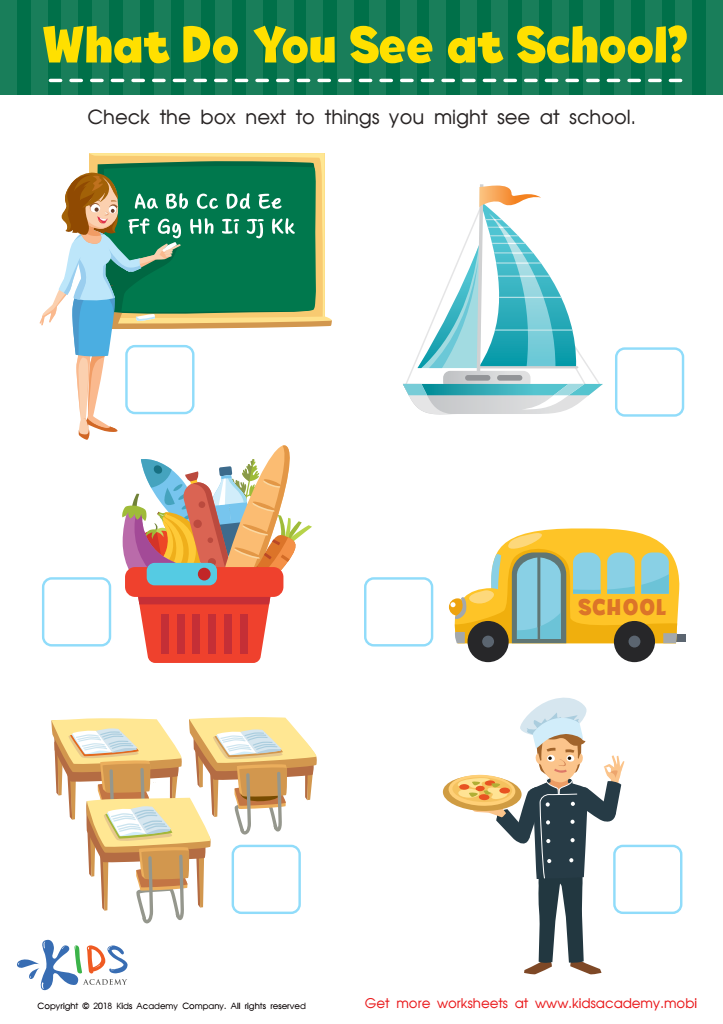
What Do you See at School? Worksheet
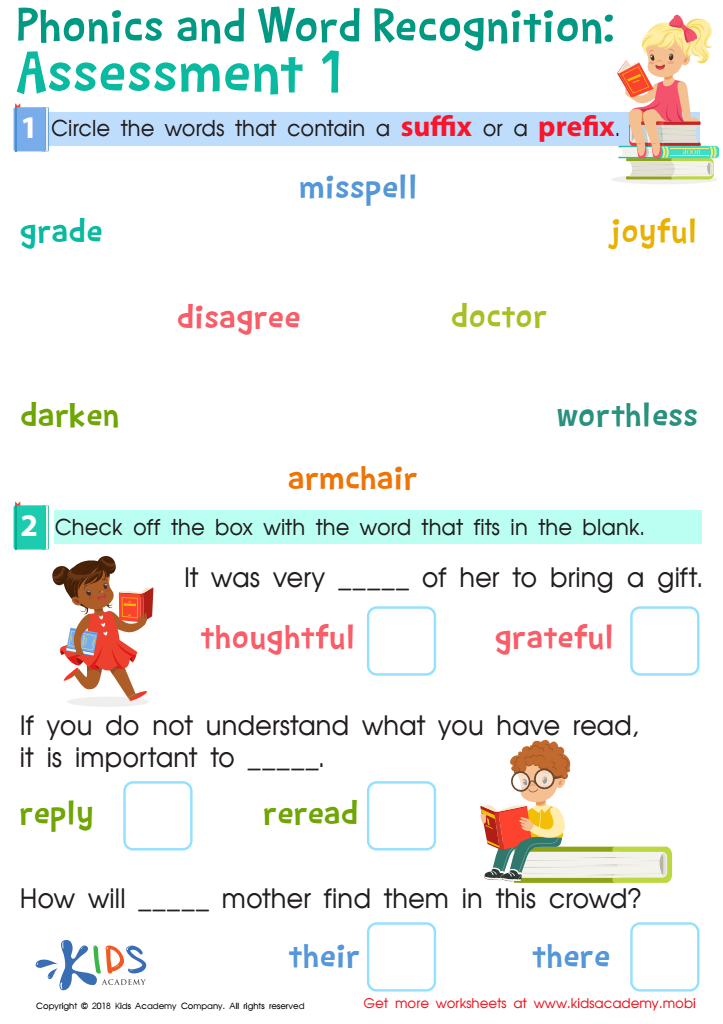
Phonics and Word Recognition: Assessment 1 Worksheet
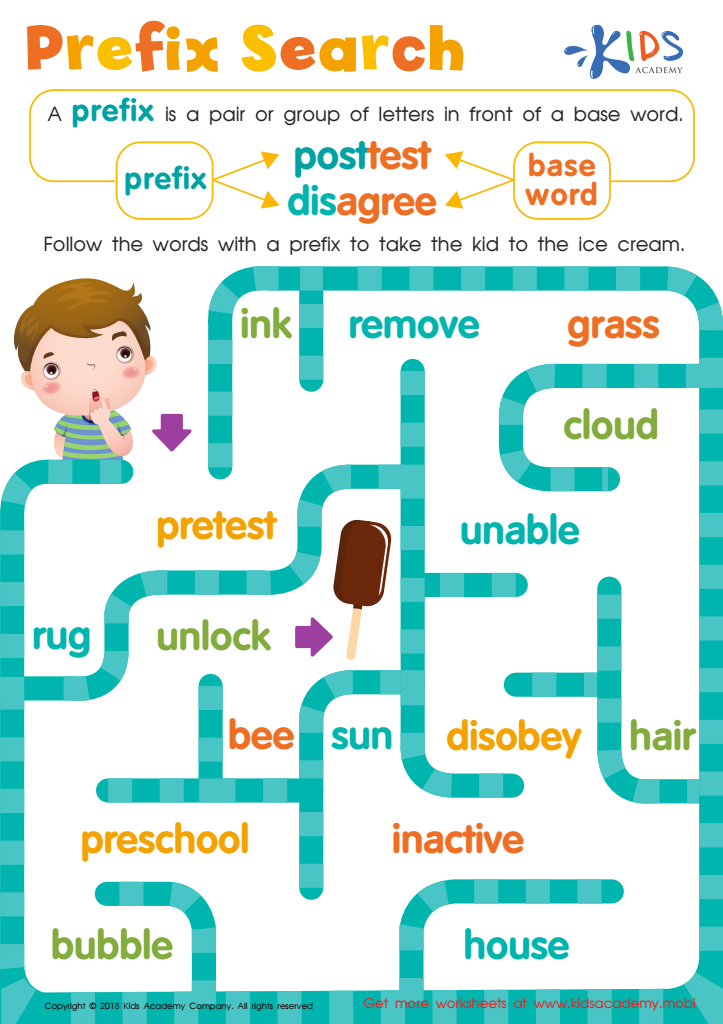
Reading: Prefix Search Worksheet
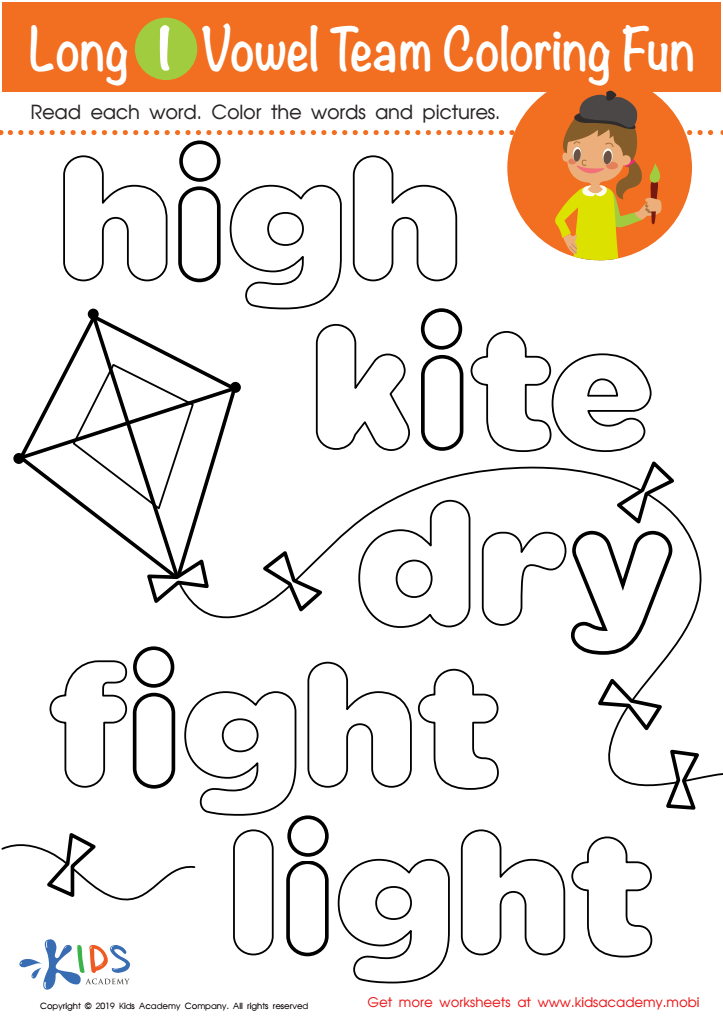
Long I Vowel Team Coloring Worksheet
 Assign to My Students
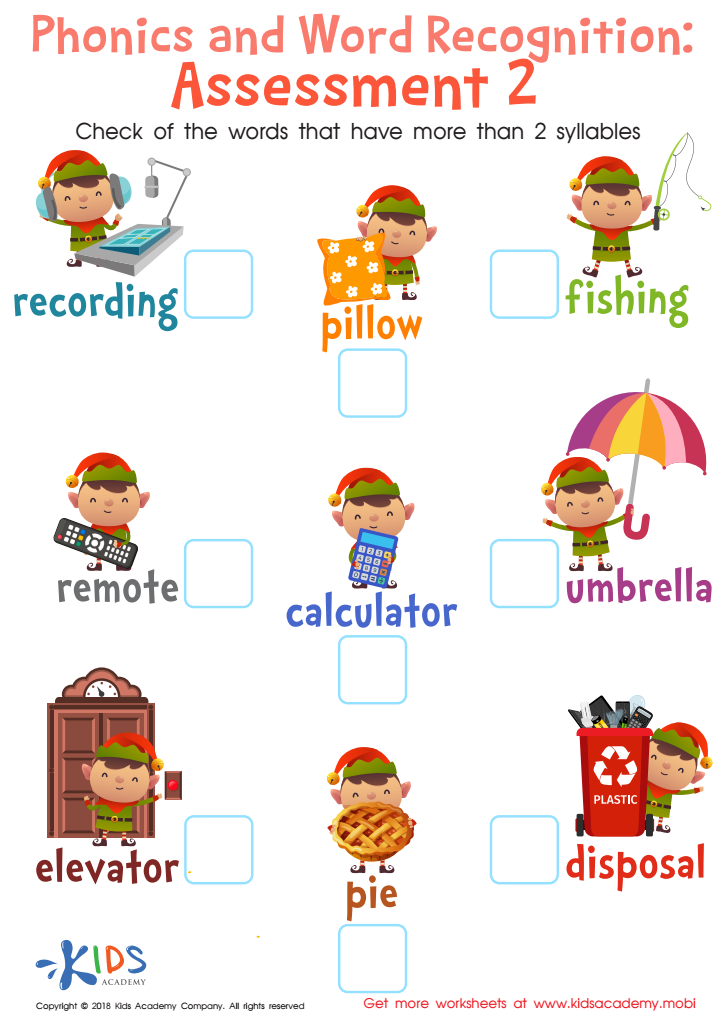
Phonics and Word Recognition: Assessment 2 Worksheet
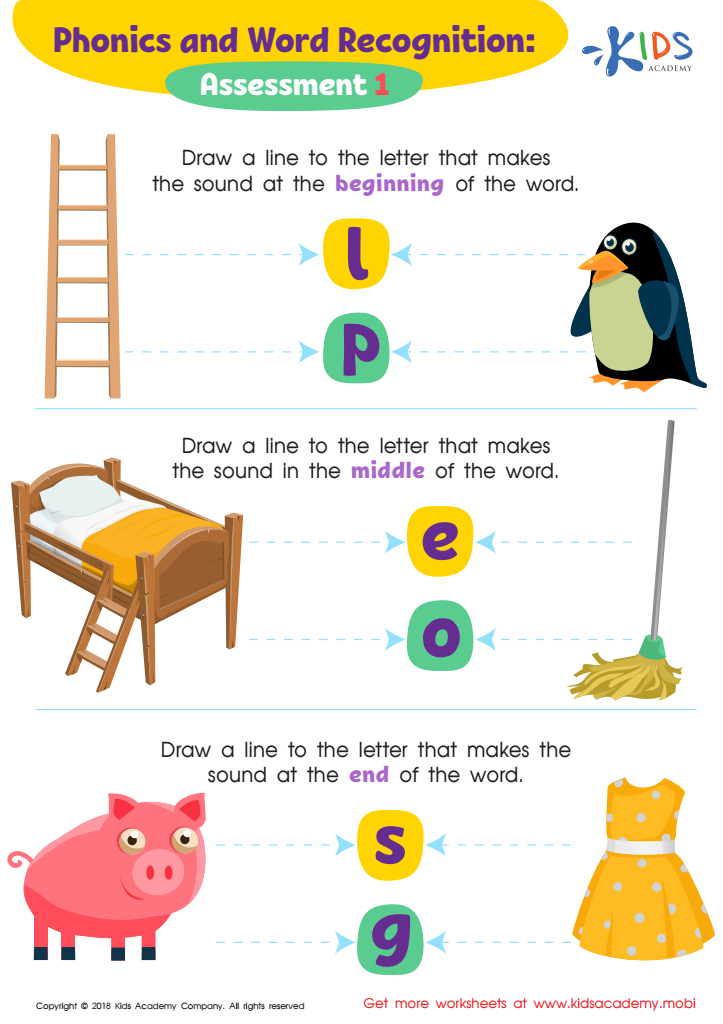
Phonics and Word Recognition: Assessment 1 ELA Worksheet








Word identification is a crucial skill for children ages 5-8, as it serves as the foundation for literacy development. At this age, children are beginning to read independently, and their ability to recognize and understand words significantly influences their comprehension and overall academic success. Teachers and parents should care about word identification for several reasons.
Firstly, effective word identification fosters confidence in reading. When children can quickly recognize words, they become more willing to engage with texts, thereby enhancing their love for reading and exploration of new ideas. Secondly, strong word identification skills facilitate vocabulary expansion, which is essential for communication and expressing thoughts effectively.
Moreover, word identification is linked to other crucial skills, such as spelling, writing, and listening. Early intervention and support in this area can prevent future academic difficulties, ensuring that children are well-prepared for more complex reading assignments.
Additionally, monitoring progress in word identification helps educators and parents identify areas where a child may need extra support, allowing for targeted interventions. Ultimately, fostering word identification during these formative years sets students on a path toward lifelong learning and achievement, making it a critical focus for educators and parents alike.








