Cultural awareness Normal Math Worksheets for Ages 5-8
3 filtered results
-
From - To
Introducing our "Cultural Awareness Math Worksheets for Ages 5-8". These engaging worksheets blend essential math skills with exciting cultural explorations, making learning both educational and globally enriching. Designed specifically for young learners, these activities feature vibrant illustrations and simple, relatable scenarios that promote understanding and appreciation of diverse cultures. Children will enjoy solving math problems while discovering new traditions, languages, and practices from around the world. Perfect for classroom use or at-home enrichment, these worksheets aim to foster a well-rounded perspective in young minds, nurturing both academic and socio-cultural growth. Empower your child's learning journey with us today!
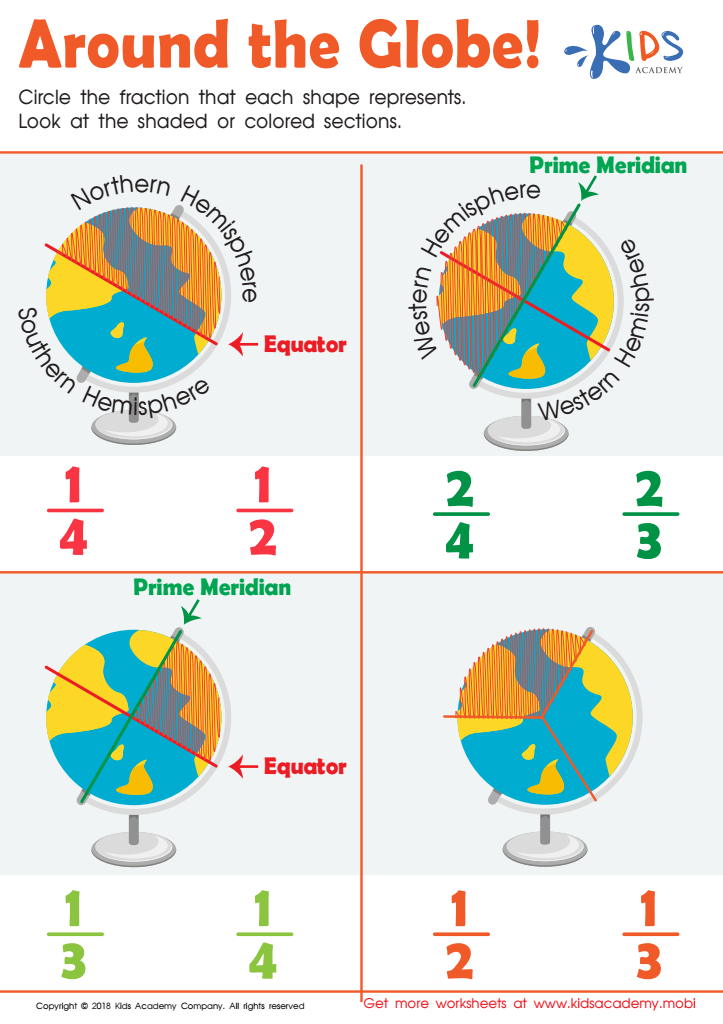
Around the Globe Worksheet
 Assign to My Students
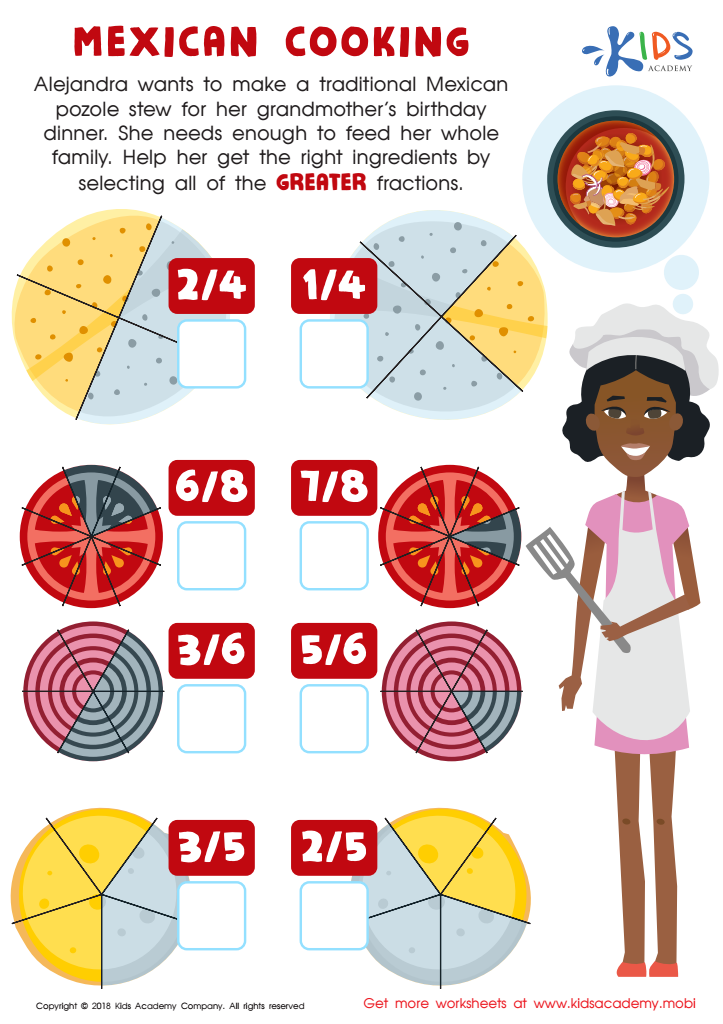
Mexican Cooking Worksheet
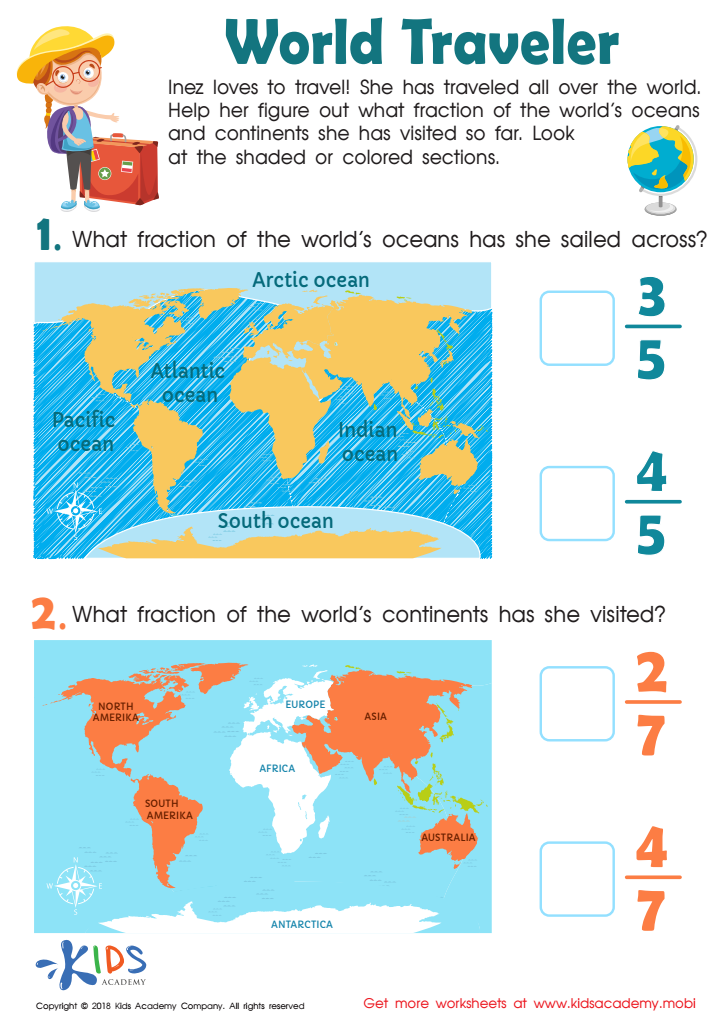
World Traveler Worksheet







Cultural awareness and inclusivity in math education for young children, aged 5-8, have profound benefits that extend beyond academic achievement. At this critical developmental stage, kids are impressionable and form foundational perspectives about the world around them. Integrating cultural awareness into math education nurtures empathy, respect, and an appreciation for diversity. By exposing children to a variety of cultural contexts, we can broaden their understanding of different ways of thinking and solving problems. For example, incorporating examples from diverse cultures, such as traditional counting systems or geometric patterns in art, makes math relatable and exciting, while fostering a sense of global interconnectedness.
Moreover, culturally responsive teaching strategies can make math more accessible and engaging for students from diverse backgrounds. When children see their cultural experiences reflected in their lessons, they feel valued and motivated to participate actively, bolstering their confidence and enthusiasm for learning. This approach can help bridge educational gaps, ensuring equitable learning opportunities for all students.
For parents and teachers, prioritizing cultural awareness in math—is not just an educational best practice, but also a tool for cultivating open-minded, empathetic adults. It equips them with essential life skills, such as critical thinking, creativity, and collaborative problem-solving, preparing them for success in a diverse, interconnected world.








