Logical Reasoning Normal Building Vocabulary Worksheets for Ages 5-8
4 filtered results
-
From - To
Enhance your child's linguistic and cognitive abilities with our "Logical Reasoning Normal Building Vocabulary Worksheets for Ages 5-8". Carefully designed by educational experts, these worksheets combine vocabulary building with logical reasoning exercises to develop crucial language skills. Perfect for young learners aged 5-8, each activity encourages problem-solving, critical thinking, and vocabulary expansion in engaging and fun ways. Whether for classroom use or home practice, our worksheets are an excellent resource to support your child's educational journey, ensuring they build a strong vocabulary foundation while sharpening their logical reasoning skills. Download now and watch them learn with confidence!
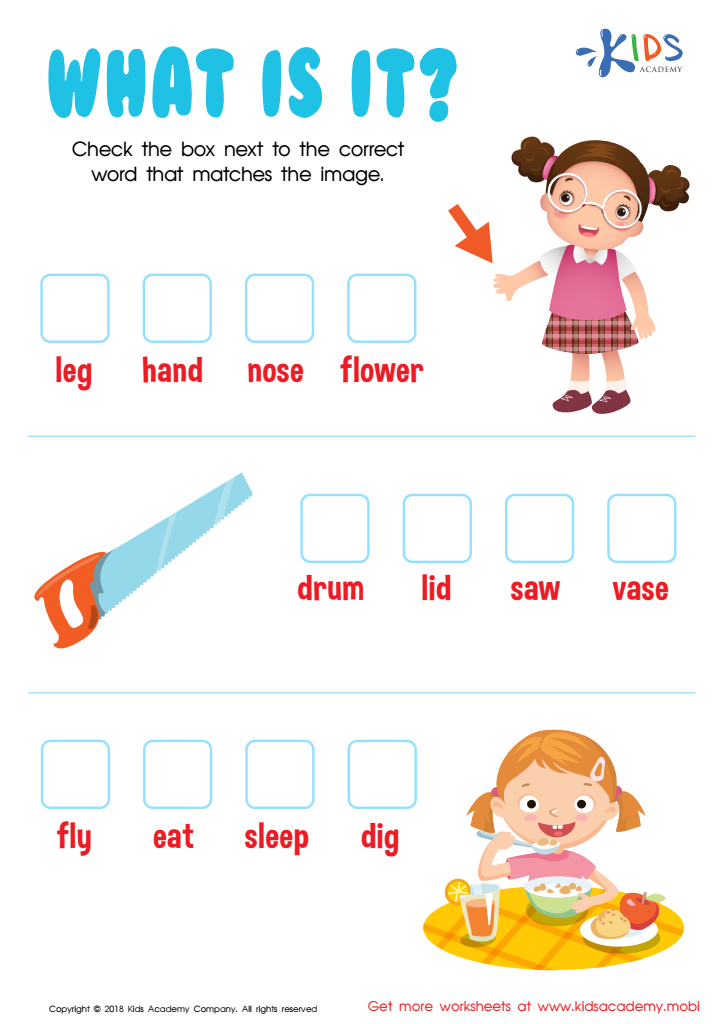
What Is It? Worksheet
 Assign to My Students











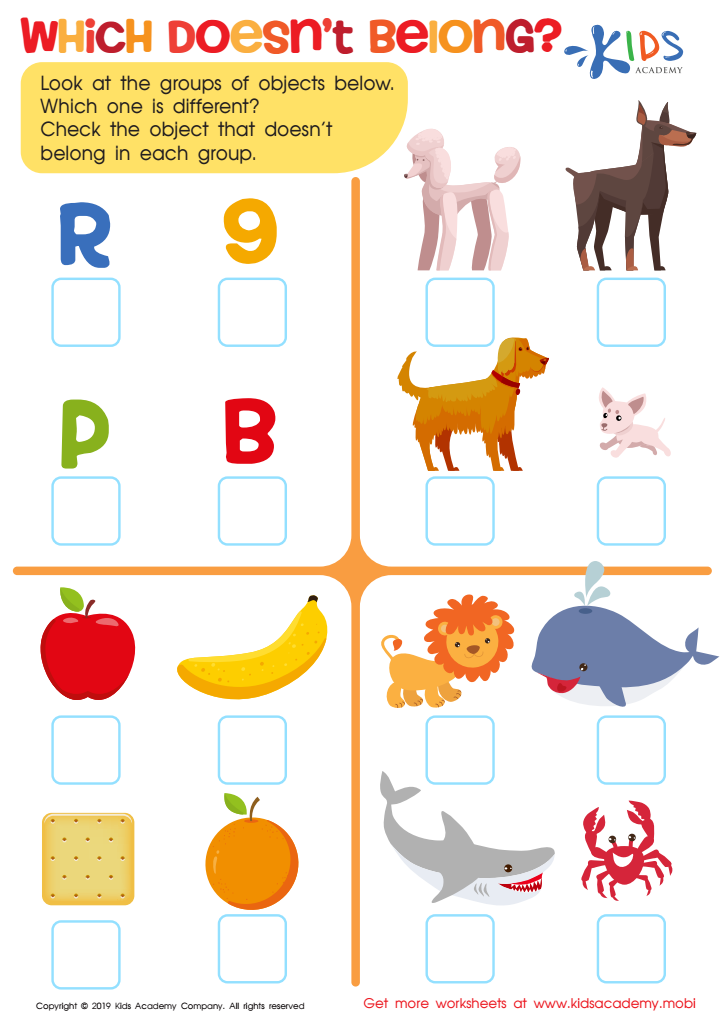
Which Doesn't Belong? Worksheet
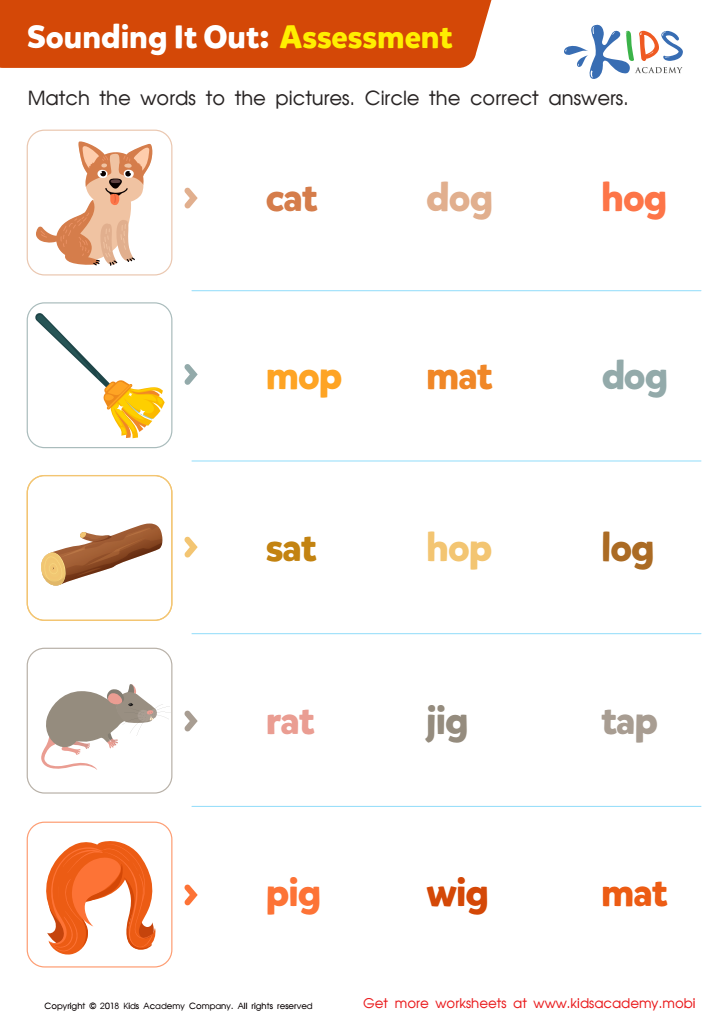
Sounding it Out: Assessment Worksheet
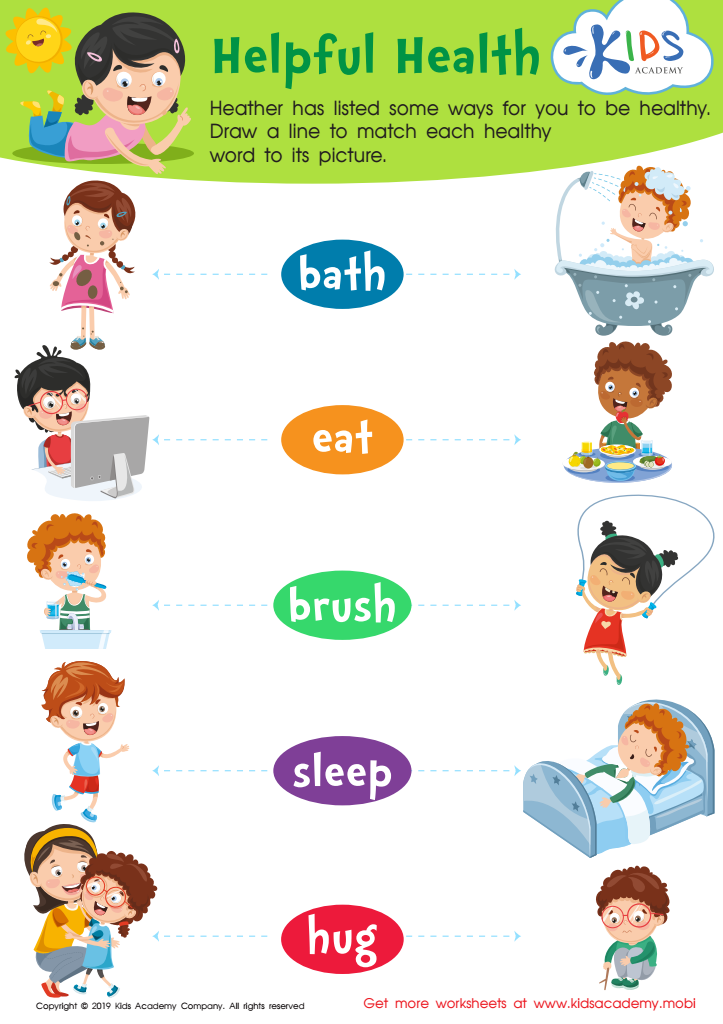
Helpful Health Worksheet








Logical reasoning and vocabulary development in young children aged 5-8 are critical for several reasons. Both abilities lay the foundation for future learning and cognitive skills.
Firstly, logical reasoning helps children to process information, solve problems, and understand the cause-and-effect relationships that are prevalent in many real-world scenarios. This skill not only supports academic success in subjects like mathematics and science but also enhances their ability to make decisions and think critically in everyday life.
Secondly, vocabulary development is crucial for effective communication and literacy. A rich vocabulary enables children to express themselves more clearly and understand others better. It also enhances reading comprehension, which is vital for all areas of learning. When children know the meaning of a wide range of words, they can more easily grasp new concepts and make connections between ideas.
Moreover, vocabulary and logical reasoning are interconnected; a strong vocabulary supports better reasoning skills. When children know and understand more words, they can classify, compare, and infer with greater accuracy.
Finally, these skills contribute to social and emotional development. Children with strong logical reasoning and vocabulary are better equipped to navigate social interactions, understand rules and expectations, and articulate their thoughts and feelings.
Parents and teachers should prioritize these areas to build a holistic foundation for lifelong learning and development.








