
Animal recognition Normal Reading Worksheets for Ages 5-8
3 filtered results
Difficulty Level
Grade
Age
-
From - To
Subject
Activity
Standards
Enhance your child's reading skills with our "Animal Recognition Normal Reading Worksheets" designed specifically for ages 5-8! These engaging worksheets help young learners identify various animals while building essential literacy abilities. Each worksheet combines fun activities with educational content, encouraging children to read, match, and categorize different animals. With vibrant illustrations and age-appropriate language, kids will enjoy exploring the animal kingdom while reinforcing their reading comprehension. Perfect for classroom use or at-home learning, our worksheets support developmental milestones in a enjoyable way. Foster a love for reading and nature in your child today with our interactive and versatile resources!
Favorites
With answer key
Interactive
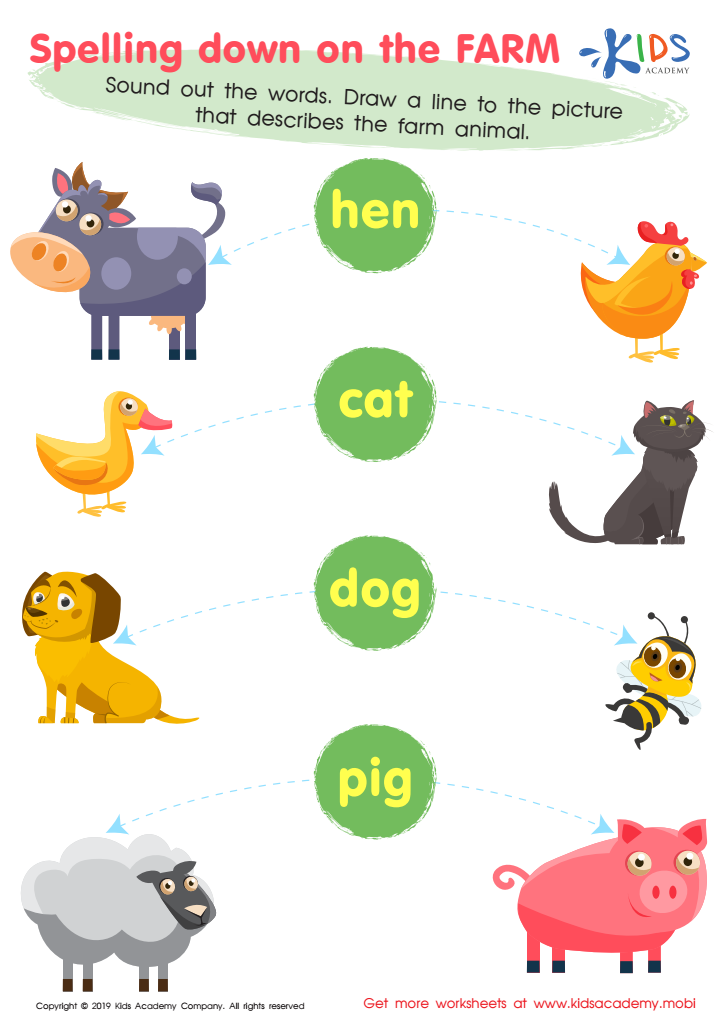
Spelling Down on the Farm Worksheet
Want to help your kids nail their spelling? Introduce them to this farm animal worksheet! Get them to look at the animals in the tracing sheet, name them and then sound out the words. Have them draw a line to the picture that describes it. You'll be surprised at how quickly their skills improve.
 Assign to My Students
Spelling Down on the Farm Worksheet
Worksheet
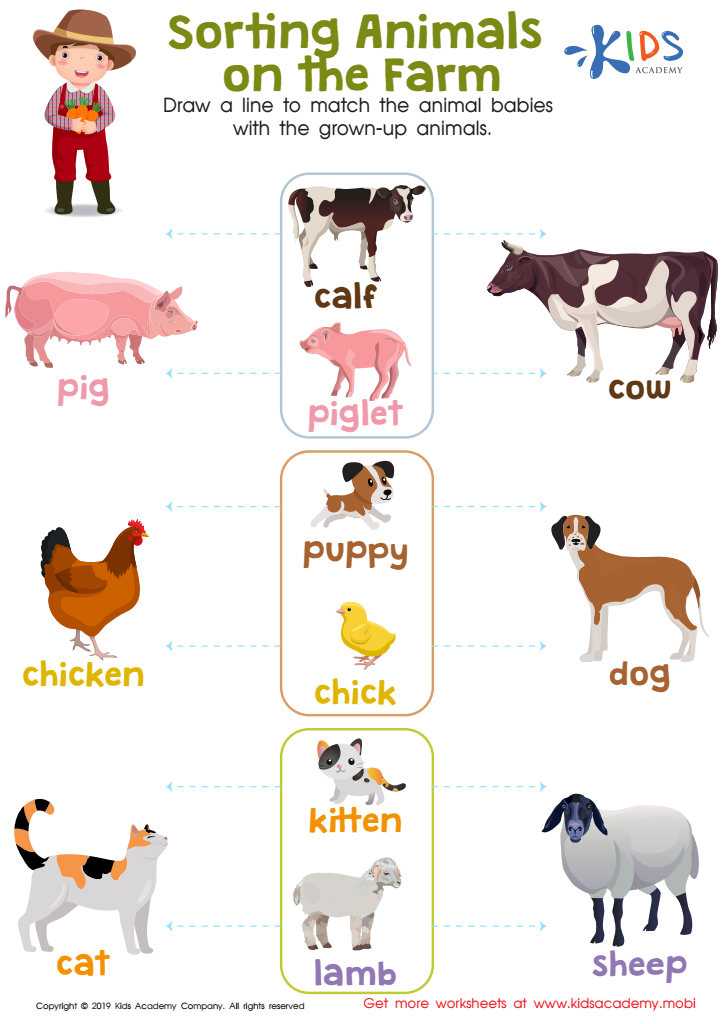
Sorting Animals on the Farm Worksheet
This PDF worksheet engages preschoolers in a fun activity to match Mama farm animals with their babies, strengthening their sorting and patterning skills. They'll learn to recognize rules and relationships, while gaining familiarity with animal-related words.
Sorting Animals on the Farm Worksheet
Worksheet
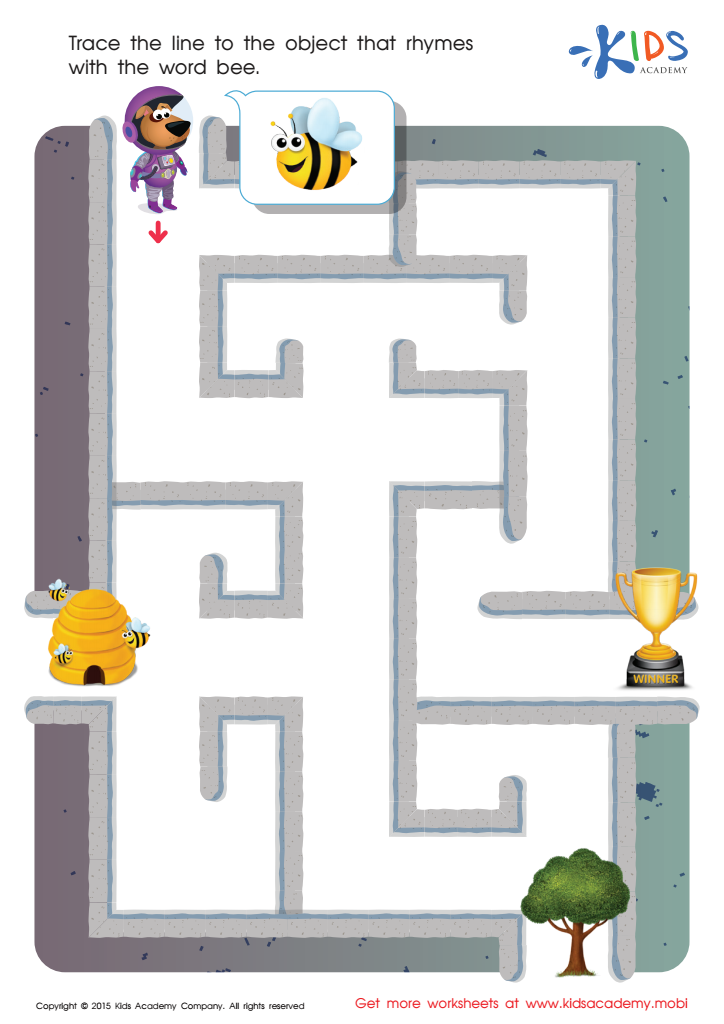
Bee Rhyming Words Worksheet
Download our new vocab builder worksheet and help our pup find rhymes. See how easy it is to trace the root between words! Make learning fun with our collection of English materials and worksheets. Get them now on our web site.
Bee Rhyming Words Worksheet
Worksheet
Join Kids Academy for Free
Who is primarily going to use this learning content?







Animal recognition is an essential part of early childhood education that captivates the interest of children aged 5-8. Parents and teachers should prioritize this learning area for several reasons. First, animal recognition fosters curiosity and a love for nature, helping children understand the diverse world around them. When they can identify and name different animals, they develop observational skills and can engage in more meaningful conversations about wildlife and ecosystems.
Additionally, studying animals can enhance literacy skills. Books with animal themes boost vocabulary, comprehension, and reading fluency. This age group enjoys vibrant illustrations and engaging stories, which can make learning to read a fun and interactive experience. Incorporating animal recognition into lessons provides context that encourages kids to read more.
Furthermore, recognizing animals and understanding their behavior cultivates empathy and care for living creatures. This fosters a sense of responsibility towards pets and conservation. Collaborative activities such as field trips to zoos or nature parks also strengthen community bonds and create shared experiences.
Ultimately, highlighting animal recognition in reading builds foundational skills for academic success while nurturing important social values, making it a vital component of both parenting and teaching strategies.








