Fine Motor Skills Normal Reading Worksheets for Ages 5-8
15 filtered results
-
From - To
Enhance your child’s fine motor skills with our engaging and educational reading worksheets designed for ages 5-8. Our expertly crafted worksheets focus on developing essential fine motor skills through fun and interactive reading activities. These resources support the growth of your child's reading proficiency while fostering critical hand-eye coordination and dexterity. Ideal for both classroom and home use, our worksheets feature a range of exercises including tracing, cutting, and coloring tasks, all aligned with their reading practice. Perfect for nurturing young learners' confidence and abilities, these worksheets are a valuable tool in your child's early education journey.
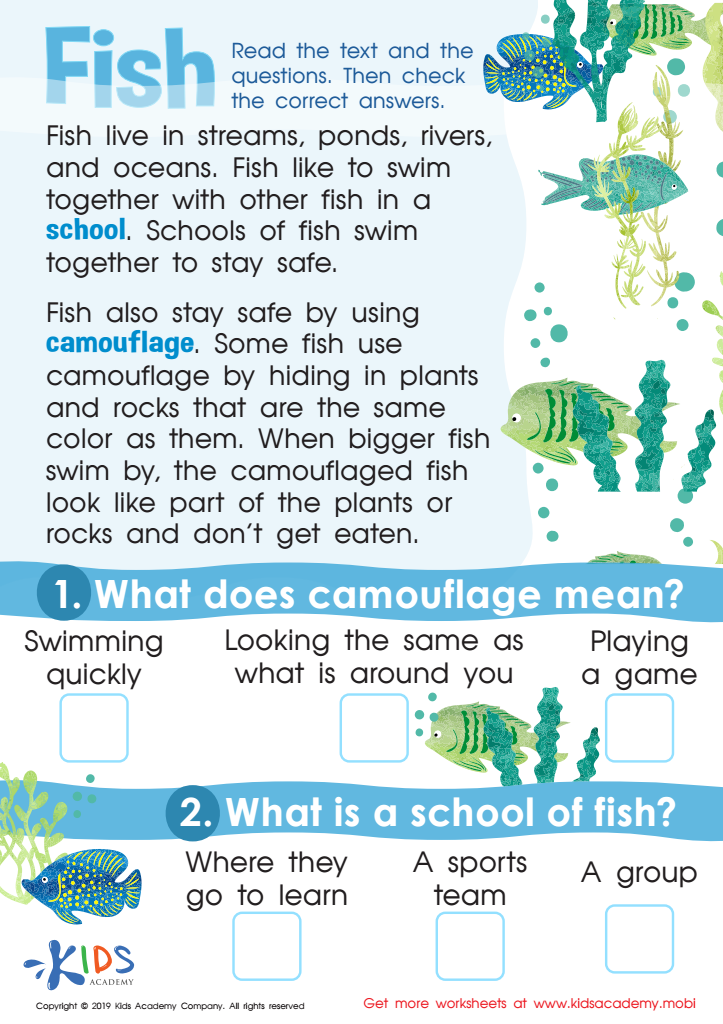
Fish Worksheet

Twinkle Twinkle Little Star Coloring Page
 Assign to My Students
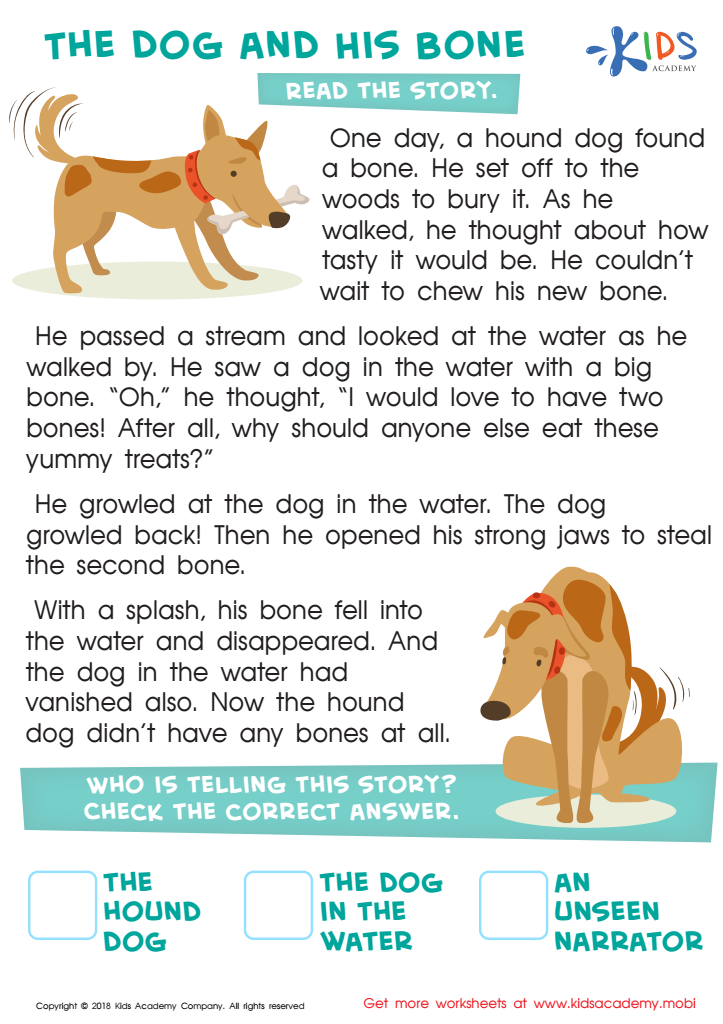
The Dog and His Bone Worksheet
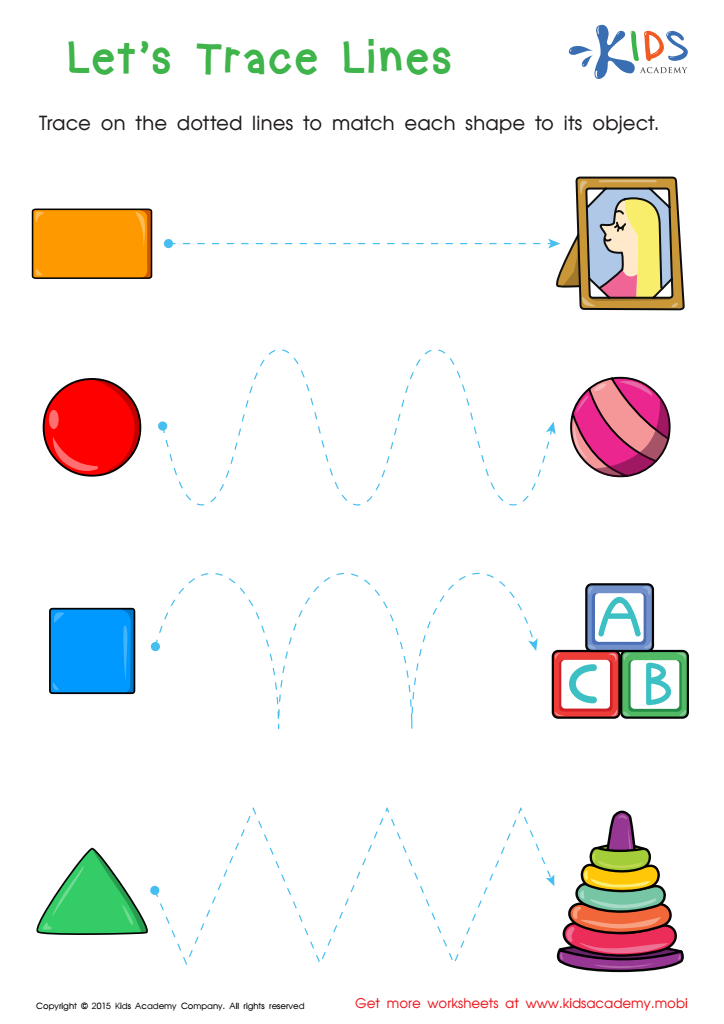
First Words: Let's Trace Lines Worksheet
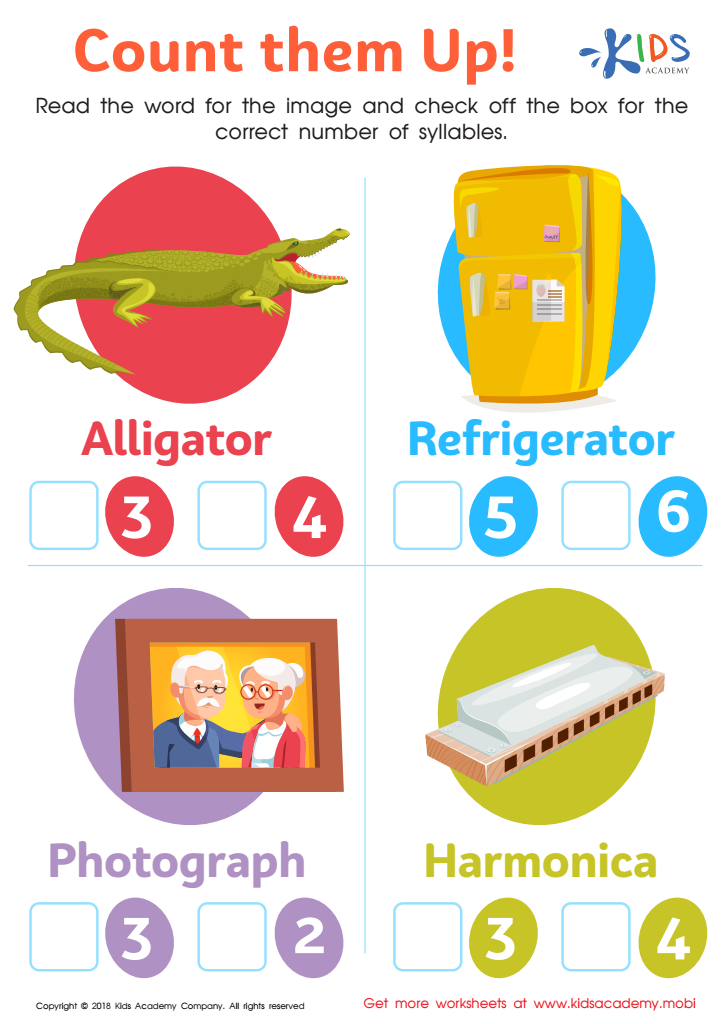
Count Them Up Worksheet

Long and Short U Worksheet
Assign to My Students
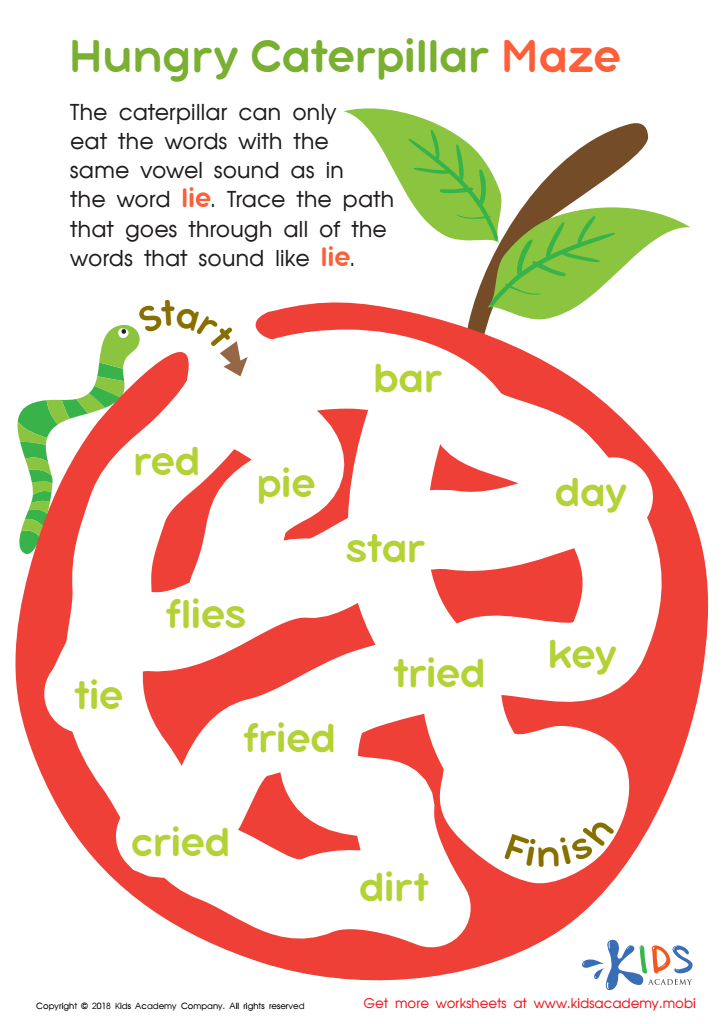
Hungry Caterpillar Maze Worksheet
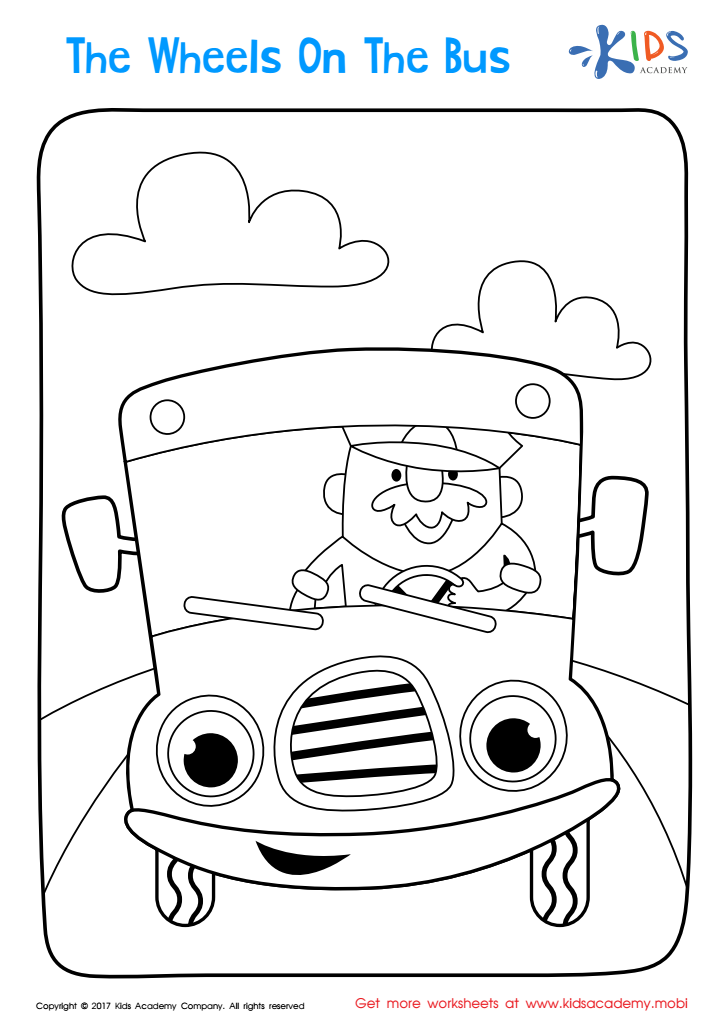
The Wheels on the Bus Coloring Page
Assign to My Students
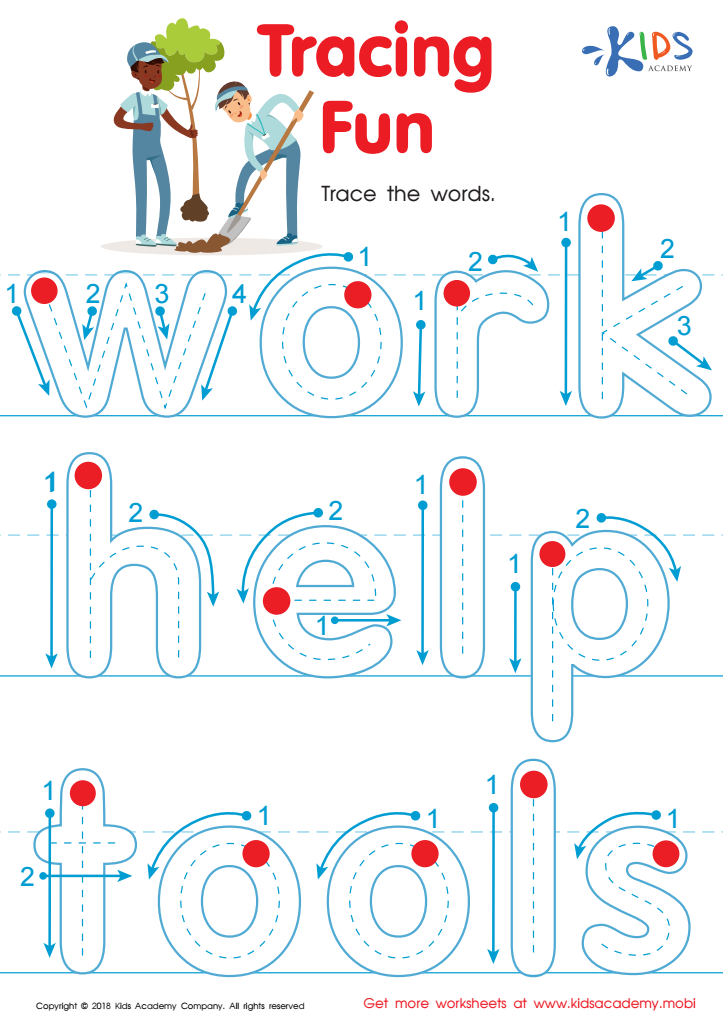
Tracing Fun Worksheet
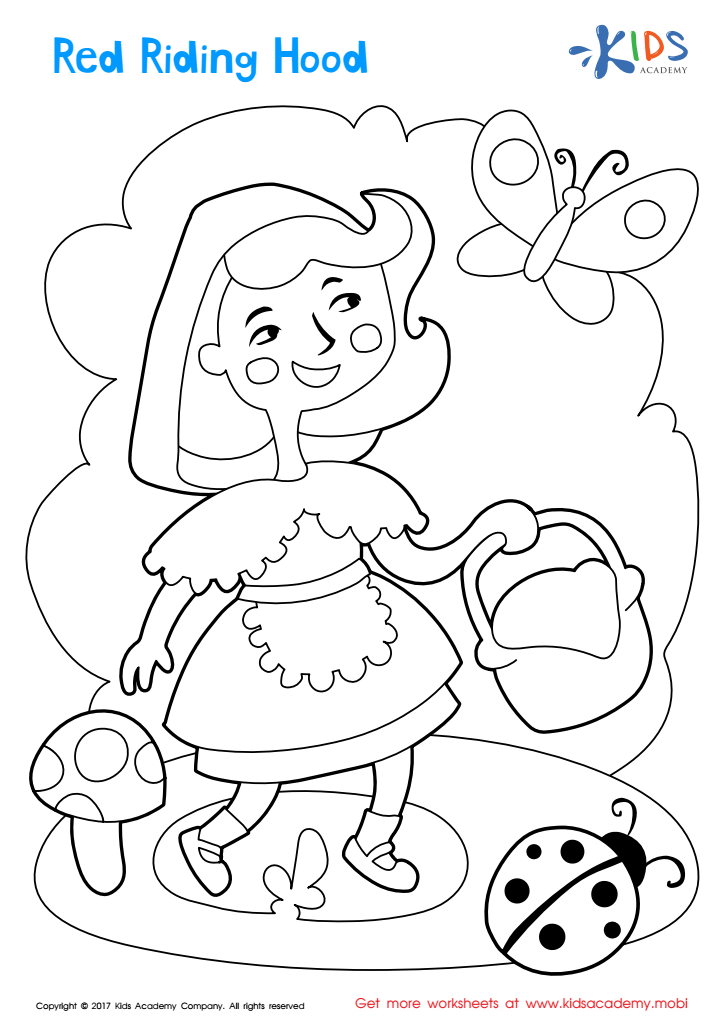
Red Riding Hood Coloring Page
Assign to My Students
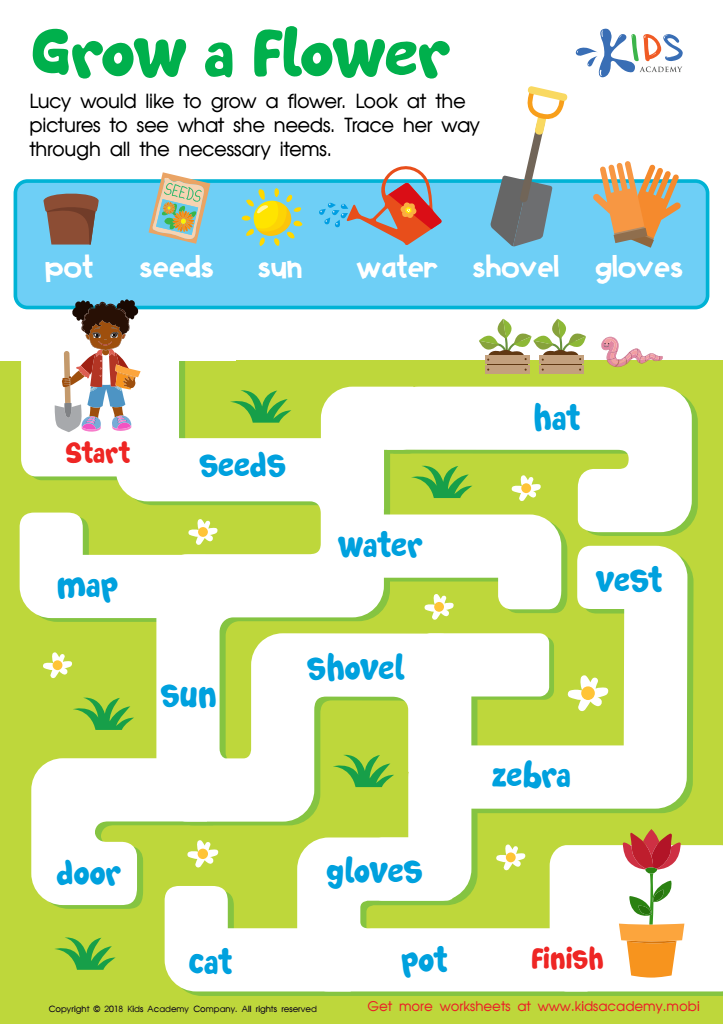
Grow a Flower Worksheet
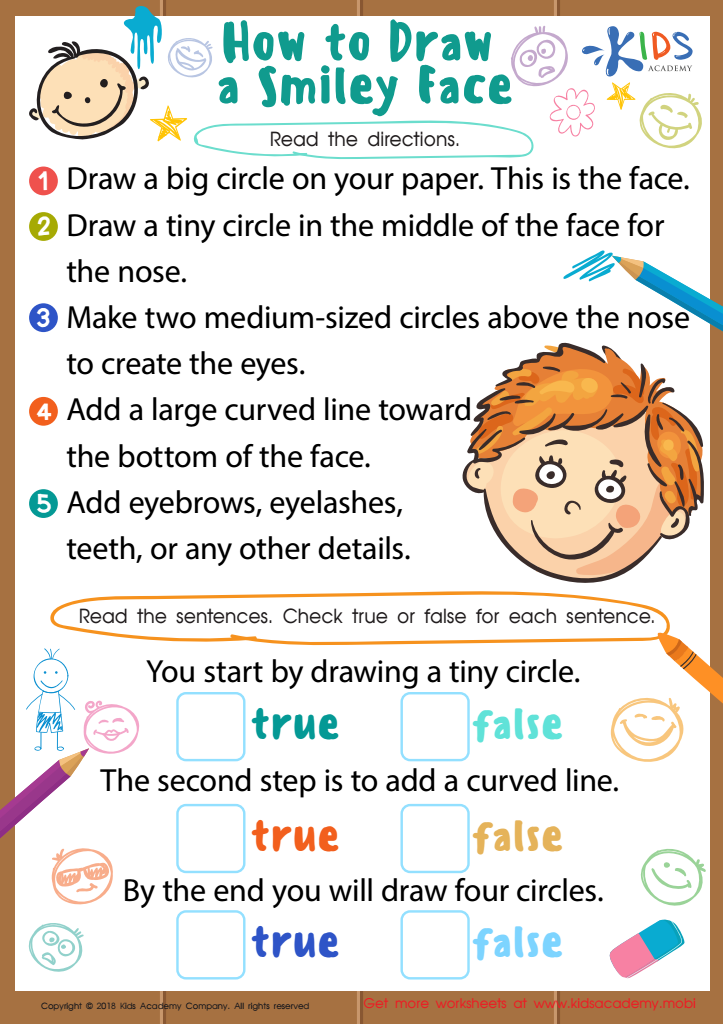
How to Draw a Smiley Face Worksheet
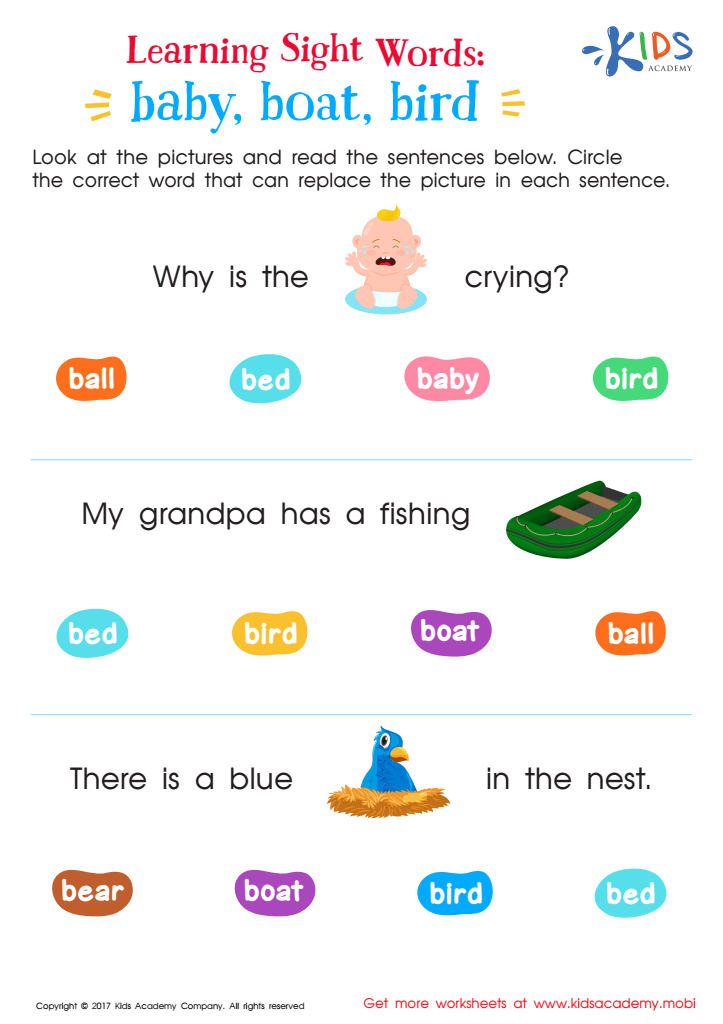
Baby, Boat, Bird Worksheet Sight Words Worksheet
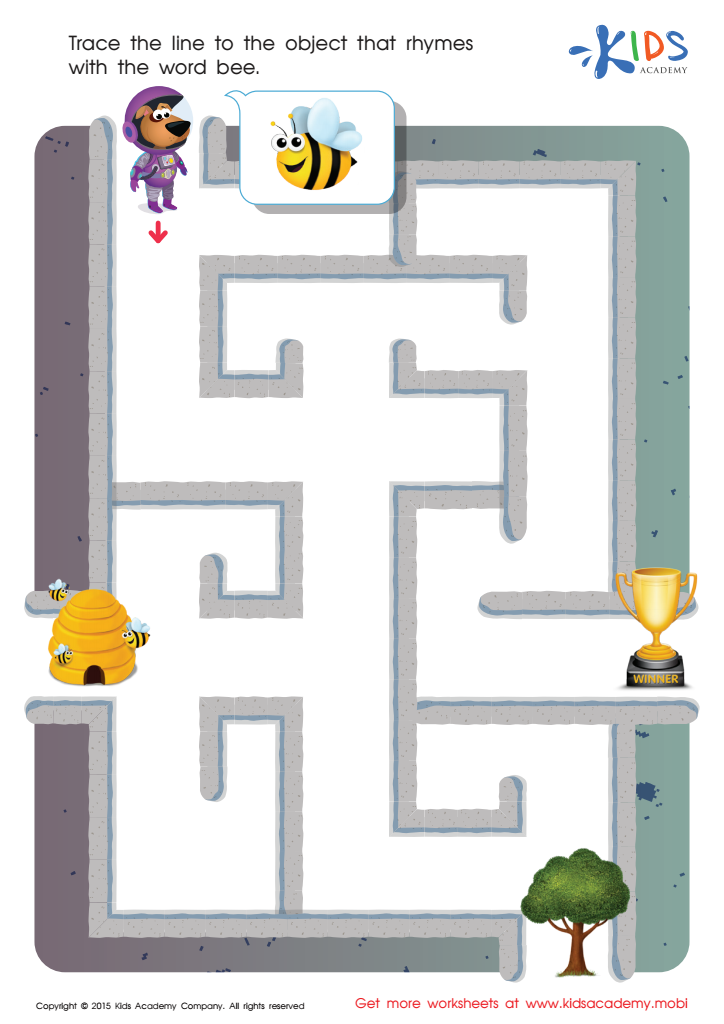
Bee Rhyming Words Worksheet
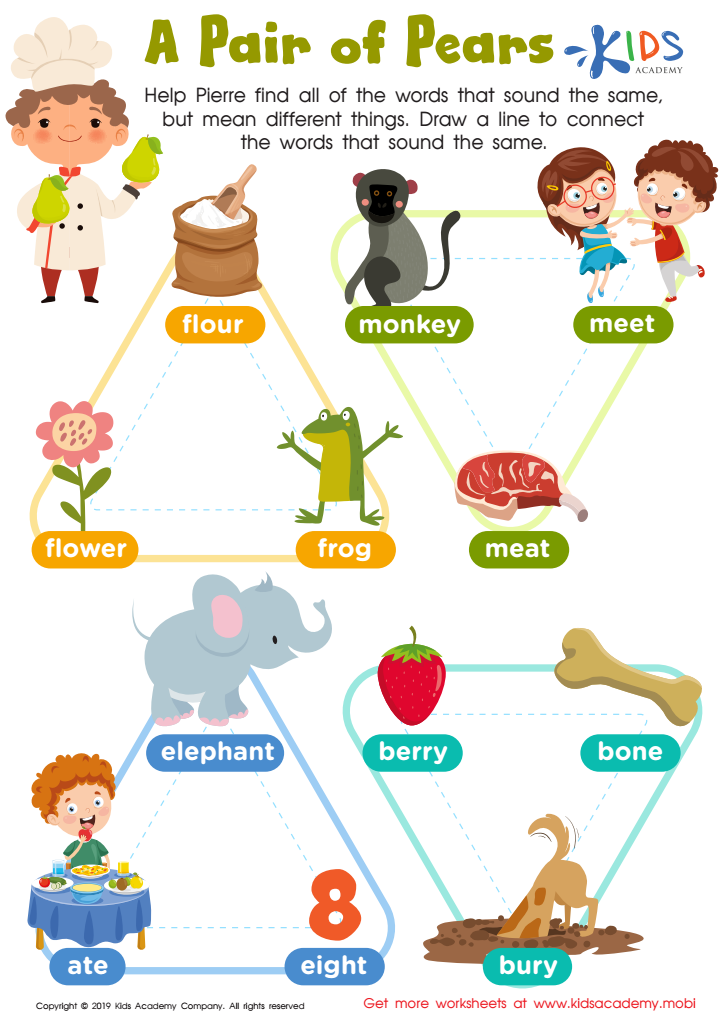
Pair Pears Worksheet


.jpg)





Fine motor skills in children aged 5-8 are crucial as they significantly impact daily activities and learning processes in both home and school environments. These skills involve the coordination of small muscles in the hands and fingers, essential for tasks such as writing, cutting, buttoning clothes, and typing. Adequate development of fine motor skills enhances a child's ability to perform these activities efficiently and independently, fostering self-confidence and a sense of accomplishment.
In the context of reading, fine motor skills facilitate the physical act of handling books, turning pages, and tracking sentences with a finger if needed. Good fine motor skills also support writing, which is integral to literacy development. The ability to hold a pencil correctly and write legibly allows children to express their ideas, complete assignments, and participate fully in classroom activities.
Moreover, fine motor activities such as drawing and crafting promote creativity and cognitive development. As children manipulate various tools and materials, they enhance their problem-solving abilities and spatial awareness.
Parents and teachers who prioritize nurturing fine motor skills provide children with the foundation for academic success and everyday functionality. Activities like puzzles, cutting paper, and building blocks can be both fun and educational, making the development process enjoyable while preparing kids for future challenges.








