Hand-eye Coordination Normal Reading Worksheets for Ages 5-8
5 filtered results
-
From - To
Enhance your child's learning journey with our Hand-eye Coordination Normal Reading Worksheets for ages 5-8! These engaging worksheets are designed to improve essential hand-eye coordination skills while reinforcing reading abilities. Perfect for young learners, our activities promote active participation and foster a love for reading. Each worksheet features interactive tasks that captivate children's attention, helping them develop fine motor skills and strengthen their comprehension. Ideal for home use or in the classroom, our resources support early education by combining fun with effective learning strategies. Download these worksheets today and watch your child's confidence and skills flourish as they embark on an exciting reading adventure!
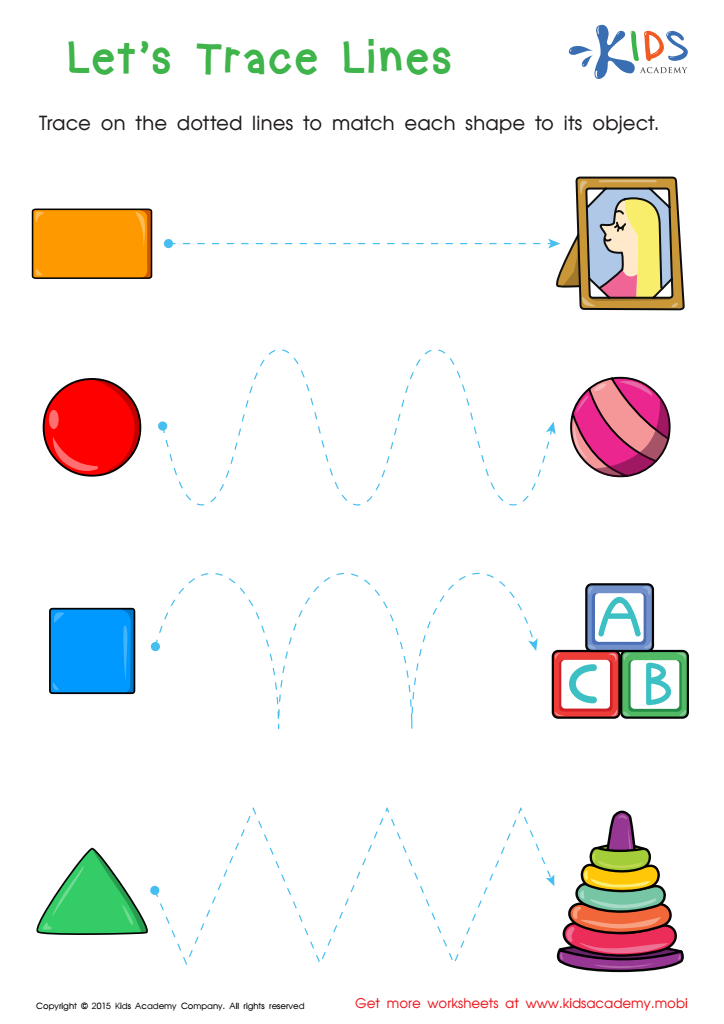
First Words: Let's Trace Lines Worksheet

Long and Short U Worksheet
 Assign to My Students
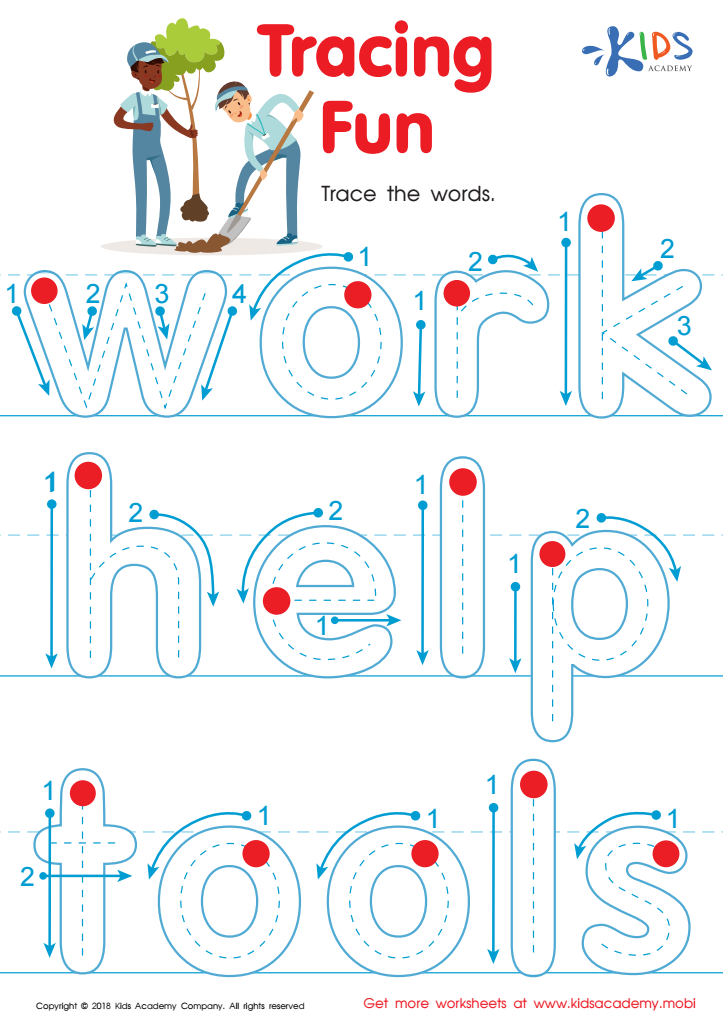
Tracing Fun Worksheet
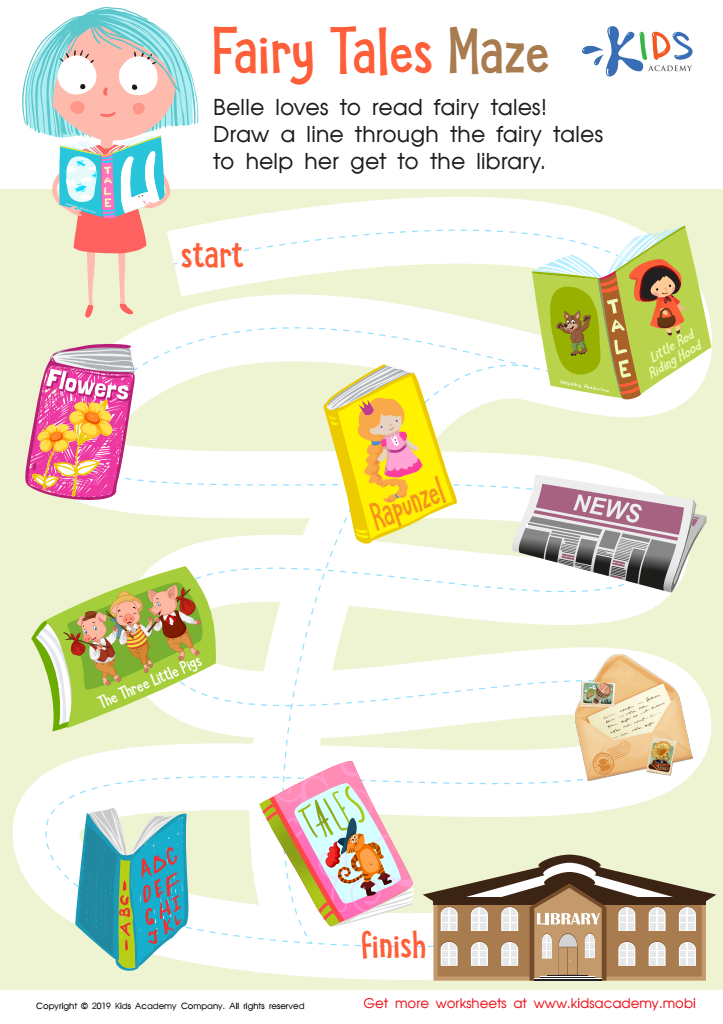
Fairy Tales Maze Worksheet
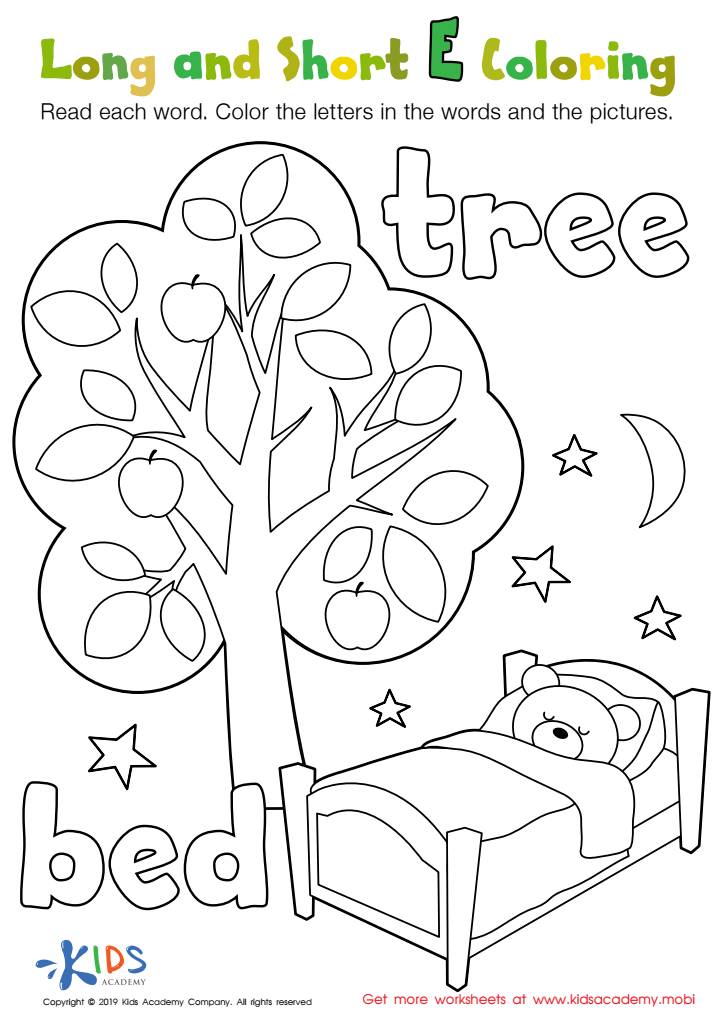
Long and Short E Worksheet
Assign to My Students




.jpg)


Hand-eye coordination is a crucial skill that significantly influences a child's reading abilities, particularly for those aged 5-8 years. This coordination involves the synchronized use of the eyes and hands to perform tasks, such as tracking words on a page or holding a book. During this developmental stage, children are honing their literacy skills, and hand-eye coordination plays a vital role in their ability to read fluently and comprehend text.
Parents and teachers should care about hand-eye coordination because it serves as the foundation for various literacy activities. Activities like writing, using scissors, and even turning pages require smooth and efficient coordination. Children with strong hand-eye coordination are often more confident and motivated learners, as they can focus on understanding the material rather than struggling with motor skills.
Investing time in fun activities like playing hand-eye coordination games—such as catching, bowling, or constructing objects—can significantly improve these skills and ultimately support better reading outcomes. Encouraging activities that promote this coordination helps children navigate their early academic journeys more effectively, laying the groundwork for future learning success. In short, fostering hand-eye coordination can lead to improved literacy skills, boosting a child's academic confidence and long-term educational achievements.








