Logical Reasoning Normal Reading Worksheets for Ages 5-8
11 filtered results
-
From - To
Explore our "Logical Reasoning Normal Reading Worksheets" specifically designed for children ages 5-8! These engaging worksheets enhance critical thinking and problem-solving skills while boosting reading comprehension. With fun, age-appropriate activities, kids will learn to analyze patterns, deduce information, and make connections between concepts. Each worksheet features captivating illustrations to keep young learners motivated and entertained. Ideal for classroom use or at-home learning, these resources are perfect for parents and educators who aim to cultivate logical reasoning abilities. Download our worksheets today and empower your child with the essential skills needed for academic success!
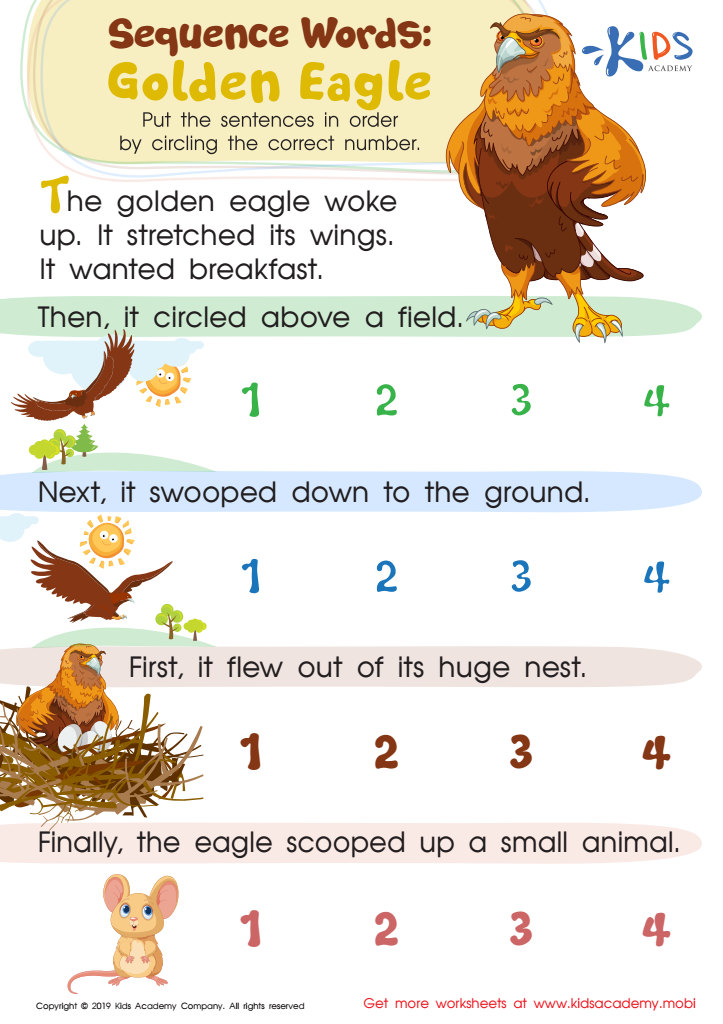
Sequence Word Eagle Worksheet
 Assign to My Students
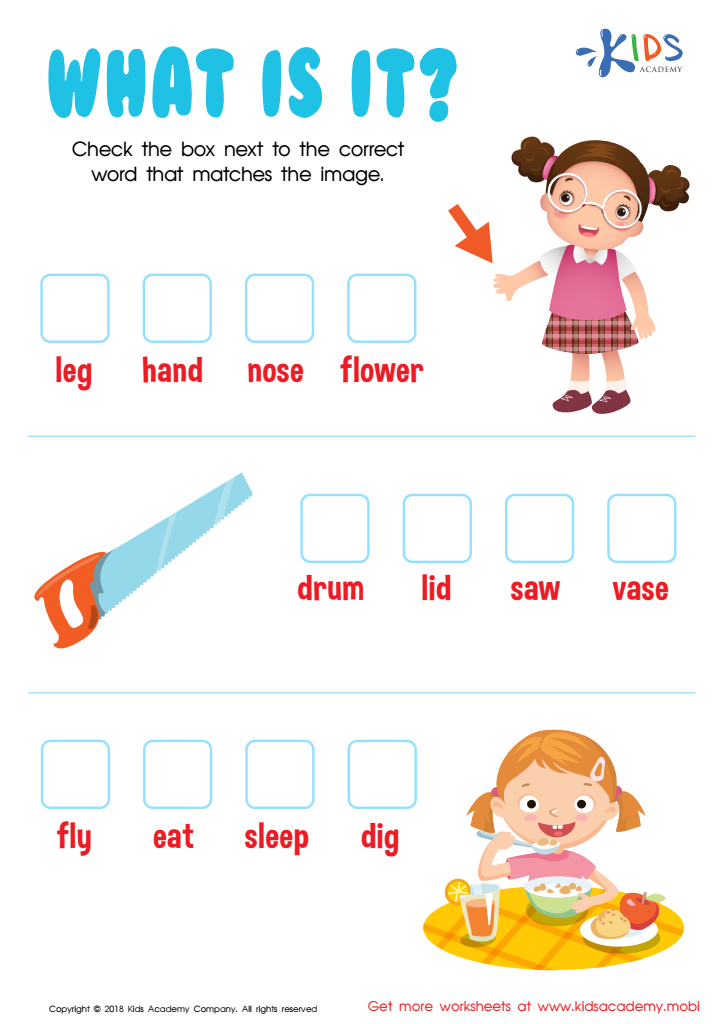
What Is It? Worksheet
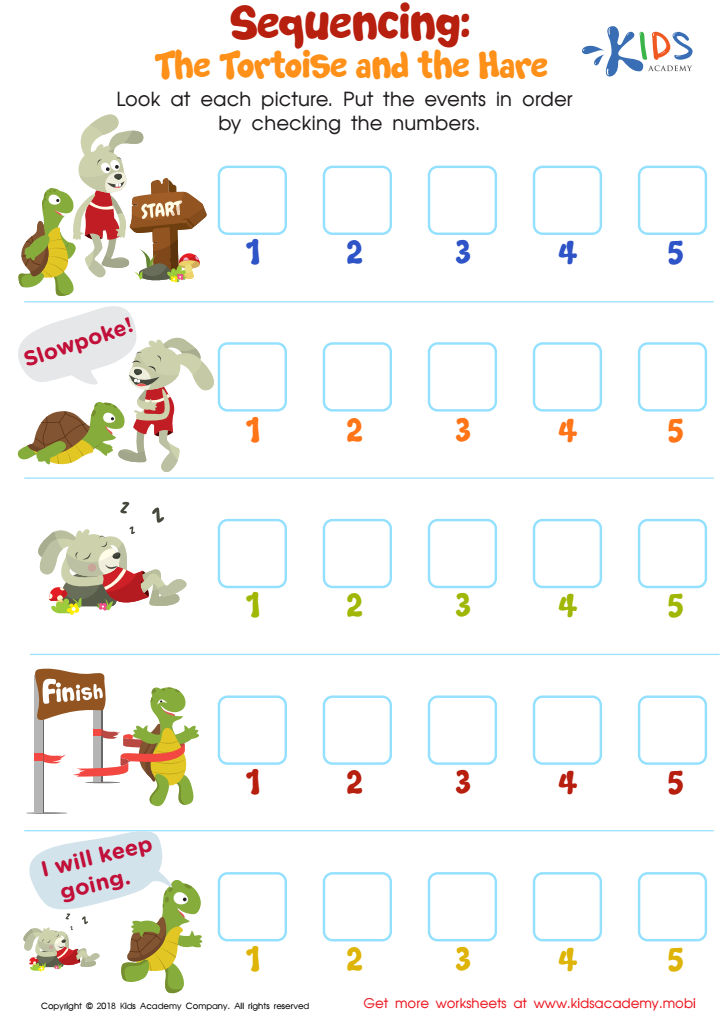
Sequencing: The Tortoise and the Hare Worksheet
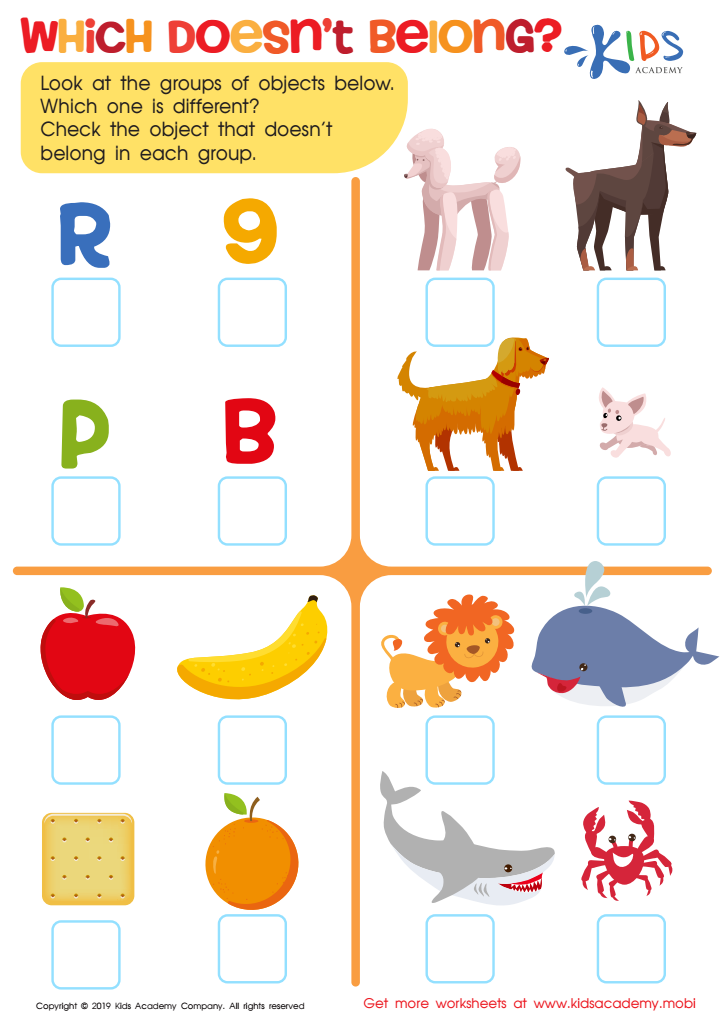
Which Doesn't Belong? Worksheet
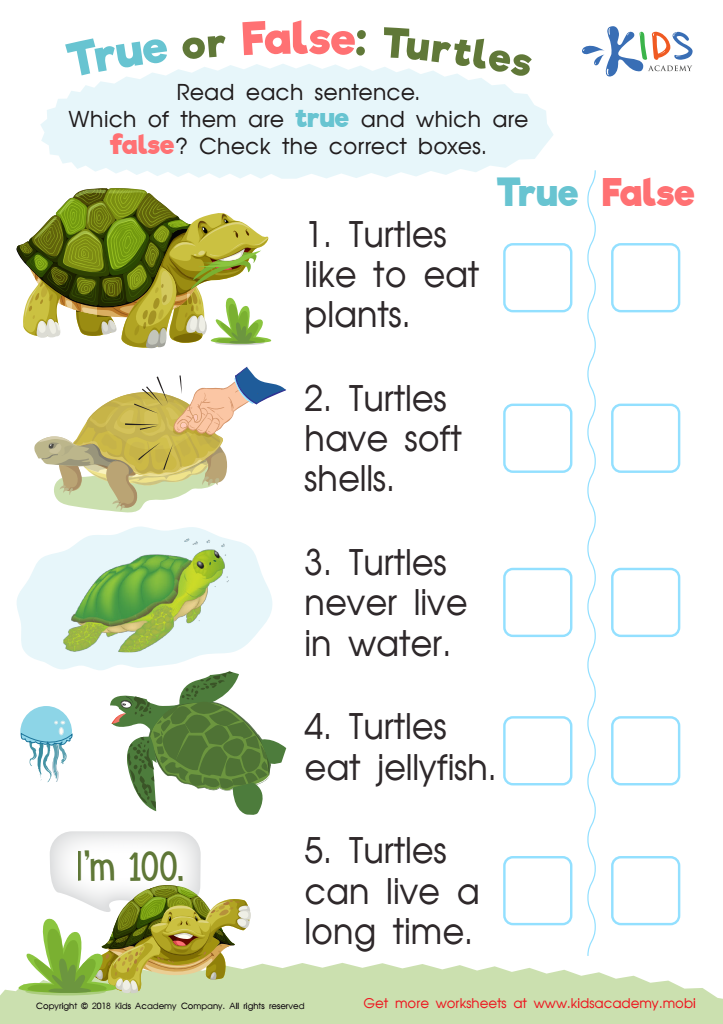
True or False: Turtles Worksheet
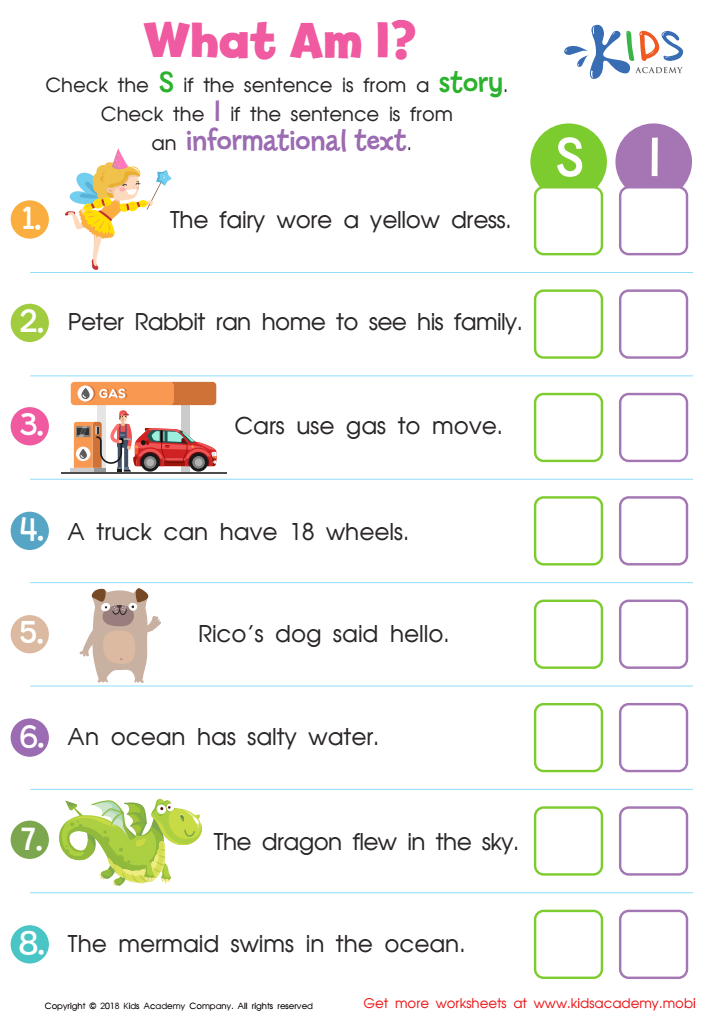
What Am I? Worksheet
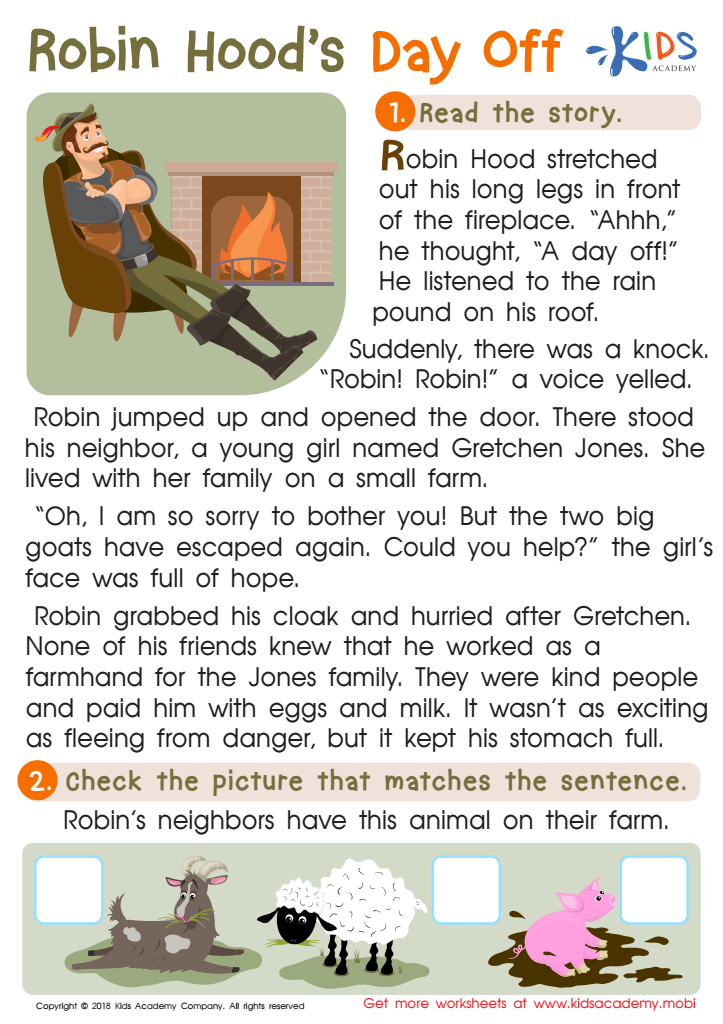
Robin Hood's Day Off Worksheet
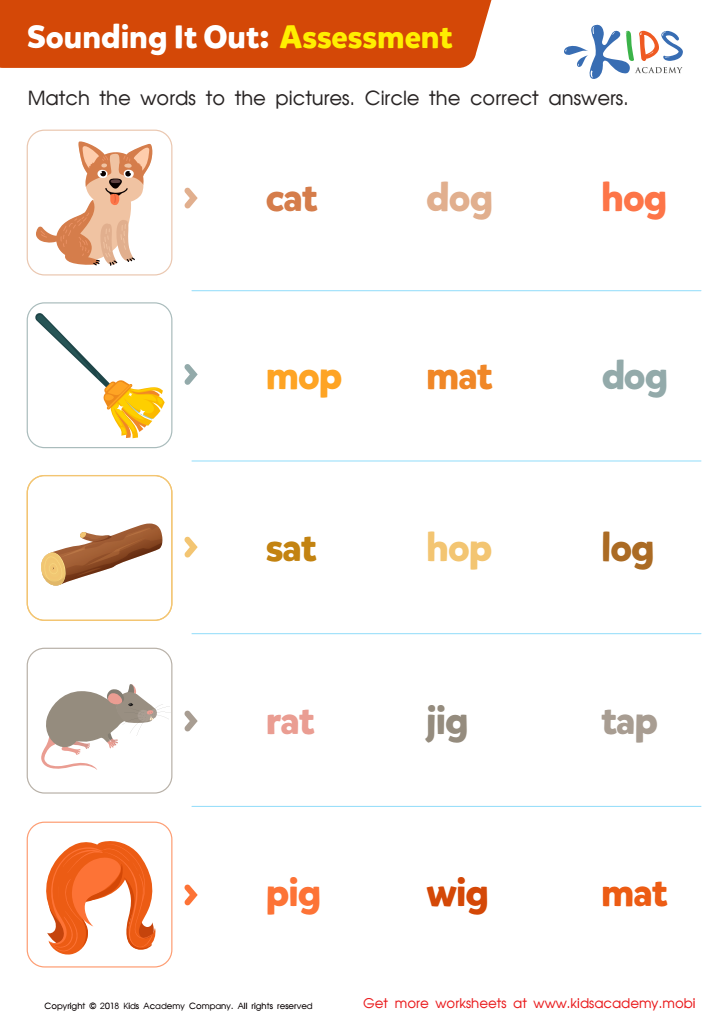
Sounding it Out: Assessment Worksheet
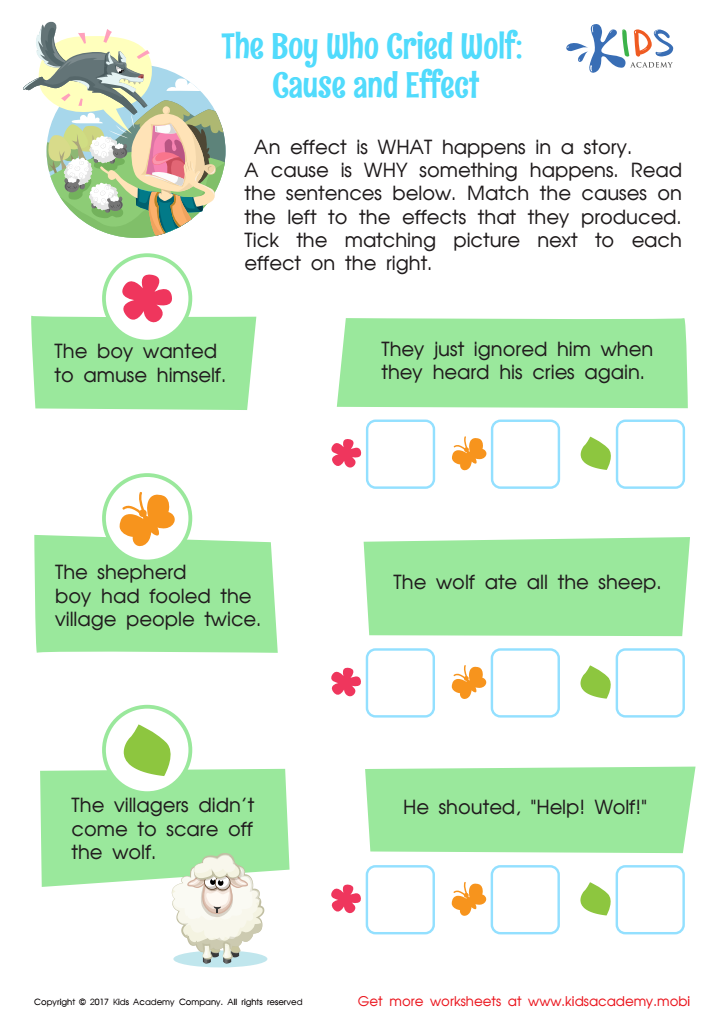
The Boy Who Cried Wolf: Cause and Effect Worksheet
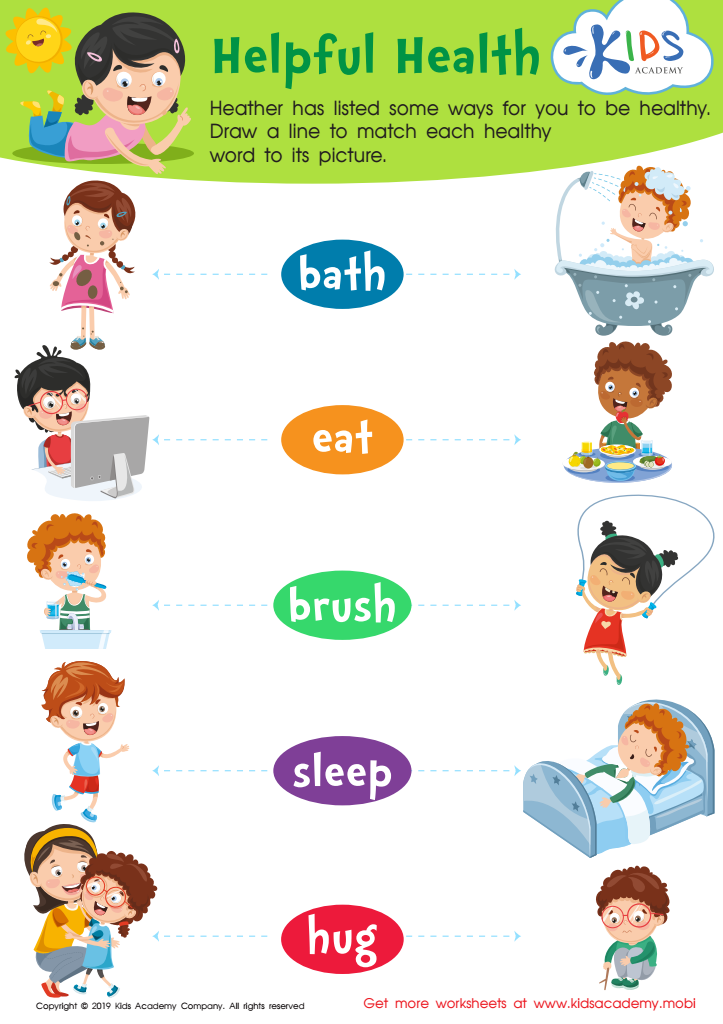
Helpful Health Worksheet
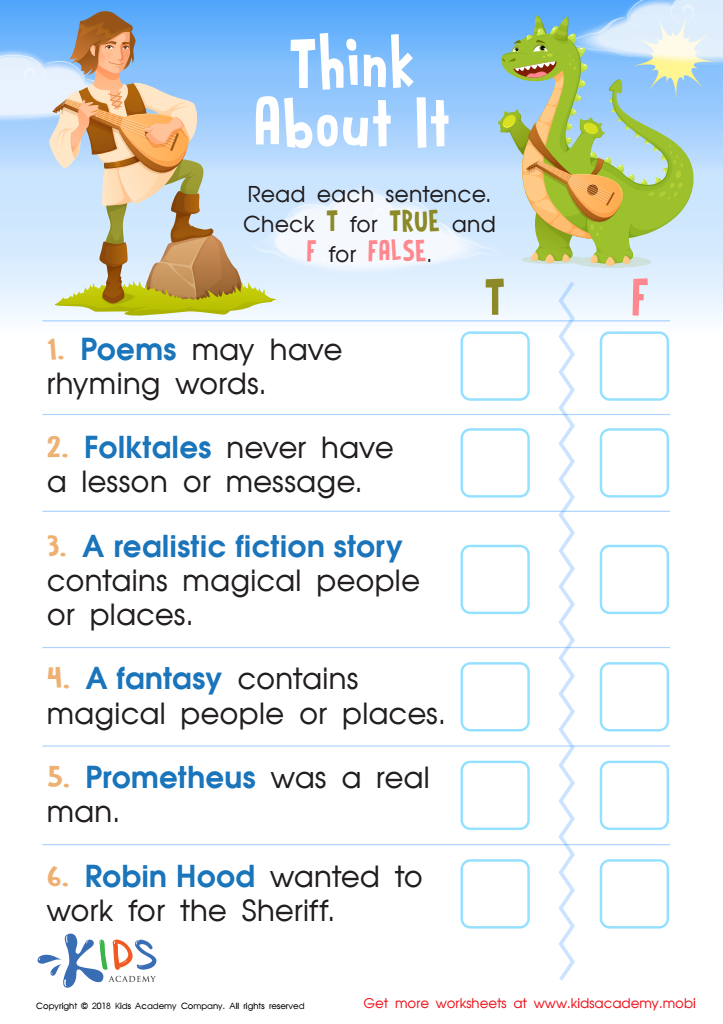
Think About It: Assessment Worksheet







Logical reasoning is a critical skill that lays the foundation for a child's cognitive development, particularly in children aged 5-8. This stage is crucial as children begin to make sense of the world around them and develop problem-solving abilities. Parents and teachers should care deeply about integrating logical reasoning into normal reading activities for several reasons.
Firstly, logical reasoning enhances comprehension. When children engage with stories that require them to think logically about characters' actions or story plots, they improve their understanding and retention of the material. This skill will benefit them across subjects in school, particularly in mathematics and science.
Secondly, fostering logical reasoning nurtures critical thinking. Children learn to analyze situations, make connections, and predict outcomes, which are vital skills in today's complex world. This encourages a mindset of inquiry and curiosity, prompting children to explore and seek solutions actively.
Finally, logical reasoning also builds confidence. As children successfully make deductions or solve problems within reading contexts, they cultivate a sense of achievement, motivating them towards further learning efforts. Thus, by emphasizing logical reasoning through reading, parents and teachers empower children to develop essential life skills that will serve them well beyond the classroom.








