Analytical thinking Normal Reading Comprehension Worksheets for Ages 5-8
6 filtered results
-
From - To
Explore our engaging "Analytical Thinking Normal Reading Comprehension Worksheets" designed for children aged 5-8! These worksheets aim to enhance critical thinking and comprehension skills by encouraging young learners to analyze texts thoughtfully. Each activity fosters a love for reading while promoting an understanding of key concepts, characters, and story elements. With colorful illustrations and age-appropriate content, our worksheets captivate students' interest, making learning enjoyable and effective. Perfect for classroom use or at-home learning, these resources are ideal for encouraging deeper reading insights and developing essential analytical skills in your child’s educational journey. Start nurturing your child's analytical thinking today!
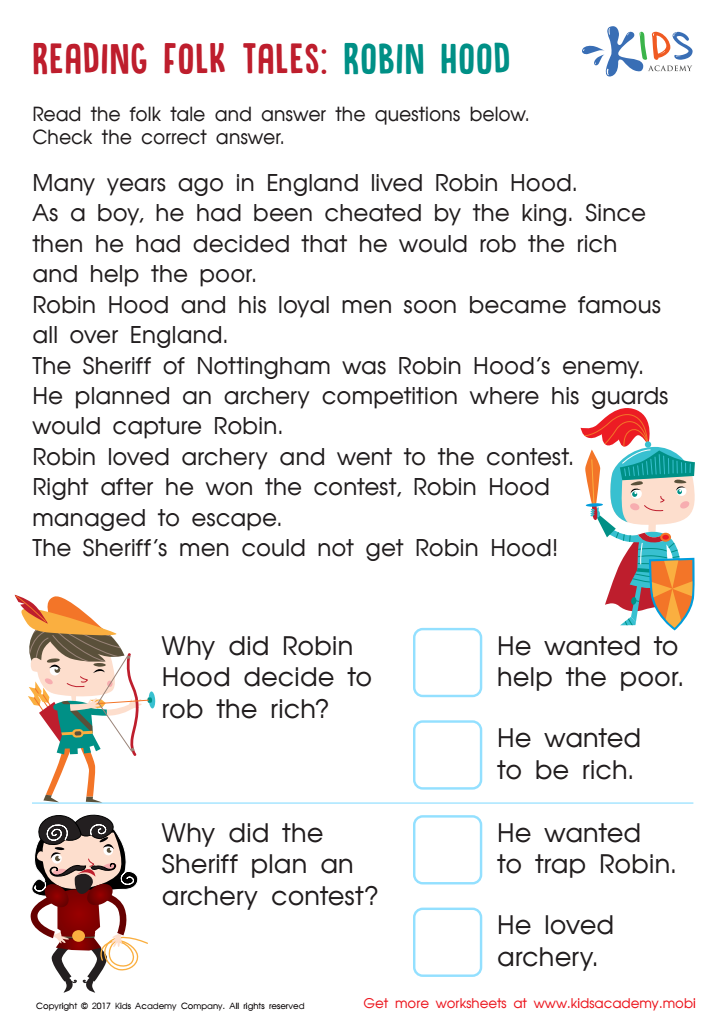
Robin Hood Folktale Worksheet
 Assign to My Students
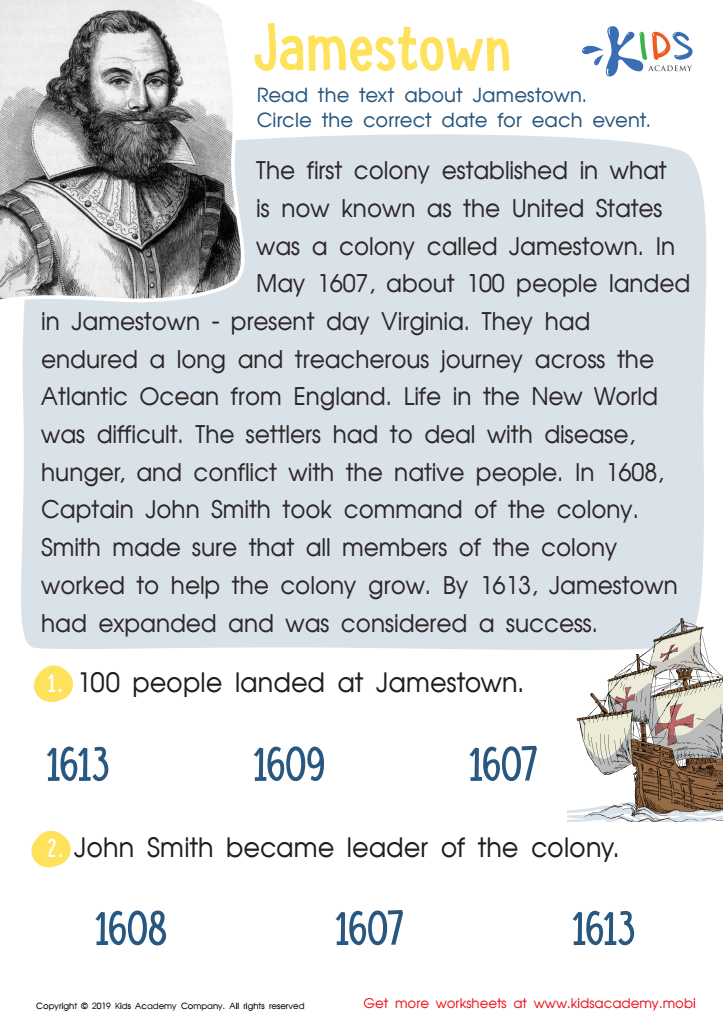
Jamestown Worksheet
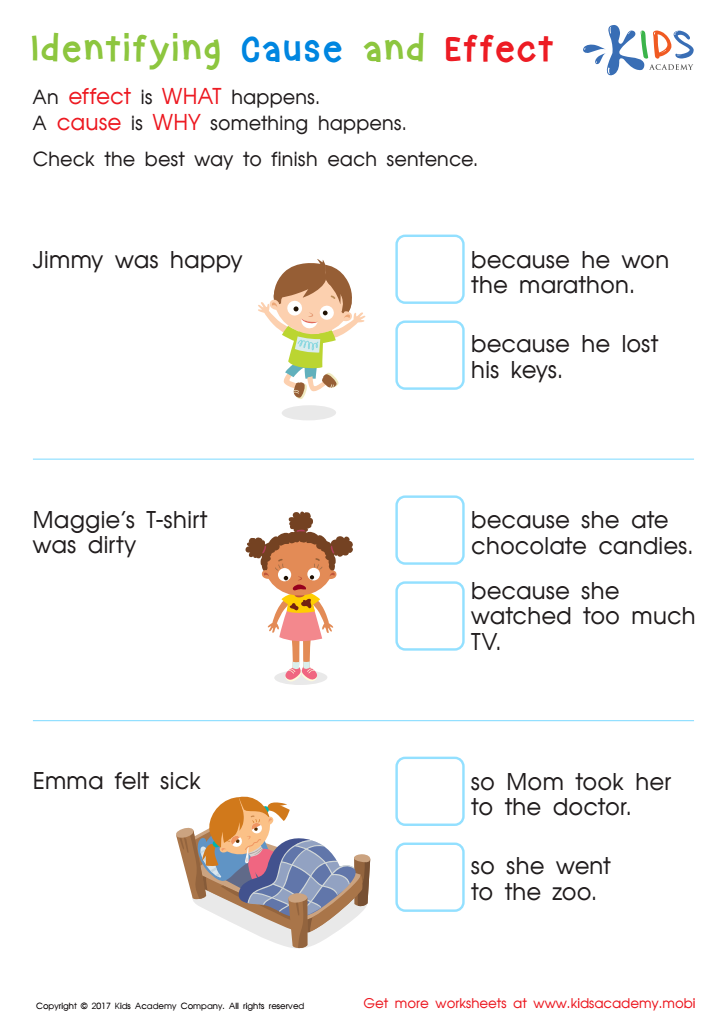
Indentifying Cause and Effect Worksheet
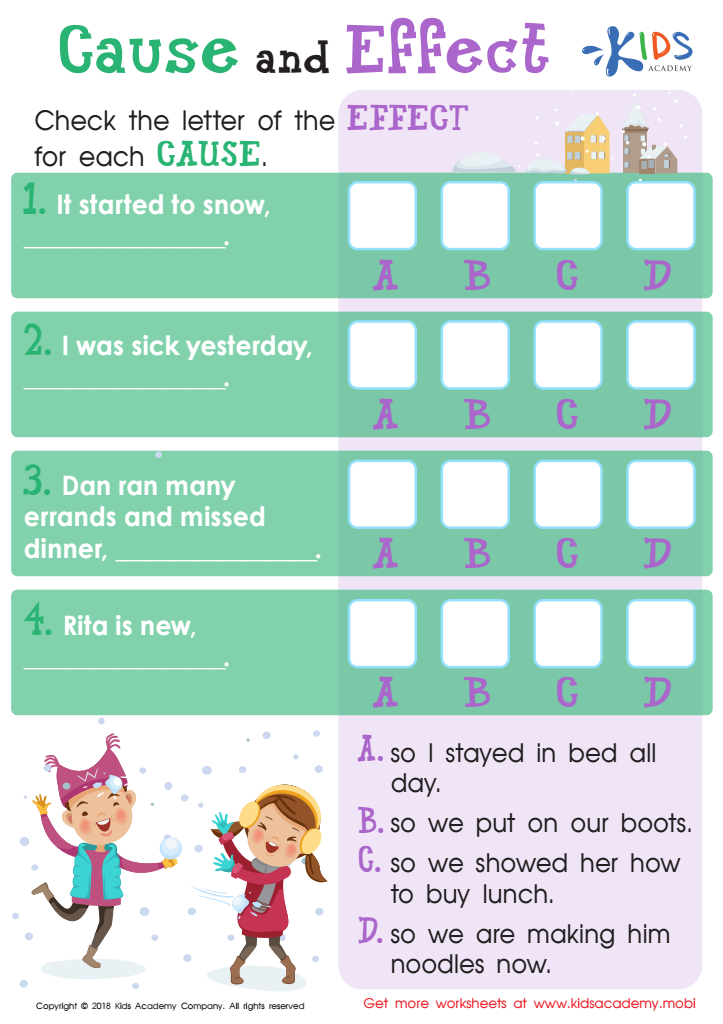
Cause and Effect Worksheet
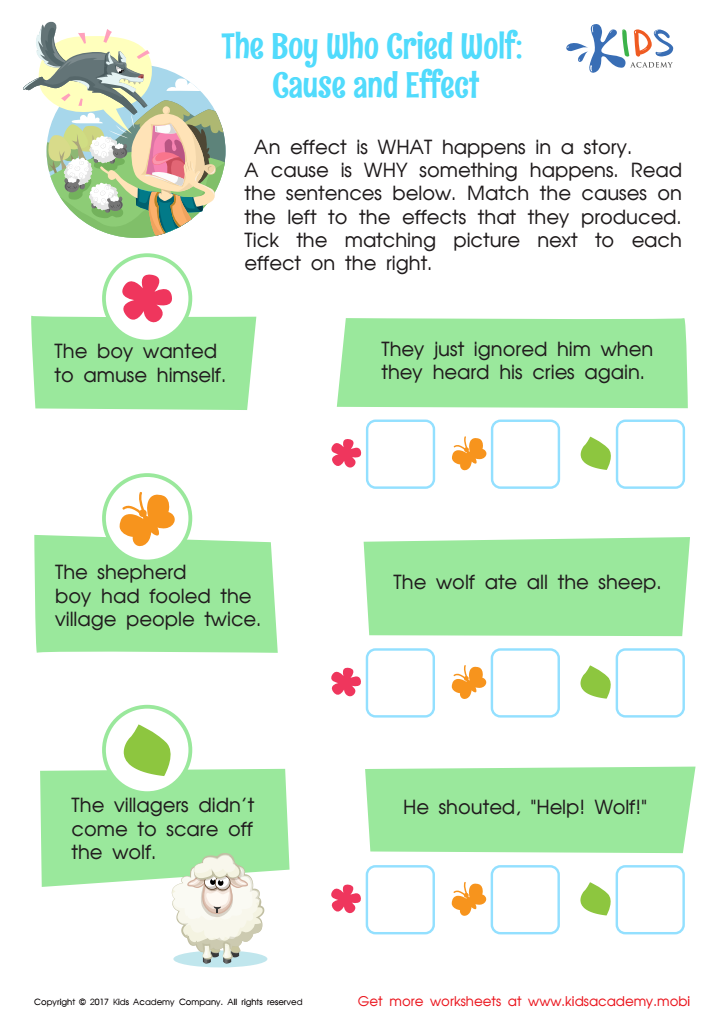
The Boy Who Cried Wolf: Cause and Effect Worksheet
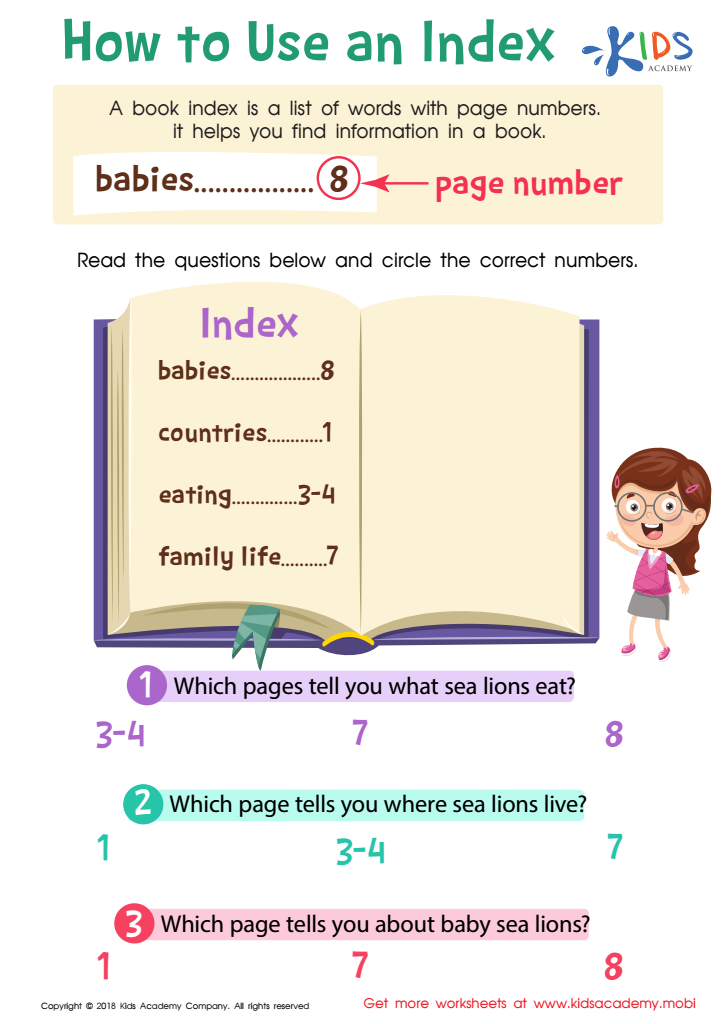
How Use Index Worksheet








Parents and teachers should prioritize analytical thinking and reading comprehension for children ages 5-8, as these skills lay the foundation for lifelong learning and critical problem-solving. At this age, children are naturally curious, and fostering their ability to analyze information helps them make sense of the world around them. Strong reading comprehension skills enhance this by enabling them to understand, interpret, and evaluate the content they encounter, from stories to informational texts.
When children analyze texts, they learn to identify main ideas, draw connections, and make inferences, all crucial for effective communication and reasoning. This not only promotes cognitive development but also prepares them for future academic challenges. Early mastery of these skills aids in building confidence and fosters a genuine love for reading, which is instrumental in their educational journey.
Furthermore, cultivated analytical thinking encourages children to ask questions, seek solutions, and engage in discourse, nurturing their social and emotional development. As they articulate their thoughts and ideas, they participate more actively in classroom discussions, enhancing their collaborative skills. In essence, supporting analytical thinking and reading comprehension cultivates independent, engaged learners, ready to tackle the complexities of a rapidly evolving world.








