Vocabulary development Normal Reading Fiction Worksheets for Ages 5-8
5 filtered results
-
From - To
Enhance your child’s vocabulary skills with our engaging Vocabulary Development Normal Reading Fiction Worksheets, designed for ages 5-8. These interactive worksheets combine fun fiction stories with essential vocabulary-building exercises, ensuring your child develops language comprehension in an enjoyable way. Each worksheet encourages critical thinking, creativity, and a passion for reading. Perfect for classroom or home use, our carefully crafted resources introduce new words and concepts while making literacy a delightful adventure. Support your child's growth and build a strong linguistic foundation with these visually appealing and educational worksheets, tailored to foster learning and inspire a lifelong love of reading.
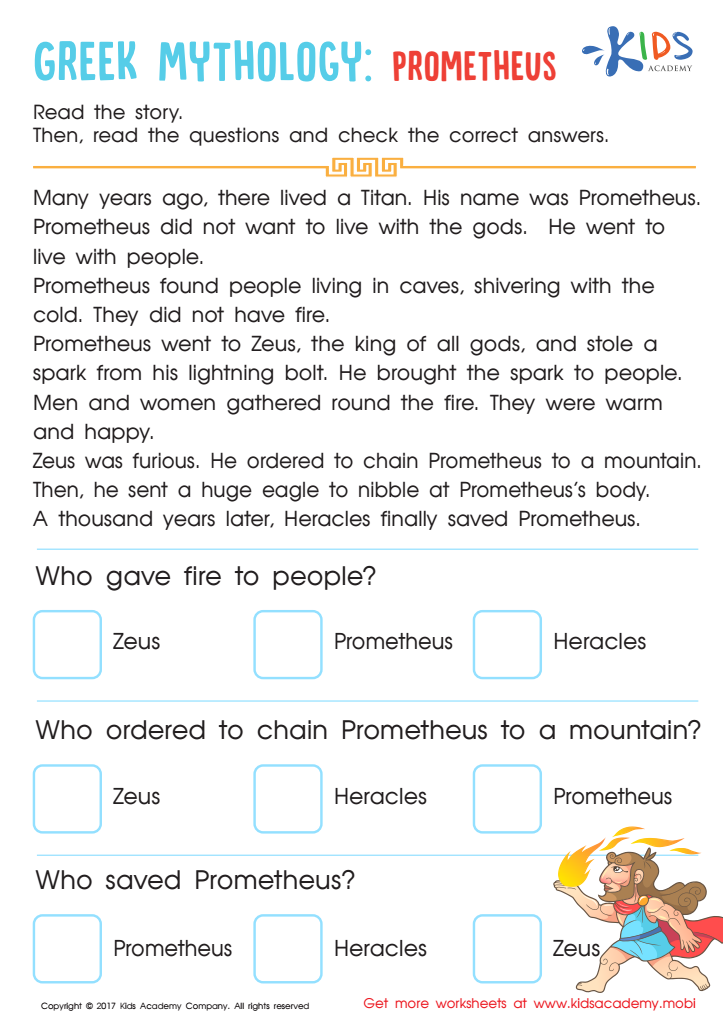
Prometheus Story Worksheet
 Assign to My Students
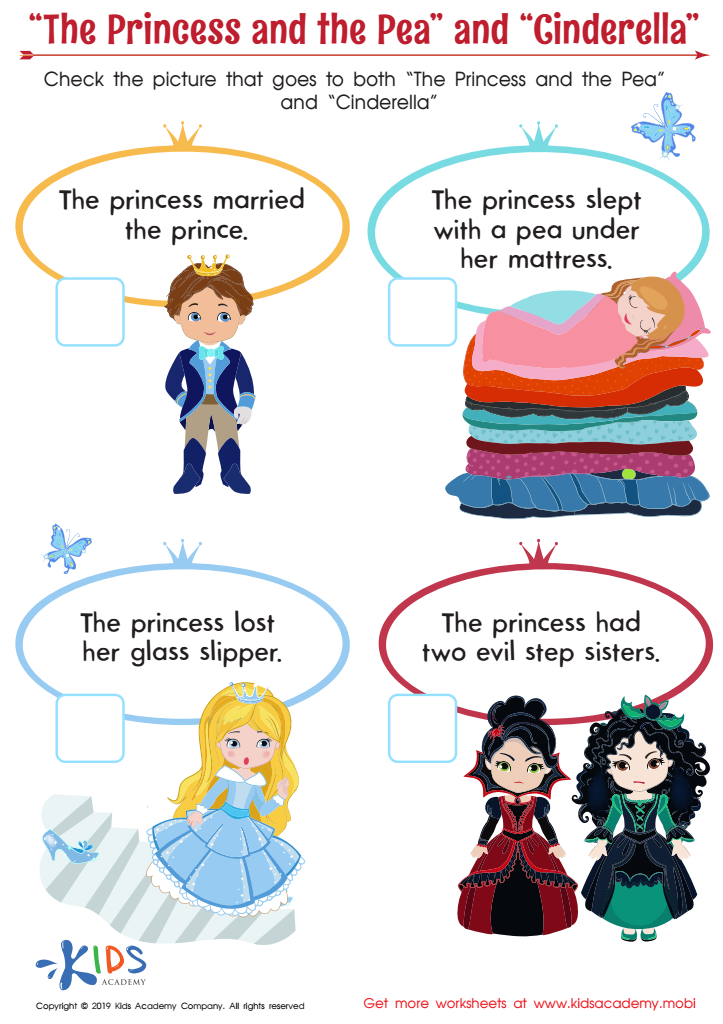
“The Princess and the Pea” and “Cinderella” Worksheet
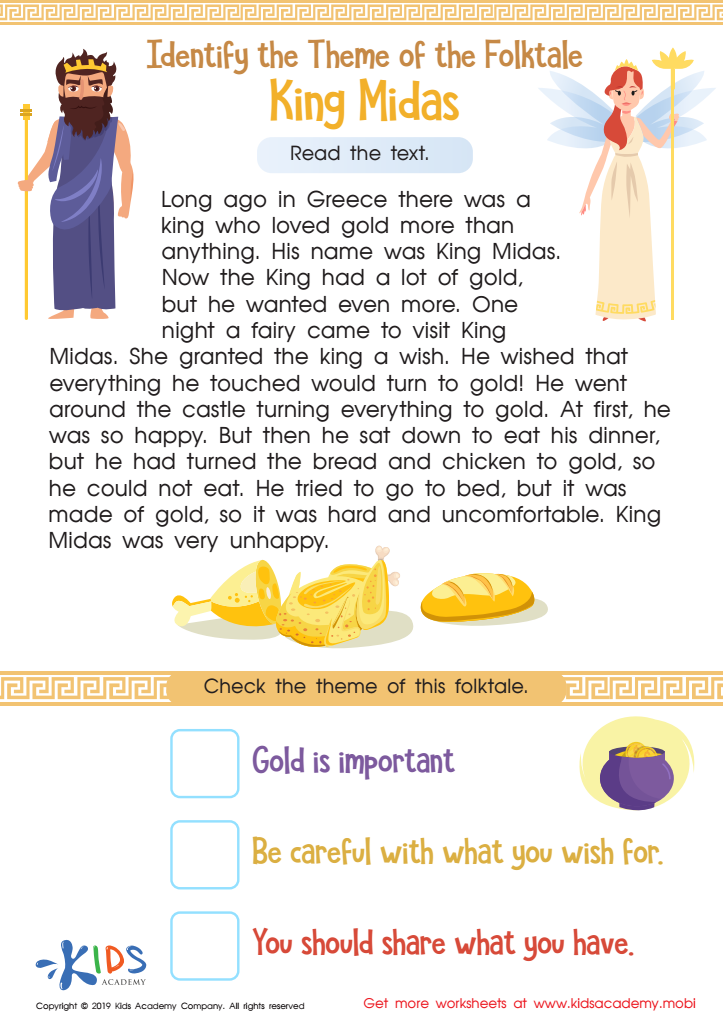
King Midas Worksheet
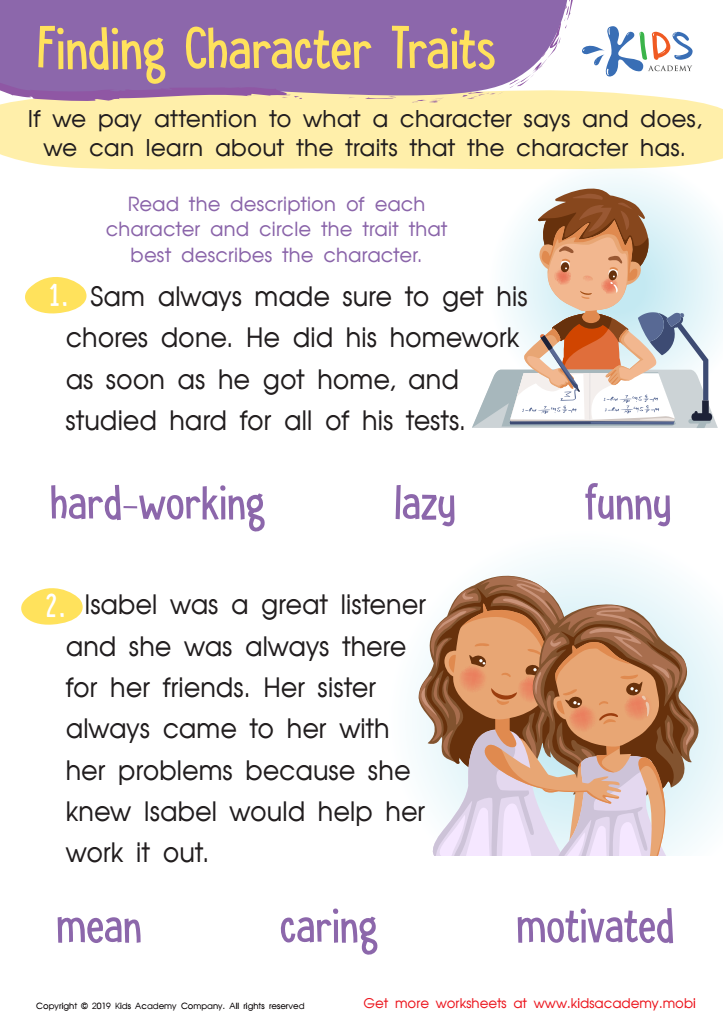
Finding Character Traits Worksheet
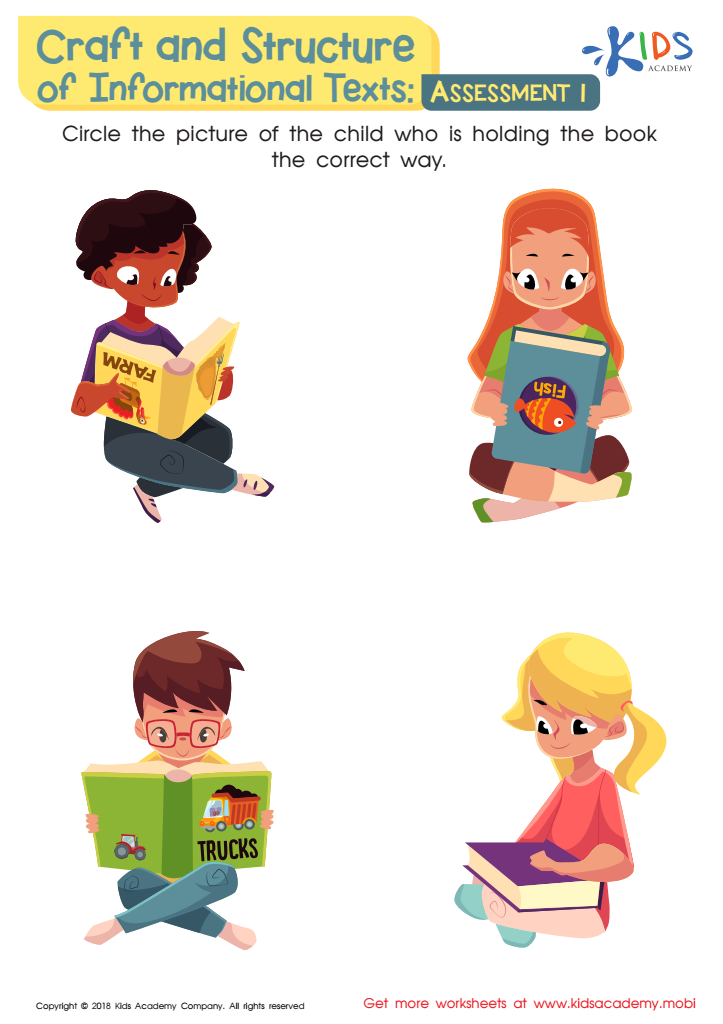
Craft and Structure of Informational Texts: Assessment 1 Worksheet








Vocabulary development in early readers, particularly those ages 5-8, is crucial for their overall literacy and academic success. This period lays the foundation for strong reading skills and fosters a love for literature. Engaging with fiction during these formative years is especially beneficial. By exploring stories filled with rich vocabulary and imaginative language, children not only expand their word knowledge but also enhance their comprehension skills.
When parents and teachers prioritize vocabulary development through normal reading fiction, they equip children with the language tools necessary to articulate thoughts, express emotions, and navigate complex ideas. This early exposure leads to improved communication skills, enabling children to engage more effectively in both social and academic settings.
Furthermore, narrative experiences promote critical thinking as children learn to analyze characters, predict outcomes, and empathize with various perspectives. Such cognitive engagement helps in building a well-rounded foundation for future learning.
In addition, parents and teachers who encourage reading foster a sense of curiosity and excitement about literature, shaping lifelong learners. This phase is not just about learning words; it’s about nurturing a love for reading that will serve children well throughout their educational journey and beyond.







