Animal identification Normal Science Worksheets for Ages 5-8
6 filtered results
-
From - To
Explore our engaging Animal Identification Normal Science Worksheets designed specifically for children aged 5-8! These worksheets encourage young learners to discover the fascinating world of animals through fun activities that enhance observation and classification skills. Each worksheet features vibrant illustrations and easy-to-follow instructions that make learning about different species enjoyable. Perfect for homeschoolers and classrooms alike, these resources promote critical thinking and boost confidence in science knowledge. Dive into exciting topics like habitats, animal characteristics, and more, paving the way for a lifelong interest in the natural world. Start your child’s adventure in animal science today with our colorful, interactive worksheets!
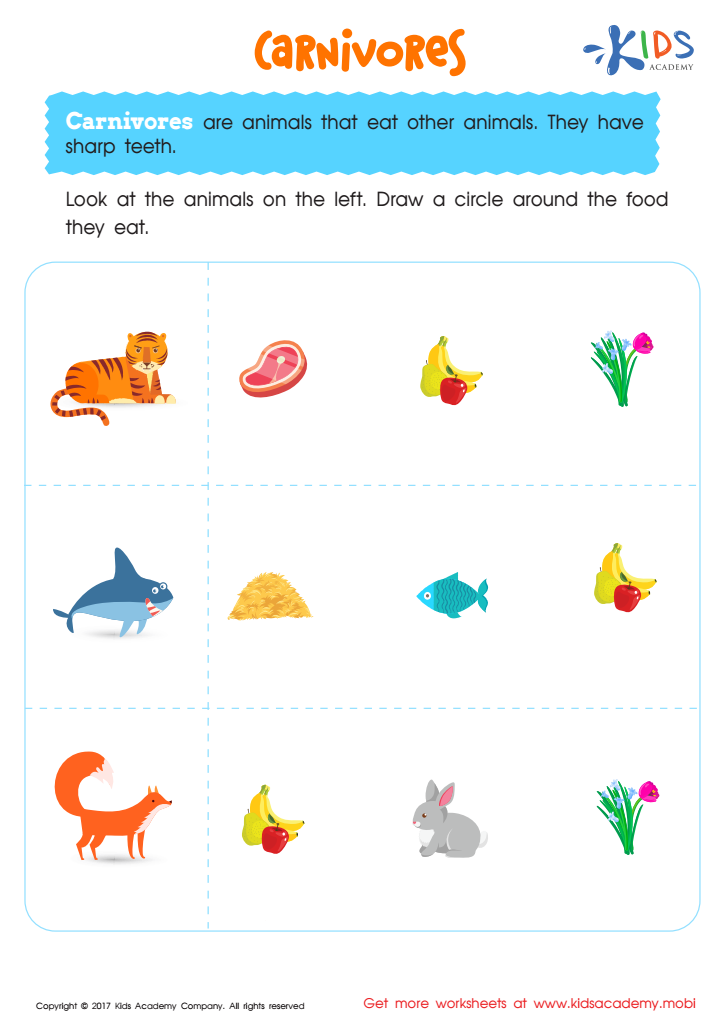
Carnivores Worksheet
 Assign to My Students
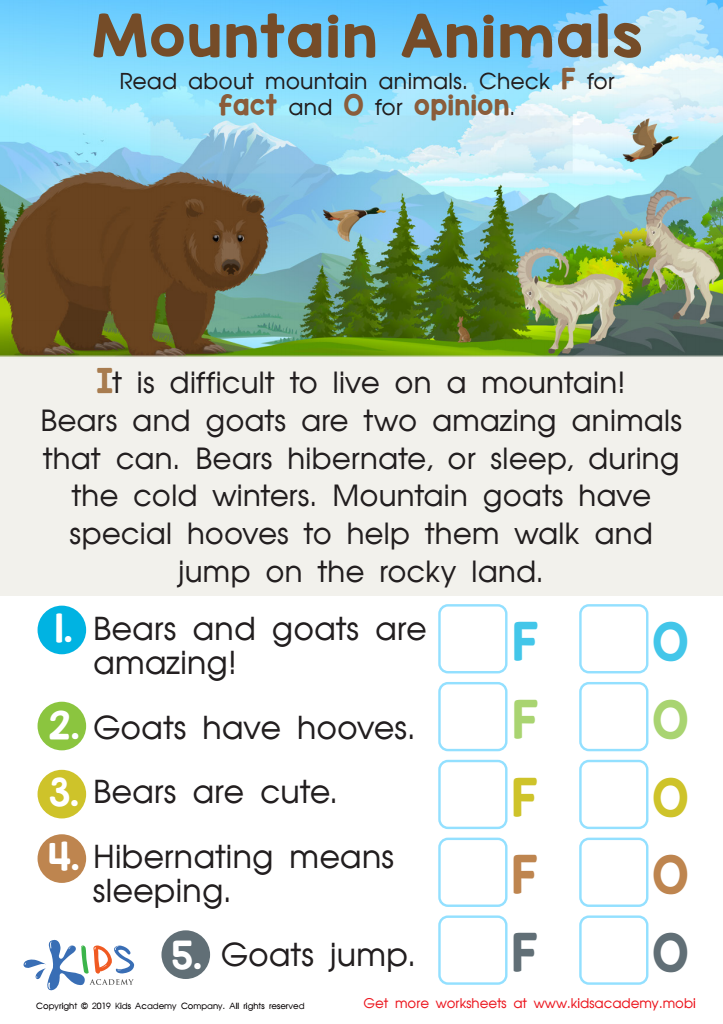
Mountain Animals Worksheet
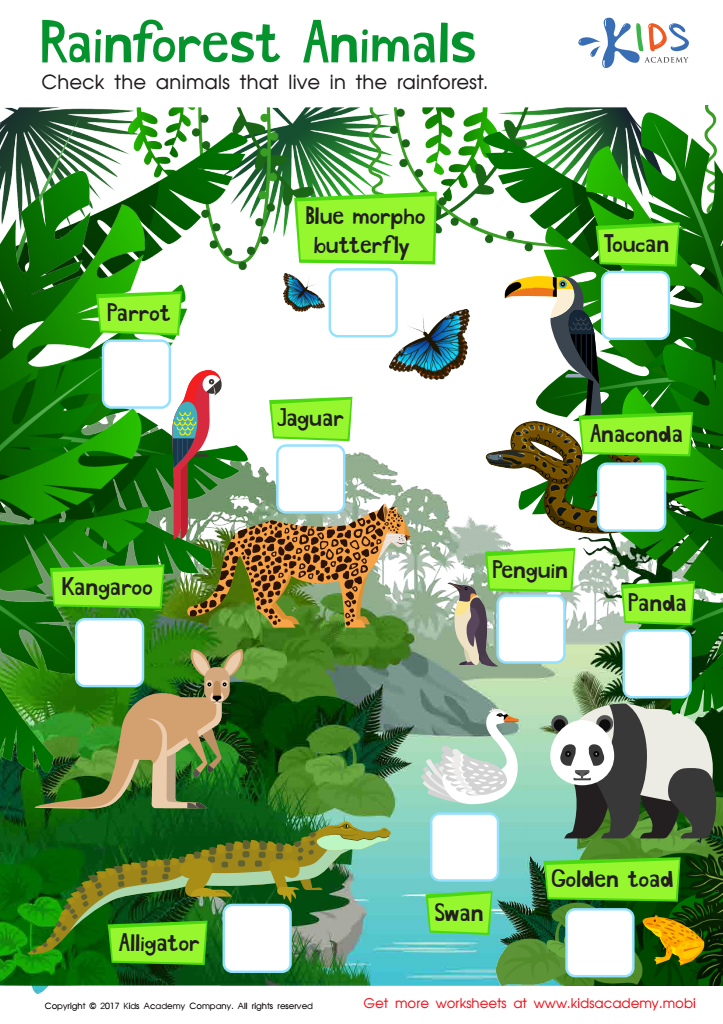
Rainforest Animals Worksheet
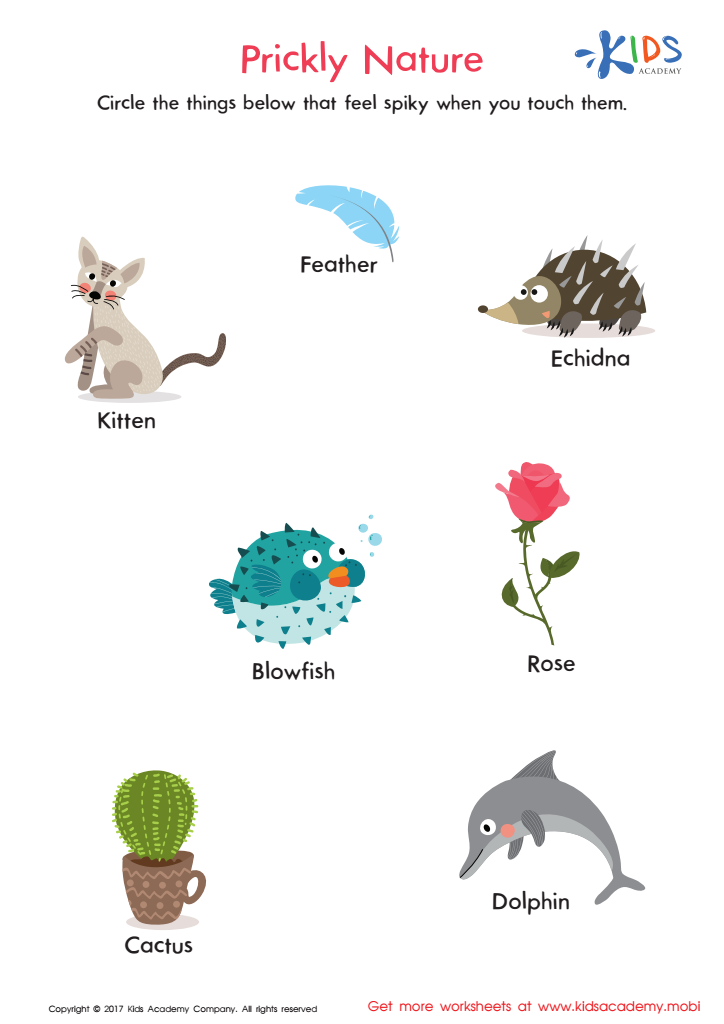
Prickly Nature Worksheet
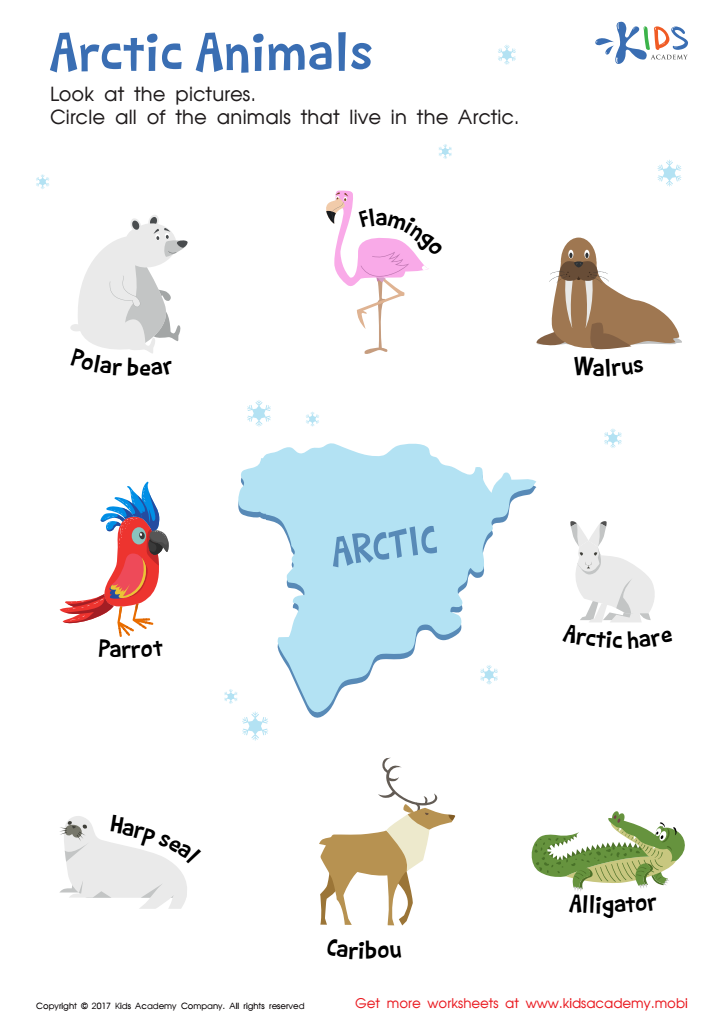
Arctic Animals Worksheet
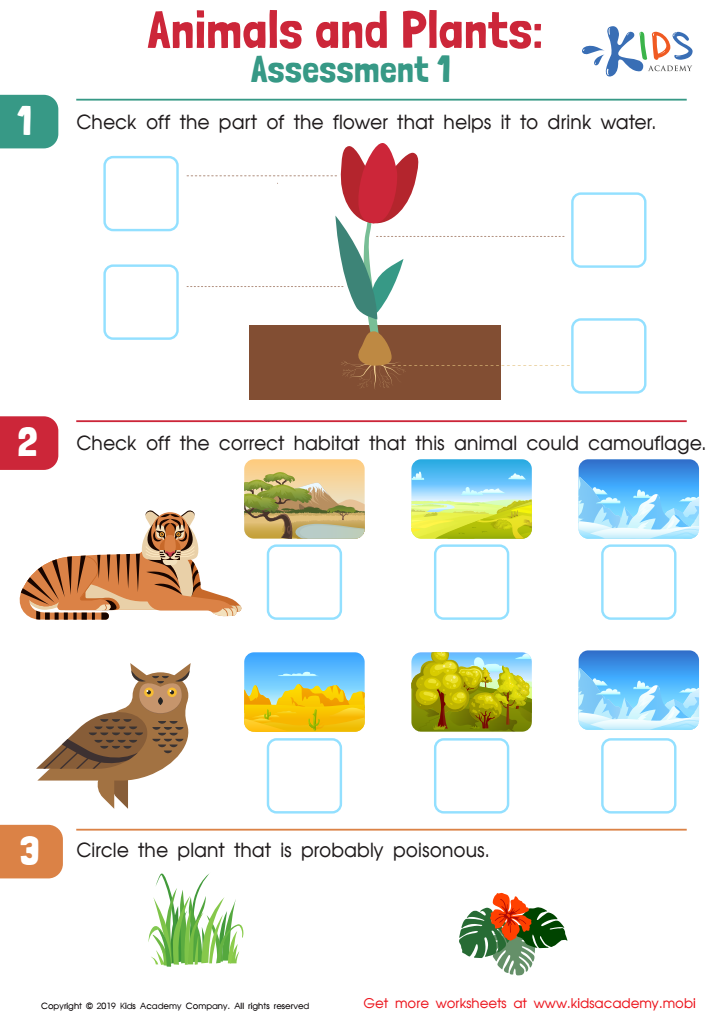
Animals and Plants: Assessment 1 Worksheet


%20(1).jpg)




Animal identification is an important topic for young learners that fosters curiosity about the natural world. For parents and teachers of children ages 5-8, engaging with animal identification in the context of normal science helps develop vital skills that are foundational for future learning.
Firstly, children learn to differentiate and categorize animals, enriching their vocabulary and language skills. This process not only broadens their understanding of biodiversity but also enhances observation skills as they learn to notice details about physical characteristics, habitats, and behaviors of various animals.
Secondly, introducing young learners to animal identification can spark an interest in biology and environmental science. Kids become more aware of ecosystems and the roles different animals play, fostering a sense of responsibility towards wildlife and conservation.
Additionally, incorporating animal identification in playful and interactive ways, such as through games or outdoor exploration, can make learning enjoyable and memorable. This hands-on approach encourages teamwork and communication skills when working in groups to identify creatures.
Ultimately, caring about animal identification in education nurtures empathy for living creatures and encourages critical thinking as young learners engage with the scientific method, asking questions and seeking answers in their exploration of the animal kingdom.







