Counting practice Normal Science Worksheets for Ages 5-8
4 filtered results
-
From - To
Explore our Counting Practice Normal Science Worksheets, specially designed for children ages 5-8! These engaging and interactive worksheets integrate counting skills with fundamental scientific concepts, making learning fun and effective. Young learners will enhance their numeracy while discovering the wonders of the natural world, from counting animals to exploring seasonal changes. Each worksheet is crafted to capture children's interest and reinforce their understanding through colorful visuals and relatable themes. Perfect for home or classroom use, these worksheets promote critical thinking and observational skills, laying a strong foundation for future learning. Download your free printable worksheets today and watch your child's enthusiasm for science and counting grow!
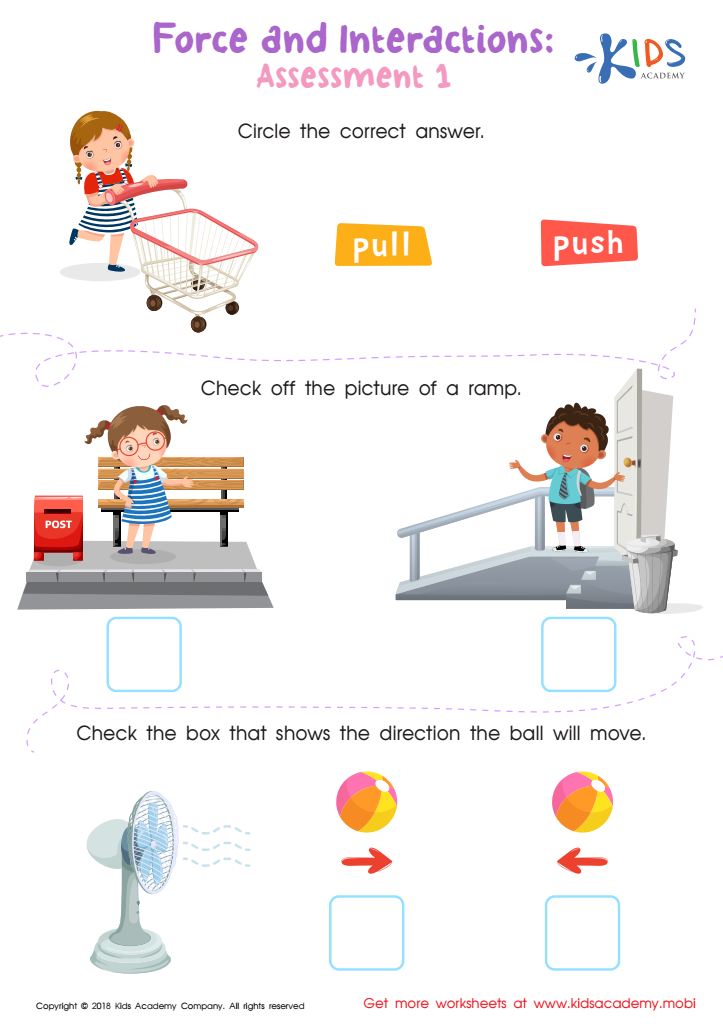
Force and Interactions: Assessment 1 Worksheet
 Assign to My Students
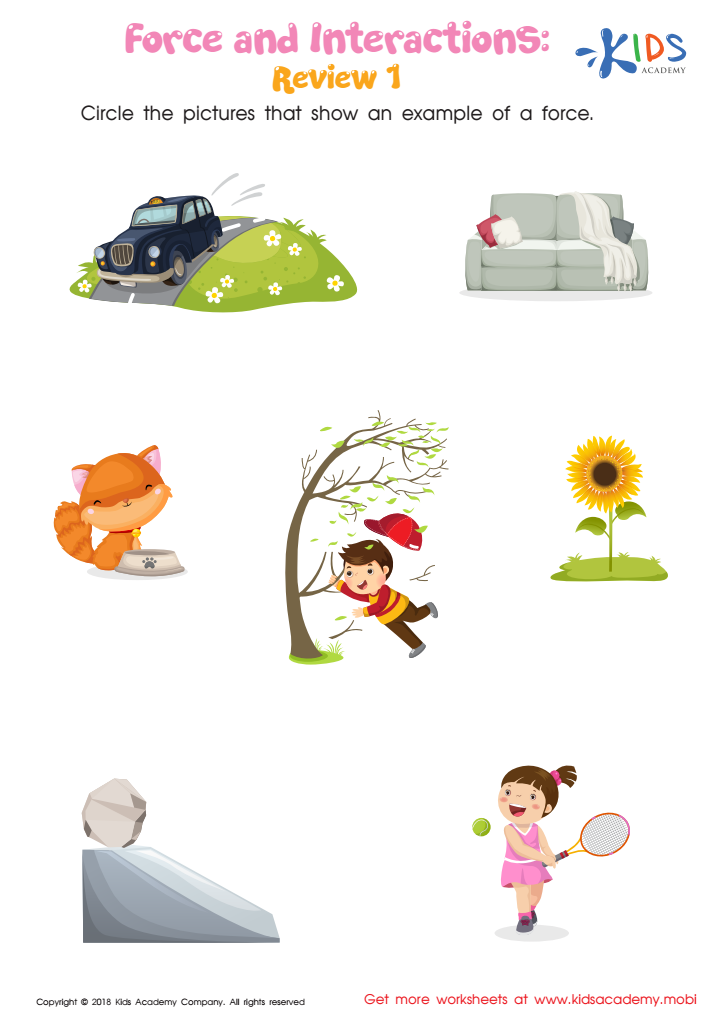
Force and Interactions: Review 1 Worksheet
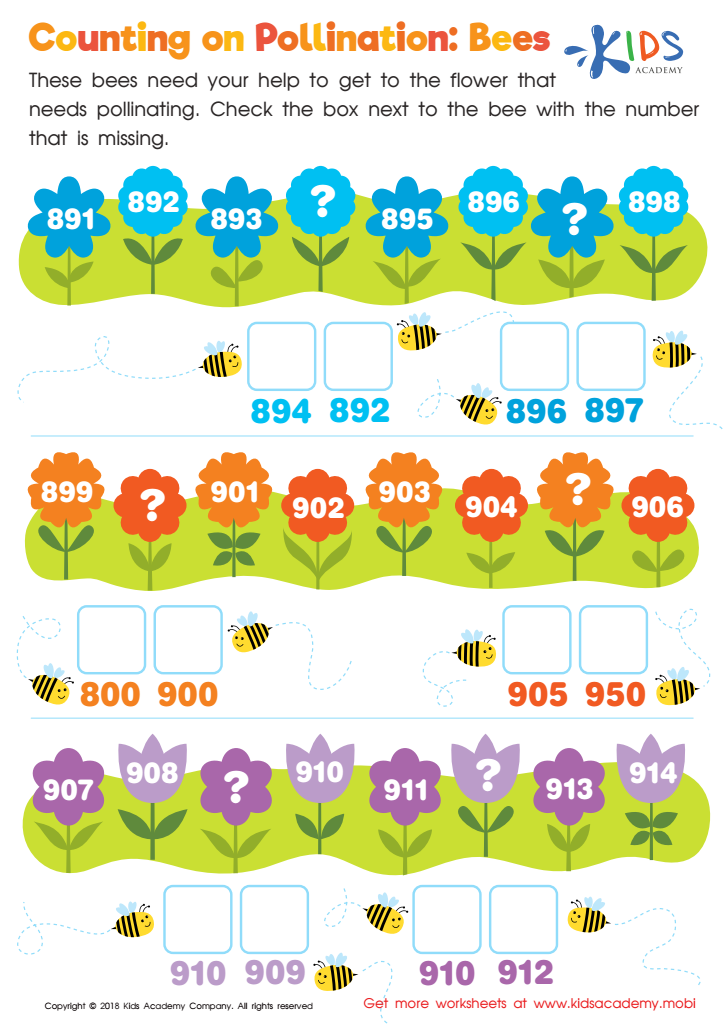
Counting on Pollination: Bees Worksheet
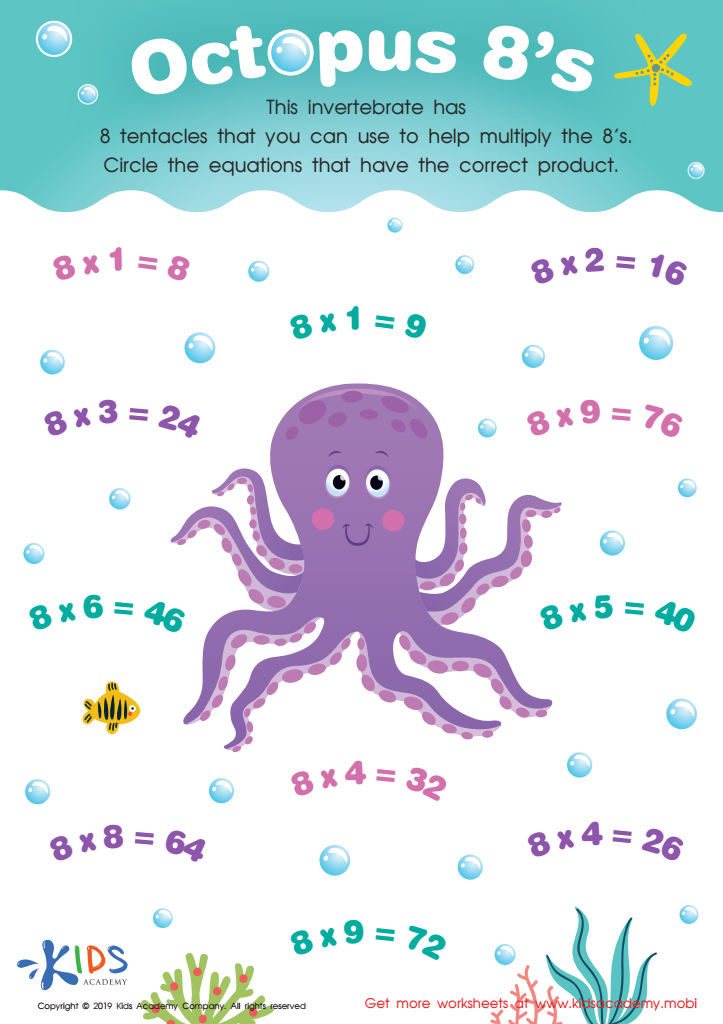
Octopus 8’s Worksheet






Counting practice in "Normal Science" for children ages 5-8 is crucial for several reasons. Firstly, it lays the foundational skills necessary for future mathematical learning. At this age, children are developing cognitive abilities, and mastering counting helps improve their number sense, spatial awareness, and problem-solving skills. Through activities related to "Normal Science," such as counting objects or observing patterns in natural phenomena, children not only enhance their mathematical skills but also cultivate a scientific mindset, encouraging curiosity and exploration of the world around them.
Additionally, counting practice fosters critical thinking. When children engage in scientific activities that require them to count phenomena—like the number of plants in a garden or the stages of a life cycle—they learn to collect, analyze, and interpret data. This hands-on experience makes learning more engaging and relevant.
Furthermore, counting creates connections between math and science, exemplifying how these subjects interrelate. Parents and teachers should embrace counting practice, as it supports children’s holistic development. By encouraging counting through a scientific lens, adults can cultivate enthusiastic learners who are better prepared for advanced education in both areas. Overall, this practice nurtures problem solvers and innovators, skills that are invaluable in today’s increasingly complex world.







