Critical thinking development Normal Science Worksheets for Ages 5-8
7 filtered results
-
From - To
Enhance your child's analytical skills with our Critical Thinking Development Normal Science Worksheets for Ages 5-8. Tailored to engage young minds, these printable resources blend fun with educational science activities, fostering problem-solving and reasoning abilities. Each worksheet encourages children to explore scientific concepts through puzzles, matching games, and hands-on experiments, all designed to inspire curiosity and independent thinking. Perfect for classrooms and home learning, our worksheets align with educational standards to ensure comprehensive skill development. Start your young learner on a path to critical thinking excellence with these interactive science materials.
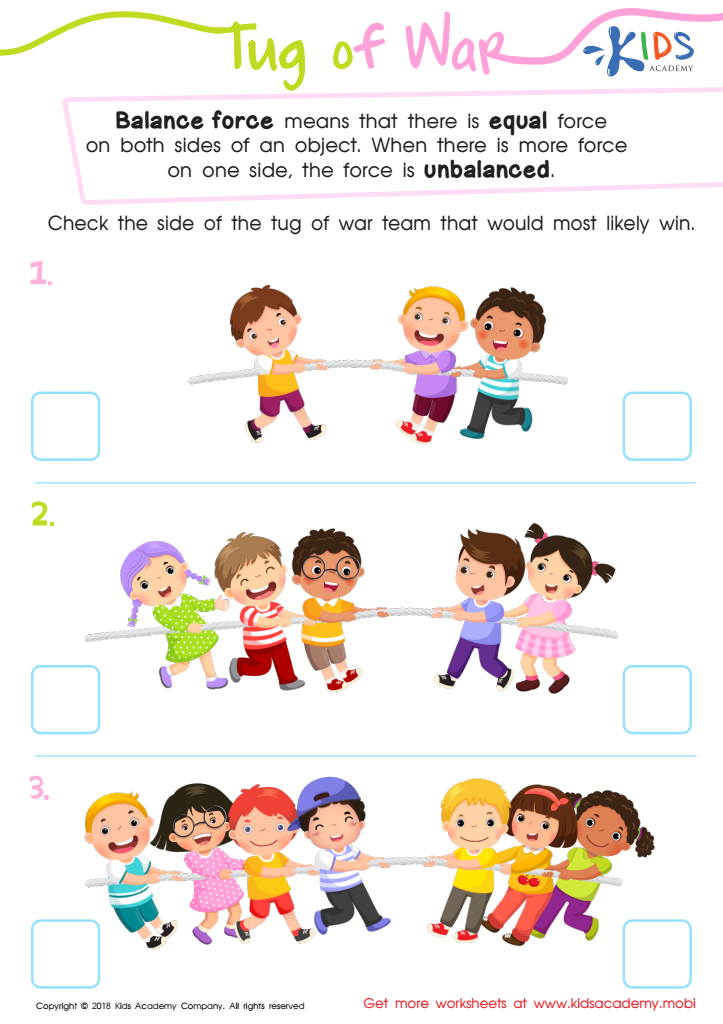
Balanced Forces Worksheet
 Assign to My Students
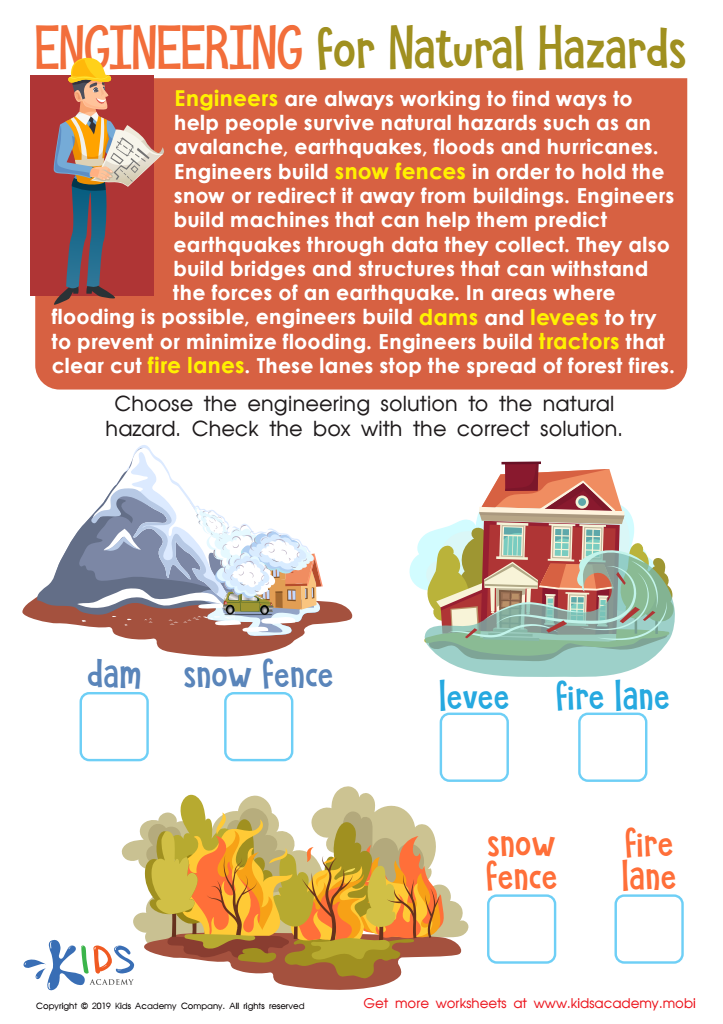
Engineering Natural Hazards Worksheet
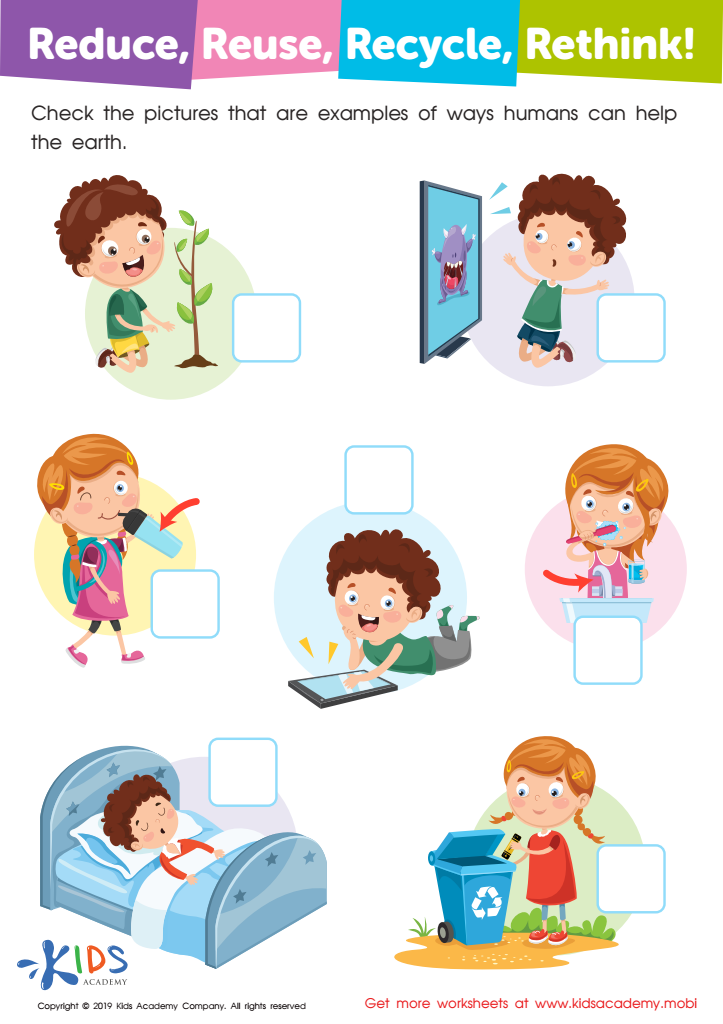
Reduce, Reuse, Recycle, Rethink Worksheet
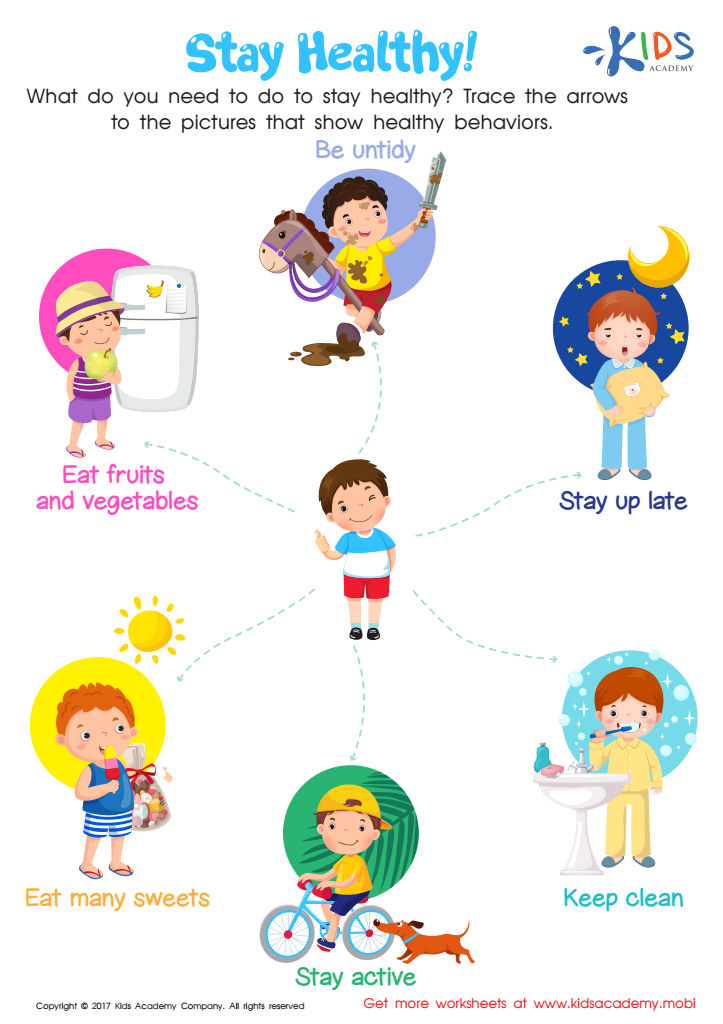
Healthy and Unhealthy Behaviors Worksheet
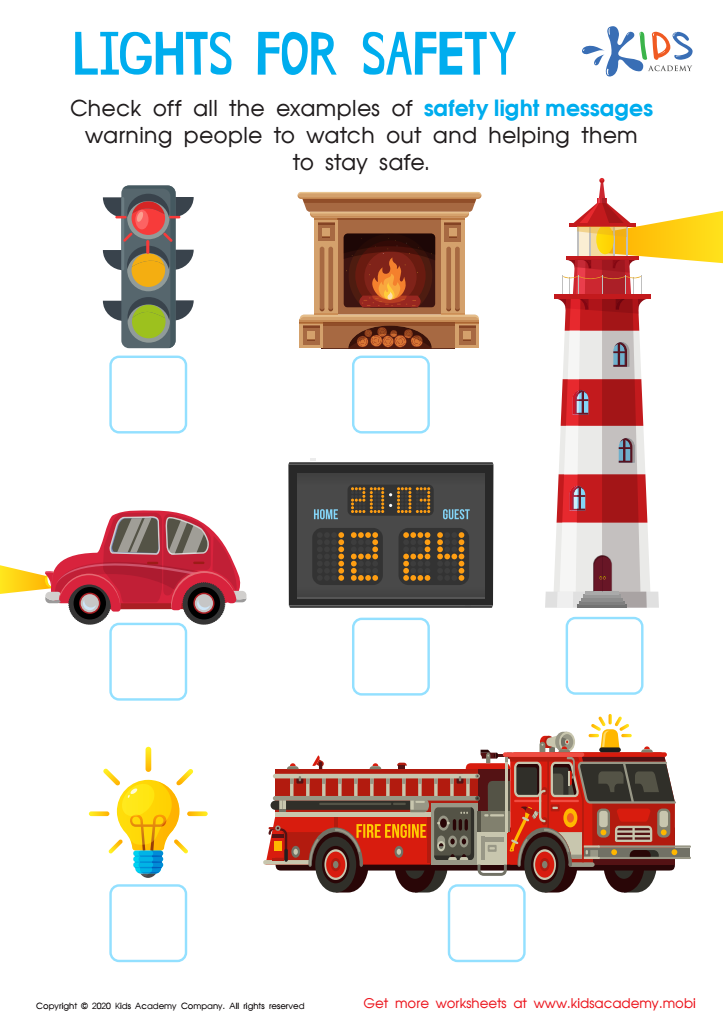
Lights for Safety Worksheet
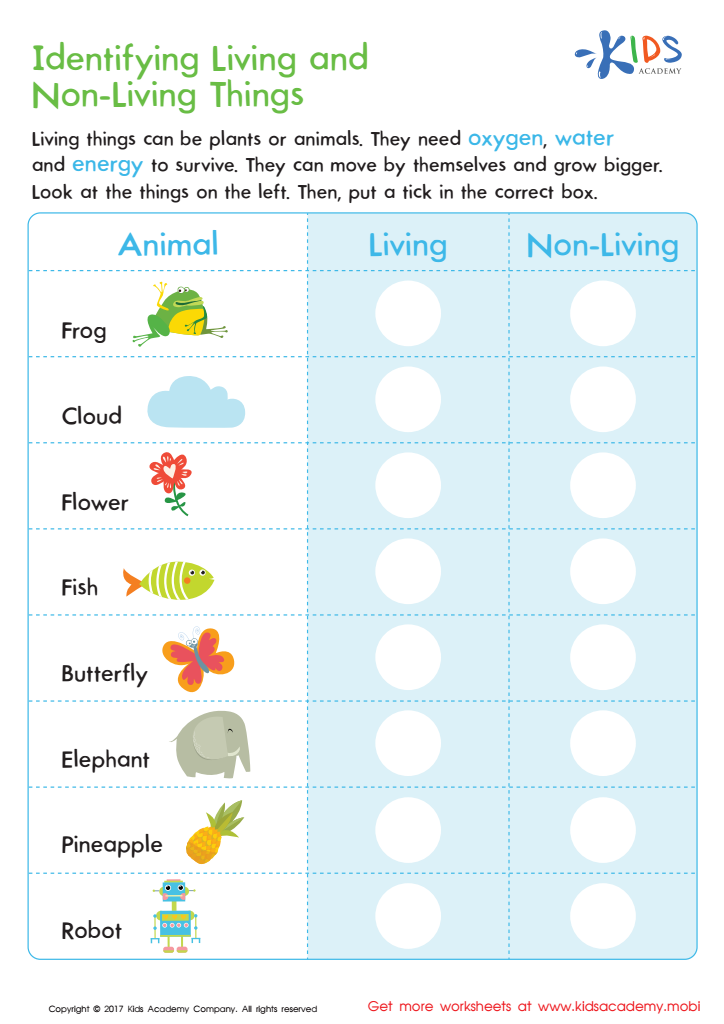
Identifying Living or Non–living Worksheet
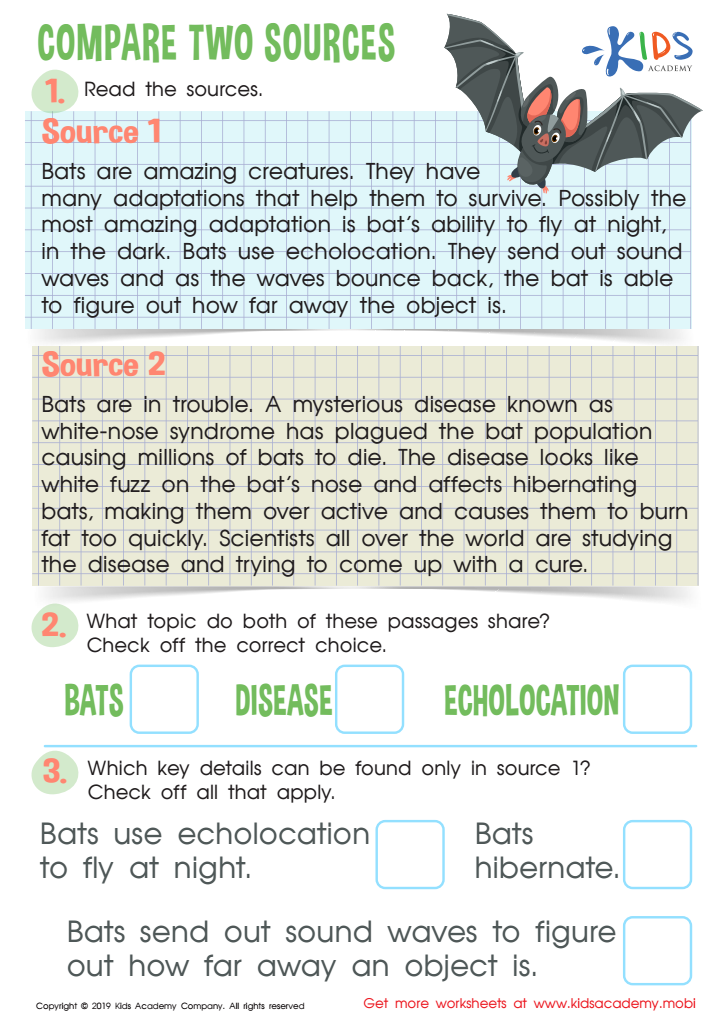
Compare Two Sources Worksheet








Critical thinking development in young children is fundamental for several reasons and significantly enriches both academic and personal growth. Both parents and teachers need to invest in this aspect actively, particularly through what we call “normal science,” or understanding the world through regular observation and inquiry.
For ages 5-8, a child’s brain is incredibly malleable, making it an ideal period for instilling critical thinking skills. At this stage, children are naturally curious and eager to explore their surroundings. They ask 'why' questions that shouldn’t just be answered but also nurtured to encourage independent thinking. Engaging in normal science activities—like observing plants grow, experimenting with basic materials, or charting the week’s weather—provides ideal opportunities to develop these skills.
When a child is taught to think critically, they learn to analyze information, differentiate between evidence and opinion, and solve problems effectively. These abilities not only make them better learners but also more adept at making decisions in various imaginary and real-life situations. Critical thinking aids in fostering resilience and adaptability—attributes that will benefit them throughout their lives, regardless of the challenges they face.
In summary, by promoting critical thinking through simple scientific exploration, parents and teachers lay a robust foundation for lifelong learning, problem-solving, and informed decision-making, starting from the formative early years.







