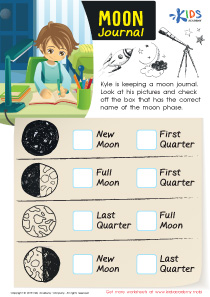
Critical Thinking Normal Life Science Worksheets for Ages 5-8
4 filtered results
Difficulty Level
Grade
Age
-
From - To
Subject
Activity
Standards
Discover our "Critical Thinking Normal Life Science Worksheets for Ages 5-8" on Kids Academy, designed to ignite young minds and foster essential life science skills. These engaging worksheets promote critical thinking, inviting children to explore the world's living organisms through fun, interactive activities. Tailored for young learners, our resources encourage observation, analysis, and problem-solving, providing a solid foundation in life science concepts. Perfect for curious minds, these worksheets make science education an exciting adventure, enhancing both academic growth and cognitive development. Equip your kids with the tools to wonder, question, and understand the living world around them today!
Favorites
With answer key
Interactive
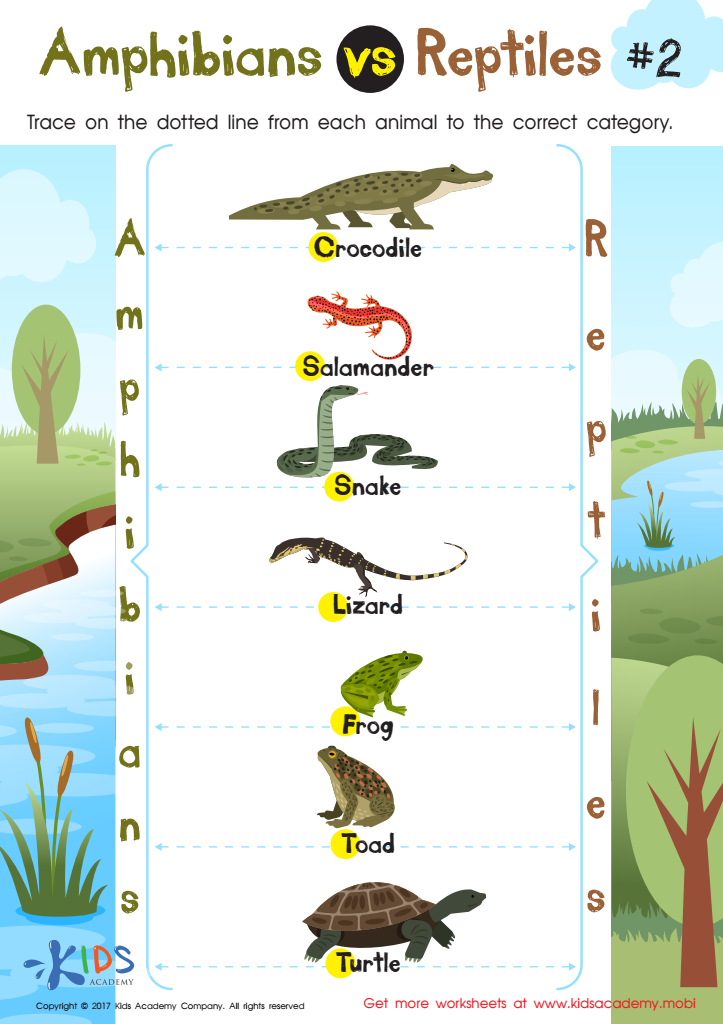
Amphibians vs Reptiles Worksheet for 3rd Grade
Let your 3rd grader challenge themselves and have fun by distinguishing between reptiles and amphibians. With this cool worksheet, they'll explore vivid pictures and learn about these fascinating creatures!
 Assign to My Students
Amphibians vs Reptiles Worksheet for 3rd Grade
Worksheet
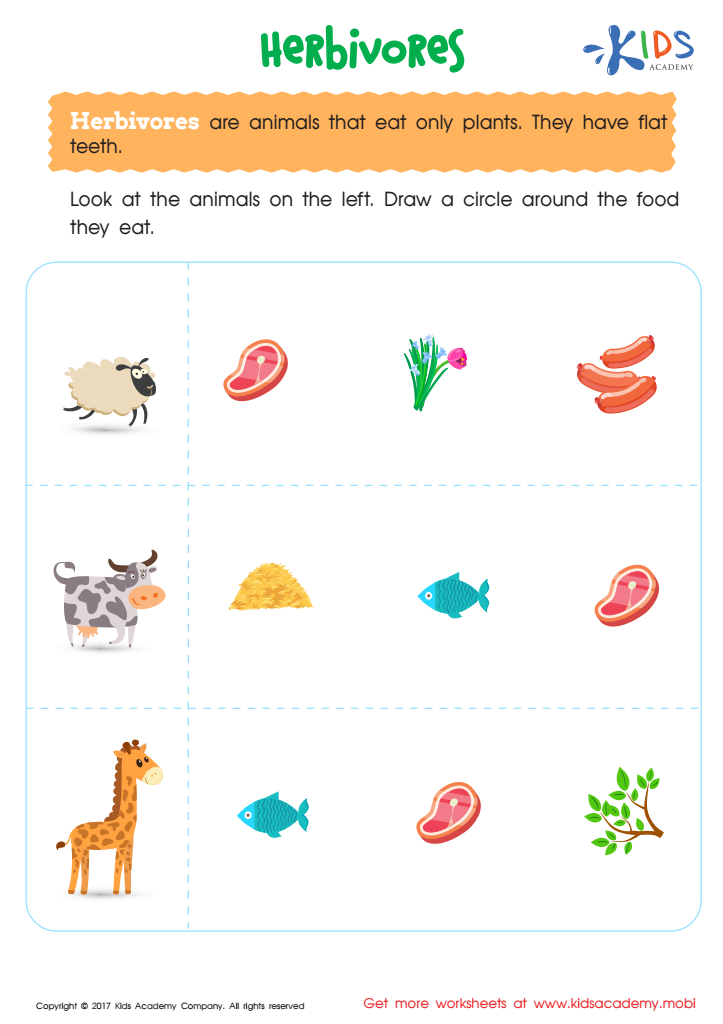
Herbivores Printable
Strengthen their vocab with these fascinating creatures, as they explore an intriguing aspect of beloved animals.
Herbivores Printable
Worksheet
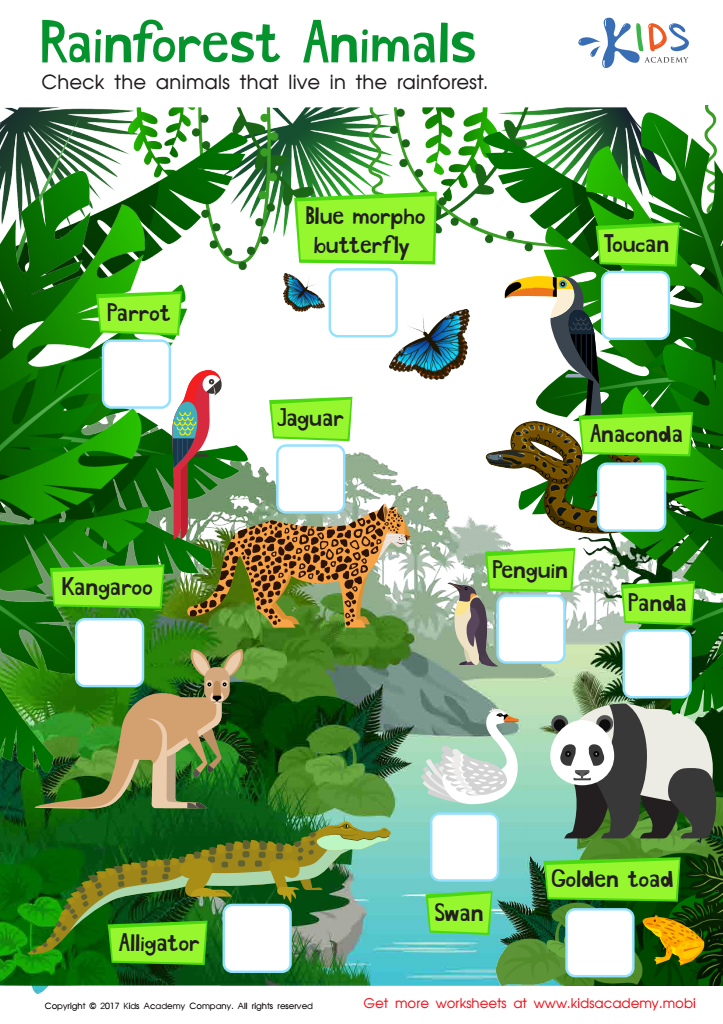
Rainforest Animals Worksheet
Kids love the bright, vivid pics of rainforest animals in this worksheet. It fuels their interest in life science and brings joy to their learning. It encourages them to study these animals in detail.
Rainforest Animals Worksheet
Worksheet
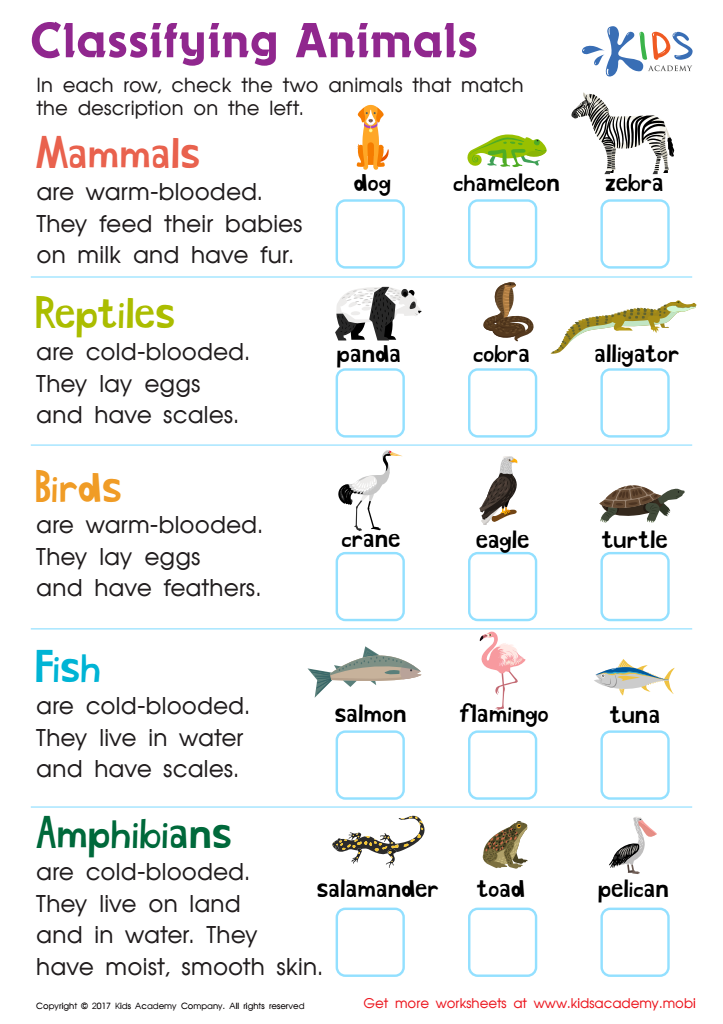
Classifying Animals Worksheet
Print the 2nd grade animal classification worksheet and help kids study the differences between mammals, reptiles, birds, fish and amphibians. Let them pick two examples from the options given.
Classifying Animals Worksheet
Worksheet
Join Kids Academy for Free
Who is primarily going to use this learning content?






Parents and teachers should focus on fostering critical thinking in young children, particularly through age-appropriate life science lessons, for several compelling reasons. Firstly, critical thinking skills help children analyze, evaluate, and understand the world around them, promoting intellectual development. When engaged in life science activities, such as observing plants grow or understanding animal behaviors, children practice questioning, exploring, and making connections between concepts. This not only builds their scientific literacy but also enhances problem-solving abilities.
Secondly, early exposure to critical thinking and science empowers children to become curious, lifelong learners. Understanding basic life science concepts sparks curiosity about how and why things work, which is foundational for academic success and personal growth. For instance, when children learn about the life cycle of a butterfly, they are intrigued and encouraged to ask more questions, fostering a deeper understanding and interest.
Additionally, developing critical thinking skills from a young age promotes social and emotional growth. It teaches children empathy and perspective-taking, as they consider other viewpoints and the impact of their actions on the environment and living things. Teachers and parents who nurture these skills help children build a strong foundation for future learning, making them better equipped to face complex real-world challenges confidently and thoughtfully.