Categorizing objects Normal Physical Science Worksheets for Ages 5-8
3 filtered results
-
From - To
Discover engaging Normal Physical Science worksheets designed for children ages 5-8 that make learning to categorize objects fun and interactive! Our age-appropriate activities promote critical thinking and understanding of physical science concepts by challenging young learners to classify everyday items based on their properties, such as size, shape, and color. With vibrant visuals and creative exercises, these printable worksheets enhance students' cognitive skills while fostering a solid foundation in science. Perfect for classroom use or at-home learning, our categorizing objects worksheets provide educators and parents with essential resources that encourage exploration and curiosity in the wonderful world of science.
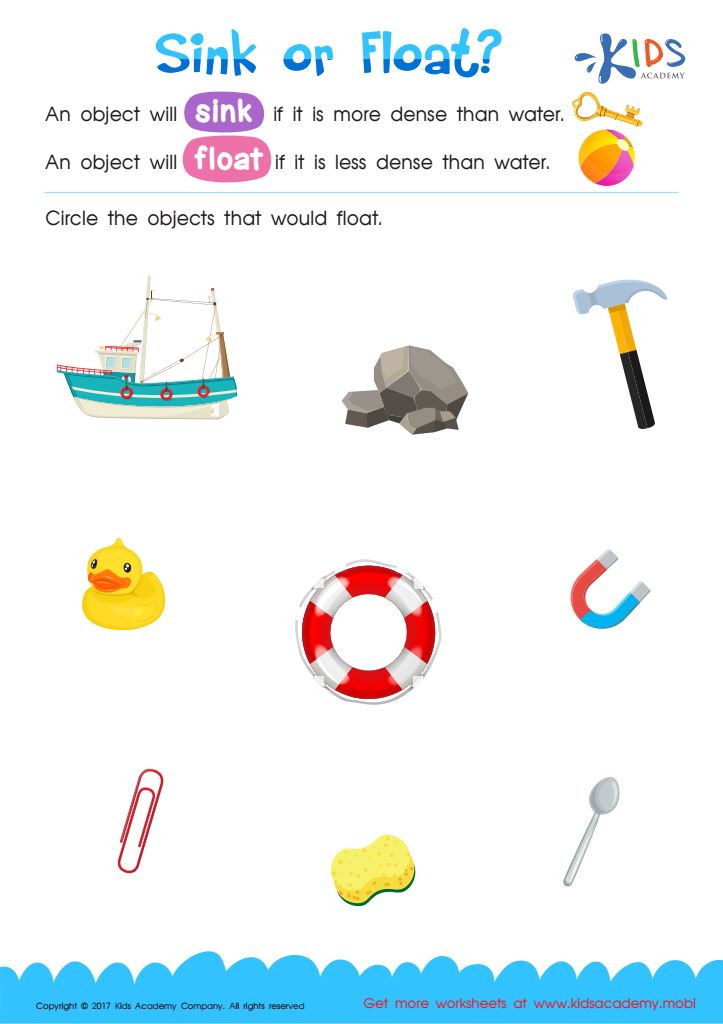
Sink or Float Printable
 Assign to My Students
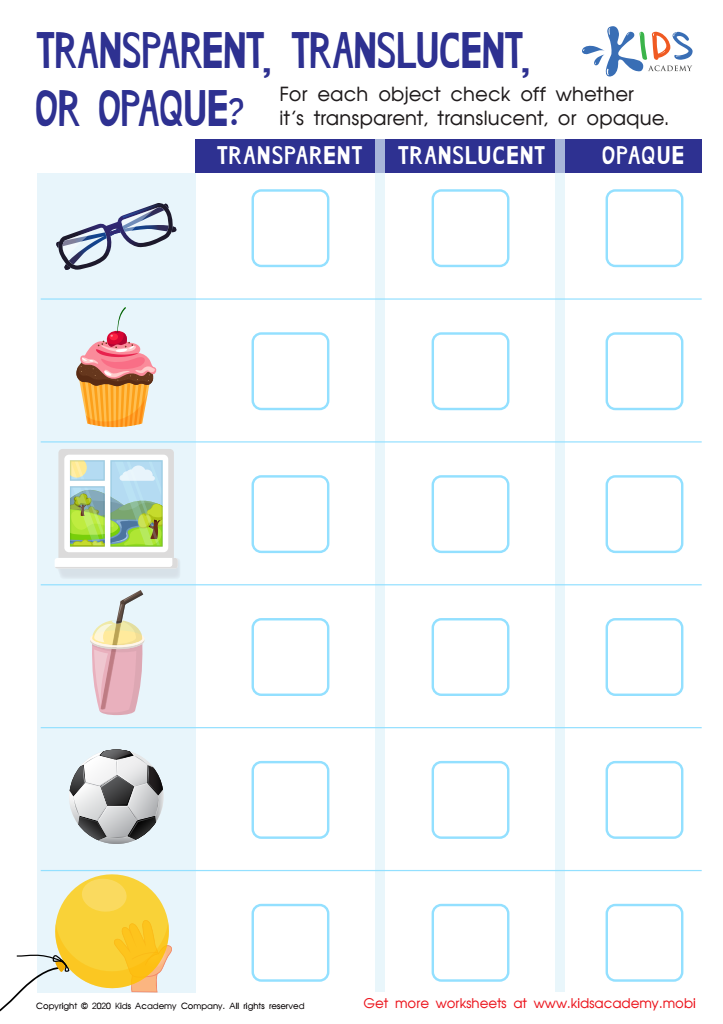
Transparent, Translucent, or Opaque Worksheet
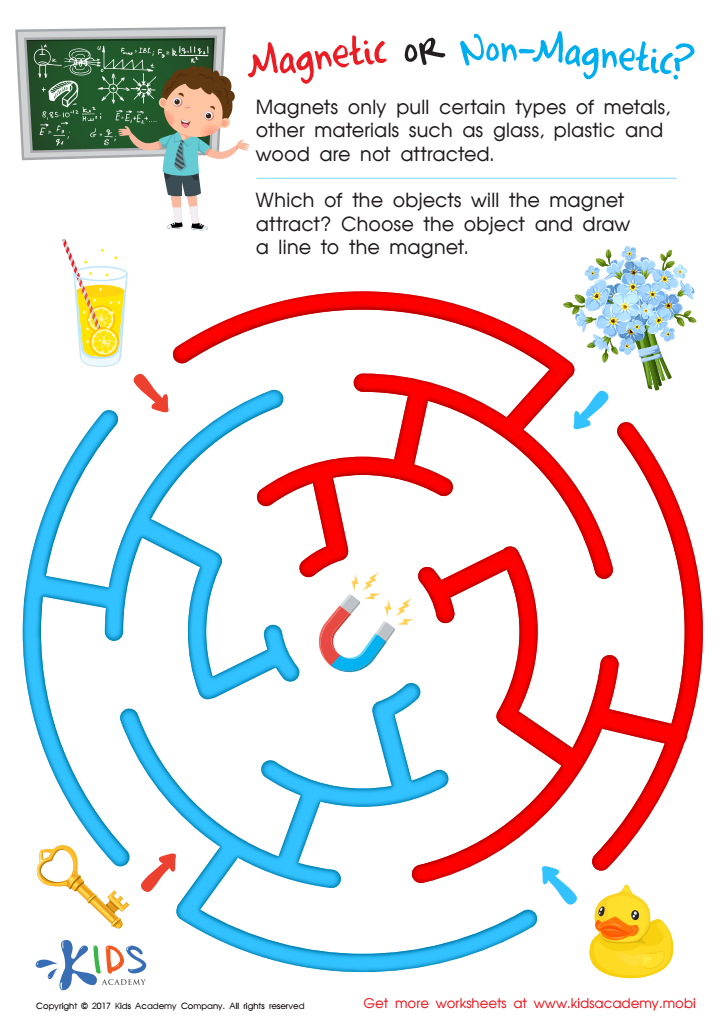
Magnetic or Non–Magnetic Worksheet





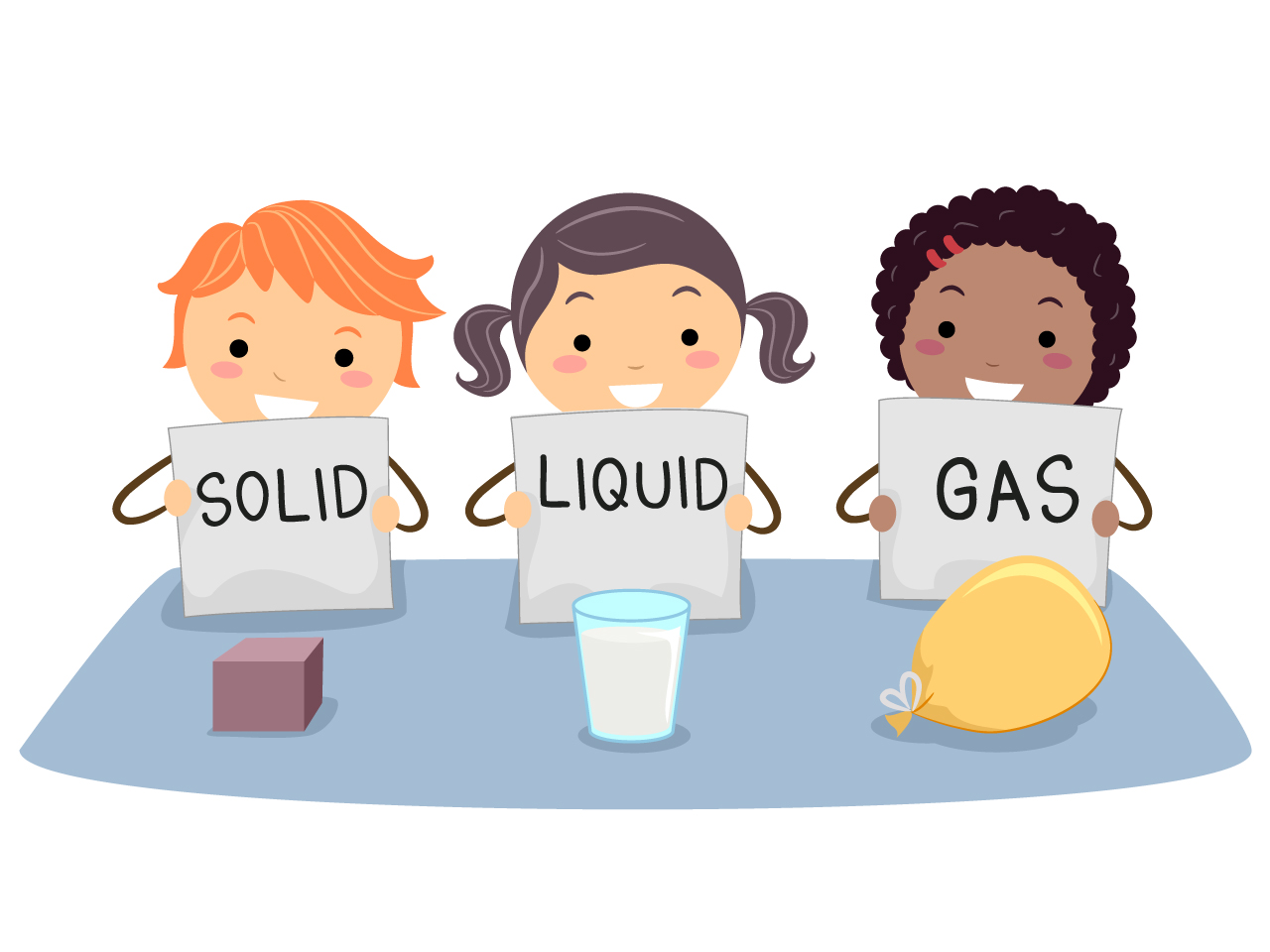

Categorizing objects is a fundamental skill in early childhood education, particularly within the realm of Normal Physical Science. For parents and teachers of children aged 5-8, fostering this skill is essential for several reasons.
Firstly, it nurtures critical thinking and problem-solving abilities. When children engage in categorizing objects, such as sorting toys by color, shape, or size, they learn to analyze similarities and differences, enhancing their cognitive skills. This foundational thinking prepares them for more complex scientific concepts in later years.
Additionally, categorization supports language development. As children articulate their sorting choices, they expand their vocabulary and understanding of descriptive terms, fostering effective communication.
Moreover, it encourages exploration and curiosity about the natural world. Children begin to make connections between the objects around them and the categories they create, promoting observational skills vital for scientific inquiry.
Finally, categorizing objects lays the groundwork for foundational math skills, such as counting and recognizing patterns. Understanding how to group items assists in the comprehension of more advanced mathematical concepts.
In summary, focusing on the categorization of objects helps develop essential cognitive, linguistic, and analytical skills. Thus, it is crucial that parents and teachers actively support this learning process.







