Comprehension skills Normal Plants Worksheets for Ages 5-8
3 filtered results
Difficulty Level
Grade
Age
-
From - To
Subject
Activity
Standards
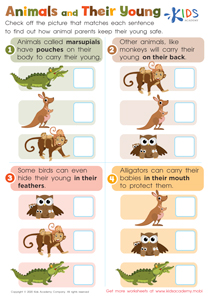
Discover our engaging "Comprehension Skills Normal Plants Worksheets" designed specifically for children ages 5-8! These worksheets are tailored to enhance young learners' understanding of plant life, encouraging curiosity about the natural world. Featuring fun, age-appropriate activities, kids will explore vital concepts such as plant structure, growth, and habitats. Each worksheet promotes critical thinking and reading comprehension, helping students improve their literacy skills while enjoying hands-on learning experiences. Whether used in the classroom or at home, our worksheets are perfect for reinforcing science lessons in a fun and interactive way. Cultivate a love for learning about plants with these delightful resources!
Favorites
With answer key
Interactive
Saguaro Cactus Life Cycle Worksheet
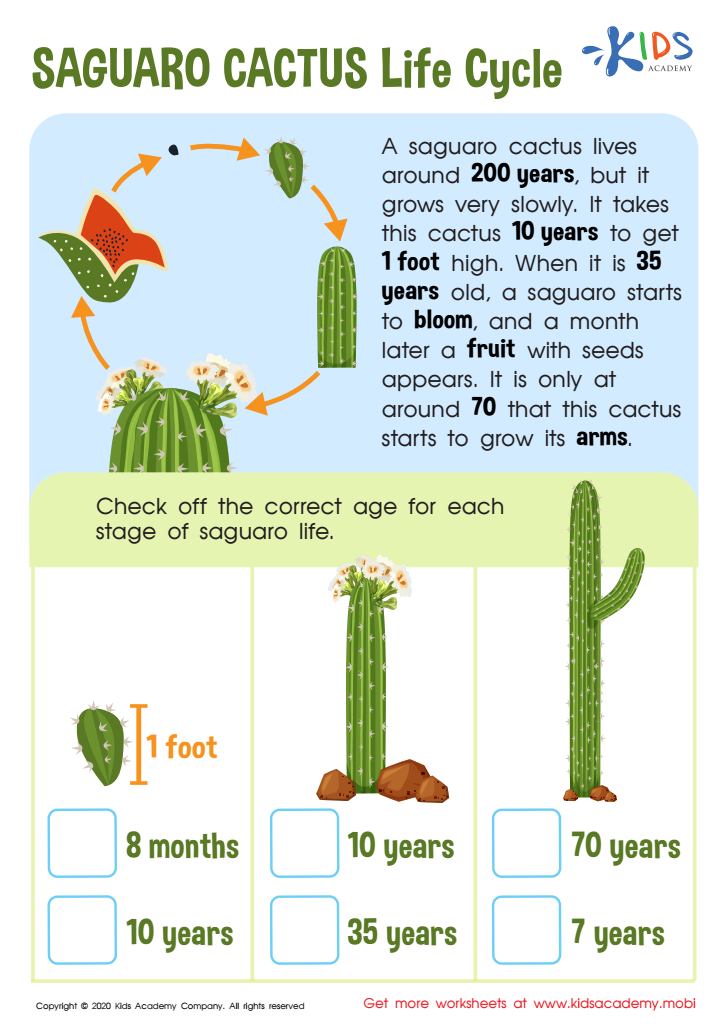
Teach your child about the saguaro cactus, which takes 35 years to bloom and can live up to twice the lifespan of a human! Print this free PDF worksheet to engage learners with an interesting passage. Check off the correct answers to reflect their learning!
 Assign to My Students
Saguaro Cactus Life Cycle Worksheet
Worksheet



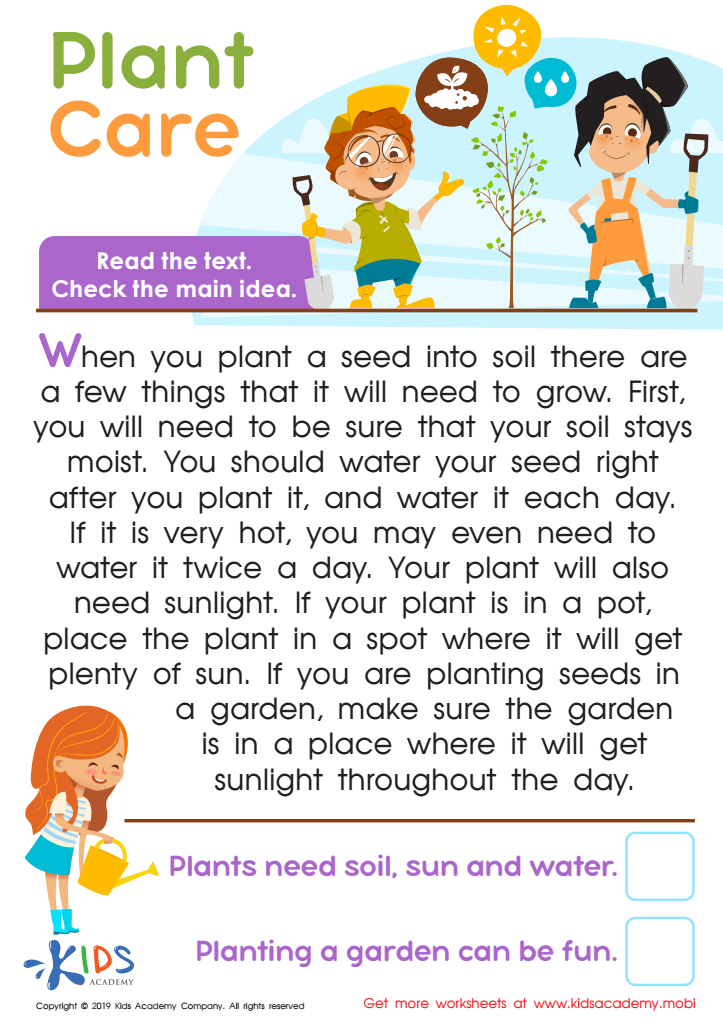
Plant Care Worksheet
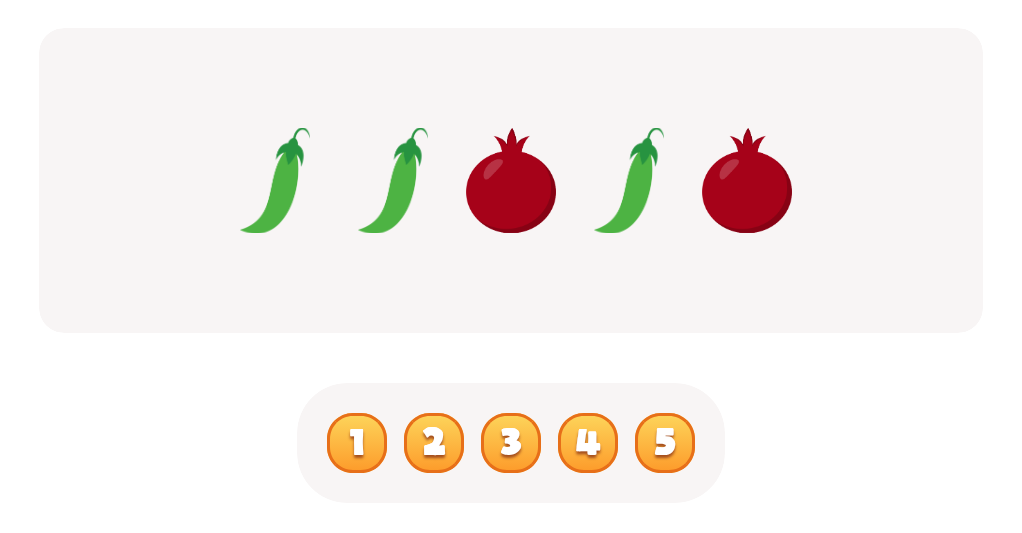
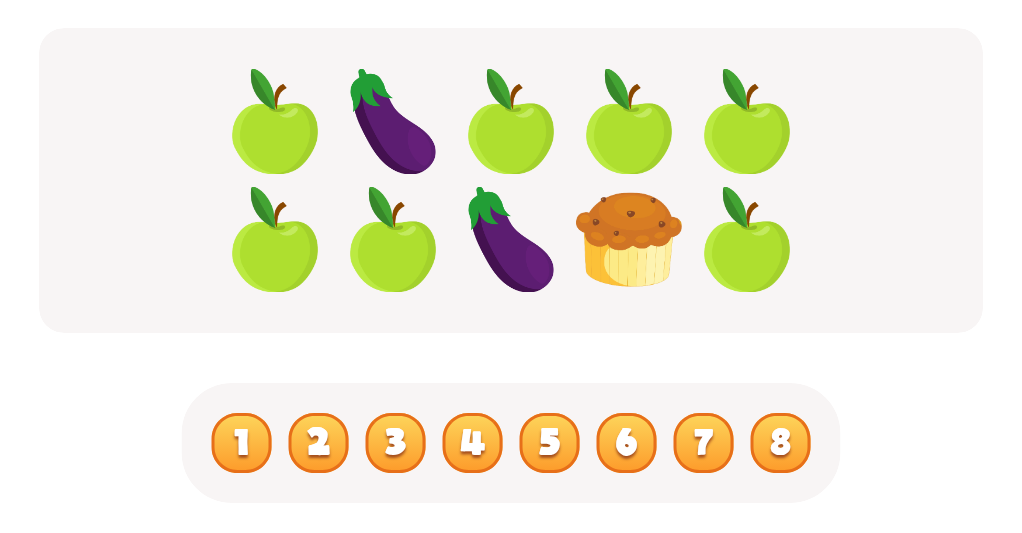
Encourage your children to read by helping them practice. Print out the worksheet and read the text with them. Help them understand the words and find the main idea. This will improve their reading skills and prepare them for school.
Plant Care Worksheet
Worksheet
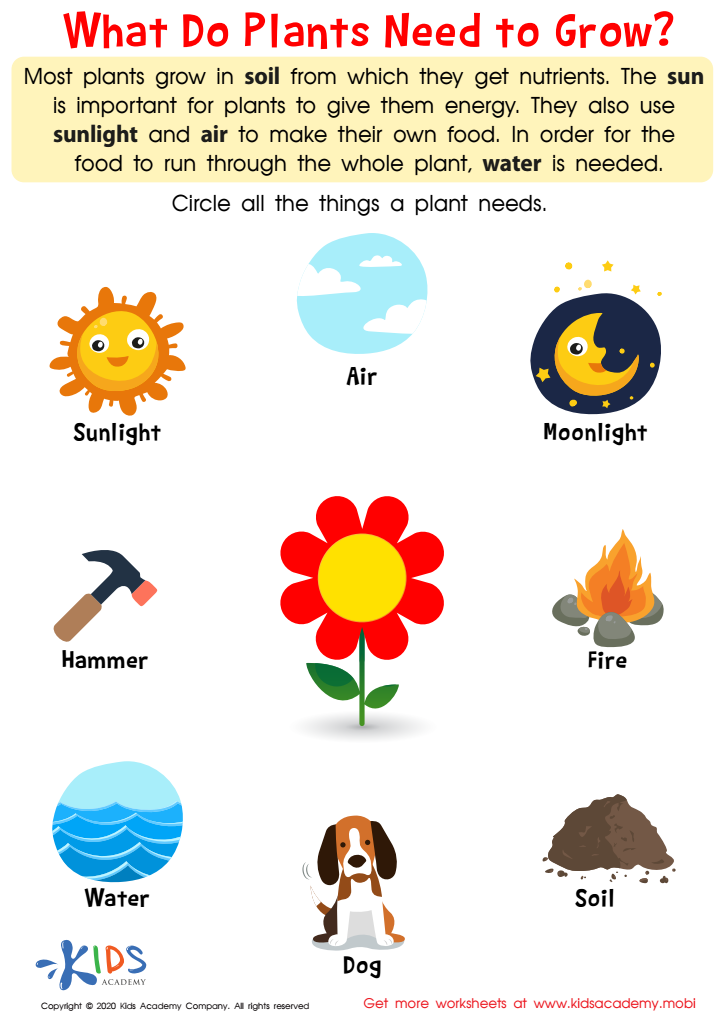
What Do Plants Need to Grow Worksheet
Help your child explore and discover the world of plants with this fun how do plants grow worksheet! They'll gain knowledge, sharpen problem solving skills, and build science foundations as they identify what plants need to grow. Afterward, plant a seed together and watch it sprout right before their eyes!
What Do Plants Need to Grow Worksheet
Worksheet
Join Kids Academy for Free
Who is primarily going to use this learning content?








Comprehension skills, especially related to themes like "Normal Plants," are vital for children aged 5-8 as they lay the foundation for overall academic success and lifelong learning. At this age, children are eager to explore the world around them, and understanding plant life enhances their connection to nature, promoting curiosity and engagement in science.
When parents and teachers emphasize comprehension skills through topics on plants, they foster critical thinking, vocabulary acquisition, and the ability to make connections between new information and prior knowledge. Comprehension is not just about understanding words; it's about grasping concepts that help students interpret their surroundings, recognize patterns, and become aware of environmental issues.
Moreover, incorporating engaging stories or hands-on activities about plants can facilitate collaboration and communication skills among peers, cultivating social development. Enhanced comprehension also boosts children's confidence in their reading abilities, encouraging them to explore more complex texts in the future.
Ultimately, nurturing comprehension skills regarding "Normal Plants" equips children not just academically, but also personally, enabling them to make informed decisions about their health and the environment as they grow. For these reasons, it's essential for parents and teachers to prioritize these skills during this formative age.