Enhancing observation skills Normal Plants and Animals Worksheets for Ages 5-8
5 filtered results
-
From - To
Boost your child's observation skills with our "Enhancing Observation Skills: Normal Plants and Animals" worksheets designed for ages 5-8. This engaging resource offers fun, interactive activities that help kids explore and identify various plant and animal characteristics. Through colorful illustrations and hands-on exercises, children learn to observe details, make comparisons, and develop critical thinking abilities. These worksheets encourage curiosity and foster a love for nature, making science enjoyable and accessible. By enhancing their observation skills, your child will build the foundation for future scientific inquiry. Download our worksheets today and embark on a captivating journey of discovery with plants and animals!
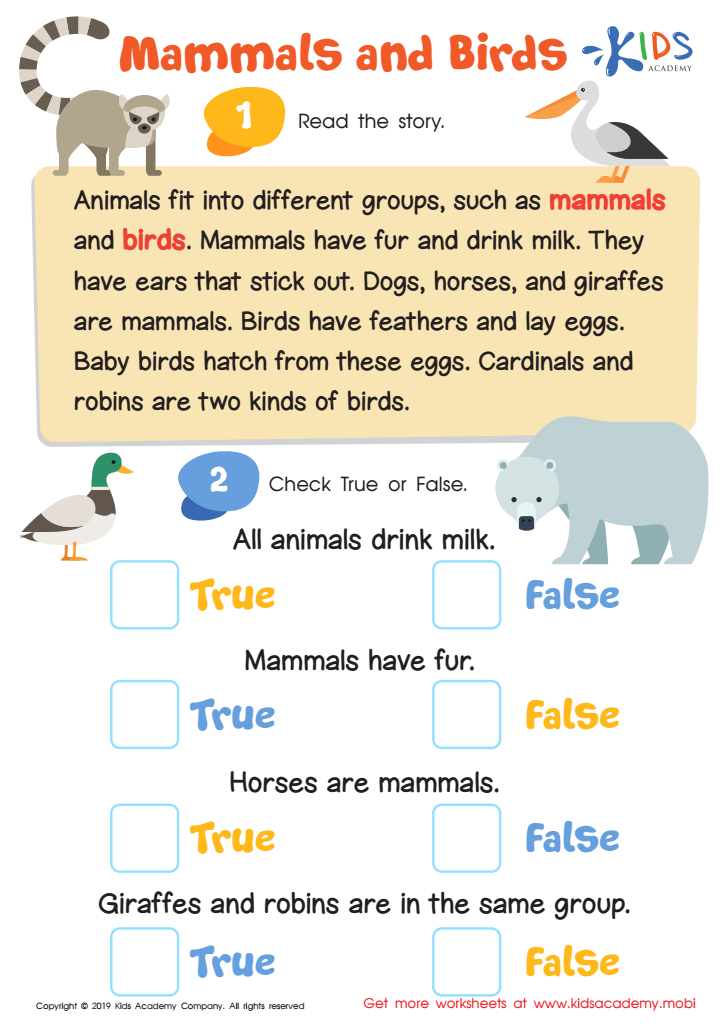
Mammals and Birds Worksheet
 Assign to My Students











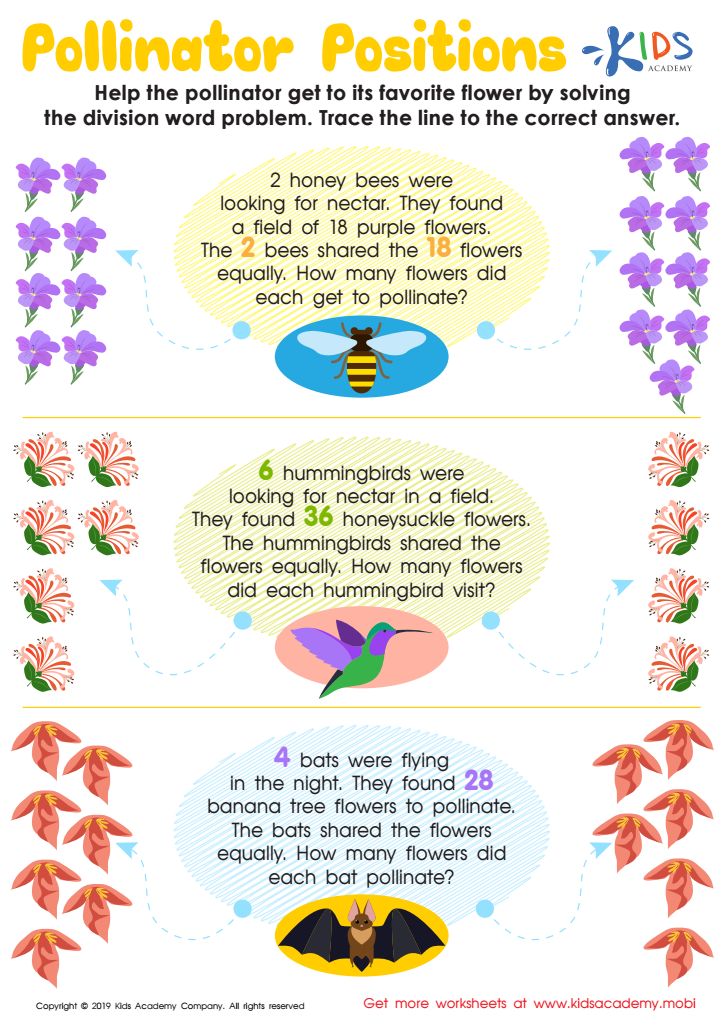
Pollinator Positions Worksheet
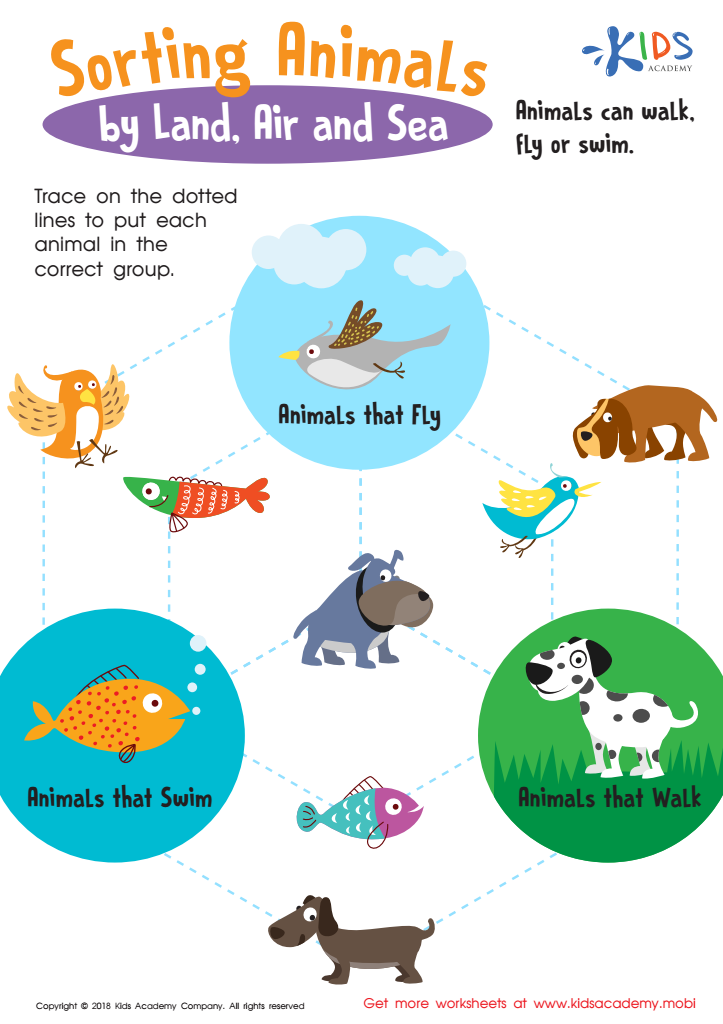
Sorting Animals by Land, Air and Sea Worksheet
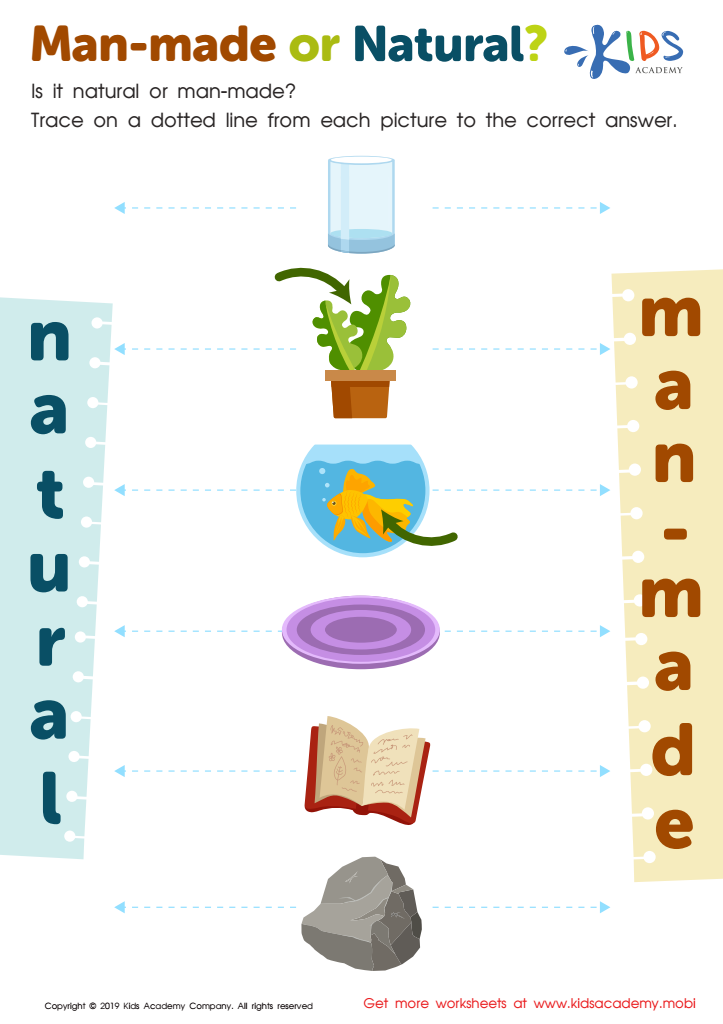
Man-Made or Natural? Worksheet
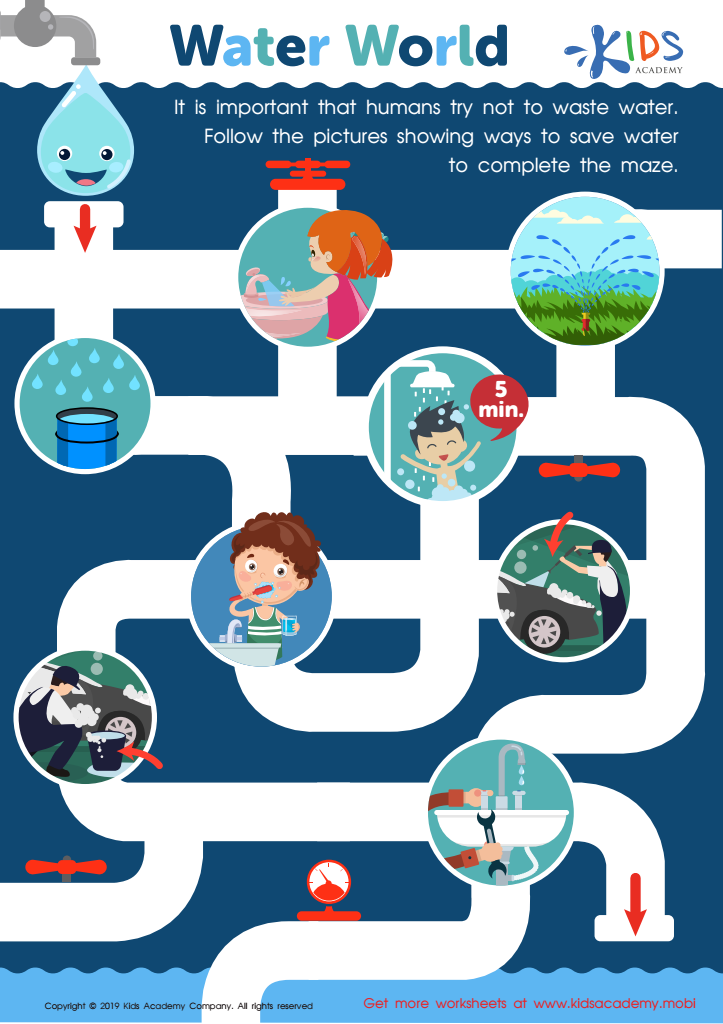
Water World Worksheet





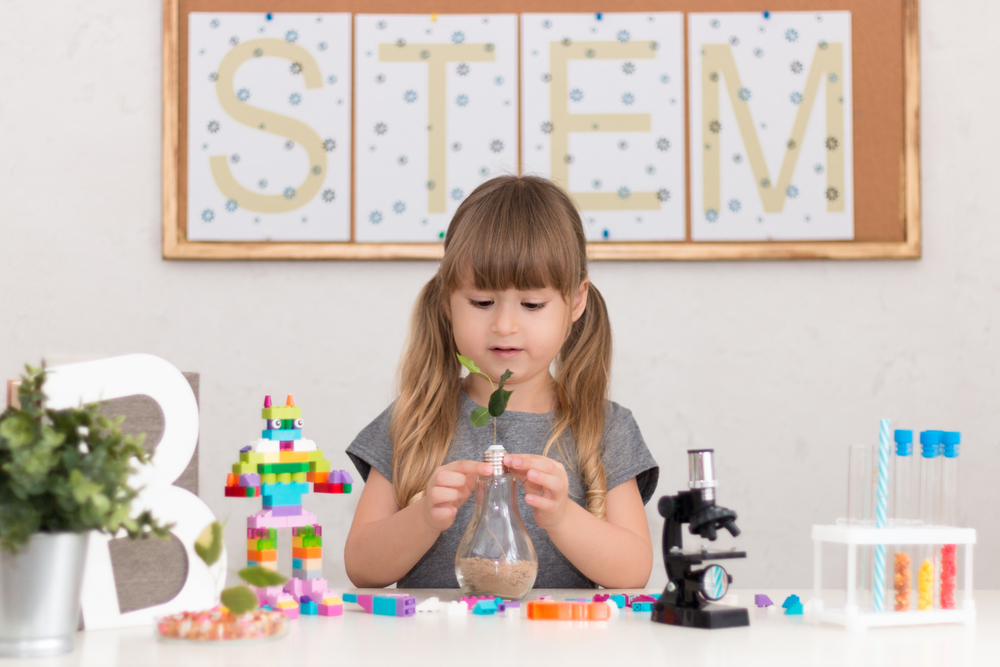

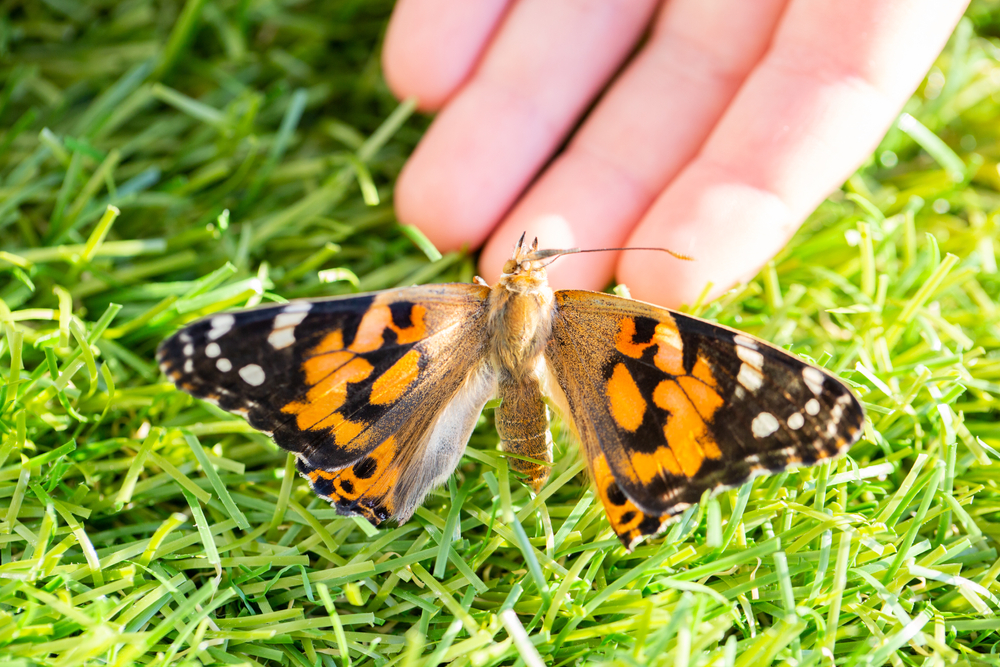
Enhancing observation skills in children, particularly regarding normal plants and animals, is crucial for several reasons. First, at ages 5 to 8, children are in a formative stage of cognitive and sensory development. This is when they learn how to engage with the world around them. By honing their observation skills, children develop critical thinking and analytical abilities, laying a foundation for future learning.
Moreover, recognizing the differences and similarities among plants and animals fosters curiosity and encourages a love of nature. This connection to the environment can instill a sense of responsibility and concern for ecological preservation as they understand the significance of biodiversity.
From an educational perspective, observing living organisms enhances vocabulary, as children learn to describe their observations using specific terminology related to biology. Additionally, these skills improve focus and attention to detail, essential components for success in later academic pursuits.
Lastly, observing plants and animals provides opportunities for collaborative learning experiences. Parents and teachers can create engaging activities that facilitate discussions, strengthen social skills, and promote teamwork, helping children develop a well-rounded approach to exploration and discovery.







